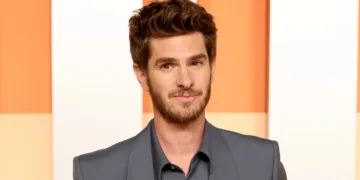



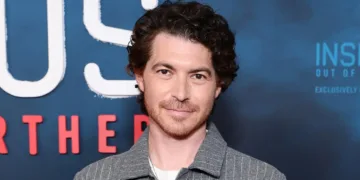
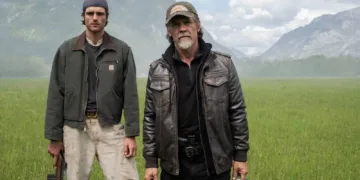





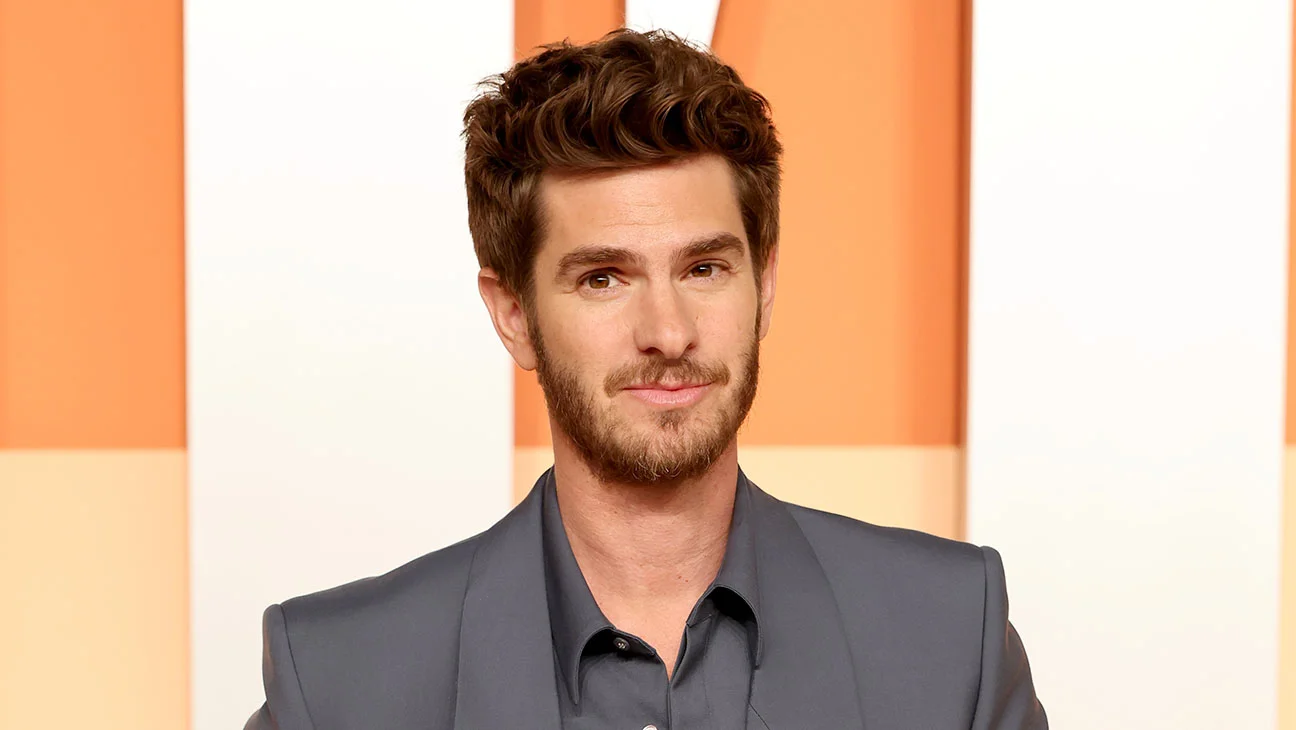

Andrew Garfield says he was glad to move on from his turn as OpenAI CEO Sam Altman in Luca Guadagnino’s upcoming film “Artificial,” describing the role as one he respects but does not miss inhabiting.
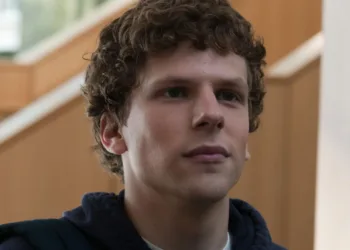
Speaking to Esquire U.K. in an interview published Tuesday, Garfield said he had been drawn to Altman’s psychology partly because he once competed for a different tech-founder role: Mark Zuckerberg in 2010’s “The Social Network,” a part that ultimately went to Jesse Eisenberg while Garfield played Eduardo Saverin. He said the years since had brought him closer to understanding the mindset of a figure who treats leadership as a contest to win at any cost, particularly against a rival like Elon Musk.
“Artificial” reconstructs the five days in November 2023 when OpenAI’s board fired Altman, triggering an employee revolt that led to his reinstatement. Garfield stars opposite Monica Barbaro as former OpenAI technology chief Mira Murati, Yura Borisov as co-founder Ilya Sutskever and Ike Barinholtz as Musk, with Mark Rylance playing AI pioneer Geoffrey Hinton.
Garfield was careful to note he has never met Altman and built the performance from the screenplay, court records and interviews, adding that anyone who takes on that level of responsibility for a technology capable of doing real damage likely needs some capacity to detach from the consequences.
The film’s path to release has been unusually turbulent. Amazon MGM Studios spent roughly $40 million on the nearly finished project before dropping it in June, months after Amazon struck a $50 billion investment and cloud-computing partnership with OpenAI.
Netflix and Focus Features both passed before Neon acquired worldwide theatrical rights for more than $20 million, the most the distributor has spent on a single film. Neon has said it intends to mount an awards-season push, setting up a potential showdown with “The Social Reckoning,” Aaron Sorkin’s follow-up to “The Social Network.”
Also Read



Garfield compared the emotional toll of playing Altman to that of playing a sexual predator in Guadagnino’s “After the Hunt,” describing both as forcing him to draw on what he called the shadow self, the parts of his own psychology he would rather not claim. He said he feels gratitude for the experience but does not enjoy inhabiting those characters, adding that he prefers roles that let him feel community-minded and, in his words, like “a cozy guy.”