




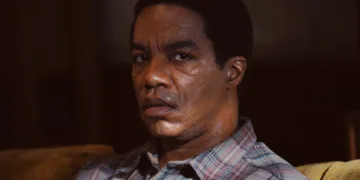
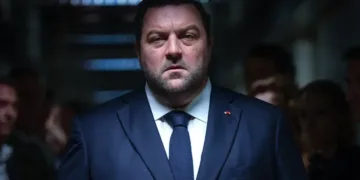
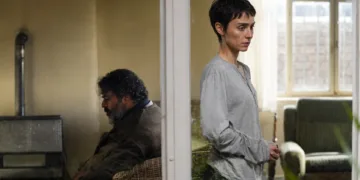
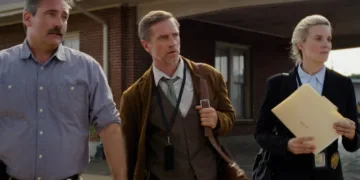











Robbing a bank usually depends on accepting that the money belongs to someone else. Furies removes that moral convenience. Maro and Dalia are breaking into a vault to recover savings the Lebanese banking system has already denied them, turning the familiar fantasy of criminal acquisition into an act of furious repossession.
Rami Kodeih’s feature debut, co-written with Nora Mariana, places that idea inside Beirut after Lebanon’s economic collapse, where frozen accounts, collapsing currency values, rolling blackouts, and dwindling public patience have made ordinary survival feel faintly illicit.
Maro (Rym Mroue), a divorced hairdresser struggling to see her young son Ali, needs money for an operation that could save her younger sister Dalia (Maria Nakouzi), who has uterine cancer. The bank refuses access to Maro’s own savings. Reasonable requests expire quickly after that. The premise works because the sisters’ decision feels outrageous and perfectly logical at once.
Sisters Under Pressure
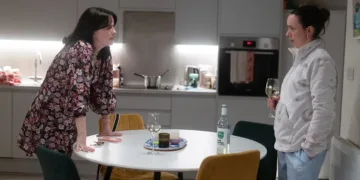
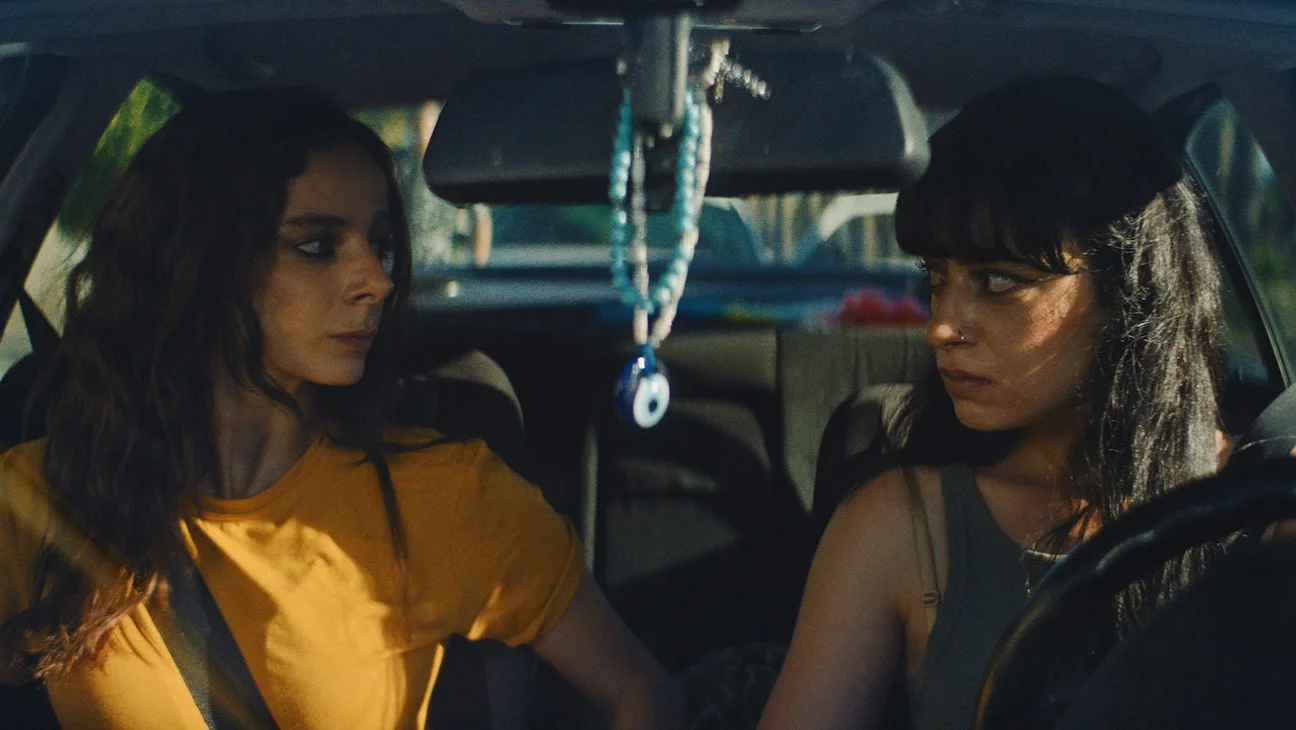
Mroue and Nakouzi make Maro and Dalia feel like women who have spent years irritating, protecting, mocking, and rescuing each other. Their early car scene, crowded with falafel, hashish, family memories, and overlapping chatter, establishes a relationship that needs no explanatory speech. Affection here frequently arrives disguised as abuse.

Maro carries panic closer to the surface. She sells jewelry, pleads with a bank manager using Dalia’s medical paperwork, cuts hair from an apartment balcony after losing her business, and fights an ex-husband who controls her access to Ali. Mroue gives that accumulated humiliation a physical tension. Maro often looks one provocation away from exploding because, increasingly, she is.
Dalia chooses another form of resistance. She parties, hooks up, and pursues sex work when money becomes scarce, refusing the social expectation that serious illness should transform her into a solemn symbol of suffering. Nakouzi plays her with an unruly vitality that makes the cancer frightening precisely because Dalia refuses to organize her personality around it.
Their apparent roles keep shifting. Maro, supposedly the responsible sister, devises an armed act of financial reclamation. Dalia, supposedly the reckless one, repeatedly recognizes dangers Maro would prefer to ignore. Their bond gives the scheme an emotional logic stronger than its criminal logic.
The Messiest Heist in Beirut
Kodeih has little interest in the antiseptic pleasures of the precision heist. There are no immaculate suits, holographic floor plans, or criminal savants waiting to explain the elegant solution. Dalia fake-vomits chewed biscuits on a bank employee so she can reach the staff bathroom.
Maro recreates the bank layout with Ali’s Lego. Getting through the wall requires drills, sledgehammers, improvisation, and considerable faith in other people behaving predictably. Naturally, they recruit people who cannot be trusted to do that.
Sunshine (Issam Bou Khaled), an older neighborhood errand runner, carries guilt from his former involvement with a Christian militia during the Lebanese Civil War. Hamza (Hasan Akil), a volatile truck driver indebted to mob boss Abu Rabih, treats every setback as an invitation to make the situation worse. His constant bargaining for a larger share turns the robbery into a negotiation conducted beside a lit fuse.
Tony Kopec’s handheld cinematography gives the operation a nervous physicality. The camera rushes through narrow interiors and overheated streets while Kodeih’s editing keeps shortening the distance between preparation and disaster. Arabic club music collides with Vivaldi and Purcell, creating a soundtrack that seems almost argumentative.
Even Beirut’s electricity cuts become part of the machinery of suspense. The plotting sometimes survives on coincidence and criminal decisions that invite unhelpful questions. Yet its roughness suits people who are learning to become thieves several hours before attempting a bank robbery.
Crime in a Broken System
The sharpest political idea in Furies is that institutional violence rarely looks dramatic while it is being administered. Maro arrives at the bank carrying documentation that explains why Dalia needs surgery. The manager eats his salad while dismissing her. His chewing is exaggerated until bureaucracy acquires the appetite of something monstrous.
Kodeih repeatedly converts national failure into domestic consequence. Frozen accounts become an unaffordable operation. Currency collapse becomes jewelry sold for less than it should be worth. Electricity shortages become rotting food and unbearable rooms. Custody rules leave Maro fighting for time with her own child while financial ruin strips away another measure of independence.
Sunshine carries an older version of the same history. His militia past places the Civil War beneath the current crisis like a scar that has never disappeared. Political catastrophe changes costumes; civilians keep receiving the bill.
The screenplay is less careful with Dalia’s cancer. Symptoms sometimes arrive with suspicious dramatic punctuality, turning illness into a suspense mechanism when the character deserves greater complexity. Nakouzi resists that reduction through the sheer specificity of Dalia’s behavior.
The robbery eventually exposes a harsher question than who deserves the money. Maro and Dalia have been exploited by a system built to protect itself, yet their escape can still injure people trapped beside them. Their late glance toward each other cuts through the drills, guns, debts, and political fury. Neither woman needs to ask what the other is willing to risk. By then, they already know.
Furies had its world premiere in the Spotlight section at the 83rd Venice International Film Festival on September 4, 2026. Set against the backdrop of the Lebanese liquidity crisis, the thriller follows two women scheming a high-stakes bank heist to reclaim their frozen life savings and fund a life-saving medical operation.
Full Credits
Title: Furies
Distributor: Le Pacte
Release date: September 4, 2026 (Venice International Film Festival)
Running time: 2 hours 13 minutes
Director: Rami Kodeih
Writers: Rami Kodeih, Nora Mariana
Producers and Executive Producers: Rodrigo Teixeira, George Clooney, Grant Heslov, Rami Kodeih, Nora Mariana
Cast: Maria Nakouzi, Rym Mroue, Hasan Akil, Issam Bou Khaled
Director of Photography (Cinematographer): Tony Kopec
The Review
Furies
Furies turns Lebanon’s banking collapse into a ferocious heist story where criminality becomes almost impossible to separate from survival. Rym Mroue and Maria Nakouzi give the film its pulse, especially when Maro’s protective fury collides with Dalia’s refusal to live like a patient awaiting permission. Rami Kodeih’s handheld camera, abrasive editing, blackouts, heat, and improvised power tools make Beirut feel permanently seconds from combustion. The plotting occasionally leans too heavily on coincidence and Dalia’s illness, yet the anger behind the robbery never feels manufactured.
PROS
- Exceptional chemistry between Mroue and Nakouzi
- Fiercely energetic direction
- Beirut woven directly into the suspense
- Political anger grounded in character
- Inventive, scrappy heist construction
CONS
- Several convenient plot turns
- Cancer occasionally used mechanically
- Heist logic can become strained