

























The most important resource in The Blood of Dawnwalker is not health, blood, stamina, or skill points. It is time. Spend three chunks of a day rescuing a prisoner and those hours are gone. Learn a new ability and the clock moves. Commit to helping a stranger and another part of Vale Sangora may have to wait.
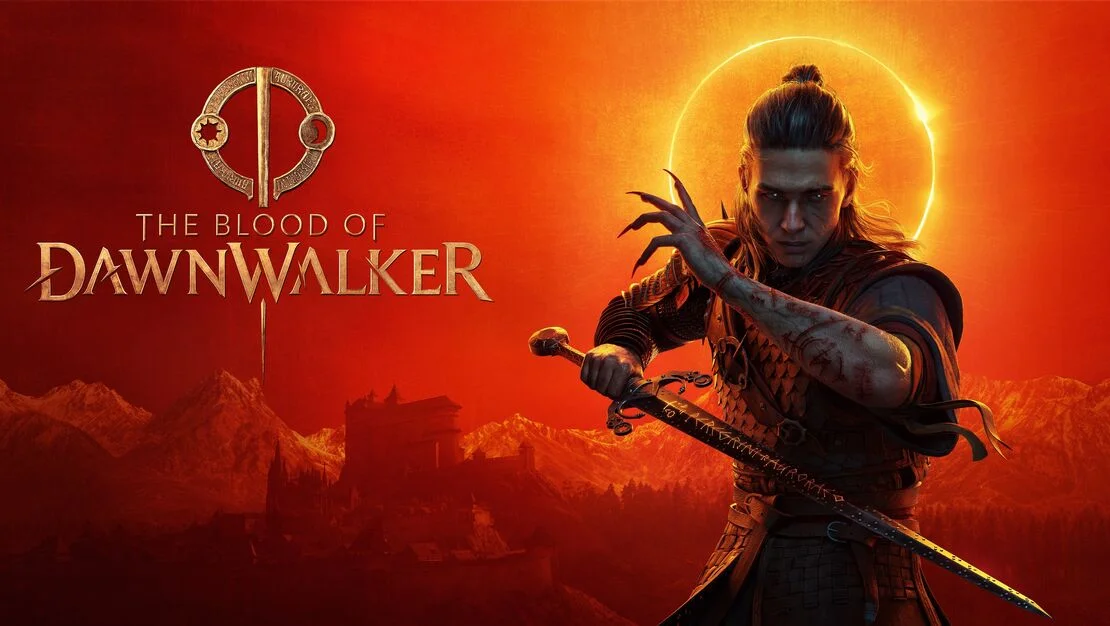
Rebel Wolves builds its first major RPG around that pressure. Coen of Laslea begins as a peasant in a brutal corner of 14th-century Europe, where the vampire Brencis has displaced the murderous local ruler Skender Dragosti and established a new order. Brencis can credibly argue that the old nobility treated peasants terribly. His alternative happens to involve industrial blood harvesting, military occupation, and villages burned at the first sign of resistance.
After Coen’s home is destroyed and his family is taken for a ceremony tied to Brencis’ coronation, he becomes a Dawnwalker, human during daylight and Vrakhiri vampire at night. He has 30 days to recover his family. The Witcher lineage is easy to spot in the muddy roads, monster contracts, swordplay, and morally compromised villagers, but Rebel Wolves finds its own structure by making Coen’s divided nature mechanical. By sunset, the character sheet itself changes.
Two Lives, Two Builds
Daytime Coen fights with swords and witchcraft. He eats food, drinks medicine, climbs like an ordinary man, and can invest in hexes that stun enemies or inflict status effects at the cost of his own health. Nighttime Coen operates by different rules. Food becomes useless. Health comes from blood. Claws replace the human emphasis on weapons, while supernatural movement opens paths unavailable during the day. Coen can scale walls, move across ceilings, shadowstep through space, transform into a wolf, and feed directly on enemies.
The useful part is how thoroughly the game commits to the split. Equipment, shortcuts, and combat setups can be configured separately for each form, then switch automatically when the sun changes. There is no ritual of opening the inventory every evening and manually rebuilding Coen from scratch.
Three skill trees support that structure. Swordmastery applies across both forms, while Witchcraft and Vampiric abilities belong to their respective halves of the day. A player can build human Coen around dangerous spells that sacrifice his own health for crowd control, then configure vampire Coen around claw damage and repeated feeding so combat becomes a cycle of aggression, blood recovery, and renewed pressure.
Those differences extend into exploration. Certain towers require vampiric mobility. Some magical rituals can only be performed while Coen is human. A route that looks closed at noon can become trivial after sunset.
The system reaches its sharpest point when form changes social behavior. Characters may be reluctant to speak with Coen while he looks like the thing terrorizing their valley. Enter a conversation while his blood hunger is severe enough and the consequence can be worse than a failed dialogue check. Coen may kill somebody important because the player ignored the state he was in. That is good RPG design because the transformation changes what the player can safely do, rather than existing as another combat stance.
Learning the Blade
Combat takes longer to settle. Enemy attacks arrive from different directions, and effective defense asks the player to match that angle before parrying. Blocking without directional precision is possible, but it burns stamina and does less to create the counterattack windows needed in harder fights.
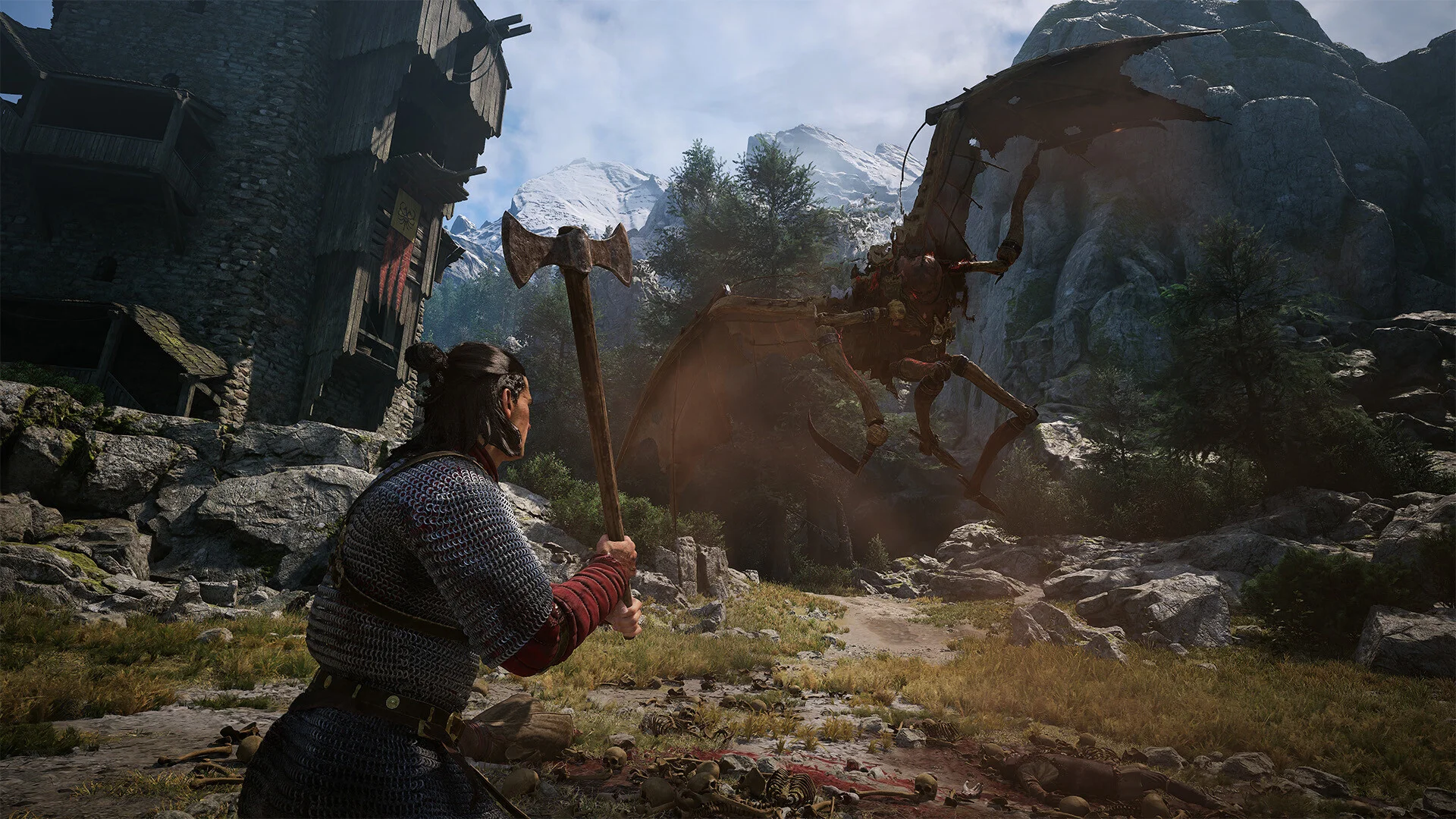
For the first few hours, the system can feel stiff. Tracking attack direction, managing distance, choosing targets, and learning when to commit to a parry asks for a different rhythm than the dodge-heavy action RPGs surrounding it.
Once the timing becomes familiar, the same system starts rewarding skill that exists outside Coen’s statistics. A difficult group that feels chaotic early on becomes readable later because the player recognizes attack patterns and understands where openings will appear.
Supernatural abilities prevent those sword exchanges from becoming too rigid. Human Coen can interrupt enemies with witchcraft, pile effects onto them, or trade his own safety for stronger magic. Vampire Coen can warp behind a target, feed to restore health, unleash disabling screams, or use powers that disrupt groups before closing with his claws.
The weaknesses are less elegant. Lock-on targeting regularly chooses poorly during group fights. Trying to switch deliberately to one enemy can become an argument with the camera. The camera itself occasionally loses useful positioning around walls or terrain.
Enemy variety also wears thin in ordinary encounters. Wolves, boars, guards, and common monsters appear often enough that late-game fights against them stop testing much. Stronger enemies and wider ability combinations recover some of that lost energy, but another pack of wolves rarely improves anybody’s evening.
What Is an Hour Worth?
The calendar is where Dawnwalker separates itself from most open-world RPGs. Each day contains 16 time segments. Exploration costs nothing. Coen can wander forests, gather herbs, search ruins, or stare at a mountain for an hour of real time and the game clock will remain still. Time advances only when the player knowingly commits to an activity that consumes it.
That distinction matters. The game is not punishing curiosity. It is pricing decisions. A skill can cost time to learn. A quest can consume several segments. Helping someone can delay an operation against Brencis. Tasks may expire or depend on daylight, forcing the player to look at the journal as a schedule rather than a grocery list.
One early decision captures the design cleanly. Coen can talk his way into a prison camp and obtain information from a captive. Rescuing that prisoner is possible, but costs three time segments. In another RPG, leaving him behind would mostly be a role-playing choice. Here, mercy has a budget.
The player has to decide if those hours are worth sacrificing. Brencis’ court creates another layer of prioritization. Actions against figures such as Ambrus, Bakir, and Xanthe increase their hostility toward Coen. Push one far enough and the conflict can escalate into a direct confrontation, giving the player a way to weaken Brencis’ position before facing him. Rising infamy also increases pressure in the world, including heavier patrols.
The system is smart enough to support obsession. It becomes easy to spend several minutes planning the next day, checking which quest needs daylight, which NPC must be visited first, and which skill is worth consuming another portion of the calendar.
Its one major problem is that the threat can soften too much. A well-built Coen may be ready for Brencis long before day 30. The idea of scarcity still shapes behavior, but players who discover how generous the schedule really is may stop treating every decision with the same anxiety.
Fast travel weakens the fiction further because moving enormous distances costs no time at all. If training for a skill consumes hours, crossing Vale Sangora instantly probably should have carried some price. The calendar remains effective because the player cannot know its generosity at the beginning. That uncertainty changes behavior before the mathematics become visible.
No Clean Hands in Sangora
Vale Sangora works because the game refuses to give its systems a simple moral answer. Brencis replaced a human tyrant. Some peasants genuinely see the vampires as preferable to the nobility that came before them. Ambrus enjoys the collapse of the old hierarchy and carries himself like a gentleman while serving a regime built around blood extraction.
The resistance is hardly cleaner. Crake can be vicious while defending the cause. Lacra is useful, charismatic, and capable of acts that would make alliance-building easier if nobody asked follow-up questions.
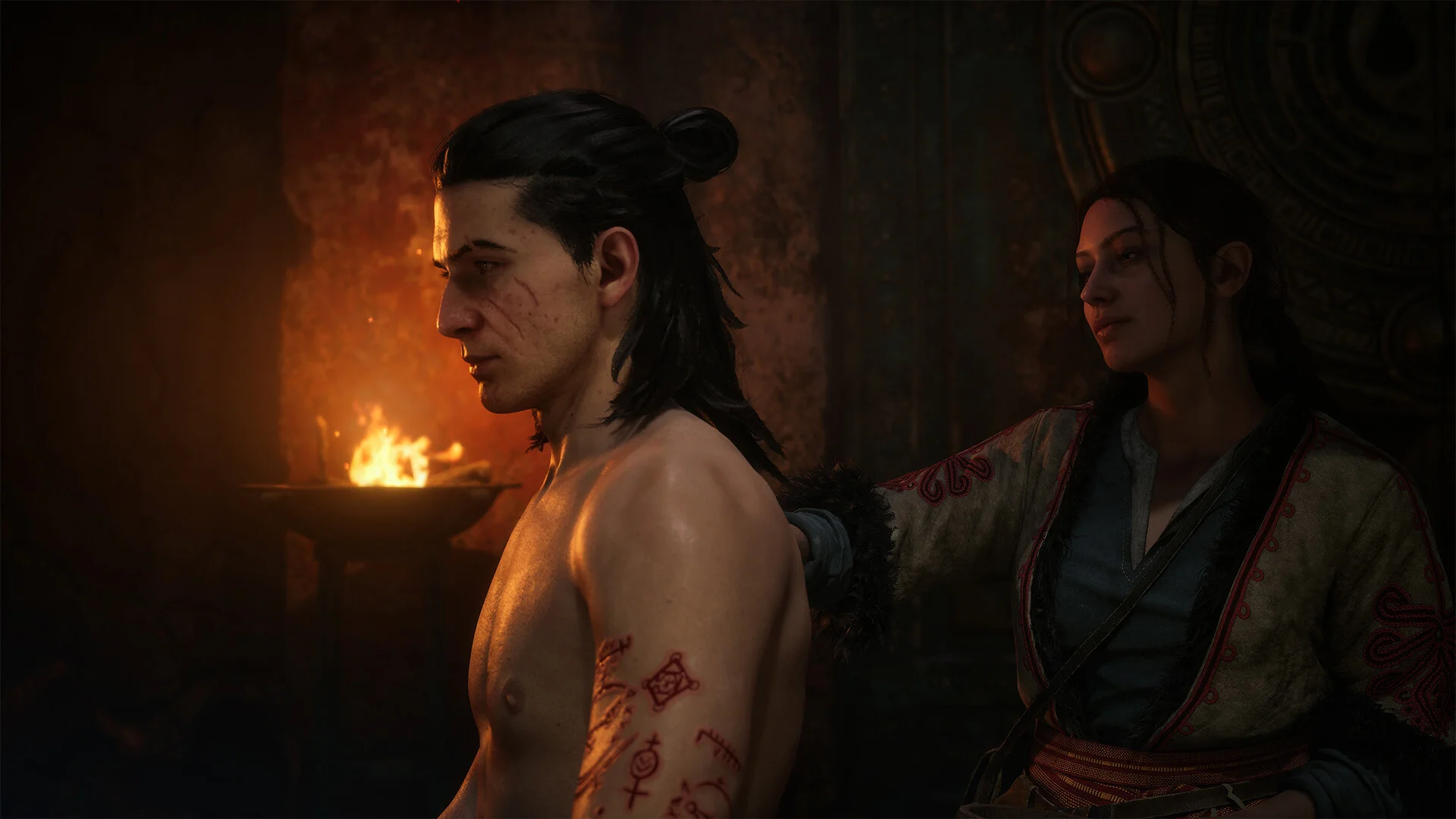
Anca provides a quieter relationship. She teaches Coen Latin and witchcraft, shares pieces of her history, and can develop into a romantic connection. Spending time with her can open knowledge, abilities, and personal material, but the calendar ensures that companionship competes with everything else demanding Coen’s attention.
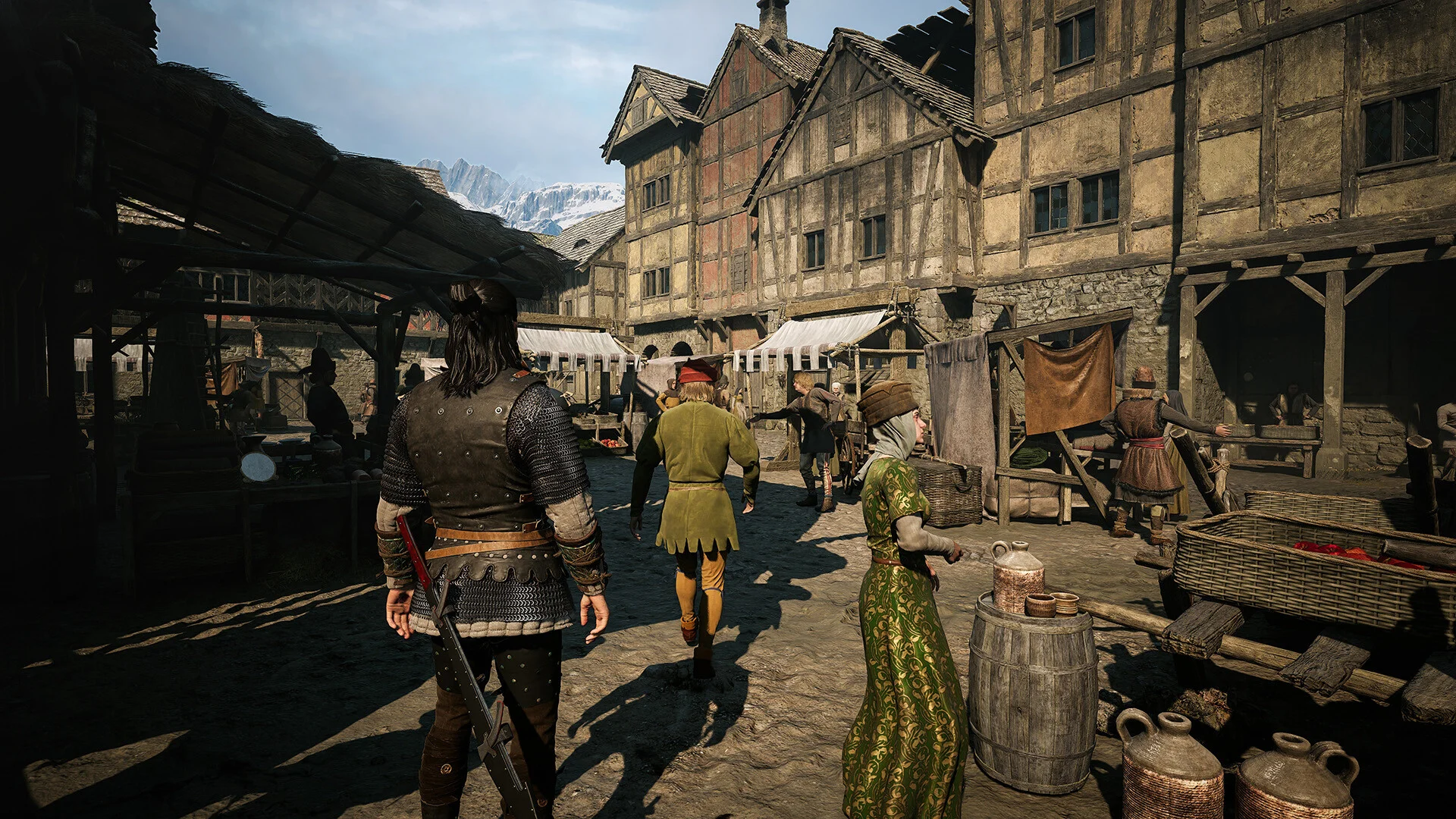
The world reinforces that conflict through placement rather than exposition alone. Burned settlements, military patrols, frightened civilians, prison sites, and organized blood harvesting make Brencis’ rule visible during ordinary travel. Forests and alpine paths can look almost peaceful until the next sign of occupation appears.
Some open-world habits remain. Lookout towers reveal points of interest. Clue trails can reduce investigation to following highlighted traces. Object-inspection sequences occasionally slow quests without making the solution more interesting.
The stronger quests survive those conventions because the game allows the player to miss substantial material. A major companion can remain undiscovered for dozens of hours. Relationships can vanish because another mission received priority. Alternate endings depend on who Coen met, what he did, and which parts of Sangora he ignored.
That gives replaying a practical purpose. A second run can expose people and quests absent from the first. A rushed attempt to reach Brencis with minimal preparation produces a different result from spending weeks dismantling his allies and forming relationships.
The important part is not how many endings exist. It is that the path toward them is built from systems the player has been using for the previous 40 hours. Every hour spent tells the game what Coen cared about.
The Review
The Blood of Dawnwalker
The Blood of Dawnwalker succeeds because its systems keep feeding into each other. Day and night reshape Coen’s movement, healing, combat, equipment, and quest access, while the 30-day calendar forces the player to assign value to every skill learned and favor granted. The deadline loses some bite once Coen becomes powerful, and lock-on problems, repetitive wildlife, and familiar open-world chores leave visible seams. Still, Vale Sangora remembers enough of the player’s priorities to make missed quests, abandoned prisoners, and altered alliances feel like authored consequences rather than deleted content.
PROS
- Excellent day/night design
- Meaningful time-management system
- Flexible dual-form builds
- Strong choice and consequence
- Rich, morally hostile world
CONS
- Deadline can feel too forgiving
- Awkward lock-on targeting
- Repetitive common enemies
- Familiar open-world busywork