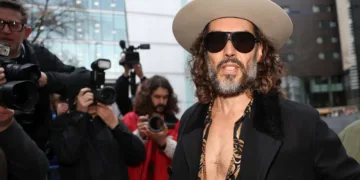


























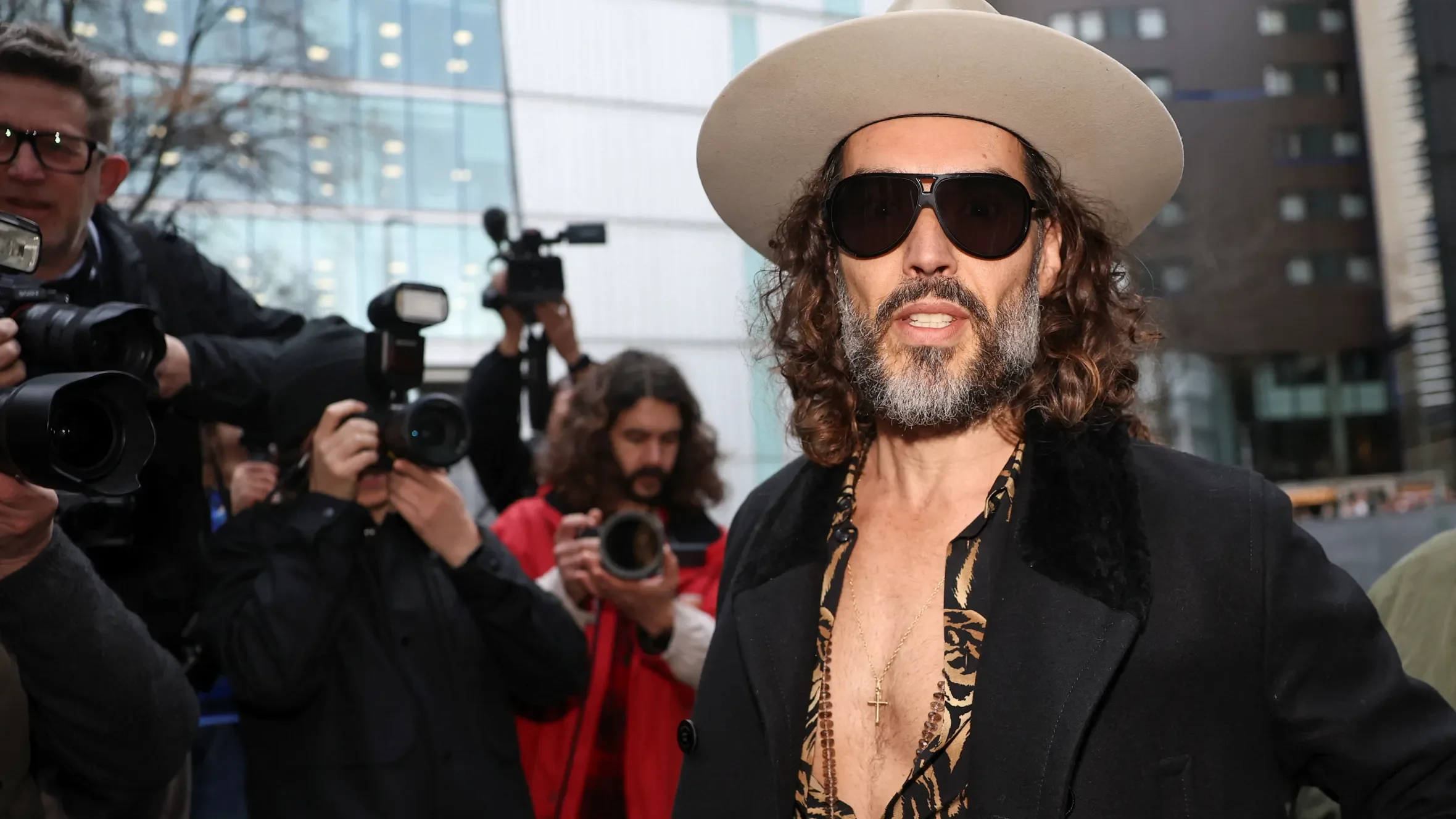

Meta has disabled Russell Brand’s Instagram account, days after a British judge sentenced the comedian to 10 years and six months in prison for rape and sexual assault. Brand disclosed the removal Wednesday on X, where he posted screenshots of a notice saying his account failed to follow Meta’s community standards. “There never was a Russell Brand, according to Meta,” he wrote, and he thanked Elon Musk, whose platform has not restricted his page.
His X account still has more than 10 million followers. A Meta spokesperson confirmed the takedown to TMZ and said the account “violates our policies.” Parade reported that Meta cited its account integrity rules, which allow restrictions on users whose off-platform conduct can lead to harm.
The notice told Brand he could not ask for another review, though it let him download his posts. His Instagram page had more than 5 million followers and over 6,500 posts, according to Deadline. Some reports say his Facebook page, which had 6.2 million followers, was also shut down. Meta has not publicly confirmed that.
A jury at Southwark Crown Court in London convicted Brand, 51, last week of one count of rape and three counts of sexual assault. It acquitted him on two other counts of rape and one count of attempted indecent assault. Judge Joel Bennathan sentenced him Monday: nine years for the rape and 18 months for the assaults. Brand will become eligible for release on license after serving two-thirds of the term, about seven years. The judge told him that two decades ago he was clever and charismatic, but “had also become a sexual predator.”
Brand pleaded not guilty to all seven charges and has long denied wrongdoing, saying his encounters were consensual. The case began in 2023, when women accused him publicly in a joint media investigation of conduct between 2006 and 2013. Police charged him in April 2025, and prosecutors added two charges that December.
The account removal follows earlier penalties from tech platforms. YouTube suspended his ability to earn ad revenue in 2023. He built a following during the pandemic with a politically charged video channel and later added a show on Rumble. Platform decisions of this kind draw both praise and criticism. Supporters say companies should not give a convicted offender a megaphone, while free-speech advocates warn against broad bans based on conduct off the platform.