

























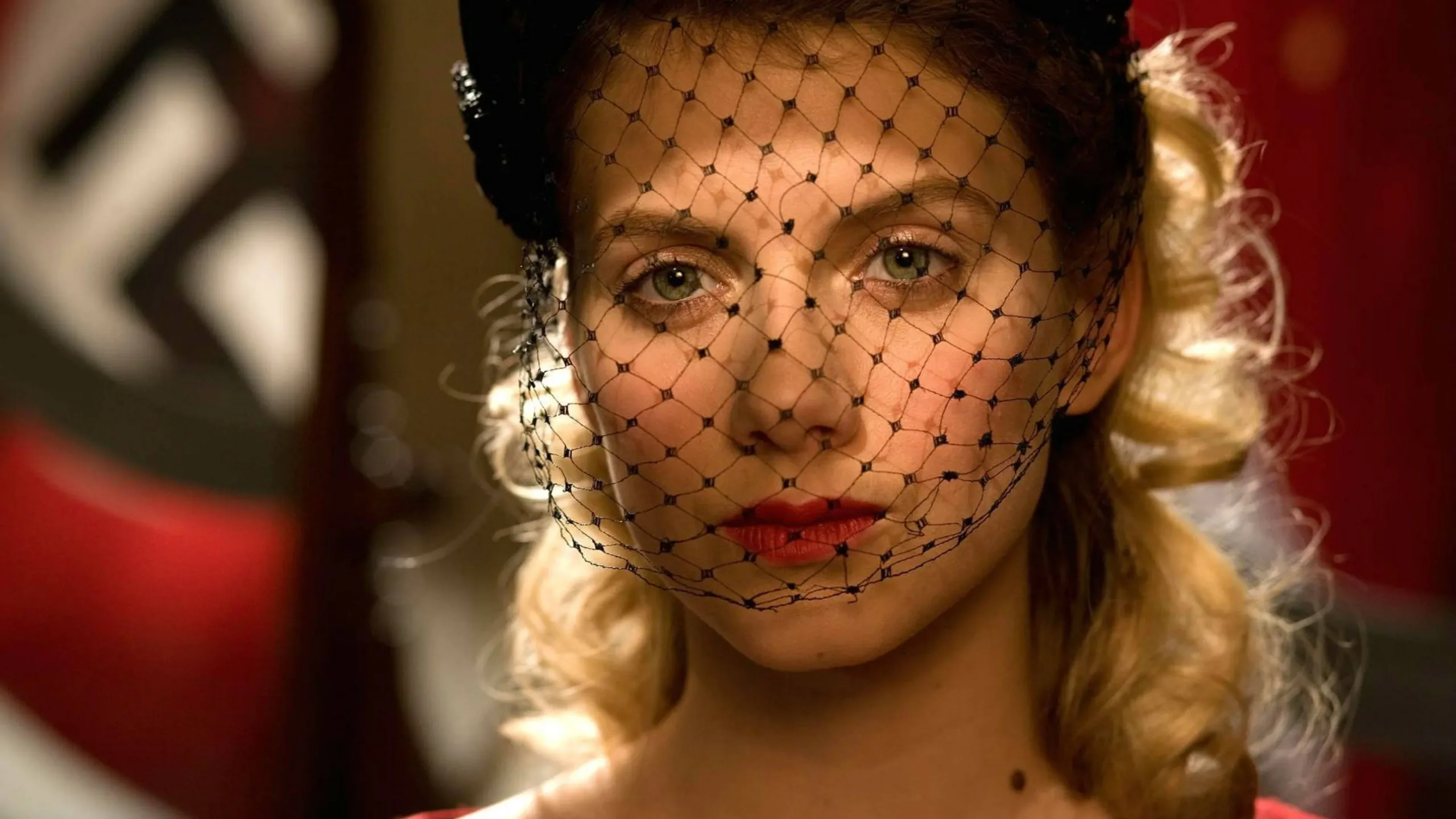

Quentin Tarantino fired Mélanie Laurent from “Inglourious Basterds” after a poor table read, then rehired her days later, according to a new book on the 2009 film. He also dropped Isabelle Huppert from the cast for missing the same reading.
Tarantino described both decisions to author Jay Glennie for “The Making of Quentin Tarantino’s Inglourious Basterds.” He said Laurent’s reading of the lead role of Shosanna was bad enough that he let her go before production began. He told Glennie it wasn’t even good enough to be called terrible.
Laurent called him within days and asked for the job back. Tarantino said her determination impressed him, and he agreed to “turn the clock back” and start over on one condition: she would spend three days rehearsing with him. She passed, and Tarantino said she did a wonderful job. “Let me just go on the record: I love Mélanie,” he said. He also said Shosanna belongs to her.
Huppert’s exit was final. Tarantino said the French actress did not show up for the table read, and he fired her. He praised her career but also cited problems with her contract. Huppert had been cast as Madame Ada Mimieux, a woman who shelters Shosanna in Paris, and the director gave the part to Maggie Cheung. Neither actress has publicly responded to the book’s account in what I found, and Tarantino framed both firings as matters of professional standards, saying he has dismissed actors before when a part was not working.
Tarantino’s retelling carries a defense of his method. He treats the table read as a test of whether a performance fits the film, and he has been willing to reverse a decision when an actor shows more than a single bad day. The outcome supports him on Laurent. Shosanna became her signature role, and the film premiered at Cannes in May 2009, where Christoph Waltz won best actor. It opened that August and grossed $321 million worldwide.
Huppert’s case reads differently. Her absence from the reading, by Tarantino’s account, was a scheduling and contract dispute, and she never got a second chance. The book arrives as retrospectives on Tarantino’s later films keep revisiting how he casts and directs.