


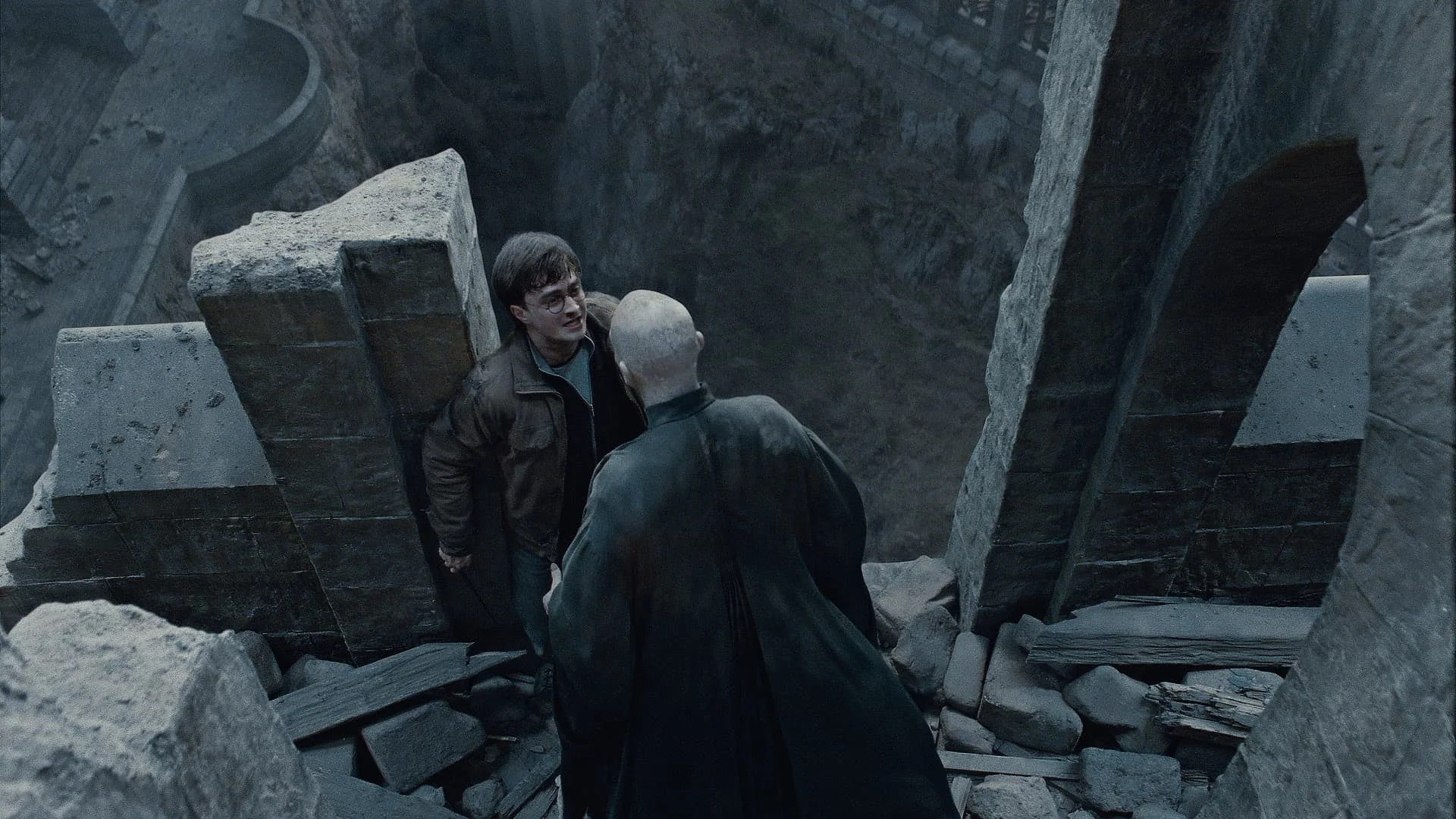

David Barron, the British producer behind six Harry Potter films, is entering generative AI with an adaptation of Jack London’s The Call of the Wild.
Simon Rumley, director of Red White & Blue and Crushed, will write and direct. The film will be generated at nmatic, with CGI and traditional visual effects handling the more complex scenes. Chris Catchpole, Carl Lyttle and Toby White run prompting and technical work at the studio. Barron produces alongside Mark Sandell and Nick Price. The announcement did not include a release date or distributor.
The filmmakers bill the project as the first faithful screen version of London’s 1903 novel, because it unfolds through the subjective experience of Buck, a pampered St. Bernard torn from California and sold into the Klondike Gold Rush. Barron says the book’s scope has defeated earlier attempts. Its Alaskan terrain and brutal fights between dogs and wolves made a faithful film too costly and too difficult to shoot. “Technology has finally caught up with London’s vision,” he said.
The story has reached screens repeatedly, from a 1972 Charlton Heston feature to a 2000 television series and a 2020 film starring Harrison Ford. That last version, budgeted at a reported $125 million to $150 million, grossed $111 million worldwide.
The project arrives as Hollywood remains divided over generative tools. Because the leads are animals, it sidesteps the likeness disputes that have dogged AI performers. Those disputes have not faded. SAG-AFTRA’s new contract with the studios, agreed in May, requires informed consent and fair pay for any digital replica of a performer. Yet union negotiator Duncan Crabtree-Ireland said members still feel “very, very strong concern about AI” as the tools improve.
Resistance among filmmakers is open. Guillermo del Toro said last October he would rather die than use the technology in his films. Disney, meanwhile, licensed its characters to OpenAI’s Sora video tool and invested $1 billion in the company in December, a sign that studios are testing the technology despite talent anxiety. Particle 6 also announced in July that its AI-created “actor” Tilly Norwood would headline a feature, and that announcement drew swift criticism from performers.
Barron’s credentials give the venture a visibility that most AI productions lack. His name attaches a veteran of the biggest franchise in British film to an experiment many in the industry regard with suspicion.