











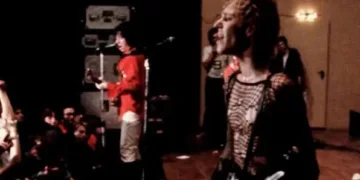

















Yoshiko Tanaka wants to become a voice actor, yet her appearance keeps costing her opportunities. At a party for celebrity cosmetic surgeon Rin Tohyama, she spots a performer celebrated for her natural beauty among the clinic’s clients. Plastic Beauty could play that discovery as a simple exposé. Instead, it exposes a hiring culture that prizes a particular face even when the job depends on a voice. The clinic sells Yoshiko a way to meet that demand.
Her friend Hina tries to reassure her, but reassurance cannot offer her the auditions she has lost. Yoshiko struggles to pay for surgery and cries with happiness when she sees her new nose. The series allows that happiness to count. It also asks viewers to remember the professional pressure and financial desperation that came before it. Calling her choice either liberation or surrender would let too many other people off the hook.
That question of who bears responsibility drives the conflict between two surgeons. Fumi Numata works in emergency medicine and regards cosmetic procedures with suspicion. Rin, whose face towers over Tokyo on advertisements for her clinic, believes changing an appearance can improve a life. After Fumi loses her hospital job and her family’s debts leave her vulnerable, Rin offers her work. Their disagreement becomes sharper once Fumi has to meet the people asking for surgery rather than judge their requests from a distance.
Kana, an influencer who presents herself as naturally beautiful, arrives at Fumi’s hospital with a serious complication involving a breast implant. Fumi removes it despite Kana’s pleas. For the doctor, the medical decision is clear; for Kana, the loss threatens the body on which her career depends. Kana later dies by suicide, and blame gathers around Fumi.
The show’s harshest insight lies in how many people have a stake in Kana’s appearance, including an agency that presses her to attend Rin’s party while she is in pain, yet the surgeon who treats her becomes the easiest person to hold accountable. None of that cancels Kana’s distress or makes Fumi especially gentle with her. It does make the search for one person to blame feel painfully inadequate.
Other patients challenge Fumi from a different direction. A terminally ill widow seeking a transformation in the third episode asks for care that cannot be defined by survival alone. These cases give Rin’s position its force. She listens to desires Fumi is quick to dismiss, and Riisa Naka plays her conviction as something sturdier than a sales pitch. Mayu Matsuoka, meanwhile, lets Fumi’s certainty sound abrasive even when her medical concerns are justified. Their performances make room for an uncomfortable possibility: each doctor may understand a kind of suffering the other has been trained to overlook.

Rin’s sincerity does not settle the question of what her clinic does with that suffering. Its enormous advertisements promise a better life through beauty; at a party celebrating Rin, clients are offered complimentary Botox. When Kana’s case threatens the clinic, its response centers on protecting its reputation. A surgeon can care about the person in her consulting room and still run a business that encourages people outside it to find fault with their faces. Plastic Beauty is especially pointed when it keeps those activities in the same frame instead of asking us to choose between a kind doctor and a cynical enterprise.
The series’ surgical scenes help puncture the promise made by its polished clinic and immaculate advertising. Procedures and recovery give physical weight to changes that marketing can present as effortless. The patient cases also give the eight episodes a useful rhythm: each new request tests the doctors’ convictions against a different life.
As Fumi’s family debt, Rin’s history, and the struggle around the clinic take up more space, that rhythm weakens. Those pressures explain why Fumi cannot simply refuse Rin’s offer, but the accumulating crises leave less time with the patients who make the argument specific. The crowded finale is particularly eager to turn a conflict about care into another reversal.
That lost patient time matters because the series has shown how readily institutions turn private worries into a market. Yoshiko’s happiness at her new nose remains real, and neither doctor’s position cancels it. Staying with people like her would have let Plastic Beauty press its hardest question further: after the clinic delivers the face an industry rewards, what has that industry changed?
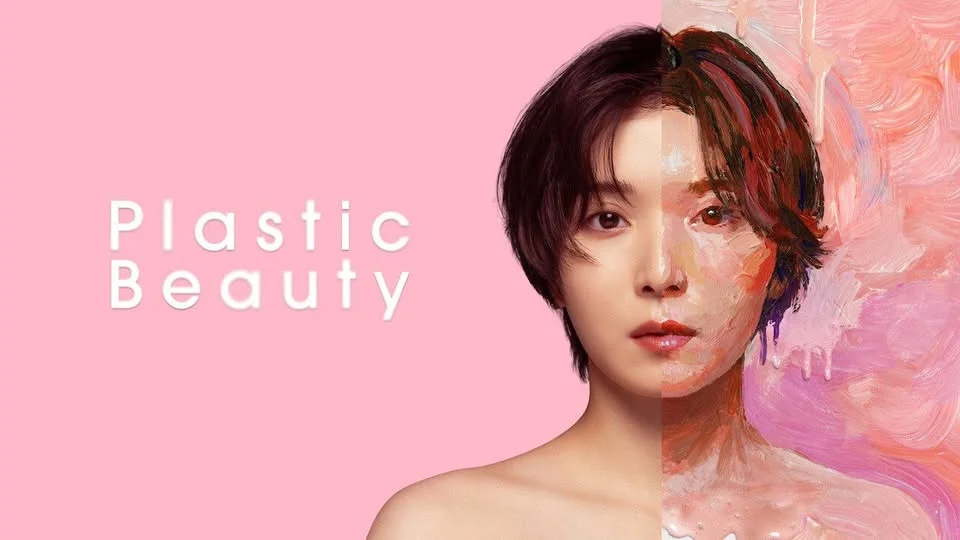
Plastic Beauty premiered on Netflix on September 17, 2026. The Japanese medical drama series follows a gifted emergency surgeon who joins a prominent cosmetic clinic, leading to a fierce ideological clash over the true purpose of medicine.
Where to Watch Plastic Beauty Online


Full Credits
Title: Plastic Beauty
Distributor: Netflix
Release date: September 17, 2026
Rating: TV-MA
Running time: Approximately 45–60 minutes per episode
Director: Yuki Saito
Writers: Junya Ikegami
Producers and Executive Producers: Harue Miyake, Katsuhito Mogi
Cast: Mayu Matsuoka, Riisa Naka, Shotaro Mamiya, Minami Tanaka, Hiromi Nagasuku, Atsuro Watabe, Riku Hagiwara, Mijika Nagai
The Review
Plastic Beauty
Plastic Beauty finds its sharpest drama in the gap between choosing surgery and facing the pressures that make it feel necessary. Its patient stories and the friction between Fumi and Rin give that question force. Family melodrama gradually takes time from those stories, and the crowded finale favors reversals over deeper inquiry. Even so, the series remains perceptive about an industry that offers relief from standards it helps sustain.
PROS
- Patient stories give the ethical conflict specific stakes
- Strong, contrasting performances from Mayu Matsuoka and Riisa Naka
- Surgery and recovery cut through the clinic’s glossy image
CONS
- Family melodrama crowds out patient cases
- The finale relies heavily on reversals
- Yoshiko’s workplace pressure deserves further examination