






















![Kingdom Hearts Collection [I-III] Review](https://gazettely.com/wp-content/uploads/2026/10/Kingdom-Hearts-Collection-I-III-1-360x180.webp "Kingdom Hearts Collection [I-III] Review: KHII Holds Steady as Newer Entries Fluctuate 40")

Nigerian filmmaker Afolabi Olalekan makes a striking debut with Freedom Way, which delves headfirst into the heart of Lagos, a city brimming with life, chaos, and contradiction. Set against the backdrop of Nigeria’s huge economic capital, the film openly confronts corruption, systemic failings, and the daily grind of its inhabitants. Through an intricate network of overlapping lives, it provides a realistic image of a society coping with major structural flaws and its people’s resilience.
Freedom Way, which premiered at the Toronto International Film Festival, has already made headlines for its candid portrayal of Lagos’ struggles. The film does more than just scrape the surface; it delves into the complexities of a society in which survival frequently involves choosing between integrity and compromise. Olalekan’s debut, which features a cast of highly formed characters and a city that feels alive in every frame, is both a societal statement and a genuinely human story.
Freedom Way is ambitious and immensely detailed, and it stands out for its ability to integrate personal experiences into bigger societal narratives. It’s a film that pulses with Lagos’ energy, capturing the city’s rhythm and the struggles of its people with authenticity and nuance. Themes of corruption, survival, and human connection are investigated with a raw honesty that feels both urgent and universal.
Visually, the film is a feast for the senses, with dynamic camerawork and a warm, lived-in color palette that transports viewers to the world it depicts. The narrative structure, which is fractured but intriguing, contributes to its allure, offering a mosaic of experiences that reflect Lagos’ expansive character. It’s a story about the consequences of terrible administration, hope, humanity, and people’s choices in hardship.
Lagos Unveiled: A City That Breathes
Lagos isn’t just a backdrop on Freedom Way; it’s a living, breathing organism with energy and unpredictability that pulses. From the congested streets to the glass-walled offices of ambitious software entrepreneurs, the city comes to life in all its chaotic beauty. Every photo portrays the tension between hope and sorrow, ambition and survival, making Lagos feel like the main character in the story.
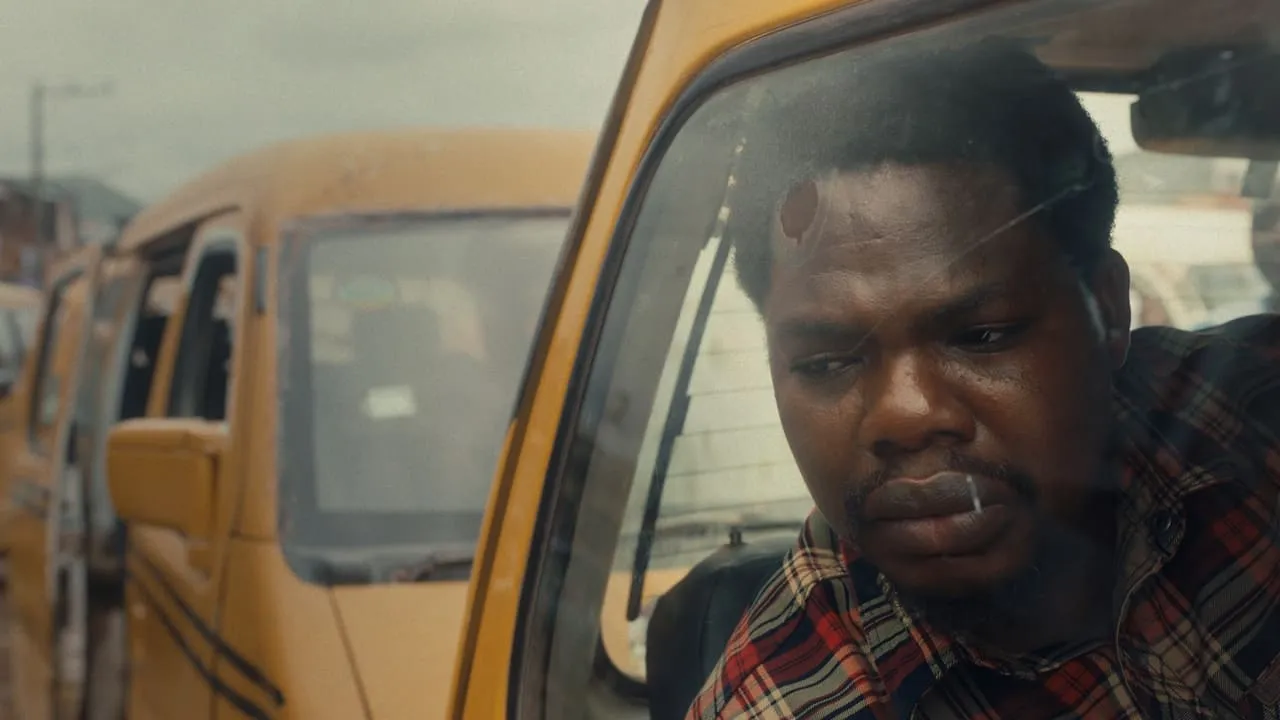
Through sweeping aerial shots, the film provides a bird’s-eye vision of a continuously moving city. Drone footage glides over busy highways, vibrant marketplaces, and neighborhoods packed with life, giving viewers a sense of Lagos’ overwhelming magnitude and vibrancy. With fast sweeps and handheld views underlining the characters’ struggles as they navigate the city’s highs and lows, the dynamic camera work echoes the unrelenting speed of life in it. Whether it’s a crowded okada (motorcycle taxi) demonstration or a peaceful time of introspection, Lagos is always present, reflecting its people’s dreams and challenges.
Visually, Freedom Way stands out with its warm, earthy tones and organic lighting, which help to place the film in a genuinely authentic reality. The cinematography captures Lagos’s grit and beauty, employing practical lighting to create a raw, unpolished atmosphere that complements the story’s themes.
The interplay between static and dynamic pictures is masterfully executed. Static frames linger on raw moments of emotional intensity, pulling viewers into the characters’ inner lives. In contrast, dynamic, fast-paced pictures capture the chaos and urgency of life in Lagos. Wide shots accentuate the wide urban environment, while close-ups focus on the characters’ faces, revealing every flicker of emotion—a father’s worry, a struggling entrepreneur’s tenacity, or someone’s quiet resignation when faced with overwhelming odds.
This meticulous framing and composition create a visual rhythm that reflects the city’s own. Each photo feels deliberate, juxtaposing Lagos’ urban chaos with its personal stories. It’s a city of stark contrasts—vibrant but cruel, hopeful yet unforgiving—and the film catches it all with breathtaking clarity.
Interwoven Destinies in a Chaotic City
Freedom Way’s bold, multi-threaded storytelling method weaves together the lives of characters from diverse walks of life. Themba and Tayo, two software entrepreneurs who want to revolutionize Lagos’ chaotic transportation system with their ride-share app, Easy Go, are at the heart of the narrative. Their objectives are indirectly linked to Abiola, a struggling motorcyclist and family man whose income is disrupted by a sudden government ban on commercial motorcycles.
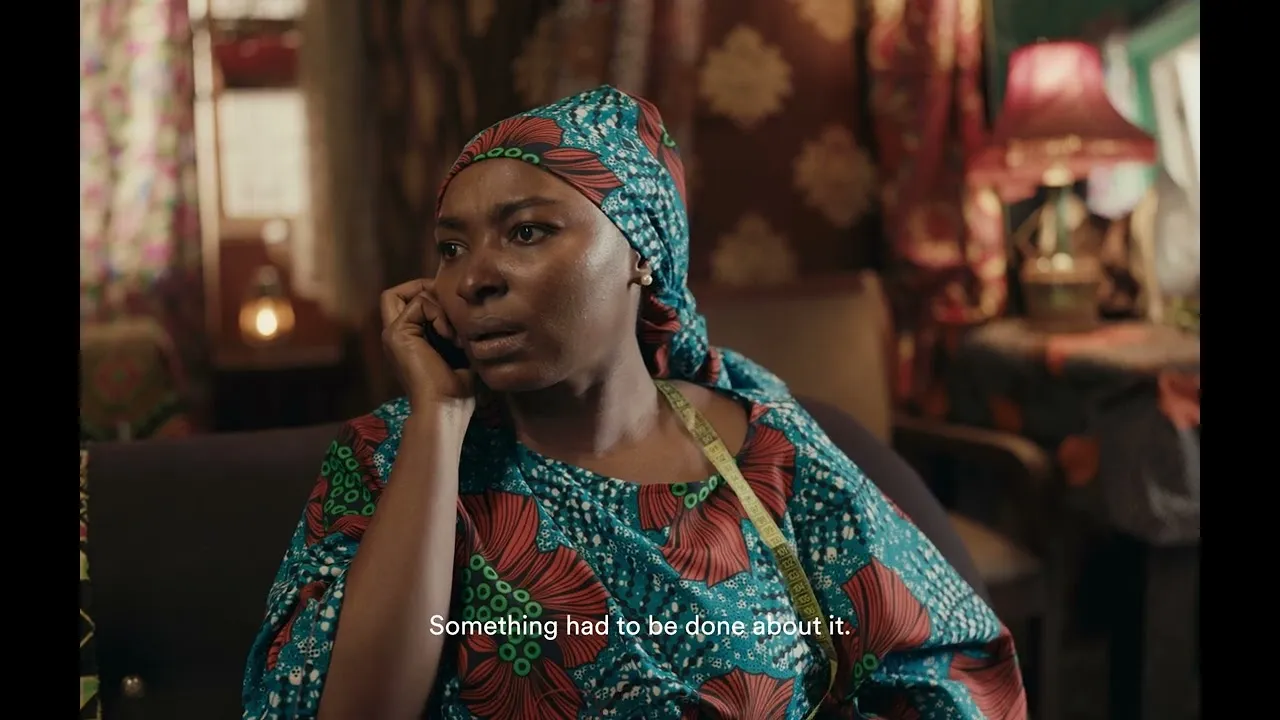
The ban serves as the film’s tipping point. It triggers a chain reaction that touches everyone, from ambitious young professionals in their slick offices to those living in Lagos’ dirty streets. As the characters’ lives intersect—sometimes by luck, by necessity—the film provides a raw and layered look at a city where survival often depends on the decisions of others. Each story thread illustrates a distinct facet of Lagos, creating a mosaic of individual struggles against systemic dysfunction.
The film is divided into chapters inspired by the Lord’s Prayer, such as “Give Us Our Daily Bread” and “Deliver Us From Evil.” This unique framing mechanism adds a meditative layer to the narrative, asking viewers to reflect on themes of forgiveness, faith, and endurance in the face of adversity. As the characters grapple with choices that test their humanity, these chapter names emphasize their journey’s spiritual and moral aspects.
While this structure is ambitious and conceptually rich, it occasionally feels divorced from the core narrative. Certain chapters hint at deeper investigations of faith and deliverance. Still, they don’t always fit in with the fast-paced, intertwined storylines.
To heighten the stakes, Freedom Way employs dramatization and a series of coincidences that force its characters into more desperate situations. A crooked police officer’s extortion leads to a life-threatening delay; a moment of generosity connects two storylines, and a seemingly unrelated event sets off a sequence of irreversible decisions.
While these turns may defy logic, they highlight the film’s emotional core. The heightened drama forces the characters—and viewers—to confront the brutal reality of life in Lagos, where survival frequently feels like a game of chance. Although certain moments feel too tightly stitched together, this strategy gives the film a throbbing energy. It’s a narrative move that may divide viewers, but it undoubtedly heightens the story’s tension and urgency.
Reflecting a Society in Flux
Freedom Way is a scathing examination of corruption, economic inequality, and structural injustice at its heart. These themes permeate every layer of the story, demonstrating how deeply rooted dysfunctions spread throughout society and influence everyone from the working poor to aspiring entrepreneurs. The film does not shy away from exposing the disastrous impact of bad governance: the unexpected motorbike ban, for example, disrupts livelihoods overnight, exposing the fragility of life for Lagos’ most disadvantaged.
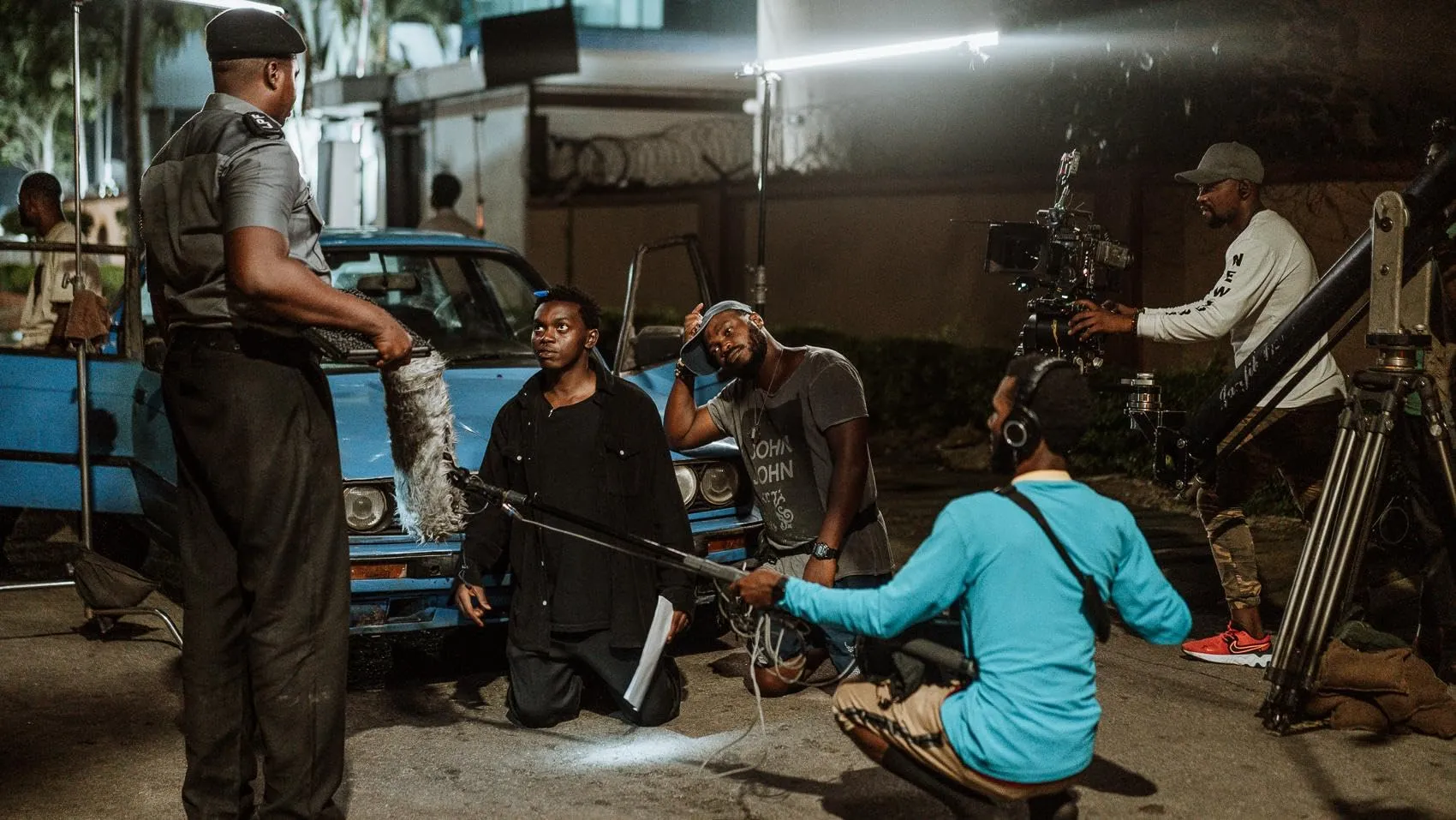
The characters are caught up in a system that forces them to make unthinkable choices. The family man and motorcyclist Abiola finds himself divided between survival and the moral cost of his decisions. Themba and Tayo, on the other hand, are technology entrepreneurs attempting to navigate a corrupt bureaucracy while remaining true to their dreams. Their struggles reflect the universal tension between ambition and the realities of a flawed system in which integrity frequently feels like a luxury no one can afford.
The film thrives on contrasts, notably those between the lives of the rich and the underprivileged. Themba and Tayo work from modern, glass-walled offices representing potential and growth. On the other hand, Abiola hustles on Lagos’ dirt streets, waging daily fights just to provide for his family. This sharp contrast highlights the growing disparity between privilege and struggle, which defines life in many urban centers.
Symbolism also runs deep. Eddie’s desperate sprint inside a burning building to save his passport is one of the most memorable scenes. It’s more than just a dramatic moment; it’s a strong metaphor for the extent people will go to get out of an oppressive system. These minor but significant moments add layers to the film, giving viewers much to reflect on long after the credits roll.
Freedom Way avoids heavy-handed storytelling. Instead of preaching remedies, it exposes the system’s flaws via its characters’ experiences. When the motorbike ban is implemented, we don’t hear comments about unfairness; instead, we witness aerial footage of okada riders demonstrating and clashing with police, depicting frustration and desperation.
Another memorable moment is the hospital sequence. A missing police record prevents medical assistance when a life is in the balance. The absurdity of this bureaucratic hurdle reveals underlying problems in Nigerian society. It’s a scene that feels Kafka-esque, capturing the hopelessness of ordinary people caught in a labyrinth of red tape and corruption.
By showing rather than telling, the film encourages viewers to empathize with the characters and their struggles. It forces us to grapple with the moral and systemic quandaries that define life in Lagos rather than handing us simple solutions.
Humanity Amid Chaos
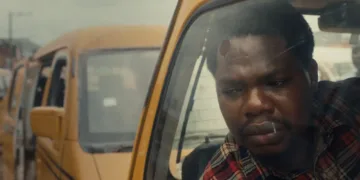
The characters in Freedom Manner are at the heart of the story, each navigating the chaos of Lagos in their own manner. Abiola, a motorcyclist whose story serves as the emotional anchor for the film, is at its center. He starts as a devoted family man, working tirelessly to provide for his wife Funke and their small daughter.
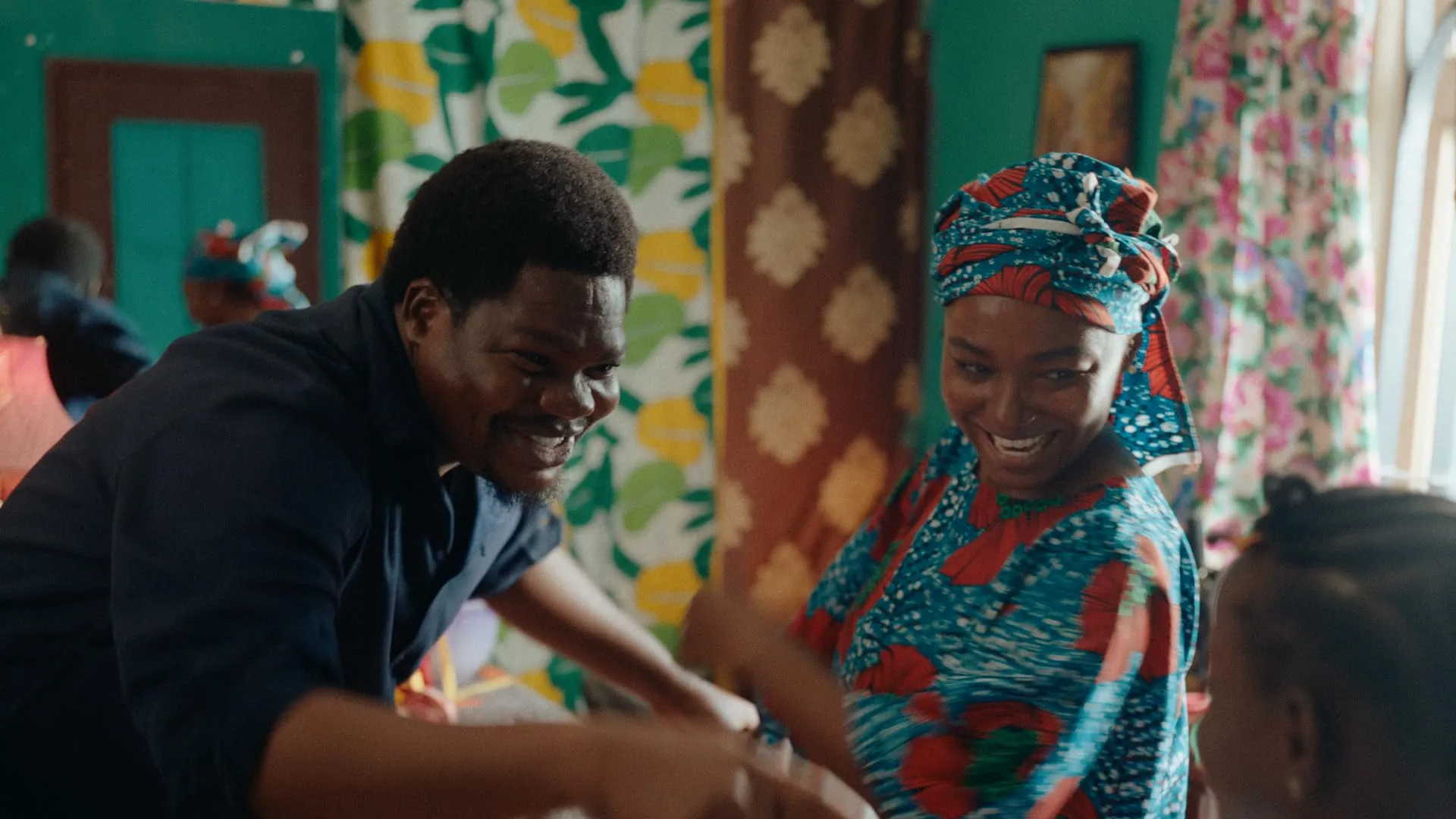
However, when the weight of unfairness in the art system presses down on him, desperation begins to dictate his choices. His journey is one of survival, but it is also a study of how far someone will go when confronted with a difficult situation.
In contrast, Themba and Tayo, the digital entrepreneurs behind the ride-share app Easy Go, represent two sides of the same coin. Both deal with the challenges of doing business in a challenging environment, but their perspectives are opposed. Themba, the optimist, finds opportunities in the face of adversity. At the same time, Tayo’s skepticism reflects a more hardened view of Nigeria’s systemic challenges. Their dynamic reflects privilege, resilience, and the various ways people respond to the same dysfunctional system.
Adebowale Adedayo gives an outstanding portrayal of Abiola, capturing the character’s spiral into fear, frustration, and hopelessness with extraordinary depth. His facial expressions and body language speak much, making Abiola’s struggles appear real. Meg Otanwa’s performance as Funke creates a wonderful counterpoint with her quiet power, symbolizing the resilience of a woman holding her family together in the face of rising strain.
Officer Ajayi, played by Femi Jacobs, steals scenes by combining threat with a dark, almost comic edge that makes his corrupt character distinctive. Meanwhile, Themba and Tayo, Jesse Suntele, and Mike Afolarin add a grounded realism to their performances. Their modest performances allow the spectator to experience Nigeria’s challenges through different lenses, creating a balance that connects the film on numerous levels.
The cast imbues Freedom Way with humanity, making each struggle and accomplishment feel personal and genuinely sympathetic.
A Confident Vision Behind the Lens
With Freedom Way, Afolabi Olalekan establishes himself as a director with a bold and ambitious voice. Balancing many storylines is no easy task. Still, Olalekan manages to weave the film’s crossing plots into a seamless whole. His direction feels confident, guiding viewers through Lagos’ chaos without losing sight of the human tales at its center. Even though the film covers difficult themes like corruption and systematic inequity, each character’s journey is allowed room to breathe.
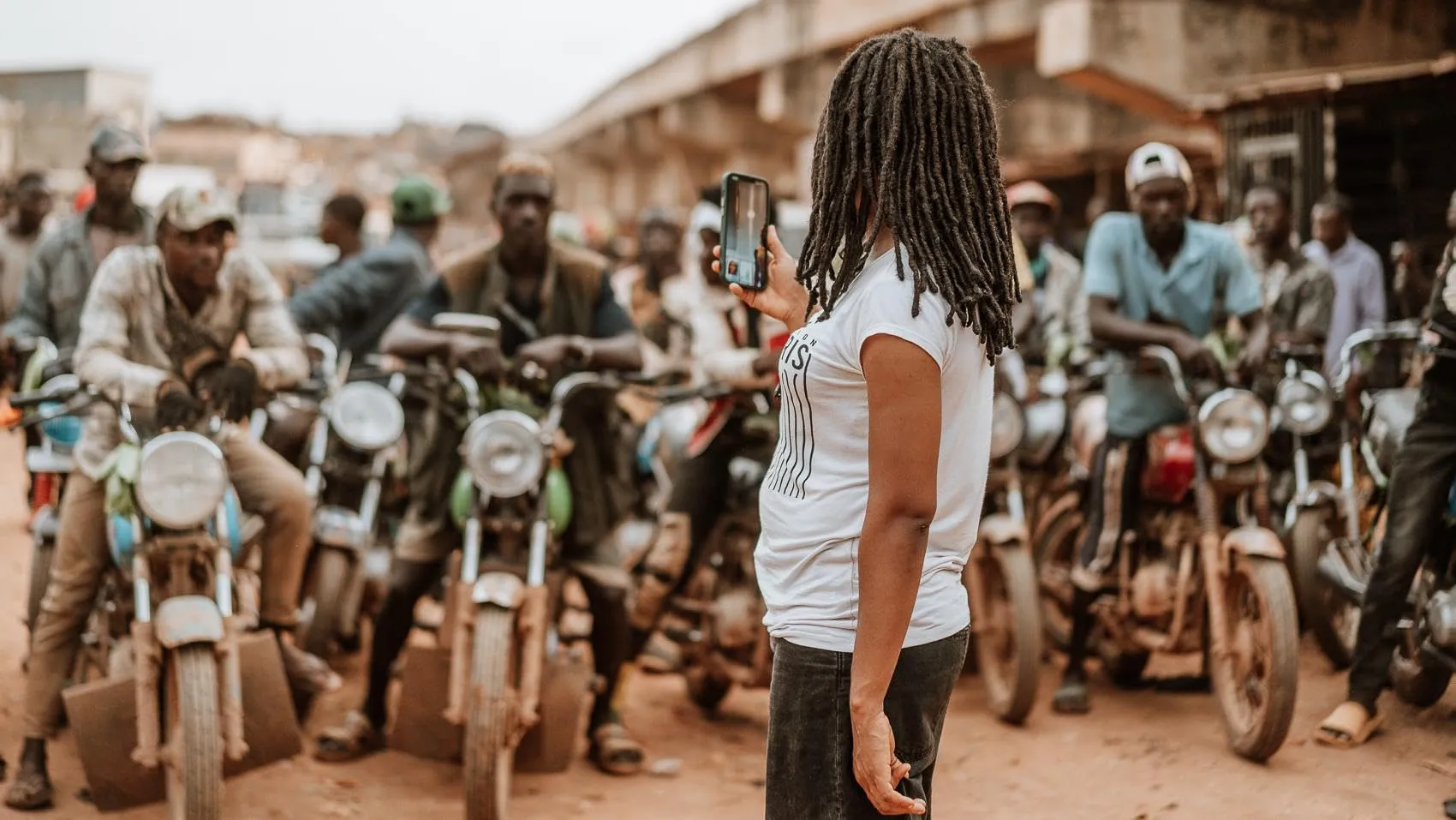
Olalekan’s ability to keep a steady pace while managing so many moving pieces is astounding. He maintains strong energy and clear stakes while engaging the audience in new ways. His direction ensures that the film is riveting from start to finish, from tension-filled clashes to quieter, reflective moments.
Freedom Way is visually stunning. The cinematography plays a significant role in enhancing the film’s themes, with the camera continually moving to reflect the urgency and chaos of life in Lagos. Wide shots show the huge city in all of its complexity. At the same time, intimate close-ups transport us to the characters’ emotions. This dynamic visual approach draws viewers into the story’s world, making each moment feel urgent and alive.
However, the film’s pacing has flaws. Some subplots feel underdeveloped, depriving particular characters and storylines of the depth they deserve. Sometimes, the narrative lingers too long on less significant moments, slowing the film’s pace. A tighter edit may have sharpened the focus, simplifying the story while maintaining its ambition. Despite these minor flaws, Freedom Way shows Olalekan’s potential as a film director who can tackle complicated themes with style and substance.
Final Thoughts on Freedom Way
Freedom Way stands out as a visually stunning and conceptually deep debut that delves headfirst into the complexities of life in Lagos. Its power lies in combining human struggles with wider societal issues, creating an intimate and universal story. The film’s dynamic visual style, supported by earthy tones and continual motion, brings Lagos’ chaos and vibrancy to life. Strong performances, particularly Adebowale Adedayo’s as Abiola, give the story emotional weight and make the characters feel genuine.
That being said, the film is not without flaws. Some plot twists push the audience’s ability to believe, and the pacing occasionally lags, with particular subplots feeling hurried or underdeveloped. However, these flaws do not overwhelm the film’s ambition or the power of its fundamental message.
Freedom Way is a key place in contemporary Nigerian cinema as a bold condemnation of corruption and systematic inequity. It does more than just tell a story; it reflects society, exposing the consequences of poor governance while celebrating its people’s resilience.
Afolabi Olalekan’s assured direction and Blessing Uzzi’s smart writing distinguish them as talents to watch. Together, they’ve created an urgent and contemporary film that points to a bright future for Nigerian storytelling worldwide.
The Review
Freedom Way
Freedom Way is a bold and ambitious debut that portrays Lagos' chaotic vibrancy while addressing major societal concerns like corruption, inequality, and survival. With magnificent graphics, heartfelt acting, and rich storytelling, the film paints a powerful picture of interconnected lives shaped by societal failures. While the pacing and minor implausibilities keep it from being faultless, the emotional depth and thematic richness have a lasting effect. It is an important contribution to Nigerian cinema and a testament to Afolabi Olalekan and Blessing Uzzi's talents.
PROS
- The film explores corruption, socioeconomic struggles, and systemic injustice with nuance and depth.
- Adebowale Adedayo shines as Abiola, supported by memorable portrayals from Meg Otanwa, Femi Jacobs, and others.
- The cinematography captures the energy and chaos of Lagos with stunning imagery and a warm, earthy palette.
- The interwoven storylines create a rich and textured portrayal of life in Lagos.
CONS
- Some subplots feel rushed, while others drag, making the flow inconsistent at times.
- Certain coincidences and melodramatic moments strain believability.