
























![Kingdom Hearts Collection [I-III] Review](https://gazettely.com/wp-content/uploads/2026/10/Kingdom-Hearts-Collection-I-III-1-360x180.webp "Kingdom Hearts Collection [I-III] Review: KHII Holds Steady as Newer Entries Fluctuate 37")




The Doha Film Festival has set an international competition slate that places Palestinian stories and regional filmmakers at the center of its inaugural edition, unveiling a group led by titles from Gaza alongside selections from across Europe, Asia, and the Americas. Organizers confirmed the event will run November 20–28 in venues including Katara Cultural Village and Msheireb Downtown Doha, with juried competitions spanning features and shorts. The lineup arrives as the festival positions itself as a new hub in the Gulf for premieres and awards-season discovery, while drawing on the Doha Film Institute’s decade of artist support programs and co-financing activity.
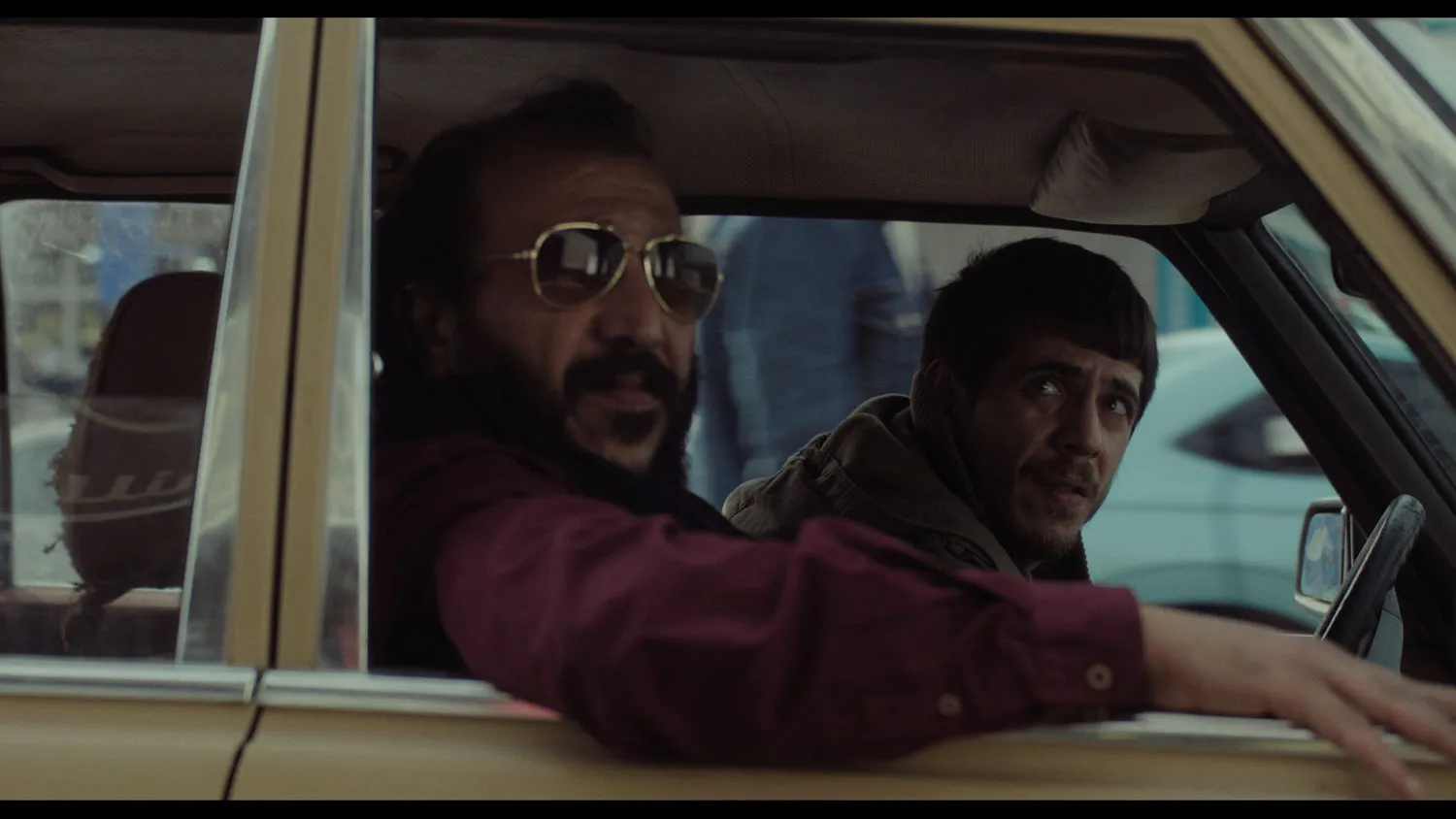
Programming highlights include Once Upon a Time in Gaza from twin directors Tarzan and Arab Nasser, joining the competition after a Cannes bow earlier this year that sharpened attention on the film’s portrait of life under siege. The festival will open with Kaouther Ben Hania’s The Voice of Hind Rajab, continuing a thematic through line that foregrounds Gaza’s recent history and its human toll. Industry observers note that the concentration of Palestinian work reflects both current events and long-standing DFI backing for Arab storytellers seeking international circulation.
Organizers say the international feature competition comprises 13 films, with selections designed to balance first- and second-time directors against established names. Beyond the headline titles, the festival emphasizes discovery, with programmers signalling a preference for formally adventurous works and films rooted in lived experience. Festival communications frame the approach as a response to audience appetite for politically alert cinema, while keeping space for genre, personal essay, and hybrid documentaries.
The event marks a scaled-up festival initiative for Doha, which has hosted industry labs, grants, and youth juries under the DFI banner and now consolidates those activities under a single public-facing platform. With a late-November slot and multiple downtown venues, the festival is courting regional attendance and international press, suggesting a pipeline for Arab films to build momentum heading into winter releases and year-end accolades. Trade coverage describes the competition reveal as a bid to anchor the festival’s identity around urgent regional narratives presented within a global frame.







