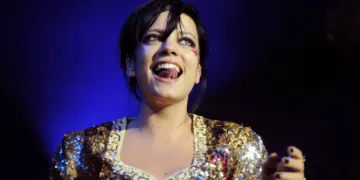
























Lily Allen says her ex-husband David Harbour breached agreed-upon limits during their open marriage, a claim she threads through lyrics on her new album West End Girl and reiterated in a recent interview. On the track “Tennis,” Allen describes an “arrangement” to “be discreet” and keep encounters impersonal, before alluding to messages from a woman named Madeline. She characterizes the album as emotionally truthful yet partly fictionalized, positioning it as a way to process the end of the four-year union. Harbour has not publicly addressed the specific allegations.
The remarks arrive alongside a broader public accounting of a difficult year. Allen has discussed seeking treatment, managing sobriety, and navigating midlife dating after the separation, saying the experience left her wrestling with shame and detachment. She told one outlet the record was written quickly in December 2024 as events escalated, then refined for release on October 24, 2025. In long-form profiles, she frames the songs as “autofiction,” acknowledging artistry in the storytelling while maintaining that the emotions are real.
Coverage has focused on two songs that reference “Madeline,” with listeners parsing whether Allen is documenting a breach of rules they had set together. Elsewhere, she has spoken about co-parenting her two daughters from a previous marriage and whether Harbour will remain part of their lives, indicating she wants stability around her children while she rebuilds routines. Meanwhile, Harbour has described the split only in general terms this year, offering no substantive response to the new claims tied to the album’s release.
West End Girl has been received as a comeback after a seven-year gap between LPs, with early reviews noting its blunt storytelling and the tension between catchy production and bleak subject matter. Allen’s comments about boundaries and consent within non-monogamy have also sparked debate about how celebrity couples discuss private agreements once a relationship ends—especially when one party turns the experience into art during an album cycle tied to fresh media attention.