















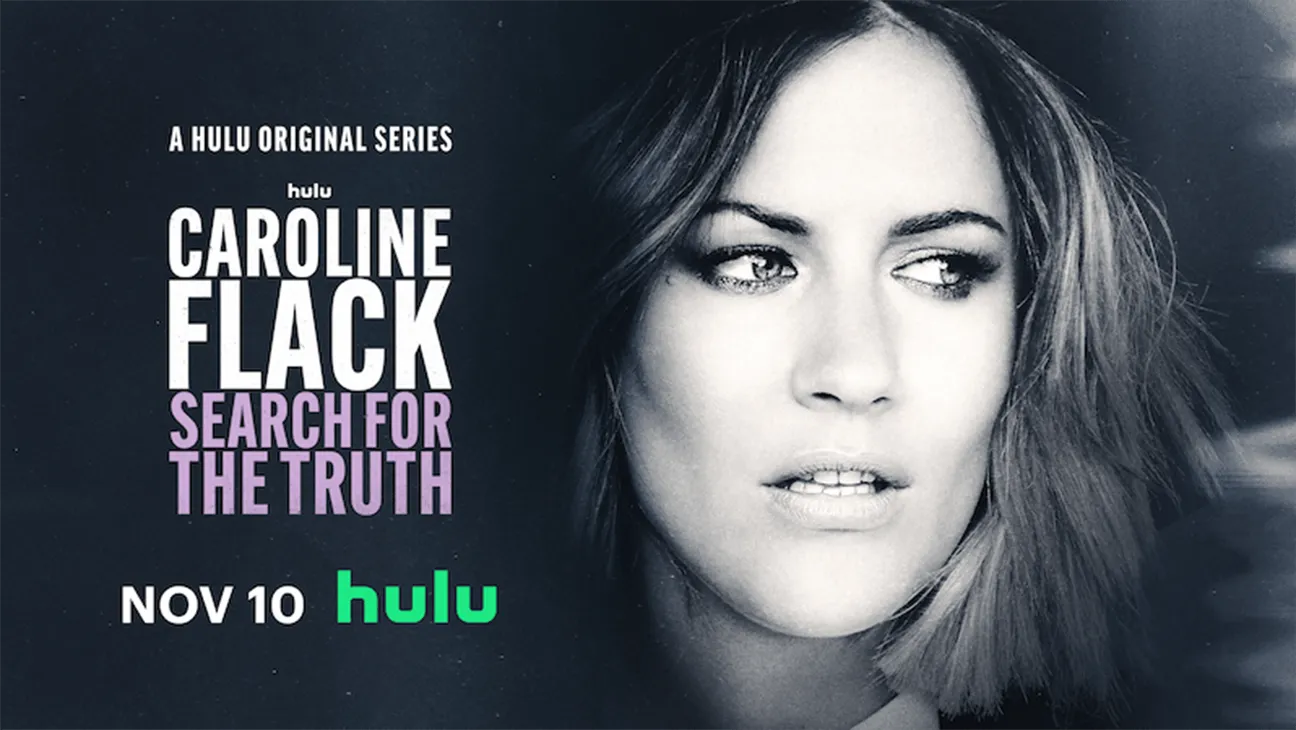

Caroline Flack was a fixture of British television with an energy that read immediately on screen. Viewers knew her for her easy charm on Love Island UK, for winning Strictly Come Dancing, and for her presence on The X Factor. Her career moved with momentum. Her death by suicide in February 2020 still feels abrupt and wounding to both the industry and the public. The two-part follow-up documentary, Caroline Flack: Search for the Truth, narrows its scope from the 2021 film Caroline Flack: Her Life and Death.
The new series builds its structure around December 2019, when Flack was arrested and charged with assaulting her boyfriend, Lewis Burton. The central driver comes from her mother, Christine Flack, who begins a sustained effort to clear her daughter’s name. The series frames a direct question: did celebrity status shape decisions in the criminal process and intensify the pressure of public scrutiny?
The Case Against the Narrative
The filmmaking organizes itself as a methodical inquiry into a public scandal. Christine Flack functions as the engine of the story, steady and persistent, assembling years of material to challenge what had become the standard account. Her argument stays precise: her daughter was in a mental health crisis. From the outset the series maps a split between private facts and the version that circulated.
A former chief prosecutor for the Crown Prosecution Service chose not to pursue a charge. A Metropolitan Police detective filed an unusual appeal that overturned that decision, which becomes the first major hinge point in the show’s structure.
The film then picks apart specific claims that shaped headlines. Caroline acknowledged striking Burton with her phone after seeing messages that raised suspicion. The court record and press leaned toward a more violent picture that featured a lamp. The program isolates a widely shared bedroom photograph labeled “blood-soaked,” which implied severe injury to Burton.
The evidence places that blood as Caroline’s, stemming from severe self-inflicted injuries that led to hospital treatment. Former CPS chief prosecutor Nazir Afzal appears as a reflective voice. After reviewing Christine’s material, he retracts his prior defense of the prosecution decision and states that a police caution would have been the maximum appropriate response. The family’s argument about escalation gains formal acknowledgment through that shift.
The Weight of Public Opinion
The series shows how legal exposure and media attention can combine into sustained psychological pressure. It reminds viewers of Flack’s existing fragility, already established in the earlier film. That vulnerability entered a news cycle that amplified any damaging angle. The lamp story kept circulating. A mocking Valentine’s card caricature set a tone that encouraged cruelty. Public silence, guided by advice from her agent, removed the chance to rebut false claims and allowed a harsher narrative to calcify.

The impending trial gathers tension across the episodes, anchored to the possible release of police body-cam footage. The footage captures Flack in a state of extreme distress and intoxication, and the threat of its public circulation becomes an instrument of humiliation within the story. The filmmakers thread in texts and voice notes that place viewers inside her anxious headspace.
One scene notes friends who hesitate to take her to a hospital after an overdose because they fear the attention that would follow. Care becomes a calculation about headlines, which the documentary presents as a stark measure of the pressure surrounding her. The series states that institutional actions and the media storm formed significant factors in the path toward her death, and it cites the coroner’s inquiry findings as support for that claim.
An Authentic, Forensic Style
Search for the Truth builds credibility through process. The filmmaking adopts a restrained, forensic tone that avoids lurid effect. The structure rests on a large archive collected by Christine Flack over five years. The team spends time inside that archive, and the arguments proceed from what the documents can support.
Testimony, home recordings of Caroline in visible distress, and family accounts provide the emotional core. The candid material from the family includes admissions of misjudgment, which gives the program a plainspoken quality.
The production design of the narrative stays tight. The series resembles a legal brief that argues one side. Key figures do not appear, which the program acknowledges. Lewis Burton declines to participate, and the reconstruction of events relies on informed secondary voices.
The closing passages place formal statements from the Metropolitan Police and the CPS. Those statements maintain that the decisions taken were sound and that celebrity status did not influence the case. The refusal to concede error ties back to the project’s larger theme about institutional accountability and the cost of sustained public exposure.
The two-part documentary series, Caroline Flack: Search for the Truth, premiered on November 10, 2025, and is available to watch on Disney+ internationally and Hulu in the United States. The series is a follow-up to the 2021 documentary, Caroline Flack: Her Life and Death, and concentrates on the events in the months leading up to the British television host’s death by suicide in February 2020. Driven by her mother, Christine Flack, the documentary investigates the circumstances, pressures, and institutional decisions surrounding the assault charge brought against Caroline Flack in late 2019, aiming to reveal the truth about her final days.
Credits
Title: Caroline Flack: Search for the Truth
Distributor: Disney+ (International), Hulu (US)
Release Date: November 10, 2025
Rating: TV-MA
Director: Christian Collerton
Producers and Executive Producers: Sophie Clayton-Payne (Series Producer), Dov Freedman, Charlie Russell, Jessie Versluys, Gaby Aung, Sean Doyle (Commissioning Executive)
Cast: Christine Flack, Caroline Flack (archive footage), Mollie Grosberg, Louisa Booth, Nazir Afzal, Paul Martin, Lizzie Flack
The Review
Caroline Flack: Search for the Truth
Caroline Flack: Search for the Truth is an essential, if difficult, piece of context-driven storytelling. Driven by a mother’s unflinching pursuit of accountability, the documentary systematically dismantles the public narrative surrounding Flack’s final months. It functions as a meticulous indictment of institutional failings and a mercenary media, powerfully arguing that systemic pressure and public cruelty contributed to a preventable tragedy. It is a necessary, emotionally powerful examination of celebrity, mental health, and the price of public scrutiny.
PROS
- Meticulous use of documentary evidence, police reports, and official documents to challenge the public record.
- Driven by Christine Flack's resolute, authentic, and vulnerable perspective.
- Successfully argues that institutional failings (CPS, police) and media sensationalism were significant contributing factors to her death.
CONS
- Key participants (Lewis Burton, ITV) declined to participate, limiting the scope of testimony.
- The subject matter, including raw family footage and details of mental distress, is inherently painful and difficult to watch.
- Concluding responses from the police and CPS maintain their original positions, which may frustrate viewers seeking true acknowledgment of error.