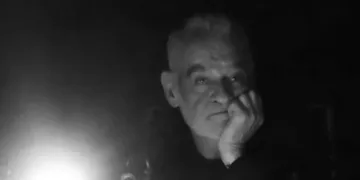





















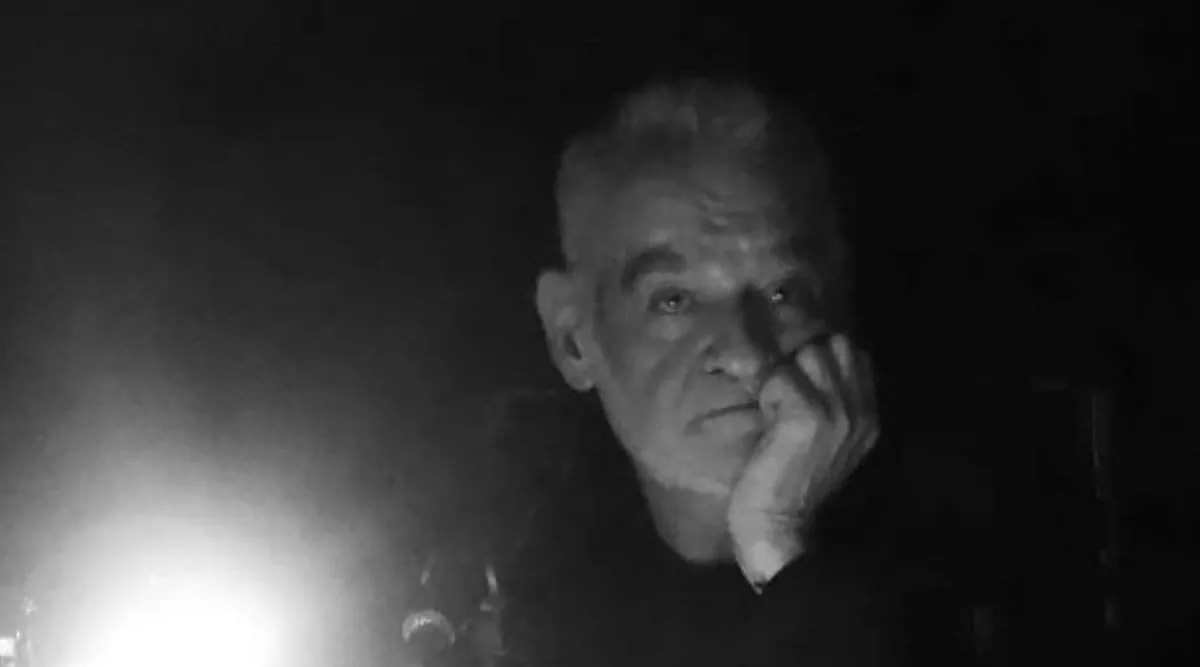

Hungarian filmmaker Béla Tarr, whose austerely staged dramas and marathon runtimes made him a defining figure in European art cinema, died Tuesday at 70, according to the Hungarian Filmmakers’ Association. In a statement, the group said he died “after a long and serious illness.” Tarr’s family asked the press and public not to seek comment during “these difficult days,” the association said.
Tarr directed nine features, starting with the realist drama Family Nest in 1979 and ending with The Turin Horse in 2011, which won the Silver Bear Grand Jury Prize at the Berlin film festival. His best-known works include the seven-plus-hour Sátántangó and Werckmeister Harmonies, films built from long takes, stark black-and-white photography and a deliberate tempo that tests attention while rewarding it with accumulating detail.
That reputation for severity sometimes obscured how he saw his own work. In a 2024 interview, Tarr rejected the idea that his films were simply exercises in gloom. “My opinion is that we were doing comedies. You can laugh a lot,” he said, arguing that the measure was what viewers felt leaving the cinema: “I want you to be stronger.”
His career tightened around close collaborations, including with writer László Krasznahorkai, who won the 2025 Nobel Prize in Literature, and with editor and later credited co-director Ágnes Hranitzky. Filmmakers such as Gus Van Sant cited Tarr’s influence, and his teaching became a major part of his later years through film.factory, the international school he founded in Sarajevo in 2013.
Tarr also spoke bluntly about politics and cultural policy in Hungary, where he criticized Prime Minister Viktor Orbán’s government and backed student protests over control of arts institutions in 2020. Mike Downey, a producer and then-chair of the European Film Academy, called Tarr “one of its real heroes,” saying his films remain “incredibly relevant” and “potent.”