





















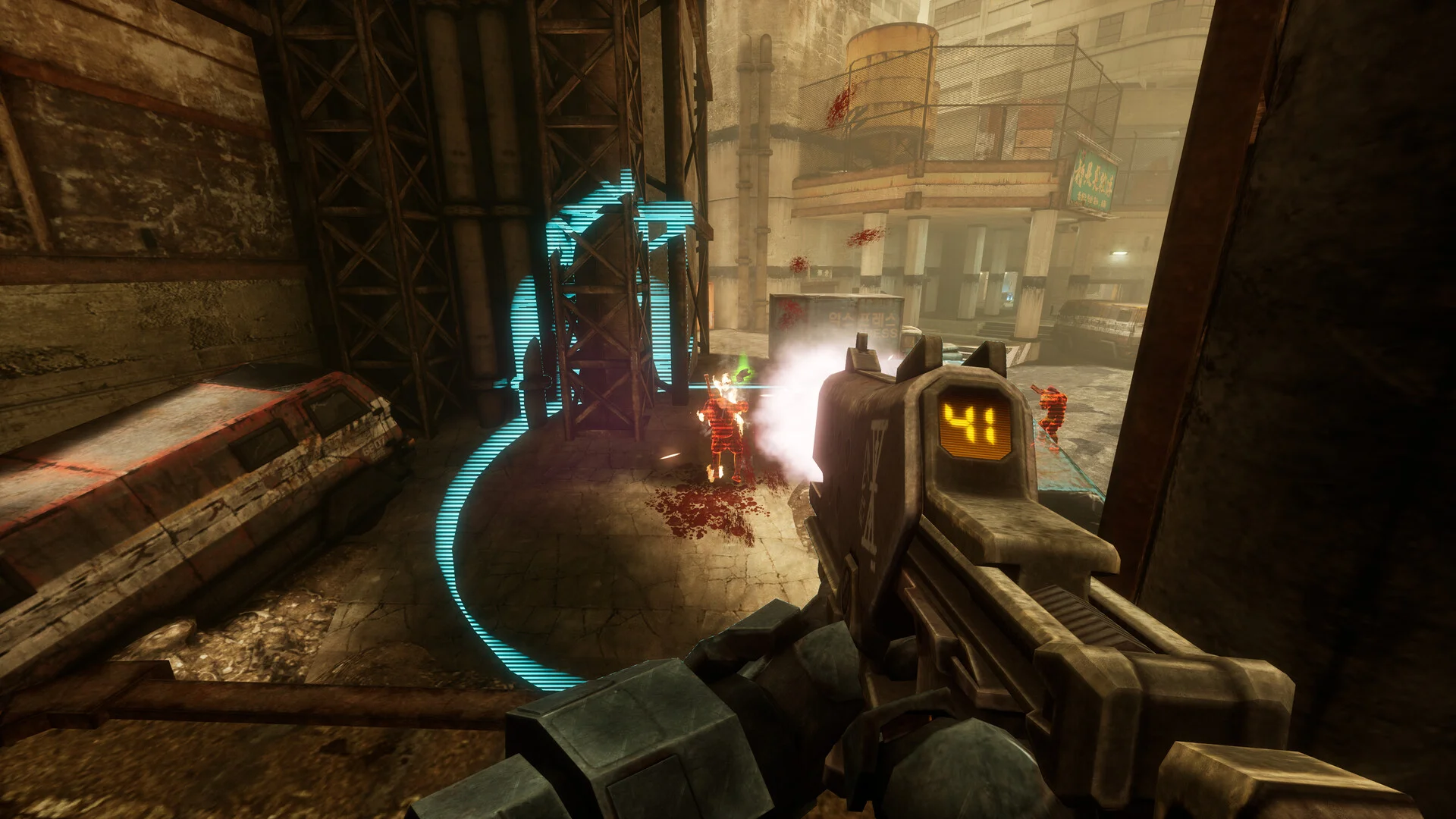

The original SPRAWL built much of its identity around movement. Wall-running, vertical arenas, and aggressive traversal made its combat feel like a meeting point between a boomer shooter and a parkour game. SPRAWL zero takes a noticeable step away from that formula. FIVE, its cybernetically enhanced protagonist, is less interested in flying through environments than tearing them apart with whatever happens to be within reach.
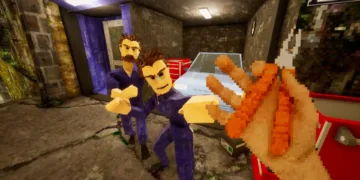
That distinction matters because this prequel could easily have repeated what worked in MAETH’s 2023 game. Instead, it looks further into the FPS family tree. F.E.A.R. supplies the bullet time, Half-Life 2 can be felt in the gravity manipulation, and Halo hangs over both its chunky weapon design and occasional melee excess. The early-2000s influence extends to the presentation, with intentionally degraded textures, brutalist architecture, rain-soaked rooftops, and cyberpunk imagery that frequently recalls Ghost in the Shell.
FIVE works for the authoritarian Junta and is sent after Silas, leader of the techno-religious IMAGO-DEI. The setup gives the campaign a direct objective while placing returning players in an interesting position. Anyone familiar with the first SPRAWL already knows enough about the Junta to distrust the organization employing FIVE, so even straightforward mission briefings carry a little dramatic irony.
Empty the Gun, Throw the Gun
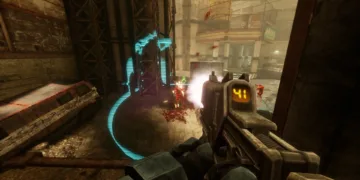
The weapon system is where SPRAWL zero separates itself most clearly from both its predecessor and its influences. FIVE can carry a single firearm, and each weapon arrives with a finite magazine. There are no piles of ammunition inviting you to keep a favorite rifle for half a level.
Once those rounds are spent, the weapon becomes another object in the combat sandbox. You can throw the empty gun into an enemy to stagger them, use FIVE’s gravity arm to pull another weapon across the room, then resume firing almost immediately.
A typical firefight might involve unloading an assault rifle into one soldier, throwing the empty weapon into another, pulling that enemy’s shotgun into your hand, and firing before they have recovered. The loop rewards momentum rather than attachment. With over 40 weapons circulating through encounters, that restriction becomes a strength.
The rarity system helps repeated weapon models stay interesting. A familiar pistol can appear at a higher tier with different firing behaviour, while later encounters introduce grenade launchers, miniguns, elemental firearms, and heavier melee options. The gravity-hammer-like weapon is wonderfully excessive. The katana lets FIVE deflect bullets while closing distance. Even discarded equipment remains useful because almost anything can become ammunition for the gravity arm.
FIVE’s Reaper Core abilities deepen that rhythm. Bullet time gives you enough space to pick apart crowded encounters, while the defensive field catches incoming fire and sends it back toward enemies. Gravity manipulation handles guns, explosive barrels, grenades, and eventually enemies themselves. Once that final upgrade arrives, carefully balanced combat gives way to the simple pleasure of launching a soldier into a wall. The individual ideas are familiar. Their interaction is where the game finds its personality.
Concrete Everywhere
The campaign spans 11 levels, and its strongest stages understand that combat this fast needs spaces players can read quickly. Rooftops, industrial interiors, urban districts, toxic zones, and later Y2K-styled environments give FIVE different kinds of arenas to tear through. Some missions introduce hazards that continuously drain health, while others temporarily remove secondary abilities and force greater reliance on conventional weapons.
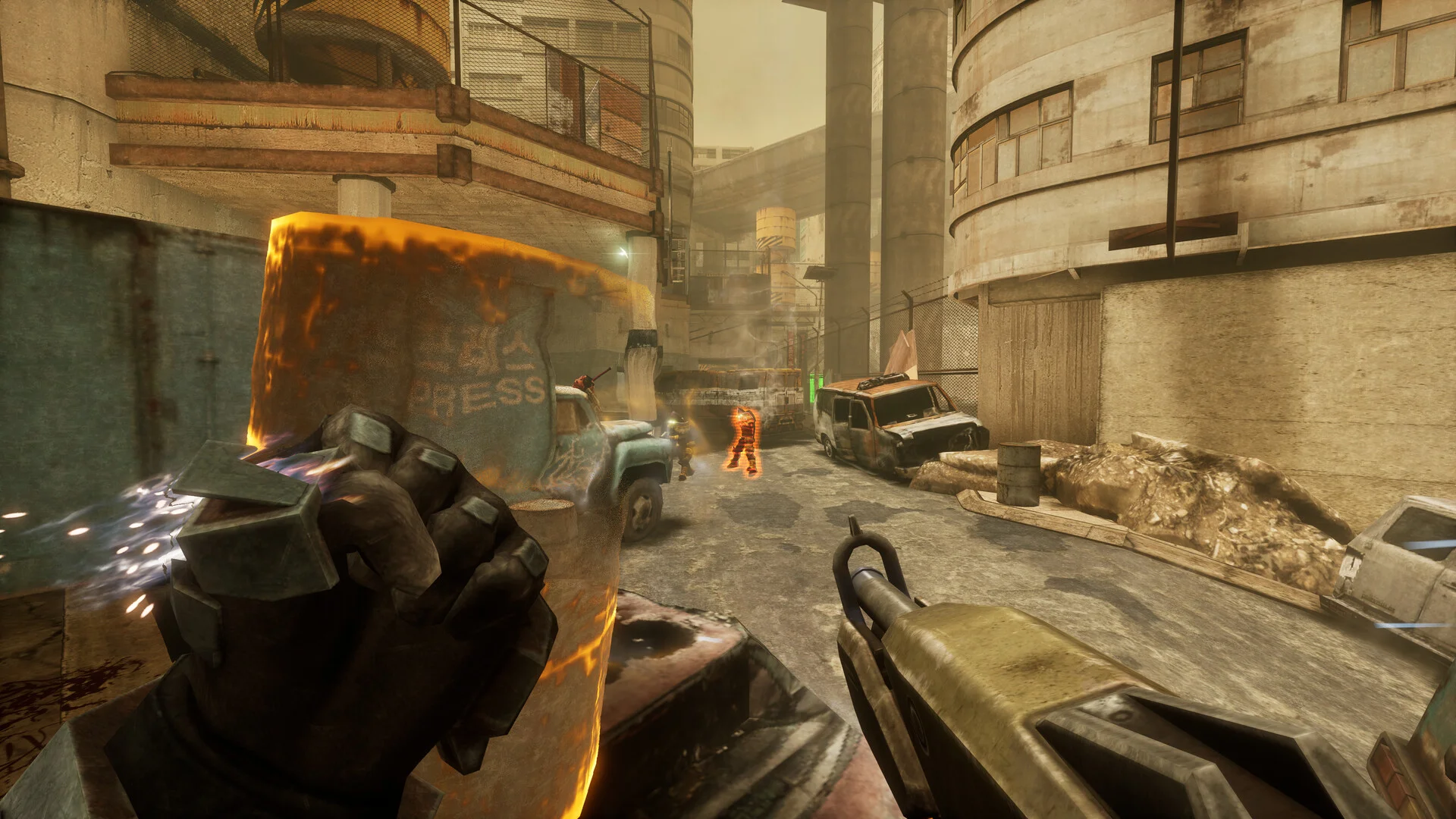
Enemy escalation helps. Standard soldiers eventually share arenas with assassins, machines, aircraft, and tougher enemies first treated like bosses before appearing as regular opposition. The game keeps increasing pressure without requiring a radically different combat system every few hours. Navigation is less consistent.
Many sections lean heavily on concrete megastructures, narrow corridors, and similar industrial surfaces. When multiple routes share the same visual language, finding the next objective can become unnecessarily difficult. Backtracking hurts most because the weapon system encourages forward momentum. Few things puncture the pleasure of chaining kills like realizing you have sprinted back into the room you cleared five minutes earlier.
The story occasionally suffers from the same density. The conflict between the militarized Junta and the religious IMAGO-DEI is easy enough to grasp, and Silas has presence when he frames himself as an instrument of divine purpose. Datapads and environmental details fill in the Sprawl’s history, but pieces of that lore can disappear beneath firefights that rarely give the player much reason to stop.
Built for Another Run
Where SPRAWL asked players to master movement, SPRAWL zero asks them to master improvisation. That change gives the prequel a clear reason to exist beside the original rather than beneath it. The roughly six-to-ten-hour campaign suits that philosophy. There are no sprawling side activities interrupting the shooting, and the structure feels closer to the FPS campaigns that inspired it. Techno-heavy music reinforces the period influence, while slowed gunshots and impacts during bullet time give its busiest encounters extra texture.
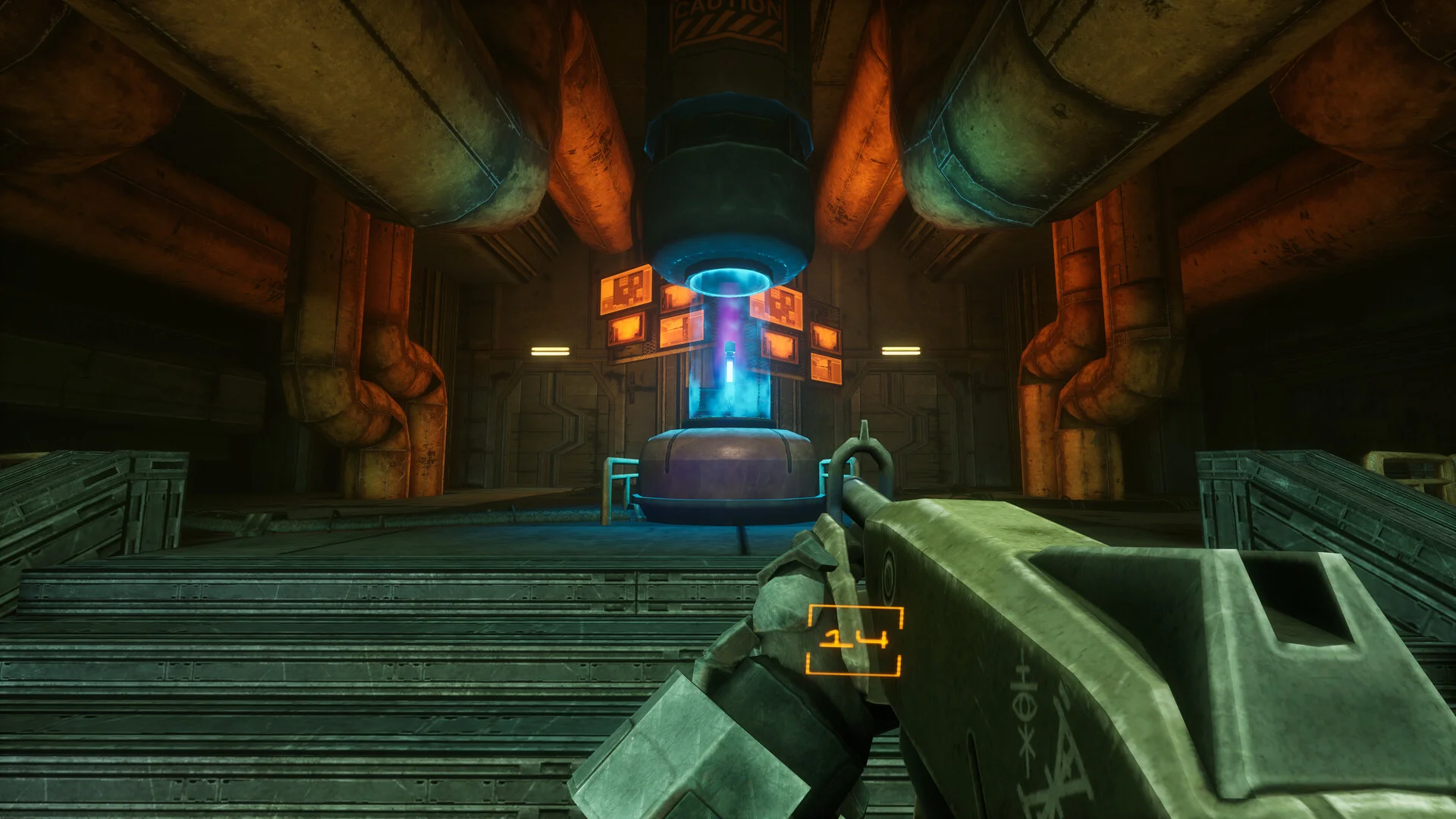
Replay systems push the mechanics further. New Game+ carries abilities forward while changing enemy placement and increasing resistance. Challenge modifiers provide sillier variations, including Big Head mode, while unlocks can make powerful abilities available far earlier than they were during the first run. Returning to the opening levels with the upgraded gravity arm changes familiar fights immediately because enemies who once required careful weapon management can now be hurled across the room.
That is the comparison that matters most for returning players. SPRAWL zero gives up some of the movement freedom that defined its predecessor, yet it replaces that freedom with a stronger emphasis on weapon rotation, physics, and improvisation. It feels related to SPRAWL without behaving like an expansion of it, which is exactly what a prequel with its own mechanical identity should accomplish.
The Review
SPRAWL zero
SPRAWL zero trades the original game’s parkour-heavy identity for a combat loop built around disposable guns, gravity manipulation, and constant improvisation. Emptying a weapon, throwing it at one enemy, then pulling another gun into FIVE’s hand gives firefights a rhythm few shooters manage. Its concrete-heavy stages can blur together, and backtracking occasionally works against that momentum. Still, the 40-plus weapons, Reaper Core abilities, New Game+, and challenge modifiers give this prequel enough mechanical character to stand beside the shooters that inspired it.
PROS
- Excellent disposable-weapon combat loop
- Huge, varied arsenal
- Satisfying gravity abilities
- Strong Y2K cyberpunk aesthetic
- Meaningful replay options
CONS
- Repetitive environmental design
- Occasional frustrating backtracking
- Lore can be difficult to follow
- Some stages lack clear direction