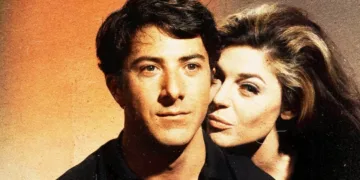













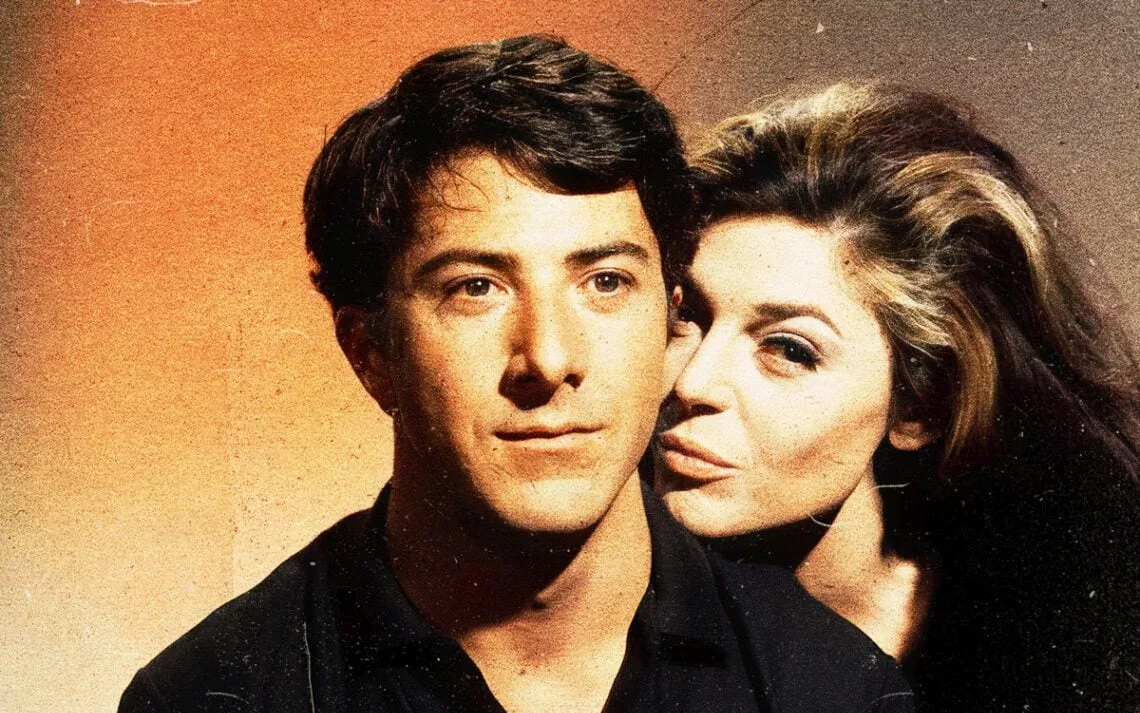

Dustin Hoffman writes in a new memoir that making The Graduate was a “terrible experience” that left him fearing he would be fired. He puts much of the blame on director Mike Nichols. In an excerpt published Saturday by The New Yorker from Look at Me, Hoffman, 89, says Nichols was warm and encouraging in rehearsals but changed once cameras rolled. The shift felt shocking and destabilizing, he writes, and he sensed constant anger from the director. Hoffman says he believed Nichols had realized he miscast the lead.
Hoffman recounts specific hardships on the 1967 film. For one scene, he says, Nichols had Katharine Ross slap him through 27 takes and kept urging her to hit harder. Hoffman writes that Nichols was irritable with everyone but that “a certain sadism seemed to creep in” with him, and that he eventually saw a doctor. In the scuba-suit pool scene, he says Nichols made him stay underwater for the whole shoot.
The strain left Hoffman, then an unknown stage actor, doubting his future. He says he told his friend, theater director Ulu Grosbard, that he never wanted to make another movie, and that Grosbard later relayed that Nichols “very much” regretted the casting.
Hoffman offers a theory. He came to see the film as a self-portrait of Nichols, who arrived in the United States from Germany as a Jewish boy in 1939, and he writes that he was a stand-in meant to absorb the director’s self-loathing. He notes that Nichols himself once described the movie as the product of his unconscious.
Nichols died in 2014 at age 83 and cannot respond. His own recollections, given years earlier, were warmer. In a 2012 interview marking the film’s anniversary, he praised Hoffman’s performance, joked that it seemed to improve overnight in the lab, and acknowledged that Hoffman always complained of never getting a read on how he was doing.
The film earned seven Oscar nominations, and Nichols won best director. It brought Hoffman his first nomination, and he later won best actor for Kramer vs. Kramer and Rain Man. Look at Me, written with Ariel Levy, arrives Nov. 10.