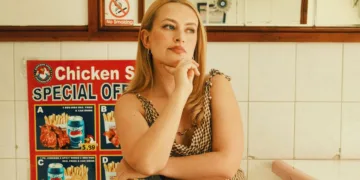



















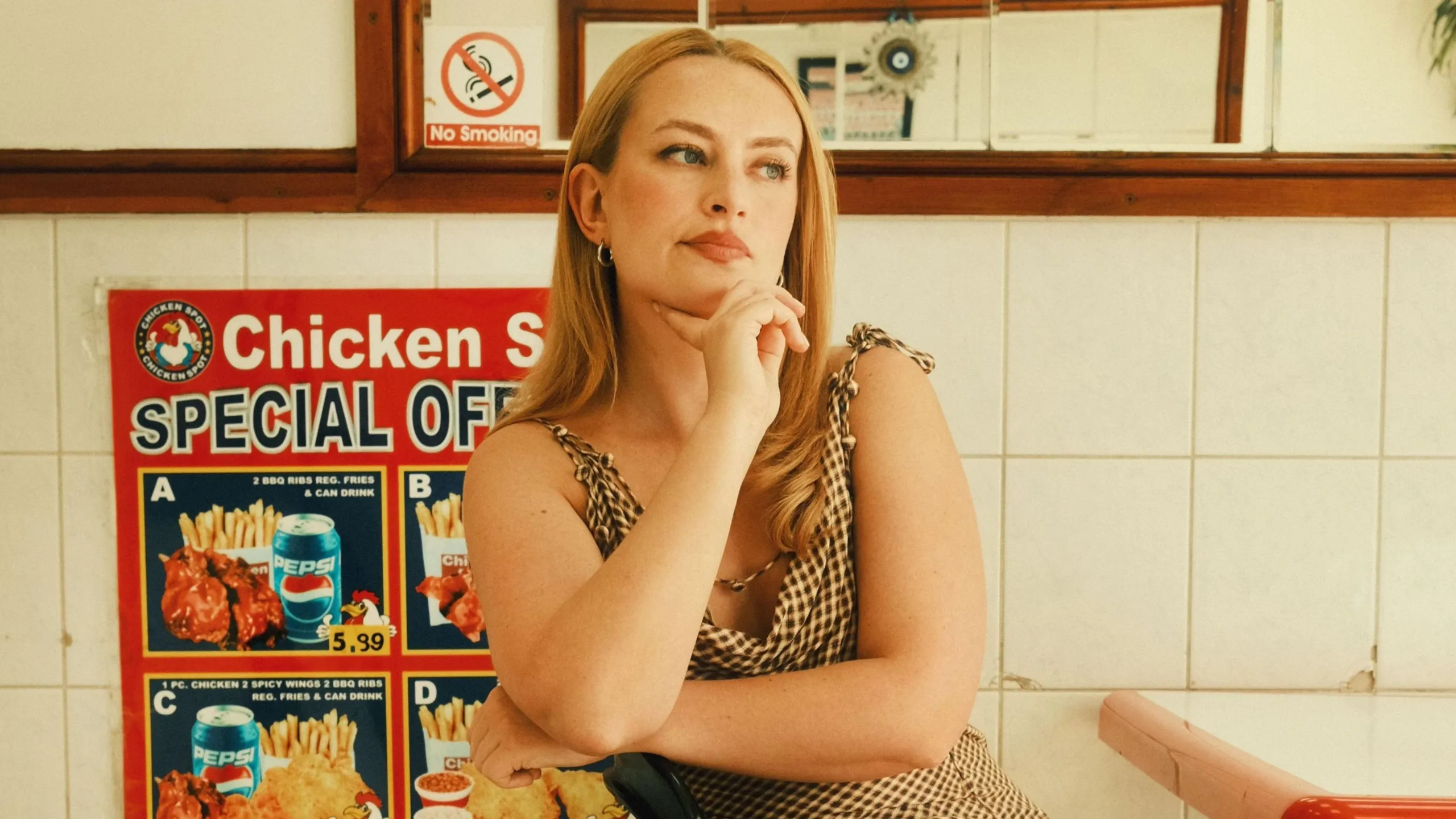

Amelia Dimoldenberg says two panic attacks in one week, 18 months ago, convinced her to end “Chicken Shop Date,” the YouTube interview series she built over more than a decade. Dimoldenberg laid out the decision in a personal essay for The Cut, published as the show’s final series reached cinemas. She wrote that the first panic attack she ever had came days before a second at a loud karaoke bar. At the time she had stopped drinking to work out why she felt flat and low, and she had started therapy. Her work, she realized, had become the center of her identity. She began to question “if the show’s success is tethered to why I am still single.”
She described the show as a relationship more all-consuming than any she had known, one she had designed and controlled completely. The thought of leaving it unsettled her. Her body signaled the breakup first, she wrote, and her mind followed.
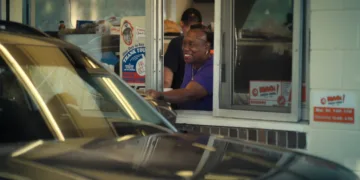
She announced the end on September 3 in a handwritten note shared on social media, saying it was “time to move on” to something new. The series, in which she plays deadpan, flirtatious host to celebrity guests over fried chicken, began 12 years ago and grew into a fixture of internet culture. Past guests include Andrew Garfield and Billie Eilish.
The final run has six episodes, with guests such as Noel Gallagher, Jorja Smith and Role Model. Vue Cinemas and YouTube’s Cine Club screened the episodes together on Tuesday in the UK, Ireland and Paris, alongside exclusive material and an unreleased finale. Tickets started at £9.99. Individual episodes then arrive on YouTube, with Variety reporting a November 27 start.
The cinema plan drew a mixed response online. Some viewers questioned asking fans to pay for a series that has always been free, while others welcomed a send-off on the big screen. Vue’s event-cinema chief praised her “brilliantly awkward” interviews as a mark of her appeal.
The exit follows a widening career. Dimoldenberg has expanded into film, television and production work, and she has framed the ending as a step toward a new project rather than a retreat. Her essay offers the clearest account yet of why a show at the height of its success is closing. It portrays the decision as personal and gradual, built from therapy sessions, long reflection and a body that, in her telling, knew before she did.