









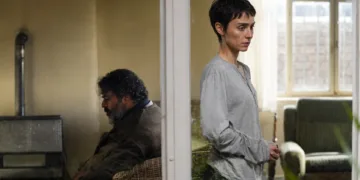















Holland presents a world where a quaint Midwestern town takes on an almost fantastical quality. The film introduces us to a place resembling an 18th-century Dutch tableau—with windmills, tulip fields, and canal houses that seem lifted from a storybook.
Yet, beneath this polished exterior lies a subtle hint of disquiet (a nod to the idea that appearances can be deceiving). The visual design oscillates between a nostalgic glow and an undercurrent of unease, as if the scenery itself carries secrets waiting to be uncovered.
The imagery acts as a symbolic mirror reflecting the inner lives of its residents. The serene landscape is paired with the protagonist’s internal struggles, setting a stage where a seemingly secure domestic life is punctured by hidden tensions. This artistic choice recalls moments in history when public facades crumbled to reveal private discord (one might call it a silent social critique).
In this setting, the town transcends its role as a mere backdrop, emerging as a character in its own right—laden with subtext and metaphor. The portrayal invites us to rethink the nature of safety and the masks people wear, making the environment a subtle yet powerful commentary on personal and communal dissonance.
Narrative Intricacies and Hidden Parables
At its core, the film opens with a seemingly trivial yet provocative spark—a missing earring that sets off a chain reaction of suspicion. Nancy’s quiet unease about her husband’s odd behavior quickly transforms into an obsessive investigation, a plot mechanic that cleverly mirrors the dissonance between the pristine veneer of suburban life and the murkiness lurking underneath (a nod to societal facades that hide deeper complexities).
The missing piece, almost banal in its inception, ripples outward, unraveling a narrative that is both intimate and reflective of wider historical patterns of distrust and miscommunication.
The pacing here is a study in gradual escalation. Moments of calm domesticity are punctuated by surreal dream sequences and inner monologues that reveal the protagonist’s inner turmoil.
These interludes serve as narrative punctuation—a series of brief, reflective pauses that amplify the tension of Nancy’s journey from doubt to determination. One might say the film employs what could be dubbed “psycho-dreamscaping” (a term I invented to capture its blend of internal chaos and external investigation) to keep the audience off balance.
Supporting storylines, including the intriguing subplot involving a local schoolteacher, interweave with the main narrative, adding layers of complexity. These additional arcs contribute to an atmosphere where the familiar is perpetually on the verge of metamorphosis.
Suspense is meticulously crafted through a series of misleading cues and ambiguous situations. The audience is invited to question the reliability of what is shown, with dreamlike sequences and unexpected shifts that challenge perceptions at every turn.
The structure of this investigation is a deliberate play on expectations—each narrative twist not only heightens the tension but also mirrors historical moments when societal certainties were upended by unforeseen truths.
Faces Behind the Façade
Nancy Vandergroot stands as a curious figure—a home economics teacher whose sunny exterior conceals a growing storm of suspicion and inner conflict. Her character oscillates between warmth and wariness, inviting us to question the reliability of a persona crafted to please while harboring private doubts.
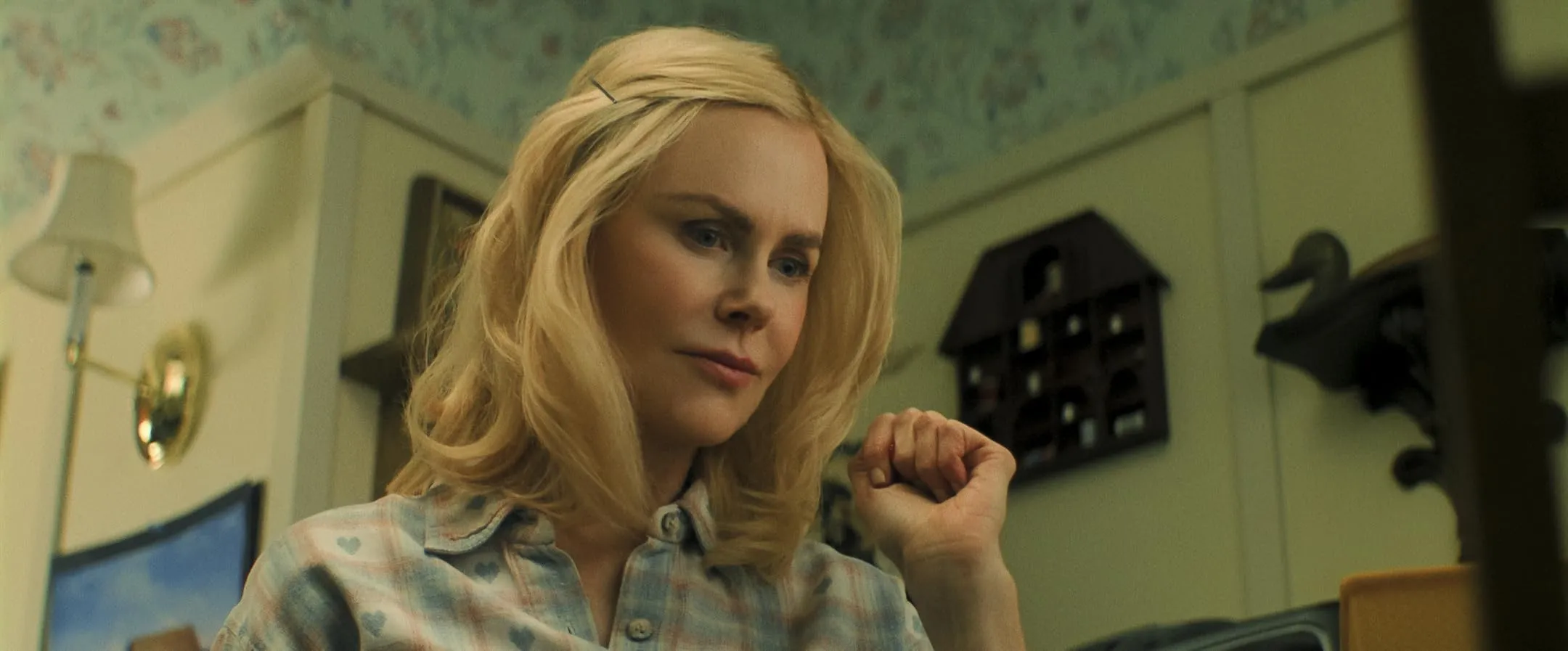
In moments of quiet domestic routine, one witnesses a spark of disquiet in her eyes (a subtle reminder that every smile might mask a secret). One scene captures her studying mundane household details, only to be struck by an inexplicable sense of foreboding—a vivid portrayal of a mind caught between routine cheer and disruptive suspicion.
Fred, her husband, projects the image of a devoted optometrist and community pillar. Yet his quiet hobbies, particularly his meticulously crafted model railroad, reveal a penchant for control that hints at something more unsettling beneath the surface.
A casual observation of his meticulous hobby work suddenly feels charged with ambiguous intent, as if every miniature detail serves as a metaphor for hidden compulsions. The reliability expected of him wavers when his actions in those quiet moments suggest a deeper, possibly darker, inner life.
Dave Delgado functions as both a confidant and a catalyst, his interactions with Nancy casting a long, ambiguous shadow over her motivations. Their exchanges—brief, often laden with unspoken implications—underscore the complexity of human connection in a setting where trust is perpetually in question. Secondary figures, including Nancy’s son and a quirky caregiver, contribute subtle hints about the isolating pressures of suburban existence.
Each supporting character enriches the narrative tapestry, offering small windows into a community that, while outwardly placid, harbors unspoken tensions. The interplay among these figures invites the viewer to reconsider familiar domestic dynamics and the silent struggles that may lie just beneath the surface.
Symbols and Shadows
The film presents a façade of perfection that conceals deep cracks of disorder. Holland, Michigan is portrayed as a meticulously designed stage—windmills, tulip fields, and quaint canal houses evoke a dreamlike vision of an ideal America.
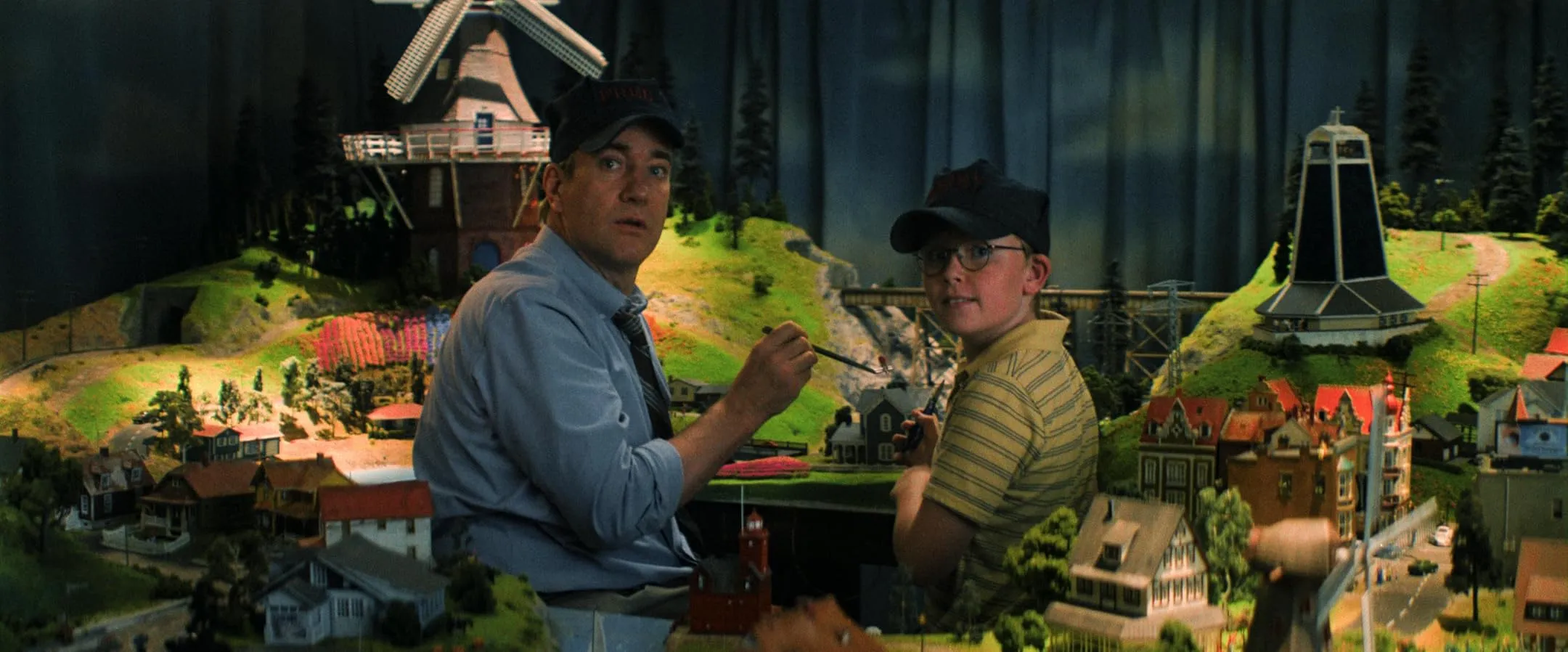
Yet beneath this well-practiced image lurks a silent decay reminiscent of past eras when the promise of prosperity was undermined by hidden strife (one might recall certain turning points in history here).
The narrative scrutinizes trust with a precise and sometimes wry perspective. Nancy’s internal struggle—caught between a cheerful demeanor and an undercurrent of suspicion—reflects a broader inquiry into how personal doubts can distort reality.
Her experience serves as a metaphor for a society that, while presenting a polished exterior, is quietly wracked by internal turmoil. There are moments when her introspection appears almost theatrical, as if each fleeting thought is a microcosm of larger cultural anxieties.
Suburban existence is depicted as a rigid framework that isolates its inhabitants while demanding conformity. The model town, recurring images of windmills and tulips, and those surreal dream sequences (with their offbeat tilt-shift visuals) operate as recurring emblems, constantly hinting that the serene surface may be nothing more than an artifice. These symbols invite viewers to reflect on the chasm between collective appearances and personal truths.
Lastly, the film raises pointed questions about gender roles and societal expectations. Its subtle criticism of modern domestic life questions whether the comfort of a controlled environment might actually be a shackle. In this light, the film’s imagery and narrative choices serve not merely as aesthetic devices but as incisive commentary on the pressures of maintaining a perfect front in an imperfect world.
Dreamscapes of the Everyday
The film’s visual tapestry blurs the lines between the tangible and the surreal. Its cinematography employs dream sequences and high-angle shots that evoke a sense of disorientation—a technique reminiscent of certain auteurs who once redefined the art of visual storytelling (think of moments that echo the aesthetic shifts of classic cinema).

The interplay between stark realism and ethereal imagery creates what I like to call “visual ambivalence,” where every frame challenges the viewer to question the boundary between what is seen and what is imagined.
Production design plays an equally pivotal role. Retro music cues and a Kodachrome-like palette imbue the film with an almost nostalgic glow, yet the meticulously crafted suburban settings hint at an underlying unease.
Quaint details—from model train scenes to the intricacies of neighborhood layouts—serve as silent narrators, reinforcing the film’s exploration of duality in domestic life. These elements are not merely decorative; they function as a visual metaphor for the contrast between the pristine surface and the decay that lurks beneath (a nod, perhaps, to the hidden fissures in societal ideals).
Lighting and color further amplify this dialectic. The careful manipulation of light and shadow conjures a mood that is at once inviting and foreboding. In some instances, the chiaroscuro effects seem to mirror the internal conflicts of the characters, suggesting that even in the softest hues, darkness can reside.
The film’s visual language, replete with recurring motifs, ultimately supports its psychological undercurrents while also posing subtle challenges to conventional narrative forms.
Directorial Craft and Narrative Alchemy
Mimi Cave displays a refined sense of visual and narrative experimentation, marrying surreal imagery with intimate character studies. Her style oscillates between moments of playful absurdity and brooding introspection (one might call this a “mood shift”).
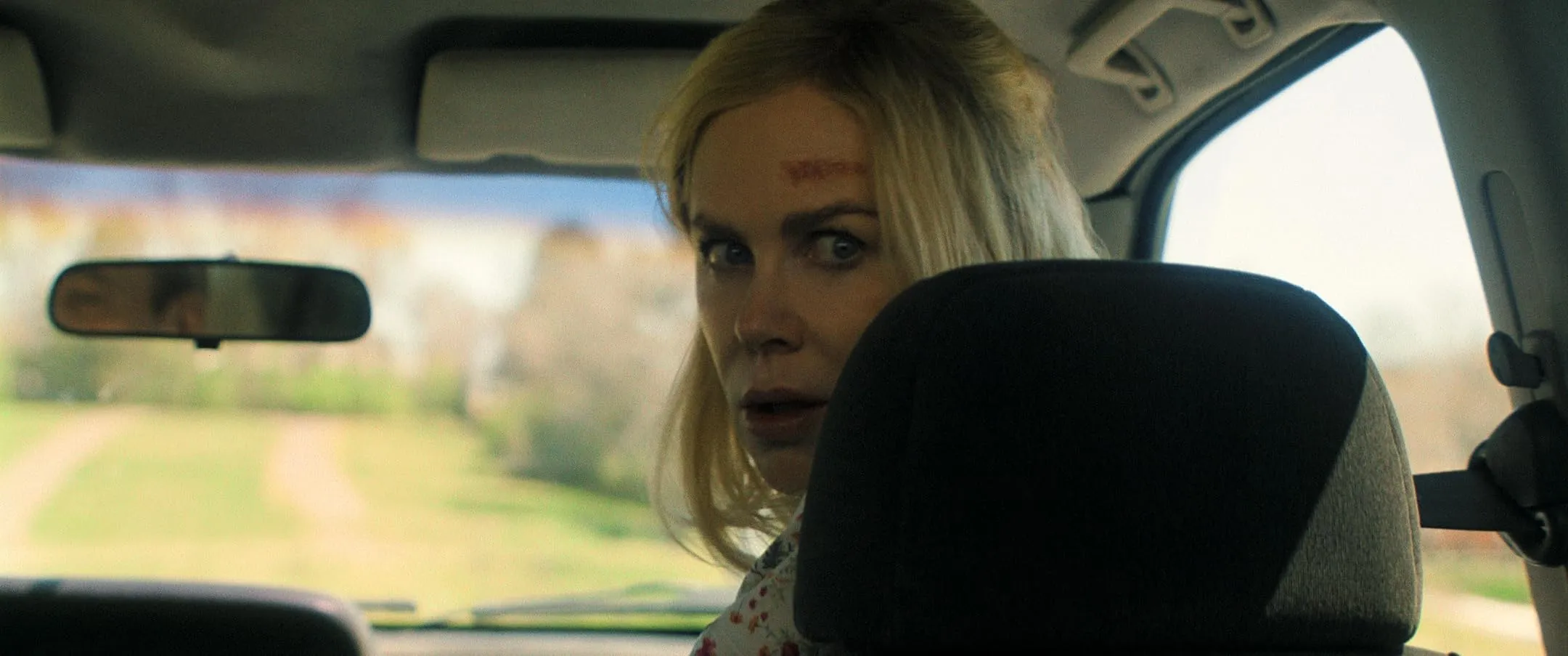
The film’s tone is heavily influenced by her penchant for visual storytelling, where each scene feels deliberately composed to challenge and entertain simultaneously.
The script is a curious labyrinth of suspense and complexity. It builds its mystery with clever dialogue and well-timed misdirections that keep the viewer on edge. At times, the narrative’s intricacy appears to obscure clarity (a slight misstep in balancing the tale’s many threads), yet this very complication invites deeper reflection on how reality can be obscured by personal perceptions. The interplay between spoken words and subtle visual hints creates a tapestry of suspense that rewards careful observation.
Dreamlike sequences and internal monologues serve as windows into Nancy’s unsettled psyche, blurring the distinction between her inner life and the unfolding drama. Voice-overs, when present, echo with a quiet intensity, offering brief insights that resonate with the film’s underlying themes.
The pacing is measured and deliberate; calm domestic scenes suddenly erupt into moments of stark tension, an unpredictable rhythm that mirrors historical shifts in social dynamics. Shifts in perspective and moments of unreliable narration contribute to a storytelling method that is as much an exercise in emotional inquiry as it is a mystery to unravel.
Final Impressions: Echoes of Suburban Disquiet
The film’s narrative revolves around a pristine domestic life that conceals subtle ruptures—a motif that mirrors historical shifts in collective trust and personal identity.

Nancy’s journey, marked by internal skepticism and quiet determination, mirrors a society struggling to reconcile its outward stability with hidden internal strife. The story’s central tension arises from a delicate interplay of personal doubts and shared expectations, forcing us to reexamine how everyday facades mask deeper insecurities.
Mimi Cave’s direction is both artful and thought-provoking, guiding the viewer through a maze of visual and narrative cues that challenge conventional storytelling. Her work, coupled with performances that balance understated humor with a brooding intensity, creates an atmosphere rich in both introspection and subtle critique of suburban order.
The film fuses elements of psychological mystery and domestic drama in a way that invites multiple interpretations (a phenomenon I term “cultural reflexivity”).
Audience members are encouraged to engage with this work on multiple levels—emotionally, intellectually, and even historically. The film may leave some questions open, yet its intricate layers offer a rewarding experience for those willing to probe the quiet dissonance lurking beneath everyday life.
The Review
Holland
An absorbing mystery set against a seemingly perfect suburban backdrop, the film captivates with striking visuals and thoughtful narrative twists. Its ambiguous nature might puzzle some viewers, yet the strong performances and innovative direction provide ample reward.
PROS
- Striking visual design
- Nuanced performances
- Innovative narrative structure
CONS
- Ambiguous plot may confuse some
- Occasional narrative complexity