




























Abdellatif Kechiche’s Mektoub, My Love: Canto Due returns us to the perpetual summer of Sète, 1994. The air is thick with heat and the feeling that time has slowed to a crawl. In this sun-bleached world of lazy beach days and long meals, we again find our anchor in Amin, a young man who has stepped away from a future in medicine to chase the more ephemeral dream of becoming a screenwriter.
He is the quiet observer, the film’s conscience, watching events unfold from a slight remove. His cousin, Tony, provides the opposite energy; he is a man of pure impulse, a charismatic force of nature whose desires propel much of the action.
Their dynamic forms the film’s core, a push and pull between contemplation and recklessness. Beneath the tranquil surface of their lives, quiet dramas persist, like the unresolved situation facing their friend Ophélie, a problem that simmers with an unspoken urgency.
The Catalyst Arrives
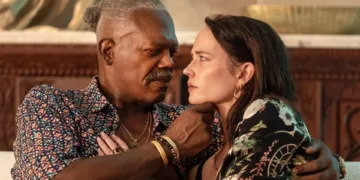
The languid peace of Sète is broken by the arrival of outsiders whose presence functions like a foreign object introduced into a stable ecosystem. Jessica, an American television actress, and her much older producer husband, Jack, appear at the family’s couscous restaurant after it has closed, demanding to be served.
What follows is a masterful, extended sequence that functions as the film’s true beginning, a long and intricate set piece where the film’s central tensions are laid bare. It is a slow, tense, and often funny negotiation of power and desire.
Jessica’s entitlement clashes with the staff’s bristling resentment, while Jack’s smooth, cordial demeanor barely masks his condescension. The family, caught between annoyance and being star-struck, eventually sees an angle. A meal is traded for the promise of a script read.
Also Read






Tony, ever the opportunist, orchestrates the entire affair with a pushy enthusiasm that is both charming and alarming. He manipulates the situation to secure a potential career boost for Amin, whose screenplay is offered up as part of the bargain.
This moment is critical for Amin’s character; typically passive, he finds himself caught in a current of ambition he did not create, a pawn in his cousin’s game. The scene also ignites the film’s central conflict: a dangerous flirtation between Tony and the clearly discontented Jessica. Her boredom and his predatory charisma create a palpable volatility that promises to upend everyone’s summer.
The Slow Burn of Realism
Kechiche’s directorial method is one of patient immersion, a style that prioritizes lived experience over tight plotting. He builds his world through long, uninterrupted scenes that unfold in what feels like real time, forcing the viewer to inhabit the characters’ space. The dialogue scenes are extensive, often captured in simple reverse shots that allow the naturalistic performances to be the main focus.
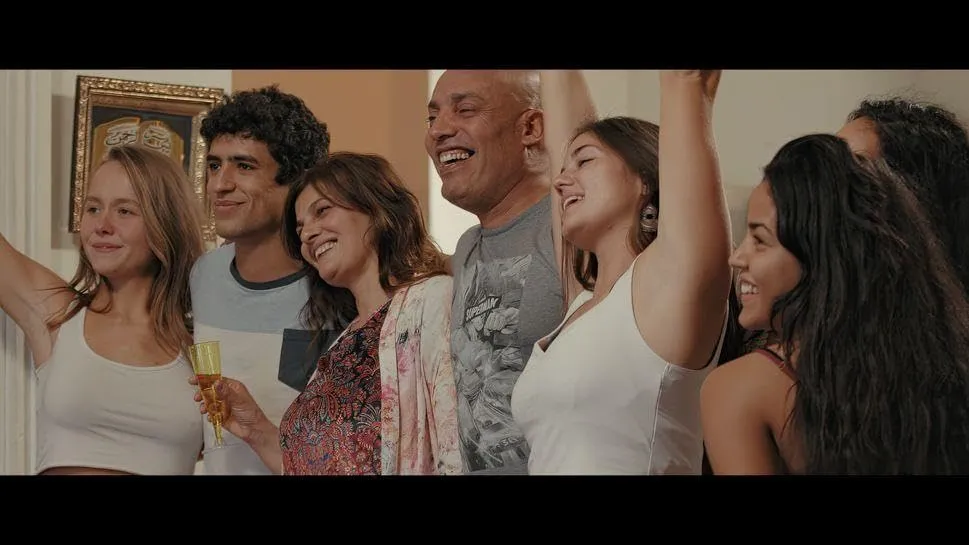
The camera is an intimate participant, a shaky, handheld presence that stays close to the characters, capturing the subtle shifts in their expressions and the easy physicality of their interactions. This technique can make the film feel almost devoid of a conventional plot for long stretches, asking the viewer to simply exist alongside the characters, to feel the rhythm of their days. This approach recalls the observational cinema of Frederick Wiseman, but applied to a fictional narrative.
The effect is a deep sense of realism, where the sensory details of life become the story itself. The preparation and consumption of food, the warmth of the sun on skin, the loud and overlapping energy of a crowded table—these moments are given as much weight as any major plot point. This style might test the patience of some, but it is essential to the film’s impact.
The director’s well-known focus on the human form is present, yet it feels more tempered here, less a voyeuristic fixation and more an element of the story’s naturalistic texture. This slow-burn aesthetic creates a foundation of normalcy that makes the story’s eventual dramatic turn feel earned and genuinely shocking.
A Summer Shattered
The film’s leisurely pace serves a specific and powerful purpose: it meticulously winds the spring for a sudden and violent release. The breezy, almost farcical tone of the characters’ interactions with the American couple curdles into something harsh and severe in the final act. The story shifts from a light tale of summer flirtations to a frantic, life-and-death drama without warning, and the change is jarring.
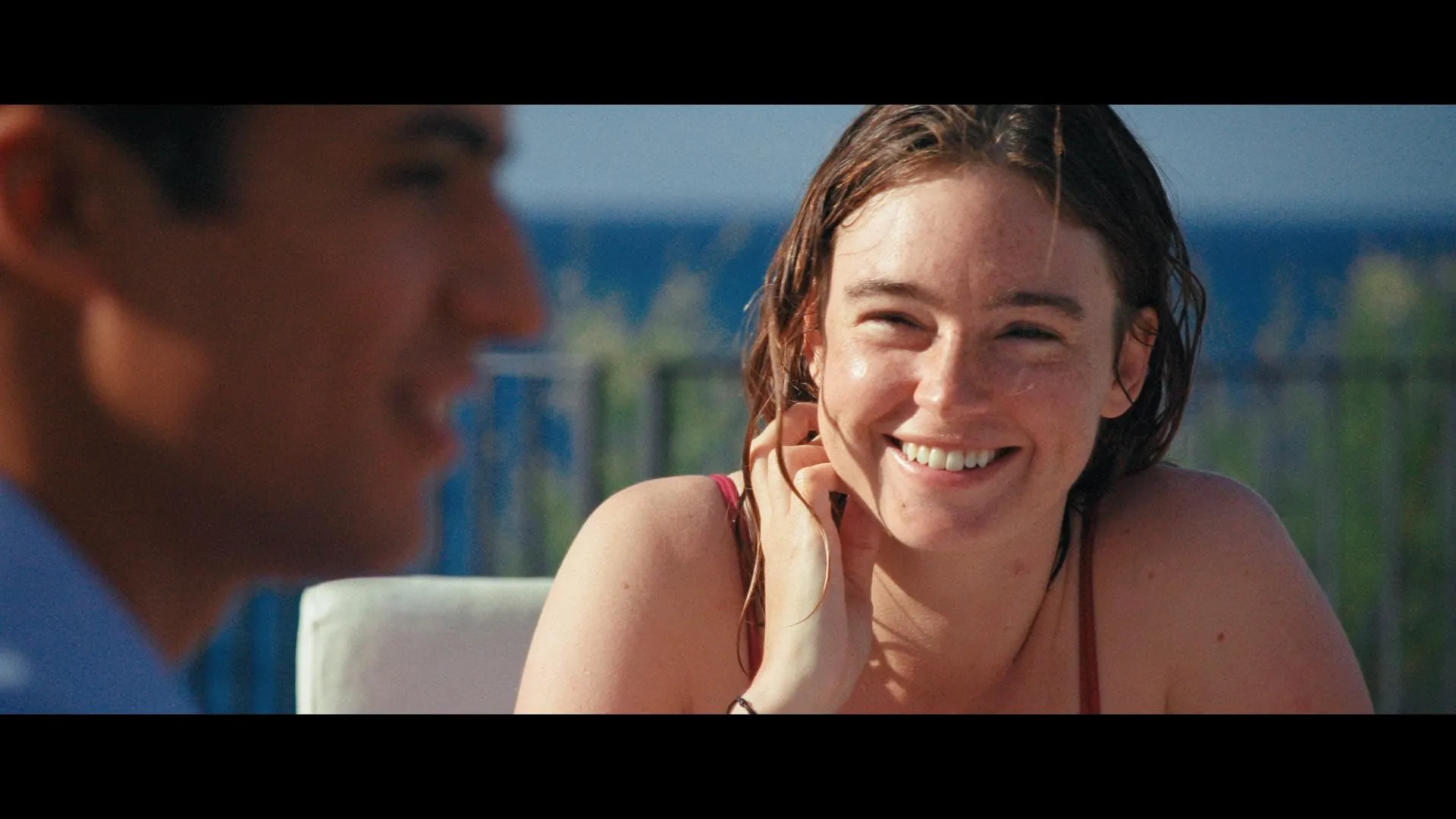
This dramatic eruption is a direct and logical result of the characters’ established natures. It is the inevitable consequence of Tony’s unchecked recklessness colliding with Jessica’s desperate need for attention. All the simmering tensions—ambition, infidelity, and resentment—boil over in a hysterical and tragic climax.
All the while, Ophélie’s quieter, more somber story continues in the background. Her unresolved dilemma about her pregnancy acts as the film’s moral anchor, a constant reminder of the real, life-altering stakes that exist outside the immediate sphere of hedonistic desire. Her struggle provides a poignant counterpoint to the louder, more chaotic drama of the main plot.
The film ends abruptly, offering no catharsis or resolution. It leaves its characters suspended in the immediate aftermath of the catastrophe, their endless summer finally and irrevocably broken. The finale makes the film feel like a fragment of a larger, unfinished work, a snapshot of a moment after which nothing can ever be the same.
“Mektoub, My Love: Canto Due” is a French romantic drama film directed, produced, and co-written by Abdellatif Kechiche. It is the third and final part of Kechiche’s Mektoub, My Love series, based on the novel “La Blessure, la vraie” by François Bégaudeau. The film premiered at the 78th Locarno Film Festival on August 9, 2025.
Full Credits
Director: Abdellatif Kechiche
Writers: Abdellatif Kechiche, Ghalya Lacroix, François Bégaudeau (original novel)
Producers and Executive Producers: Abdellatif Kechiche, Riccardo Marchegiani
Cast: Shaïn Boumedine, Ophélie Bau, Salim Kechiouche, Andre Jacobs, Hafsia Herzi, Alexia Chardard, Jessica Pennington, Dany Martial, Marie Bernard, Delinda Kechiche, Lou Luttiau, Kamel Saadi, Athénaïs Sifaoui
Director of Photography (Cinematographer): Marco Graziaplena
Editors: Luc Seugé
The Review
Mektoub My Love: Canto Due
Mektoub My Love: Canto Due is a challenging piece of cinema that demands patience. Its commitment to realism, through long, languid scenes, creates an unparalleled sense of immersion. While its deliberate pacing and passive protagonist may frustrate some, the film builds to a devastatingly effective climax that recontextualizes all that came before. It is an imperfect, unfinished, yet unforgettable cinematic experience that captures the volatile beauty of a summer spiraling out of control. It’s a film that you don't just watch; you inhabit.
PROS
- Creates a deeply immersive and realistic atmosphere.
- Features excellent, naturalistic performances from its cast.
- The lengthy restaurant scene is a masterclass in building tension.
- The dramatic final act is powerful and earned.
CONS
- The pacing is extremely slow and may alienate many viewers.
- Its narrative feels aimless for extended periods.
- The abrupt, unresolved ending can feel unsatisfying.
- The central character, Amin, is largely a passive observer.