

























![Kingdom Hearts Collection [I-III] Review](https://gazettely.com/wp-content/uploads/2026/10/Kingdom-Hearts-Collection-I-III-1-360x180.webp "Kingdom Hearts Collection [I-III] Review: KHII Holds Steady as Newer Entries Fluctuate 40")
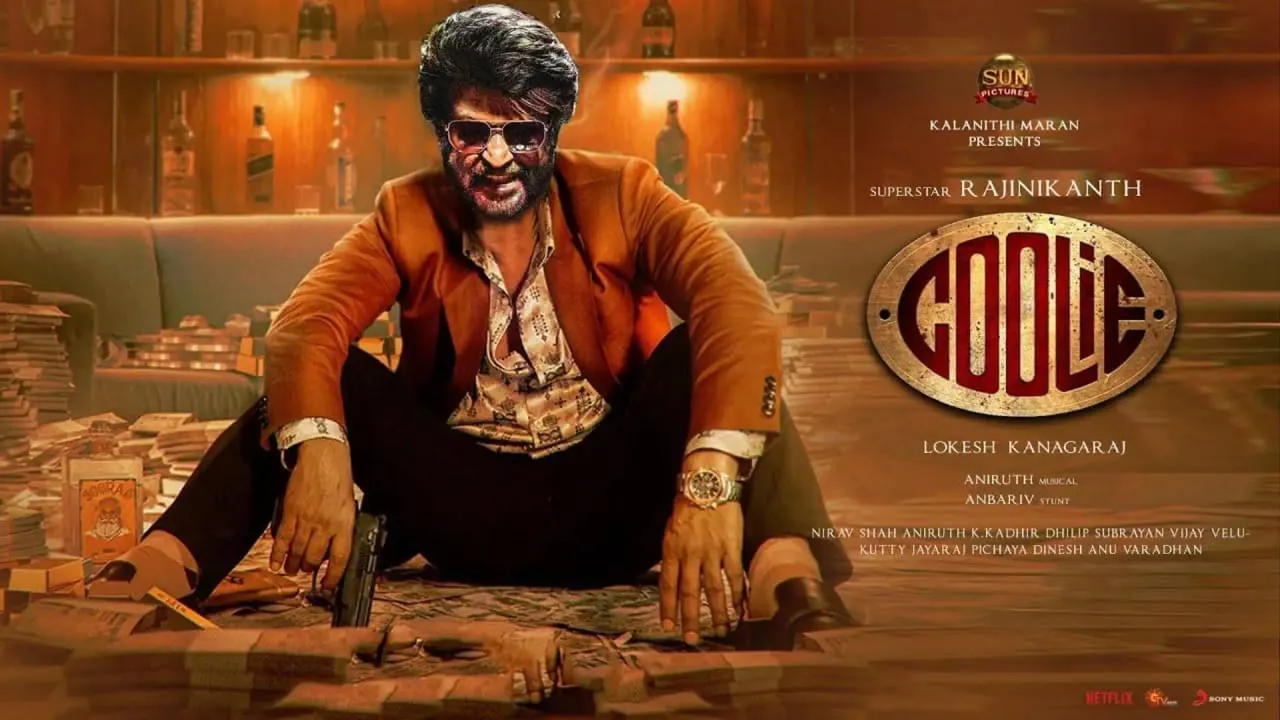

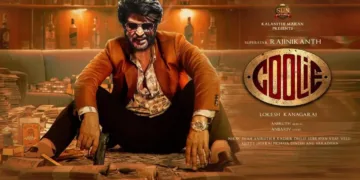
The prospect of pairing superstar Rajinikanth, an icon of Indian cinema for five decades, with director Lokesh Kanagaraj, a modern architect of the Tamil crime saga, created immense anticipation. This collaboration was seen as a potential benchmark for contemporary action filmmaking.
The resulting film, Coolie, introduces Deva (Rajinikanth), a hostel owner whose quiet life is a façade for a past defined by fervent labor activism. The story is set in motion by the sudden death of his old friend Rajasekar (Sathyaraj), an event that Deva believes is a murder. His private investigation pulls him into the violent world of a sophisticated smuggling syndicate.
He must confront the operation’s leaders, the elegant crime lord Simon (Nagarjuna) and his volatile lieutenant Dayal (Soubin Shahir). The film’s plot hints at deep-seated themes of worker exploitation and corporate malfeasance, framing Deva’s quest as a personal mission fueled by loyalty and a rekindled sense of justice.
The Star as the Center of Gravity
Rajinikanth’s performance is the film’s undeniable anchor, a force of gravity that holds the sprawling, often chaotic narrative together. At 74, he possesses a screen presence that feels less like acting and more like a cultural phenomenon, providing a stable center when the script falters. His enduring charisma is the essential ingredient that makes the world of Coolie function.
The character of Deva is built on a duality that Rajinikanth navigates with practiced ease. He portrays both the aging, paternal guardian of the present and the fiery, uncompromising union leader from decades earlier. His performance bridges these timelines through subtle shifts in physicality and his signature mannerisms; a sharp, knowing gaze or a wry, self-assured smile conveys more than pages of dialogue ever could.
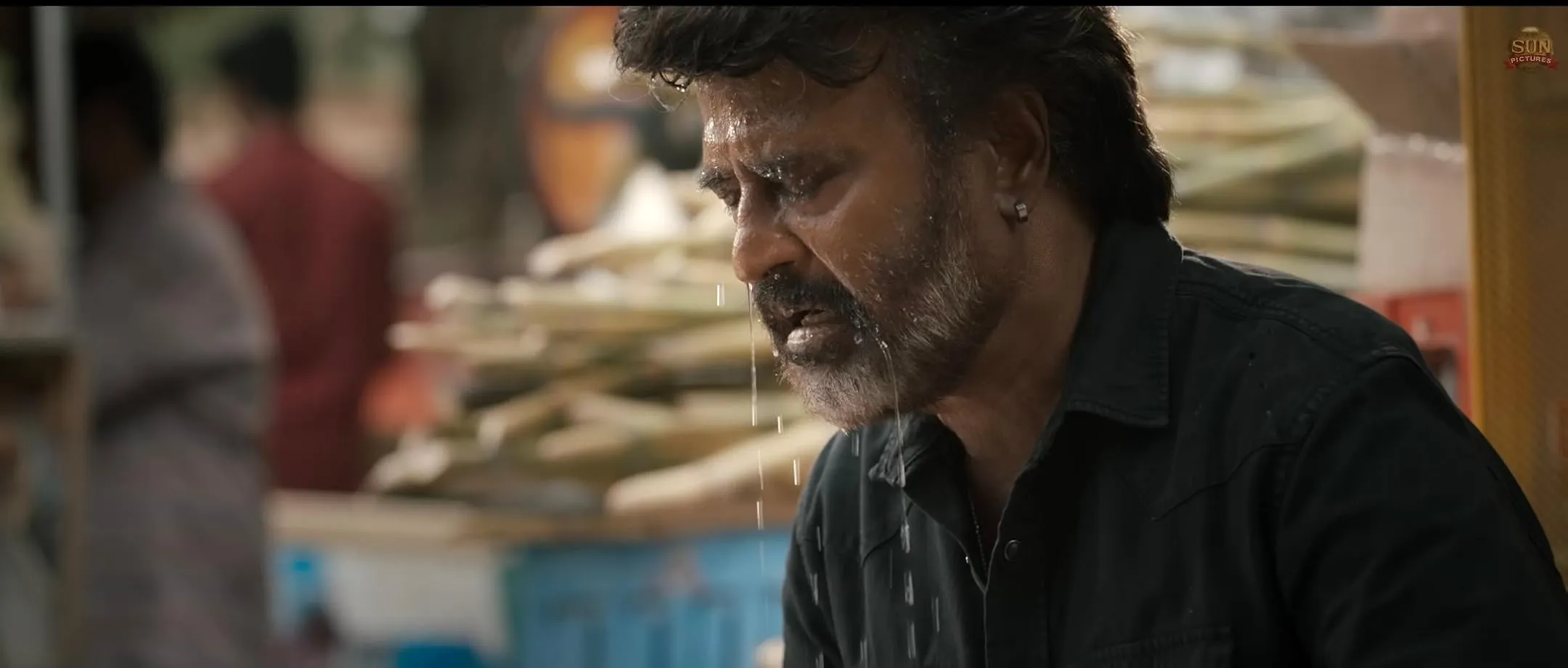
The film wisely incorporates his age into the character, a move that aligns with the global cinematic trend of the aging action hero. Moments of weariness in his close-ups create a tangible sense of pathos, a vulnerability that makes his subsequent feats of impossible strength feel earned and cathartic. This approach allows the film to revere his legacy while acknowledging the passage of time.
The flashback sequences utilize de-aging technology to present a younger Deva, handling the effect with a stylistic layer of grainy, faded film texture. This choice cleverly sidesteps the uncanny valley effect seen in some Western blockbusters, instead framing these scenes as recovered memories. It grounds his legendary backstory in the gritty realism of a bygone era, reinforcing an image of the hero of the proletariat that has defined much of his career.
Narrative Overload in a Familiar Framework
The film’s primary weakness lies in a screenplay that struggles to manage its own immense ambitions. The first half is a work of precision, establishing its intricate plot and thematic concerns with a steady, confident hand.
Subplots involving corporate greed and religious symbolism, such as a ghastly invention that perverts Hindu cremation rituals for the purpose of destroying evidence, are introduced with clarity and build a strong foundation.
After its intermission, the movie abandons this careful construction for a frantic pace. The narrative becomes a cascade of head-spinning twists that are introduced too rapidly to be absorbed, leaving the viewer disoriented rather than thrilled. Ideas are thrown at the screen without adequate development, turning what began as a taut thriller into a convoluted puzzle.
This structural breakdown leads to a significant emotional disconnect. The story jumps between characters and events without a consistent throughline, preventing the audience from fully investing in their fates. The supporting characters suffer most from this lack of focus. Simon, played with a menacing style by Nagarjuna, never develops beyond the archetype of a one-note villain whose motivations remain superficial.
The character of Preethi (Shruti Haasan), the daughter of Deva’s murdered friend, is repeatedly placed in situations of peril. This recurring plot device reduces her to a damsel in distress, a regressive trope that undercuts her potential as a character and feels out of place in modern storytelling.
The film’s structure feels like a lesser imitation of the director’s previous hit, Vikram. Kanagaraj’s signature flourishes, such as using classic songs to score action scenes or building toward a final reveal of a larger antagonist, feel more like a repetition of a successful formula than a fresh creative choice.
A Symphony of Sight, Sound, and Supporting Skill
While the script is flawed, the technical craftsmanship of Coolie is frequently brilliant. The musical score by Anirudh Ravichander is a vital component, acting almost as a secondary narrator. His work here is a masterclass in atmospheric scoring, blending pulsating electronic beats with traditional folk motifs to create a hybrid soundscape that is both modern and deeply rooted.
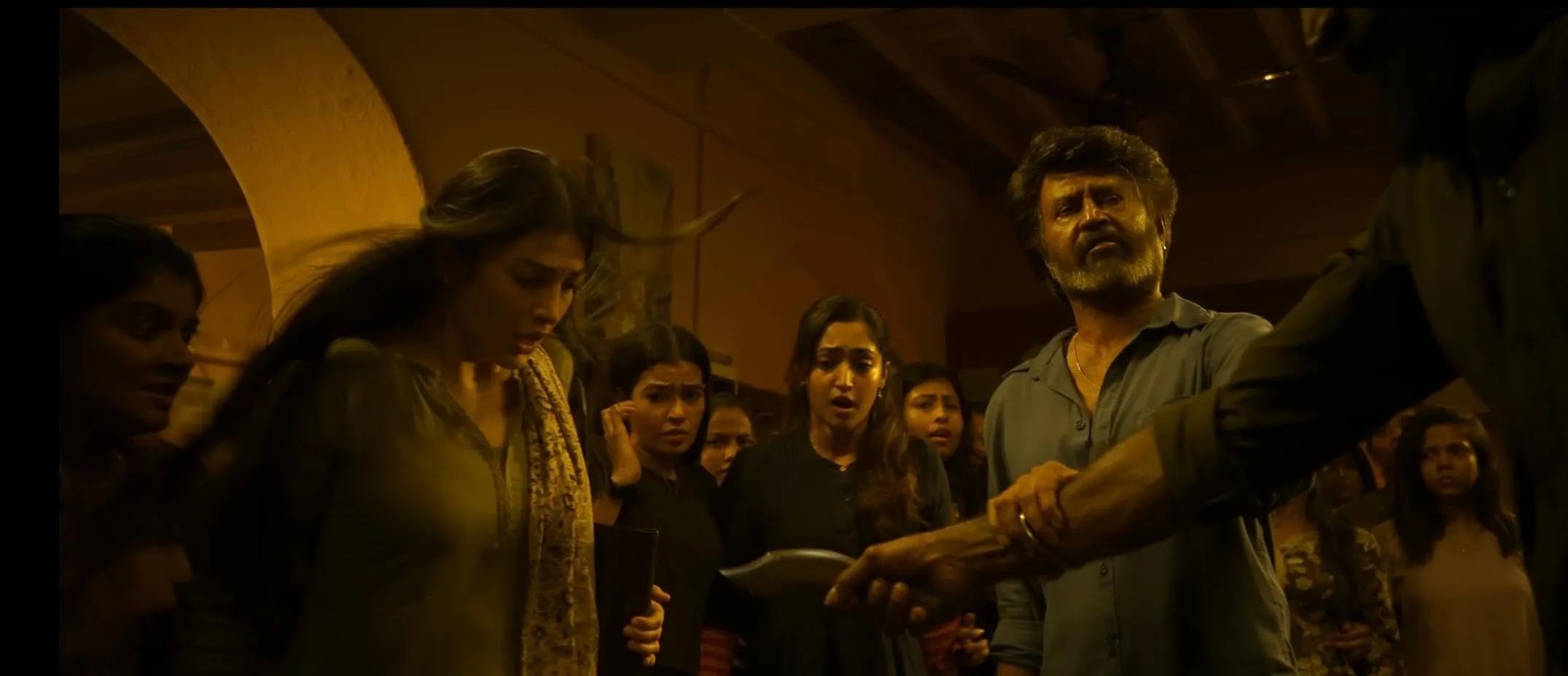
His pulsating tracks provide a powerful momentum that propels the film forward, injecting a kinetic energy into otherwise meandering sequences and heightening the stakes of every confrontation. The cinematography from Girish Gangadharan complements the score with a fluid, intense visual style. The color palette is grimy and lurid, and the camera is rarely still, using kinetic tracking shots to immerse the viewer in the brutal action.
The action itself, choreographed by Anbariv, is presented with a slick, brutal elegance. Certain set pieces, like a chaotic and inventive fight inside a mansion, are executed with remarkable skill and creativity. Others, however, fall into a monotonous rhythm of predictable combat. Among the cast, Soubin Shahir delivers a standout performance as the eccentric and unpredictable Dayal.
He creates a memorable character whose erratic energy makes him a compelling and genuinely unsettling screen presence. Shruti Haasan also gives a committed performance, grounding her character’s distress with emotional authenticity.
The film’s use of high-profile cameos, a popular device in creating “pan-Indian” appeal, feels more like a marketing strategy than an organic part of the story. These brief appearances by stars from other film industries fail to leave a significant mark on the narrative, feeling tacked on instead of essential.
An Uneven Spectacle
Coolie exists in a state of deep contradiction. It is a powerful showcase for Rajinikanth’s enduring star power, yet it is trapped within a script that cannot sustain its own weight or fulfill its thematic promises. The film offers moments of genuine aesthetic brilliance, with dazzling action and a powerful score that demonstrate the high level of technical skill involved in its production.
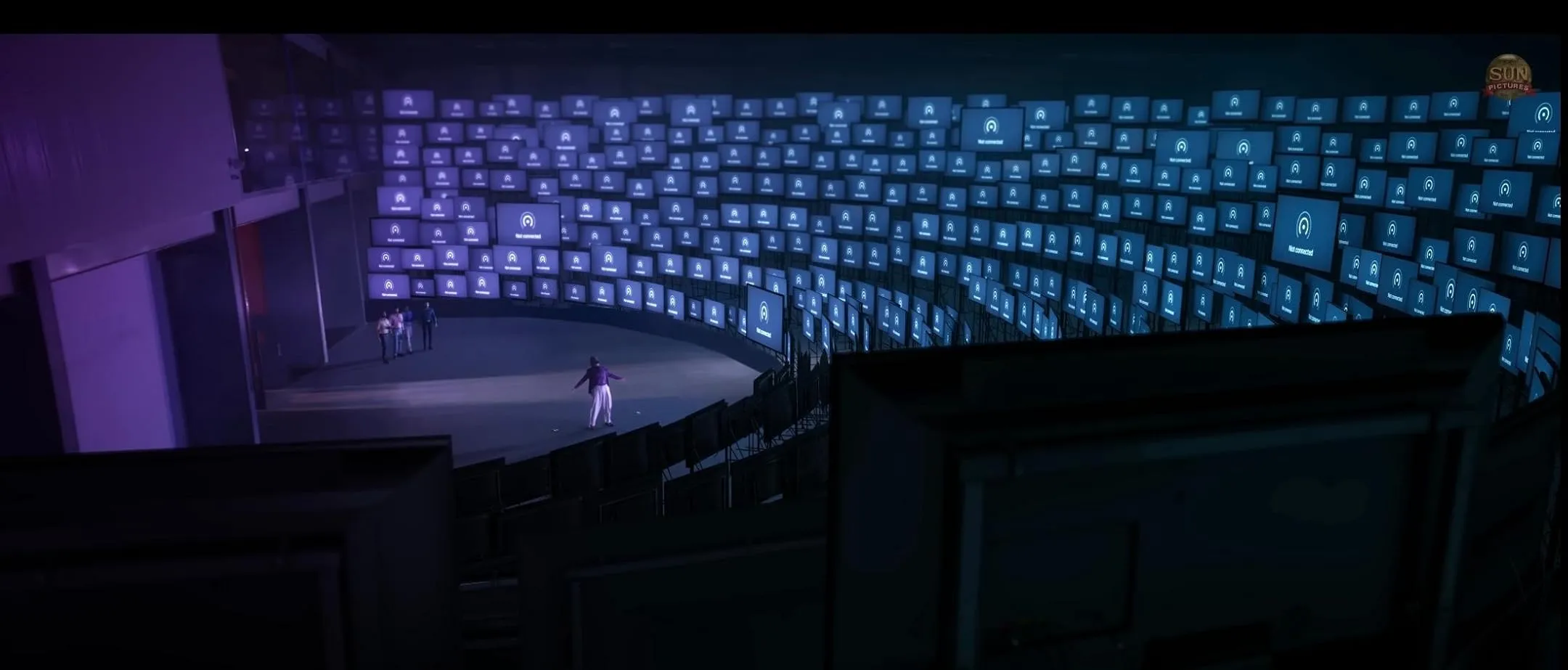
It gestures toward a meaningful commentary on labor rights and the legacy of an aging hero, but these ideas are ultimately lost within the narrative confusion. The combination of its legendary lead and visionary director promised a landmark cinematic event, but the final product is a spectacular missed opportunity.
The film is a visually arresting yet narratively disjointed vehicle for its superstar. It leaves the audience with a powerful impression of its star’s magnetism and its director’s technical skill, but also a lingering sense of what could have been if its story had matched its grand ambition.
Coolie is a 2025 Indian Tamil-language action thriller film directed by Lokesh Kanagaraj. The movie premiered on August 14, 2025, and was released worldwide in theaters. The film’s runtime is 170 minutes. It has received mixed-to-positive reviews from critics and audiences. You can currently watch Coolie in theaters. The streaming rights for the film have been acquired by Amazon Prime Video, with a digital premiere expected during Dussehra.
Full Credits
Director: Lokesh Kanagaraj
Writers: Lokesh Kanagaraj, Chandhru Anbazhagan
Producers and Executive Producers: Kalanithi Maran
Cast: Rajinikanth, Nagarjuna Akkineni, Soubin Shahir, Upendra, Shruti Haasan, Sathyaraj, Rachita Ram, Aamir Khan
Director of Photography (Cinematographer): Girish Gangadharan
Editors: Philomin Raj
Composer: Anirudh Ravichander
The Review
Coolie
Coolie is a frustratingly uneven film, a battle between Rajinikanth's magnetic performance and a script that collapses under its own ambition. While technically polished, with a phenomenal score and slick visuals, its convoluted plot and underdeveloped characters prevent it from reaching its potential. It is a spectacular vehicle for its star, but one that runs on fumes, leaving the audience to admire the dazzling exterior while noticing the engine trouble underneath. A significant missed opportunity.
PROS
- Rajinikanth's commanding and charismatic lead performance.
- Anirudh Ravichander's powerful and energetic musical score.
- Stylish cinematography and several brilliantly executed action sequences.
- A memorable and standout supporting performance from Soubin Shahir.
CONS
- An overstuffed and convoluted screenplay that becomes confusing.
- A weak emotional core and lack of character development.
- An underdeveloped and one-dimensional primary villain.
- Ineffective cameos that feel forced into the narrative.