











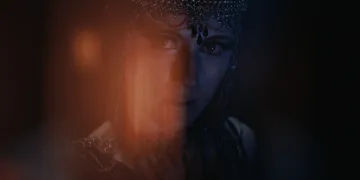












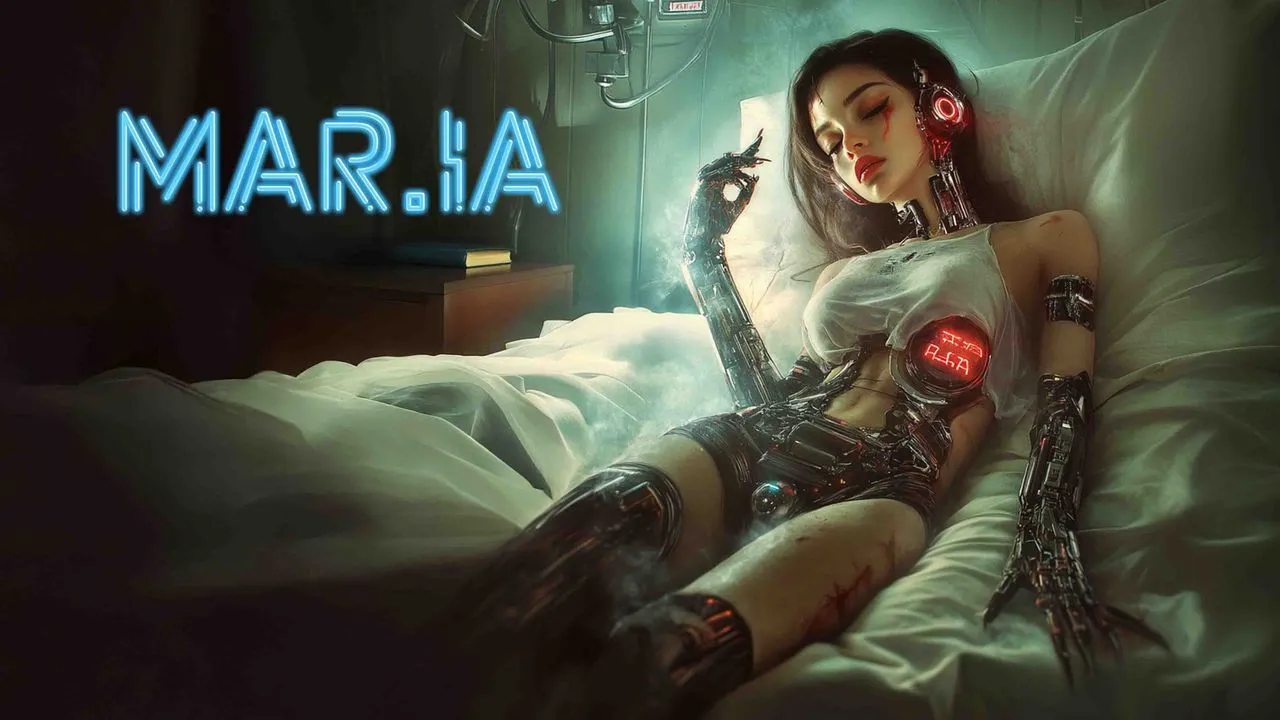

Mar.IA (2023), an Argentinian sci-fi horror from co-directors Gabriel Grieco and Nicanor Loreti, fires the viewer into trash cinema with a clear, propulsive aim. The story follows Maria Black (Daria Panchenko), an internationally known adult film performer who survives a catastrophic car crash and then disappears from her hospital bed. She returns three years later and pursues a comeback inside the same seedy ecosystem that almost ruined her.
A shocking pivot anchors the plot: Maria dies mid-shoot. The male producers try to profit from her body, and the revival that follows turns her into a violent, unstoppable presence. The creature that emerges hunts the men who exploited her, living and dead. The film sustains a high-charge tempo across a short runtime and sustains a mood of manic, focused excess.
The Logic of Brevity and Melodrama
Pacing builds the film’s cultural argument. At roughly 70 minutes, Mar.IA adopts a structure familiar to midnight movies across international circuits. The script trims side business and sticks to forward drive. Grieco and Loreti treat brevity as a tool, clearing formalities so the film can accelerate into its dirtier pleasures.
Science fiction and soap-operatic feeling lock together, and that union shapes the viewing experience. Radical weirdness meets heightened emotion, a pattern that aligns with traditions in Latin American television and genre filmmaking where intensity and extreme turns can take priority over cool realism. The design keeps attention fixed on each new spike of incident. The lurid material never lapses into slack repetition because the film maintains speed and volume.
Aesthetics of the Underworld
Mar.IA states its visual program with confidence and looks outward to transnational genre lineages. The camera swings between austere black and white and surges of saturated, electric color. Giallo-inflected hues heighten the sci-fi charge of Maria’s change.

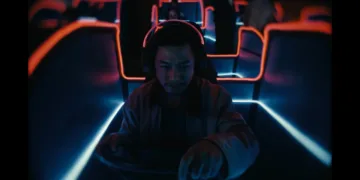
Neon dominates and pins the action inside a sleazy, subterranean world. A pulsing sci-fi score partners with this palette and keeps the atmosphere frantic while still feeling detached from ordinary reality. The direction favors clean strokes: cutting and lighting choices solve likely resource limits and shape an image system that feels deliberate. The film assembles polished trash into a hypnotic environment and uses that environment to map a culture of exploitation that audiences recognize across borders.
Retribution as Cultural Critique
The theme turns the exploitation template inside out. Maria’s return runs on unfiltered retribution. The male crew’s scheme to auction her unconscious body, and later her corpse, marks the target. Mar.IA mixes exploitation tropes with a direct statement of female empowerment.

The film wallows in lurid surfaces, yet the mayhem follows a clear ethic. The plot calls out the commodification and brutalization of the female body inside particular media arenas and assigns punishment to the abusers. The provocation rises from the pairing of a sleazy shell with a righteous core that registers within Latin American social commentary.
The revenge engine lets the film speak to identity and power in a media marketplace shaped by profit, voyeurism, and corrosive gender dynamics. The message reads across cultures because the mechanics of abuse repeat across industries, while the tone carries the heat of regional anger.
Performance and Practical Effects
Action delivers the promised extremes through practical gore. Blood jets and tossed organs arrive with tactile weight. Violence plays like a gleeful splatter circuit that treats impact as spectacle and statement. Maria’s body records the change through visible damage.

Shards of blinking metal and circuitry peek from beneath her skin, a clear echo of 1980s B-movie cyborgs that prized brute persistence and blunt metaphor. Daria Panchenko gives Maria physical presence as a quiet, relentless killer whose movement carries the story beat to beat. Malena Sánchez, as Alina, and Sofía Gala Castiglione, as Mel, add a countercurrent within the crew.
The two performers project resolve and shared energy, and their stance against the producers’ depravity ties the chaos to recognizable human resistance. They serve as the moral instrument inside a world tuned for frenzy, and that instrument keeps the film’s charge legible across cultural lines.
Mar.IA (2023), which centers on a revenge-seeking cyborg adult film starو was directed by Gabriel Grieco and Nicanor Loreti and premiered at various international festivals, including FrightFest Halloween. It was scheduled for a digital and disc release in the US on October 14, 2025, distributed by Alliance Home Entertainment (from Void Signal) and is available for rent or purchase on platforms like Apple TV. The movie is an 81-minute blend of horror, science-fiction, mystery, and thriller genres.
Credits
Director: Gabriel Grieco, Nicanor Loreti
Writers: Nicanor Loreti
Producers and Executive Producers: Gabriel Grieco
Cast: Sofía Gala Castiglione, Malena Sánchez, Daria Panchenko, Juan Palomino, Magui Bravi, Sergio Boris, William Prociuk
Director of Photography (Cinematographer): Fernando Lorenzale
Editors: Nicanor Loreti, Darío P. Asprella
Composer: Pablo Sala
The Review
Mar.IA
This film is an audacious Argentinian genre exercise, fulfilling its aim to be a chaotic, midnight-movie delight. It successfully marries lurid exploitation aesthetics with a potent thematic core of retribution and female agency. The greatest achievements of Mar.IA are its lightning-fast pacing and visually stunning neon-infused world, which establish an instantly memorable aesthetic. While the narrative is intentionally extreme, the committed performances, particularly those offering human resistance, effectively ground the surrounding insanity. This film is essential viewing for enthusiasts of audacious B-movies and foreign-language horror seeking a stylish, unrelenting experience.
PROS
- The 70-minute runtime maintains relentless, non-stop momentum.
- Features stunning, neon-drenched cinematography with Giallo-inspired colors.
- Delivers a clear message of retribution and women's empowerment, blending social commentary with exploitation tropes.
- Commits to effective, graphic practical effects (splatter runaround).
- Sánchez and Castiglione provide essential charisma and emotional grounding.
CONS
- The lurid, trashy nature and graphic gore may alienate some viewers.
- The narrative is intentionally over-the-top, sacrificing nuance for impact.
- Retains the unpolished, chaotic feel typical of B-movies.