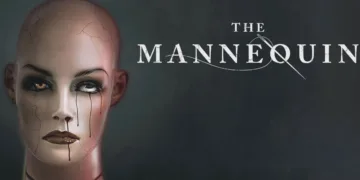





















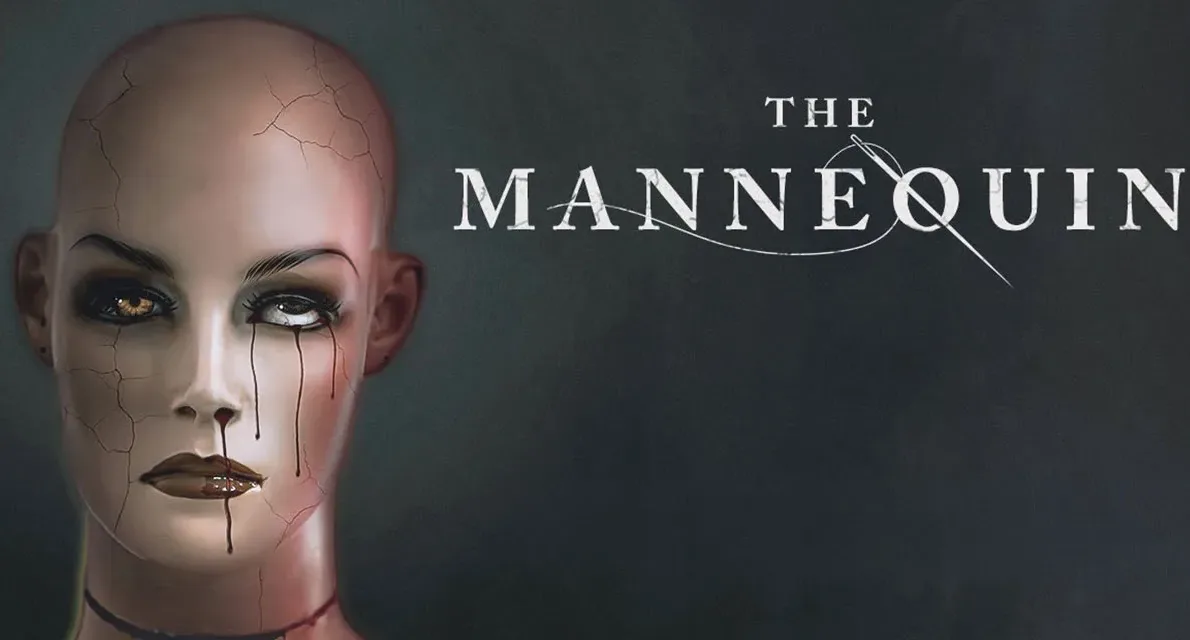

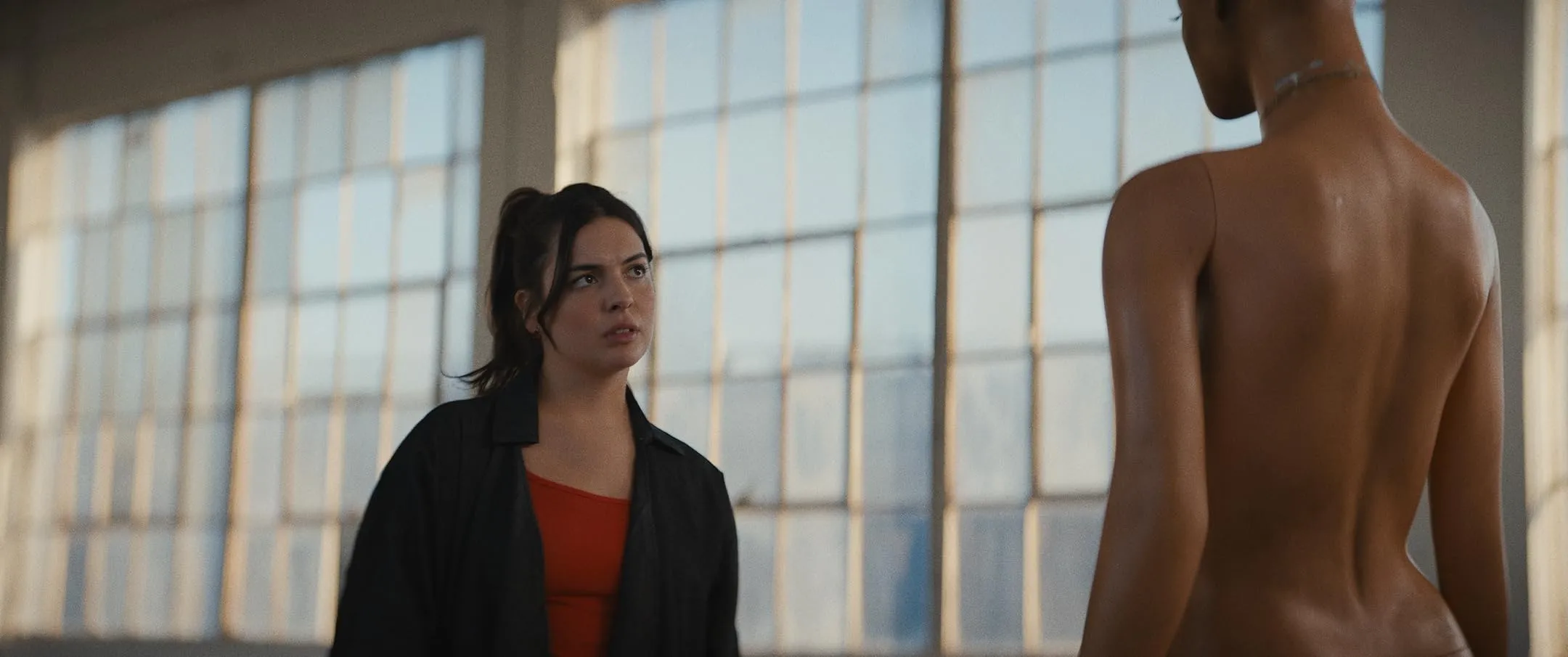
The horror tradition loves to poke at the fear that a lifeless figure might wake up and stare back. That queasy feeling sits in the uncanny valley, where almost-human shapes unsettle the senses. Writer and director John Berardo’s second feature, The Mannequin, leans into that anxiety. The story follows Liana Rojas (Isabella Gomez), a stylist’s assistant who rejects the official account of her sister Sophia’s (Gabriella Rivera) death at a newly rented fashion studio inside a historic factory building in Los Angeles.
Liana’s investigation threads through the building’s history, including decades-old murders by Jack Bernard (Jack Sochet), a serial killer who dismembered victims there. The space now hosts his vengeful ghost, with an eerily lifelike mannequin acting as the focus of the haunting.
Berardo frames the piece as a horror mystery, while the emotional impact comes from character drama. The film pairs visceral genre effects with an intimate portrait of grief. As someone who still remembers late-night walks past window displays where mannequins felt a little too attentive, I felt a familiar shiver in the film’s premise and the way it stages stillness as threat.
Artistic Flashes and Pacing Shifts
Berardo signals artistic intent from the first moments with a hyper-stylized prologue. The opening sequence, set in the 1950s or 1930s, appears in black and white, marking a clean visual break from the modern-day timeline. When the assault arrives, the blood jumps off the frame in bright red, a sharp color choice that declares how vicious the film can be.
The flourish sticks in the mind and lays down a charged mood that the present-day scenes do not always carry forward. The Mannequin positions itself as a supernatural slasher while playing like a slow-burn mystery for much of its first half. The film spends time on the careful rebuilding of lives after Sophia’s death. Big scares and action beats mostly wait their turn, so the early stretch lands like a grounded drama.
The tone changes late in the 85-minute runtime, when the final act erupts into a chaotic, tightly packed thrill ride. The mannequin prop earns its place as a psychological device. Its frozen, silent stare creates tension long before it participates in the violence. I smiled at the director’s brief appearance as the helpful, slightly odd building manager, a small wink to genre tradition that adds a quick note of levity.
The Weight of Shared Trauma
What distinguishes The Mannequin from routine slasher entries is its sustained attention to emotional dynamics. The script keeps horror mechanics in the background while bringing forward the relationship between Liana and her friends, Hazel (Lindsay LaVanchy) and Nadine (Shireen Lai).
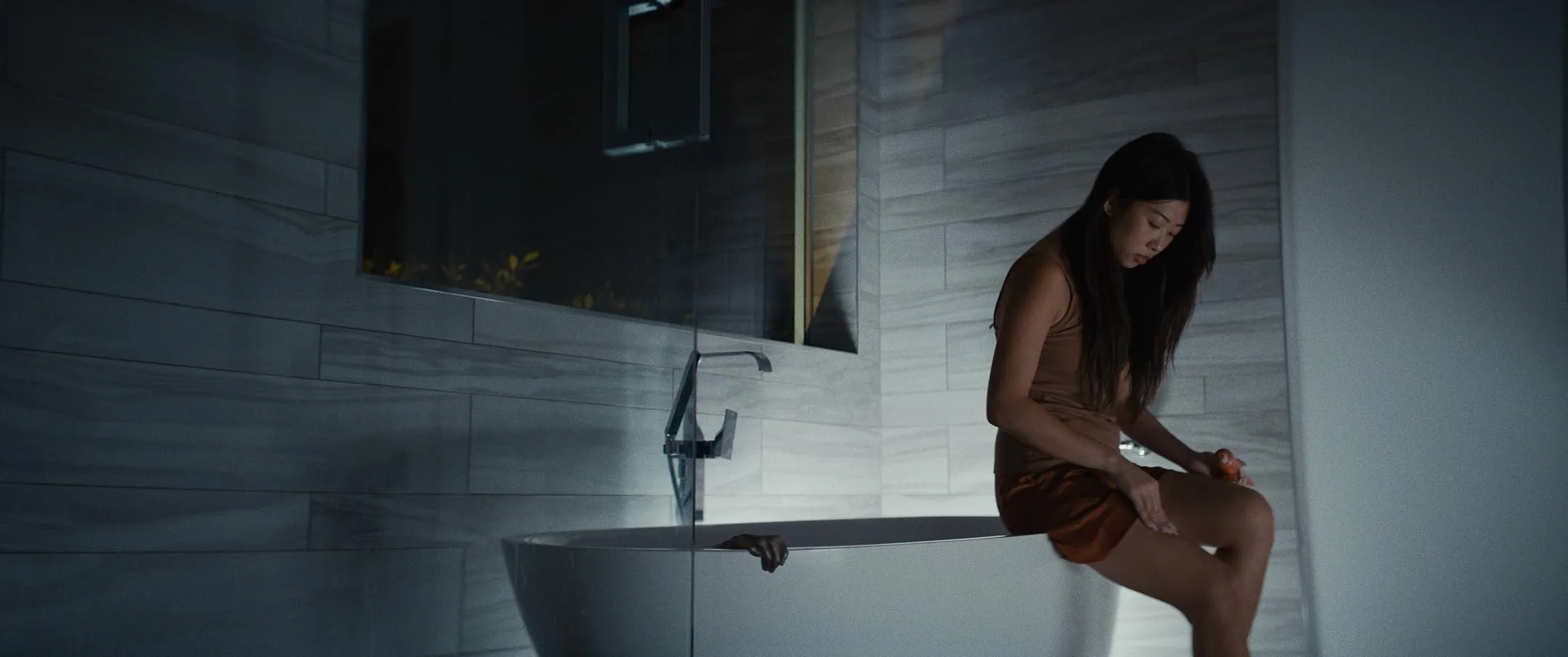
Their connection reads as lived-in, shaped by history, grief, and low, simmering resentment after Sophia’s death. The ensemble commits to this approach, and Isabella Gomez anchors the film with a performance that carries the weight of Liana’s search. By centering the characters’ struggle, the film addresses grief, trauma, and patterns of the abuse of women.
The supernatural thread becomes a channel for emotional collapse. The approach gives the narrative a sense of purpose that reaches past a simple killer-doll setup and lands in a place with present-day relevance. Maxwell Hamilton’s turn as the ghost-hunting ex-boyfriend brings a useful genre texture while maintaining focus on the central trio. Grounding the story in relationship drama charges the later supernatural attacks with pain that feels earned.
The Price of Ambition
Balancing a grounded metaphor for loss with a fantastical horror premise poses a challenge. The Mannequin wobbles on that tightrope. The film shifts quickly from serious portraits of grief and self-harm to full-throttle ghost-killer carnage.
The rapid pivot can make the project’s identity feel uncertain. The rules of the haunting remain slightly cloudy; the film does not lock down whether the mannequin carries the killer’s spirit, a victim’s presence, or another force. Momentum also leans at times on thin character logic, nudging decisions forward rather than letting them unfold from circumstance.
The final twist arrives fast and reaches for cleverness that the setup does not fully support. I still value the reach. The film charts a different route for the slasher mode and shows how a low-budget production can engage with societal trauma. The tradeoff favors complex feeling over simple jolts, and that choice defines the experience.
The Mannequin (2025) is a supernatural slasher film that was directed and written by John Berardo, following his previous work on Initiation. The movie premiered at film festivals like FrightFest and was released on Digital, VOD, and Blu-ray/DVD on October 14, 2025, through Jackrabbit Media. The story follows Liana Rojas as she investigates the mysterious death of her sister in a historic Los Angeles building, which is haunted by the ghost of a serial killer who targeted women decades earlier.
Credits
Director: John Berardo
Writers: John Berardo
Producers and Executive Producers: Sanjay Belani, Maxwell Hamilton, Ashley Nicole Rosenberg, Arten Bagumyan, Flordan Enriquez, En Ming Lai, Johnson Lee
Cast: Isabella Gomez, Jack Sochet, Lindsay LaVanchy, Shireen Lai, Maxwell Hamilton, Gabriella Rivera, Krystle Martin, Trevor LaPaglia
Composer: Alexander Arntzen
The Review
The Mannequin
The Mannequin is a horror film that trades conventional frights for emotional complexity. It succeeds in creating a poignant story about grief and female trauma, grounded by a standout performance from Isabella Gomez. While its attempts to blend psychological drama with a fantastical, bloody slasher ultimately result in an uneven and tonally ambitious film, its unique approach to the genre makes it a worthwhile, if flawed, independent watch.
PROS
- Strong central performances, especially Isabella Gomez.
- Effective exploration of themes like grief and trauma.
- Stylized, visually striking cold open.
- Use of the mannequin prop creates genuine dread.
CONS
- Uneven tonal balance between drama and horror.
- Pacing issues (slow first half, rushed finale).
- Ambiguity regarding the mannequin's animating force.
- Some character decisions lack clear internal logic.