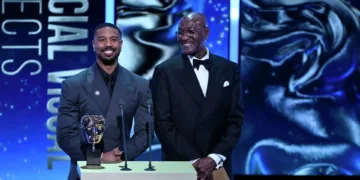


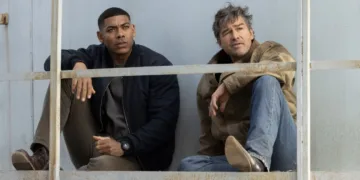











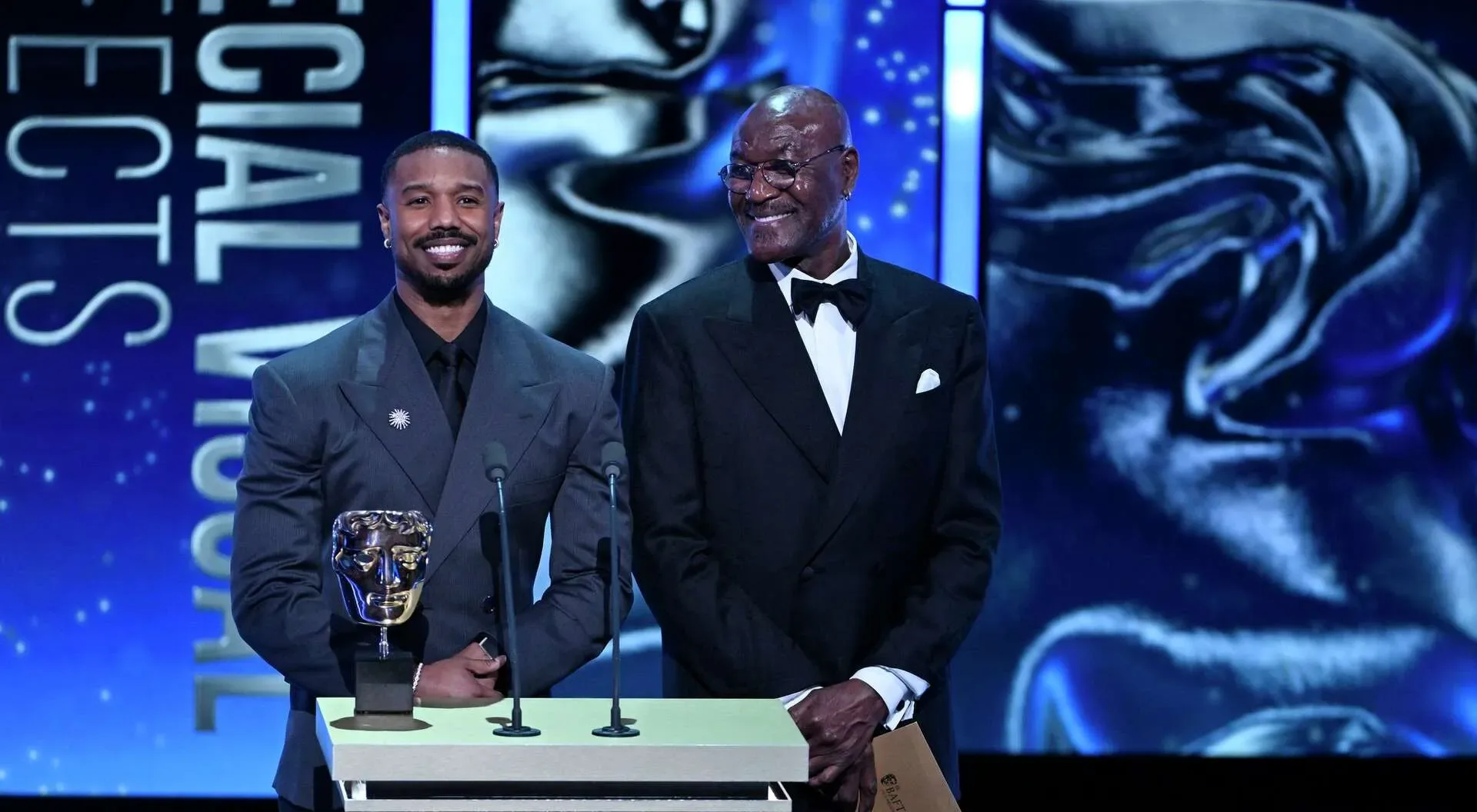

Warner Bros. raised concerns with BAFTA during Sunday’s film awards ceremony and asked that a racial slur heard while Michael B. Jordan and Delroy Lindo were on stage be removed from the delayed BBC broadcast, according to reporting that surfaced Tuesday, widening scrutiny of how BAFTA and the BBC handled the incident.
The outburst came from guest John Davidson, a Tourette syndrome campaigner and executive producer of I Swear, whose vocal tics are involuntary, BAFTA said in a statement posted Monday. BAFTA said attendees had been warned before the ceremony that they might hear strong language and said it “apologise[d] unreservedly” to Jordan and Lindo, adding that it took “full responsibility” for putting guests in a difficult situation.
The BBC also apologized after the slur aired in its two-hour delayed telecast and remained on iPlayer until the next morning. Reuters reported that the broadcaster said the language arose from involuntary verbal tics and that the moment would be removed from the streaming version. The same Reuters report noted that another politically charged remark from a winner’s speech was cut from the broadcast, a point that fueled criticism about editorial decision-making.
Fresh fallout followed on Tuesday. A BAFTA judge, Jonte Richardson, said he was stepping down, calling the organization’s handling “utterly unforgivable” and accusing it of failing to protect the dignity of Black guests and the Black creative community. The New Black Film Collective and MP Dawn Butler also pressed the BBC and BAFTA over the broadcast failure and the wording of the on-air apology.
A separate report said a source close to Warner Bros. claimed studio executives were assured the request to remove the slur would be passed to the BBC before transmission. That report also said the studio stayed in contact with BAFTA through the evening and met with the organization the next morning.
The dispute has sharpened a difficult discussion inside the U.K. film and TV sector: how live-event producers protect disabled guests, shield targeted people from racial harm, and make clear editorial decisions during delayed broadcasts built to catch exactly this kind of moment.