

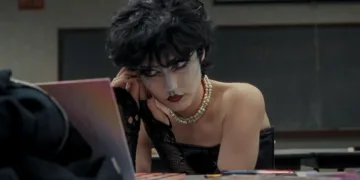
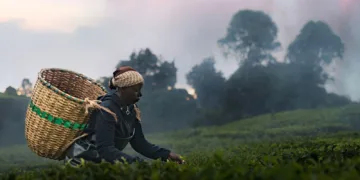
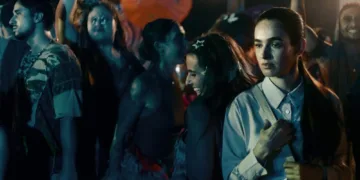




Death means freedom in the oldest story Black Zombie tells, which is why zombification carries a terror that Hollywood has spent nearly a century misunderstanding. For enslaved Africans on colonial Haiti’s sugar plantations, death held the promise that the spirit might return across the sea to an ancestral home. To become a zombie was to lose that final escape, remaining trapped in labour after the will had been emptied from the body.
Maya Annik Bedward’s feature documentary sets this spiritual imprisonment against the creature now stumbling through The Walking Dead, sprinting across World War Z, or posing beside Michael Jackson in Thriller. Her opening montage presents the familiar corpse first, then slowly removes the makeup. Beneath the wounds, rotting skin, and appetite for flesh lies an older image: a human being stripped of autonomy.
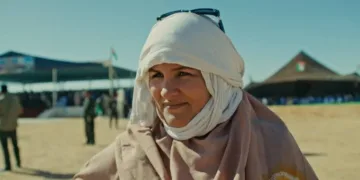
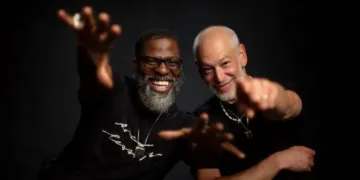
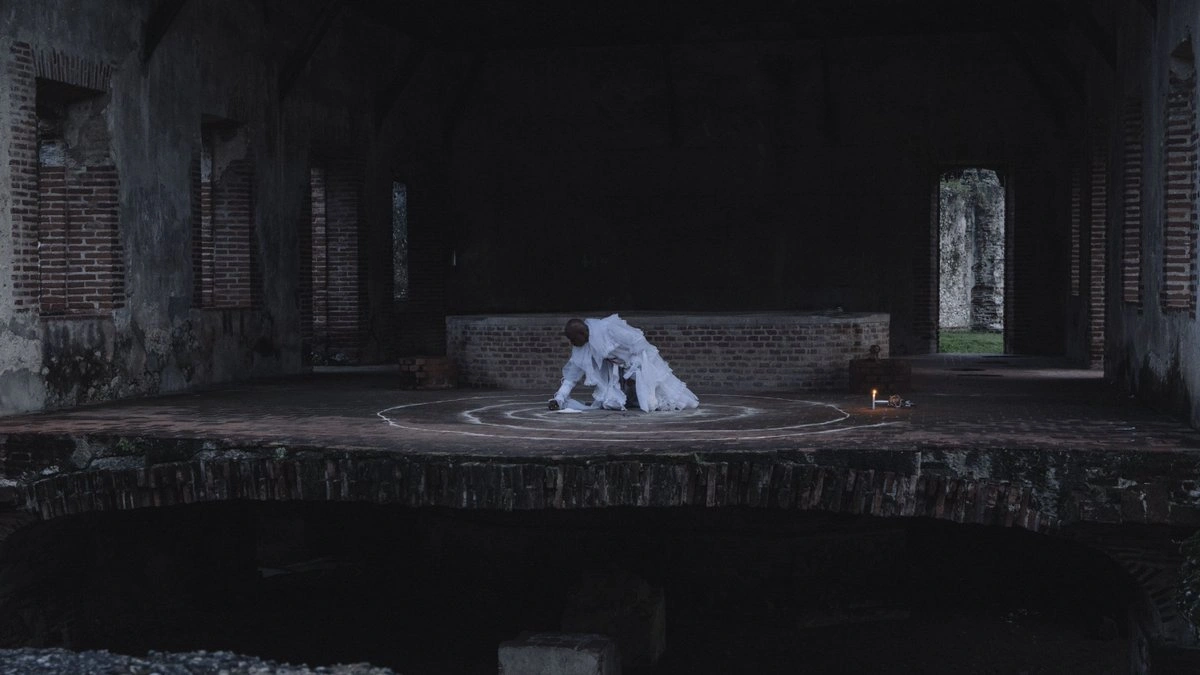
The film’s most important voices belong to Haitian Vodou practitioners. Yves-Grégory François explains the faith through ancestry and survival, while Mambo Labelle Déesse Jr. speaks from within its living practice rather than treating it as an anthropological specimen.
Erol Josue communicates through song and dance, his body carrying a history that written commentary can only approach. During these passages, Vodou appears through prayer, healing, community, and the coexistence of African spiritual traditions with Catholic belief. The horror is not resurrection. It is ownership.
The Plantation Beneath the Screen
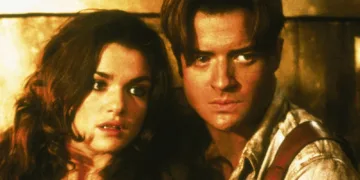
Bedward traces the Western zombie to William Seabrook’s 1929 travelogue The Magic Island, a book built from the colonial habit of observing another culture while refusing to see the people inside it. Seabrook described Black plantation workers as vacant bodies, then carried that image into the English-speaking world as exotic evidence. Hollywood inherited the distortion.
Victor Halperin’s White Zombie converted Haitian suffering into a fantasy about white innocence threatened by Black power. The person whose freedom had been stolen became the monster capable of stealing freedom from white characters. Cinema reversed the direction of the violence, then preserved the reversal until it felt natural.
Other films repeated the damage with varying degrees of theatrical enthusiasm. Live and Let Die transforms Baron Samedi, a spiritual guardian associated with death, into a flamboyant Bond villain. Wes Craven’s The Serpent and the Rainbow, adapted from Wade Davis’s ethnobotanical research, turns Haitian religion into the scenery for a white outsider’s ordeal. Davis distances himself from the film’s stereotypes during his interview, yet his presence also exposes a recurring pattern: Western institutions explain Haiti to themselves, then sell the explanation back as authority.
Kaiama L. Glover gives these examples their historical weight, connecting the zombie to enslavement, colonial administration, and the foreign gaze that made Haiti legible only as danger. The Haitian Revolution interrupts that gaze. Enslaved people rose against French rule and claimed their freedom, an event celebrated in Haiti while receiving far less attention in the historical memory of France. Later occupation by the United States and continuing economic pressure reveal how easily political control survives after its uniforms change.
The Corpse Learns to Eat
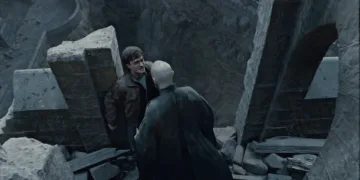
George A. Romero’s Night of the Living Dead breaks the creature away from explicit Vodou mythology. The zombie becomes a dead body driven by hunger, an anonymous mass pressing against doors and windows. Yet Bedward refuses to treat this reinvention as a clean departure.
Duane Jones’s presence gives Romero’s film a racial charge that its director, in archival footage, admits was not fully planned. Ben survives the undead siege through intelligence and discipline, only to be shot by armed white men who mistake him for another target. The image reaches back toward the older zombie story through a different route: a Black man retains his mind, his agency, and his humanity, then dies inside a society unable to recognize any of them.
Dawn of the Dead pushes the creature toward the physical vocabulary that now defines it. Tom Savini discusses the blood, wounds, and practical effects that made decomposition a spectacle. Shopping-mall zombies wander through consumer space as if habit has survived consciousness. The body has become meat, yet the fear of lost self remains.
Bedward carries that thread through The Walking Dead, The Last of Us, and other modern variations. Infection replaces sorcery. Apocalypse replaces plantation life. The settings change, while the nightmare still asks what remains after choice disappears. Zandashé Brown and Tananarive Due widen the discussion by considering how Black artists can reclaim the creature through Southern Gothic traditions and stories shaped from inside Black experience rather than imposed upon it.
Memory in Black and White
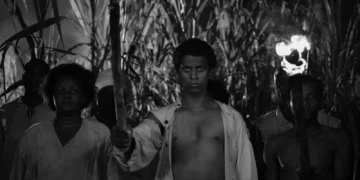
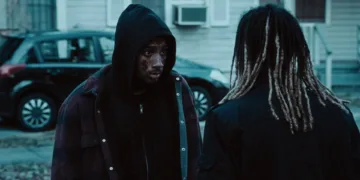
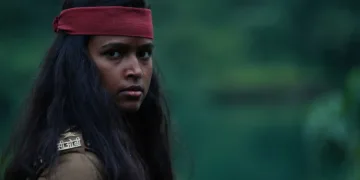
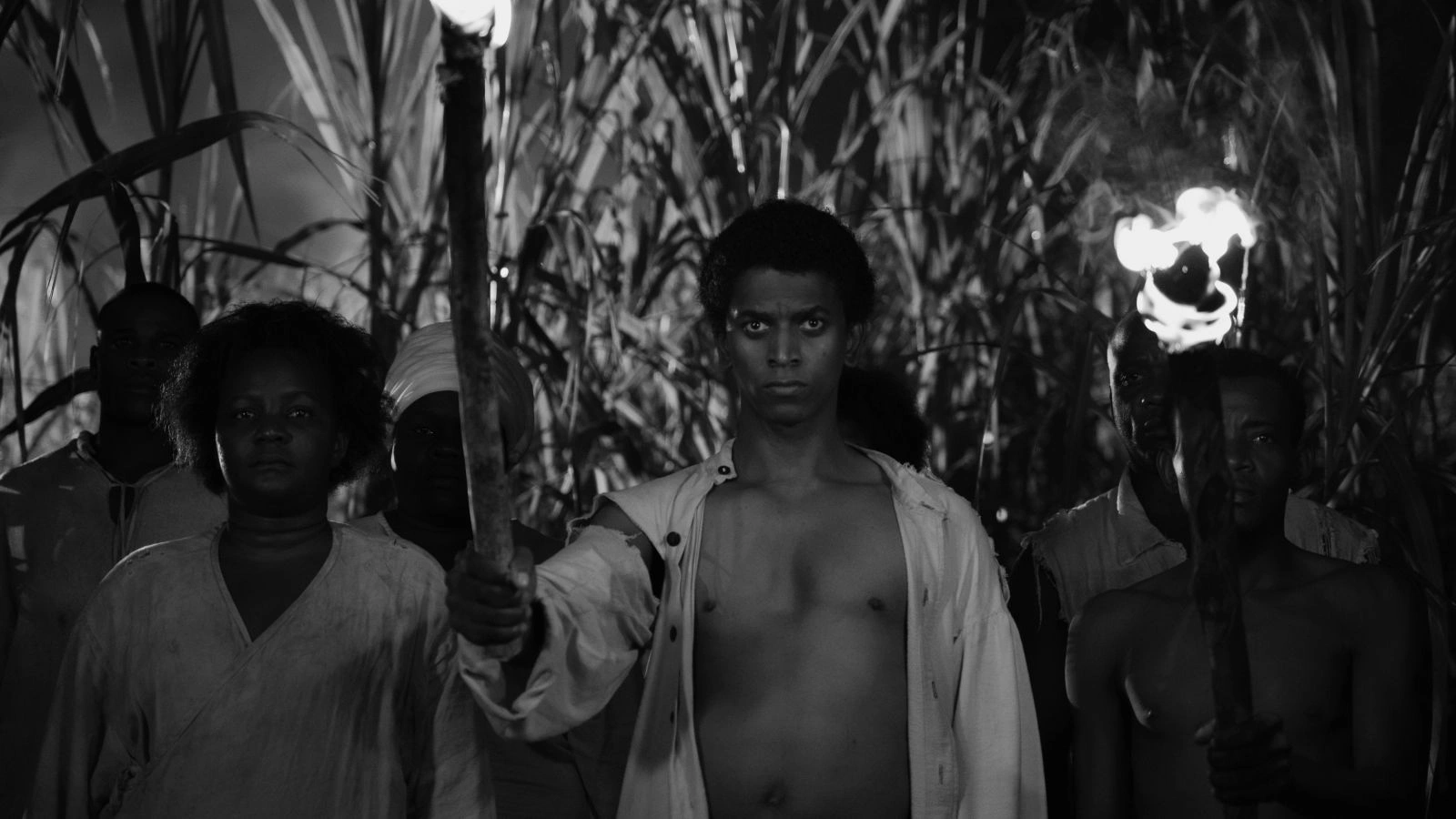
The documentary’s strongest visual passages return to colonial Haiti through monochrome dramatizations. Enslaved workers stand in cane fields or stare toward the sea, their faces suspended between exhaustion and imagined release. Duraid Munajim and Ricardo Diaz photograph these scenes with the texture of damaged memory. The images feel recovered from an absence, as if history has left behind shadows where names should have been.
David Arcus’s score moves quietly beneath Vodou prayers and staged historical scenes, creating an atmosphere where spiritual belief and documented violence occupy the same space. Its low, unsettled tones avoid treating ritual as a cheap source of menace. The unease comes from what happened to the people practising it.
Bedward’s structure can grow crowded. Chapters such as “The Crossing,” “Dead Men Working in Cane Fields,” and “Dawn of the Flesh Eaters” contain historians, filmmakers, priests, archive clips, fan gatherings, and long stretches of cultural history. Some transitions feel less like movement than accumulation. Familiar shots of scholars touching books in library stacks also belong to a safer documentary language than the film’s subject deserves.
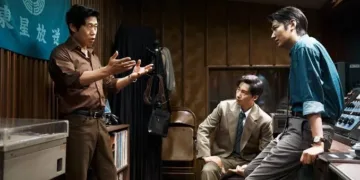
Then Bedward pulls the frame apart. The camera, lights, boom microphone, crew, and director’s chair enter the image, exposing the machinery behind the historical reconstruction. The gesture rejects the illusion that representation arrives without an author.
A mostly Black crew stands around the staged plantation world, claiming the right to shape an image that others have shaped for them for generations. The zombie looks back at the camera. This time, the camera does not look away.
Black Zombie is a documentary feature film that premiered at the South by Southwest Film & TV Festival on March 13, 2026. The film explores the historical roots of zombie mythology in Haitian Vodou, tracing its evolution from a symbol of colonial resistance and slavery into a pop culture horror trope. Viewers can watch the film through selected festival screenings and upcoming theatrical or digital releases distributed by Kino Lorber.
Full Credits
Title: Black Zombie
Distributor: Kino Lorber, Raven Banner Entertainment
Release date: March 13, 2026
Running time: 90 minutes
Director: Maya Annik Bedward
Writers: Maya Annik Bedward
Producers and Executive Producers: Maya Annik Bedward, Hannah Donegan, Kate Fraser, Jennifer Holness, Michael Paszt, Andrew Thomas Hunt, James Fler
Cast: Yves-Grégory Francois, Anderson Mojica, Erol Josué, Mambo Labelle Déese Botanica, Slash, Tom Savini, Tananarive Due, Zandashé Brown
Director of Photography (Cinematographer): Duraid Munajim, Ricardo Diaz
Editors: Avrïl Jacobson, Jay Cheel, Peter Denes, Lawrence Jackman
Composer: Dave Arcus, Mélissa Laveaux, Lister Haussman
The Review
Black Zombie
Black Zombie restores the undead to the place where their suffering first carried meaning. Its strongest passages connect zombification to enslavement, spiritual imprisonment, and the theft of human will, while the black-and-white plantation scenes give that history a mournful physical presence. The film occasionally strains beneath its many scholars, genre detours, and historical threads, yet Maya Annik Bedward keeps returning to Haitian voices with clarity and respect. Hollywood created a monster from a wound. This documentary makes the wound visible again.
PROS
- Powerful Haitian testimony
- Striking monochrome recreations
- Rigorous historical research
- Sharp horror-film analysis
- Haunting musical atmosphere
CONS
- Occasionally crowded structure
- Uneven transitions between subjects
- Some familiar documentary imagery