



























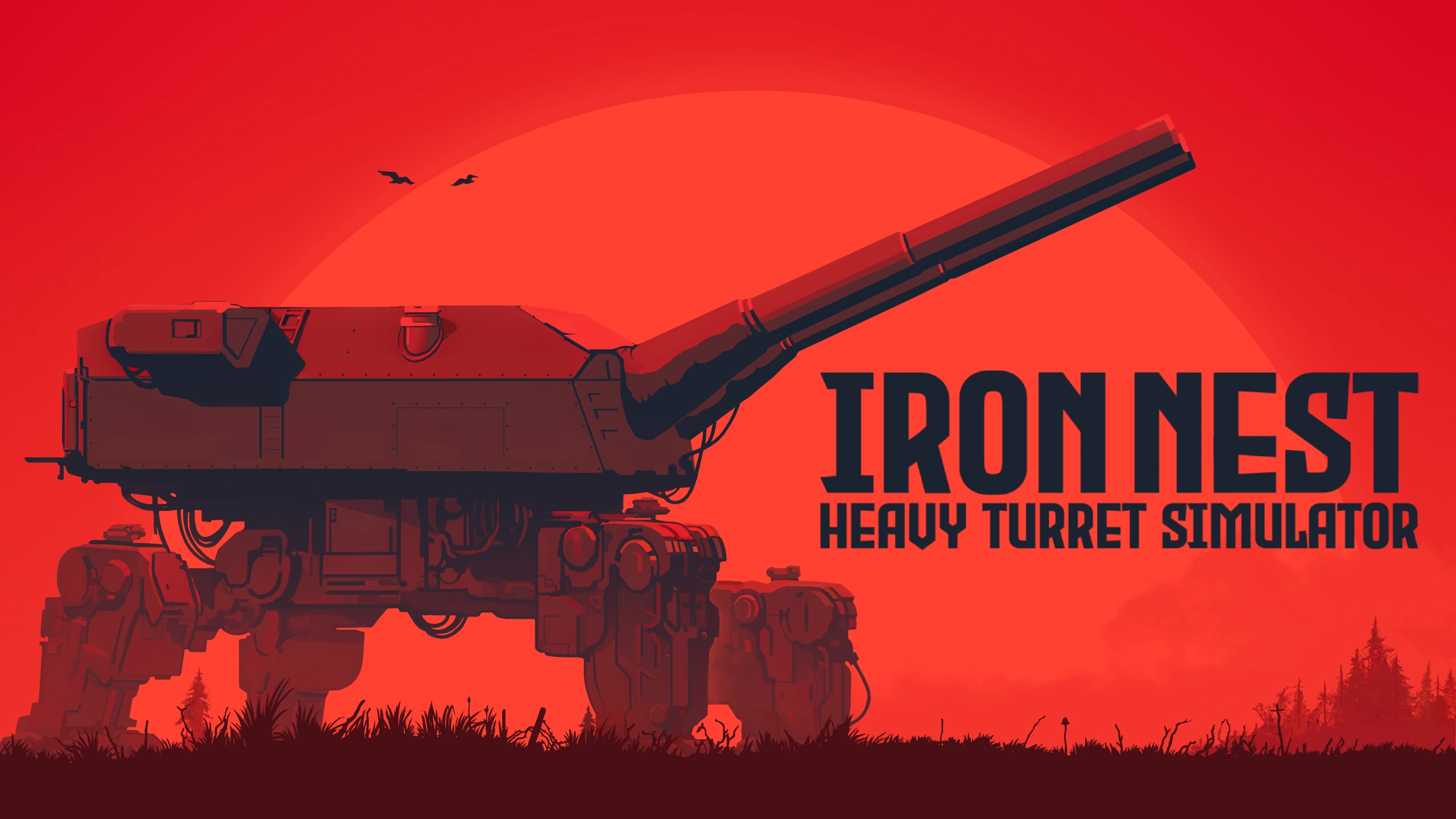

The first successful shot feels less like firing a cannon than solving a problem you have been carrying around the room. A coordinate arrives. You locate the Iron Nest on the map, mark the target, draw the necessary lines, calculate bearing and distance, determine elevation, load the right shell and propellant, then wrestle the enormous weapon into position. Only then do you pull the firing mechanism.
IRON NEST: Heavy Turret Simulator builds almost everything around that sequence. You operate a colossal four-legged artillery platform serving Castille during a campaign against anti-monarchist forces, but you rarely experience the war directly. The battlefield exists through reports, maps, photographs, reconnaissance data, and distant sounds. That separation becomes one of the game’s defining sensations. You possess enough firepower to erase a position kilometres away, yet your immediate world consists of paper, machinery, steel walls, and numbers.
Learning to Fire
At first, operating the Iron Nest can feel like being handed somebody else’s job halfway through their shift. Scout information has to be plotted correctly, targets may need triangulation from several observers, firing data must be transferred into the appropriate machinery, and ammunition needs to match the distance and objective.
The clipboard quickly becomes your closest companion. Useful lines from incoming reports can be pinned there, while completed calculations leave the bearing and elevation data needed for each shot. When several targets enter play, those scraps of information stop being convenient reminders and become the difference between staying organized and sending an expensive shell somewhere deeply embarrassing.
The physical controls give those calculations emotional weight. Bearing and elevation are adjusted with large wheels and mechanical systems that carry momentum. Let a mechanism spin too aggressively and it can overshoot. Mishandle the pressure and you may need to relieve the system through valves before continuing. Then comes the shot.
The hydraulics strain, the screen shakes, the gun detonates, and your ears briefly ring. Yet IRON NEST refuses the instant gratification of a normal shooter. There is no glowing hit marker appearing half a second later. You wait for reconnaissance to tell you what happened.
Also Read






That delay creates a wonderful little pocket of anxiety. I would often find myself preparing another shell while waiting, checking reports and quietly wondering if some tiny mathematical error had just transformed competence into friendly fire.
Repetition gradually changes that anxiety into confidence. Range, propellant, elevation, trajectory, and bearing begin to form relationships in your head. What initially requires slow checking eventually becomes instinctive. The game has very little conventional character progression, yet the person sitting at the keyboard changes noticeably. You become the upgrade system.
When the Map Pushes Back
The campaign knows that mastering a routine can become dull, so later missions keep interfering with it. Simple coordinate strikes give way to targets that must be triangulated from observer positions. Scout planes reveal enemy locations along chosen routes. STAR shells temporarily illuminate areas. Infantry movements may require smoke or tear gas support rather than high explosives.
One particularly good mission turns a moving train into a timing exercise. Its schedule and your watch become part of the firing solution, transforming artillery into a strange intersection of mathematics and anticipation. Other operations remove useful tools, restrict reconnaissance, introduce counter-artillery pressure, or place several objectives in competition for your attention.
Those complications matter because IRON NEST rarely invents entirely new systems to increase difficulty. It asks you to perform familiar actions under worse conditions. The satisfaction comes from realizing that procedures once requiring complete concentration can now be performed while another gun is cycling and new reconnaissance arrives.
The story finds its strongest material in the same distance separating operator from target. Castille’s version of events becomes suspicious early, particularly when a strike you participated in is publicly described as a rebel attack on civilians.
For most of the campaign, your operator has little identity and almost no opportunity to challenge commands. Tomas, a Castille soldier who writes to you, supplies the human presence that the cockpit deliberately lacks. He describes surviving an artillery strike inside one of the Iron Nest’s enormous footprints while the rest of his squad died nearby.
Later letters mention deserted settlements, sketches of the machine, and nightmares populated by multiple Iron Nests. His words change how the map feels. A marked coordinate remains a calculation, yet it becomes harder to pretend that nothing exists between those grid lines.
Inside the Machine
Staying almost entirely inside the Iron Nest could have made the game feel visually lifeless. Sometimes it does. Long stretches involve staring at the plotting board, repeating familiar movements, and waiting for information while the world outside remains unseen.
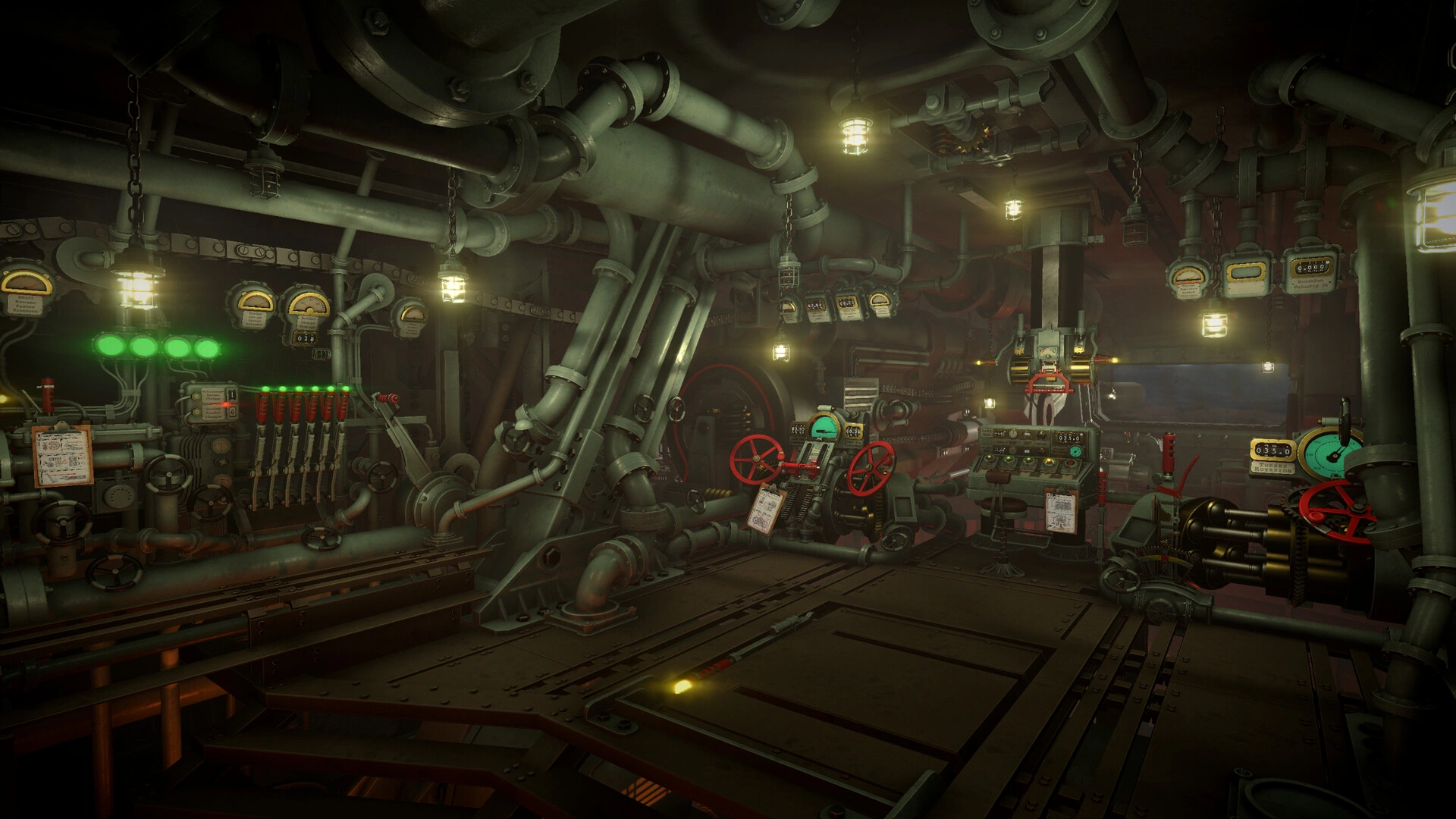
Yet the machine itself has enough personality to sustain much of the confinement. Steel beams crowd the rooms. Pipes hiss. Loading mechanisms clatter. Huge components shift around you with the unpleasant confidence of machinery that could probably remove an arm without noticing.
The sound design sells that mass beautifully. Gears grind beneath routine adjustments, hydraulics groan during rotation, and each firing sequence seems to shake every piece of metal around you. A distant impact eventually reaches the cabin as a muted thump, then the machinery resumes its constant industrial noise as if nothing happened.
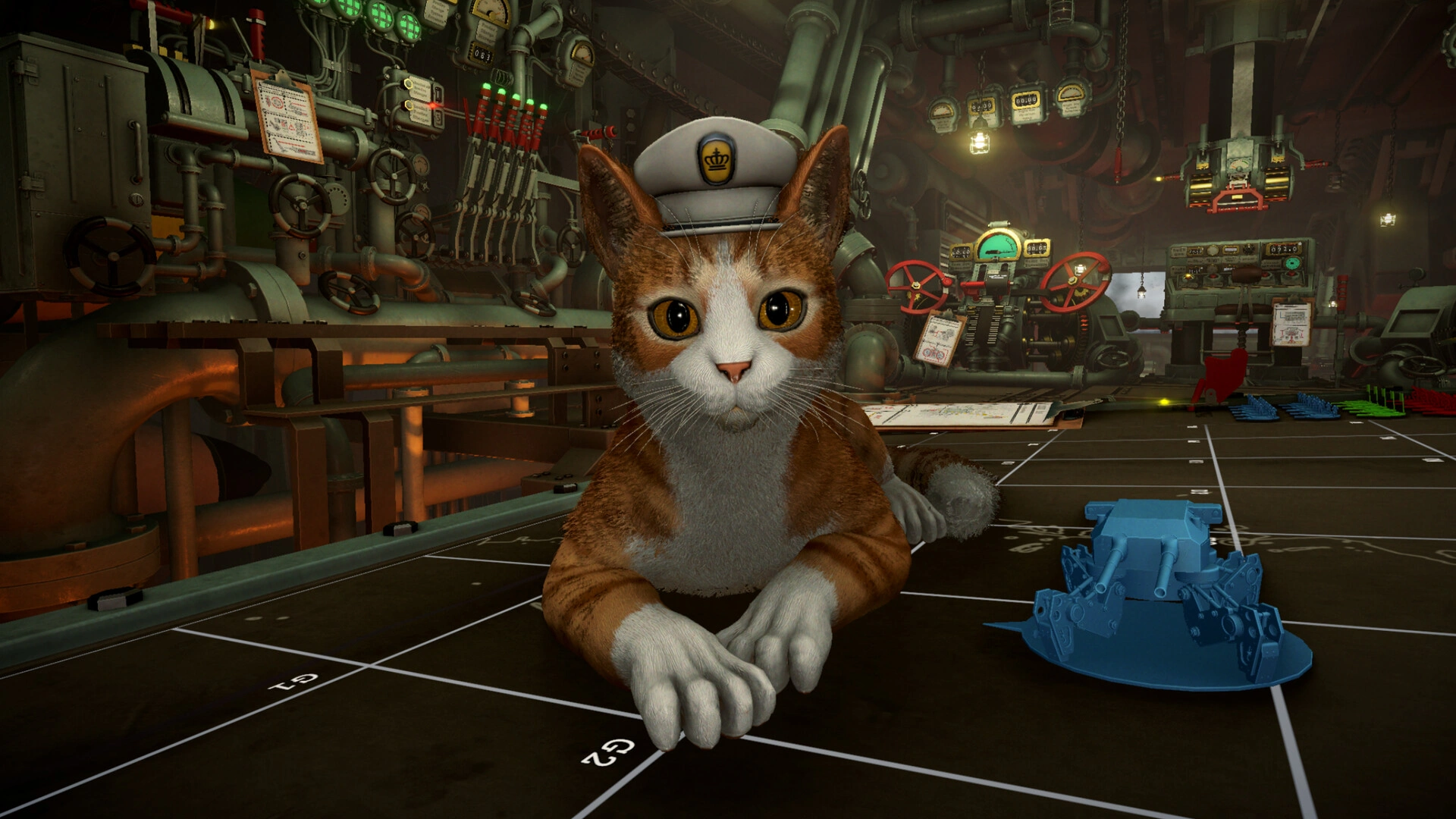
There are gentler details downstairs: a bed, coffee, and a cat. Upstairs, a record player can provide music while you work. Those domestic touches make the Iron Nest feel strangely habitable, which only makes its purpose harder to ignore.
The confinement does bring repetition, and occasional stutters can puncture the illusion. Multiplayer also feels like an obvious missing piece. With two guns and several overlapping jobs, splitting plotting and firing duties between operators could have created wonderfully frantic coordination.
Still, the solitude serves something specific. Every mistake belongs to you. Every correct firing solution belongs to you too. By the time bearings, propellant charges, and reconnaissance reports start moving through your head without conscious effort, IRON NEST has achieved its strangest trick: it has made.
The Review
IRON NEST: Heavy Turret Simulator
IRON NEST: Heavy Turret Simulator turns calculations, levers, pressure valves, and handwritten firing data into a strangely absorbing rhythm. The real thrill comes before the explosion, when scattered reconnaissance finally resolves into coordinates and a carefully prepared shell leaves the barrel. Its cramped setting and repetitive visuals will test players who need constant spectacle, yet that confinement gives every distant impact an eerie weight. Few simulations make competence feel this satisfying, or obedience this uncomfortable.
PROS
- Excellent tactile artillery workflow
- Satisfying player-driven mastery
- Strong industrial sound design
- Clever escalating mission scenarios
- Effective narrative unease
CONS
- Visually repetitive interior
- Punishing procedural mistakes
- Occasional performance stutters
- No multiplayer option