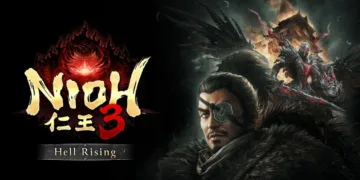

























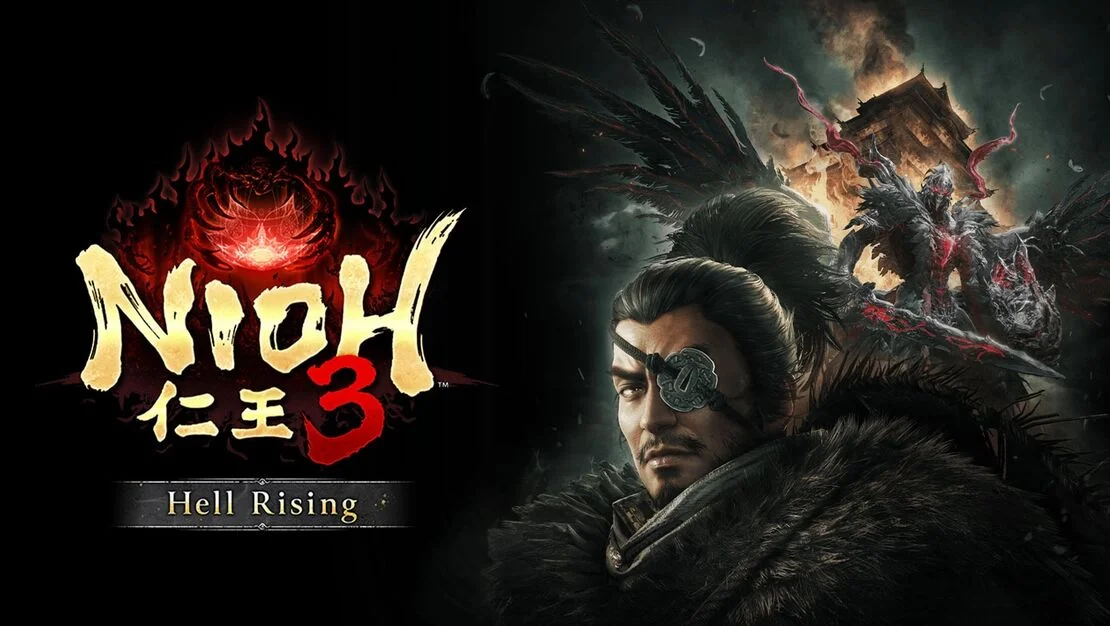

Nioh 3: Hell Rising asks a simple question: what happens when a combat system this dense receives another set of tools? The answer depends on how much time a player wants to spend inside its mechanics. Team Ninja’s expansion does not rebuild the foundation of Nioh 3. It adds new pressure points to a system built around timing, positioning, and careful character construction.
The expansion begins after Takechiyo has become shogun, sending him into a future Edo threatened by the return of the Crucible. The story introduces figures such as Yagyu Jubei, Rodrigo, and Yui Shosetsu while tying the conflict to Spirit Stones and the Keian Uprising. The setup provides a reason for another battle against supernatural forces, though the narrative rarely develops beyond that function. Characters appear, establish the next conflict, and return to the background once combat resumes.
That approach fits Nioh 3’s priorities. The series has always placed its strongest ideas in the space between a player’s hands and the enemy’s attacks. Hell Rising continues that tradition through its biggest addition: the Hoko & Shield weapon.
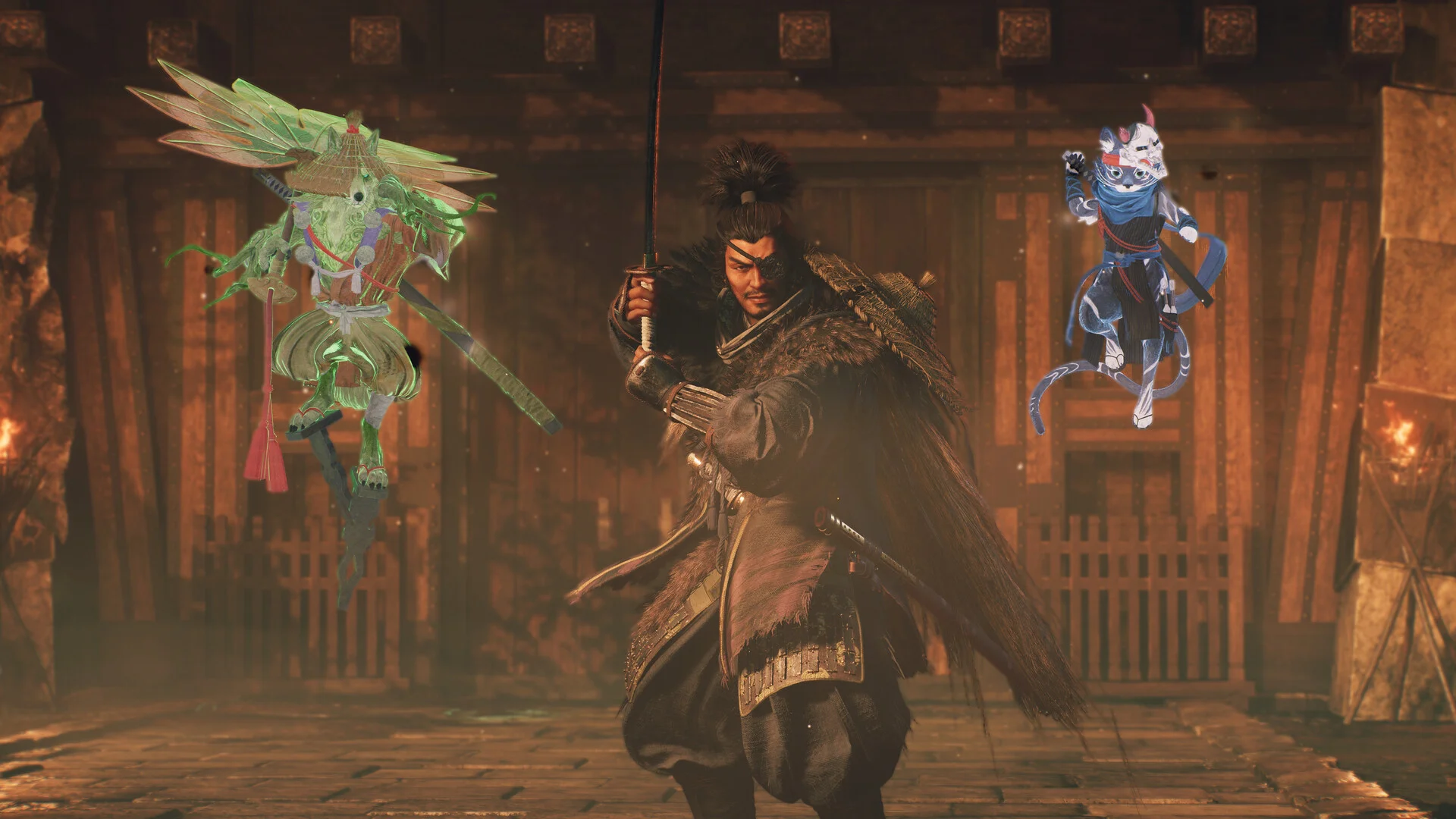
The Hoko & Shield changes the usual rhythm of combat by allowing players to defend while maintaining offensive momentum. Most Nioh weapons ask players to read attacks, avoid damage, and create openings. This weapon creates another option. A well-timed block can become part of an attack sequence rather than an interruption.
The system works differently depending on the chosen style. Samurai players can use heavier attacks and defensive positioning, with Living Artifact adding a chain to increase the shield’s range. Ninja players receive a faster approach built around quick strikes and movement. The difference is clear when fighting aggressive enemies because the weapon encourages players to stay close instead of waiting for safe openings.
The weapon does not completely replace existing builds, though. Players who have already mastered their preferred setups may find the Hoko & Shield interesting rather than essential. Its value comes from offering another combat language inside Nioh’s existing vocabulary.
The expansion’s other major system, Painted Scrolls of One Hundred Demon Realms, focuses on replayability. These scrolls generate battles with changing enemy combinations, environments, and modifiers. After collecting a scroll, players purify it at a shrine and enter the challenge attached to it. Completing these encounters unlocks the scroll as equipment and opens another layer of customization.
The interesting part of the system is the risk involved in improving a scroll. Players receive limited attempts to enhance it, with effects changing randomly during upgrades. This creates a familiar loot problem: the perfect item might be close, but chasing it can cost a version that was already useful.
For players who enjoy optimizing equipment, this system gives Nioh 3 another long-term goal. For players who prefer straightforward progression, it can feel like another menu demanding attention.
Journey of Enlightenment continues that focus on veteran players. The third difficulty level increases enemy strength, introduces Curse buffs, and rewards successful runs with divine rarity gear, new Grace effects, and stronger bonuses. The mode understands its audience. It is designed for players who have already learned the combat system and want enemies that test their knowledge.
The new Edo region provides the space for these systems to work. The map connects flooded villages, forests, underground areas, volcanic landscapes, and strange laboratories filled with foreign alchemy. Exploration remains one of Nioh 3’s strongest features because every path can lead to another item, enemy encounter, or shortcut.
The biggest limitation comes from enemy variety. Several returning yokai appear again, including familiar creatures from the base game. Some bosses bring interesting challenges, such as battles against Yagyu Jubei or encounters where multiple enemies fight with different allegiances, but the expansion relies heavily on humanoid opponents. After a game built around memorable yokai battles, that choice feels restrictive.
Performance depends on the platform. PC players with strong hardware can expect a smooth experience at high settings, while console players may encounter frame rate drops in demanding areas.
Hell Rising succeeds because it understands what makes Nioh work. The expansion gives players new systems to master, new equipment to chase, and another region filled with combat opportunities. Its weaker story and familiar enemies prevent it from feeling essential for everyone, yet players who are still experimenting with builds will find plenty to analyze in every fight.
The Review
Nioh 3 Hell Rising
Nioh 3: Hell Rising understands exactly why players return to Team Ninja’s combat systems. The Hoko & Shield adds meaningful tactical options, Painted Scrolls deepen the loot chase, and Journey of Enlightenment gives veterans another reason to refine their builds. The expansion stumbles with recycled enemies, limited boss variety, and a story that mostly functions as a bridge to the next chapter. For dedicated players, it is a valuable extension of the formula.
PROS
- Hoko & Shield combat system
- Deep build experimentation
- Expansive Edo region
- Challenging endgame additions
CONS
- Reused enemy roster
- Thin narrative progression
- Limited boss variety
- Performance drops on console