


























Losing all your health in Kalanoro doesn’t have to mean losing the collectibles you’ve found. Spend some collected currency to continue, and those discoveries stay with you. Falling into a pit is gentler still, placing Kalakely nearby for another attempt. These small allowances change the mood of exploration. A branching path can invite curiosity without asking you to weigh its rewards against everything already gathered. The map also records collected items, easing the search on return visits. Finding a secret remains a pleasure you get to keep, even if the next jump goes wrong.
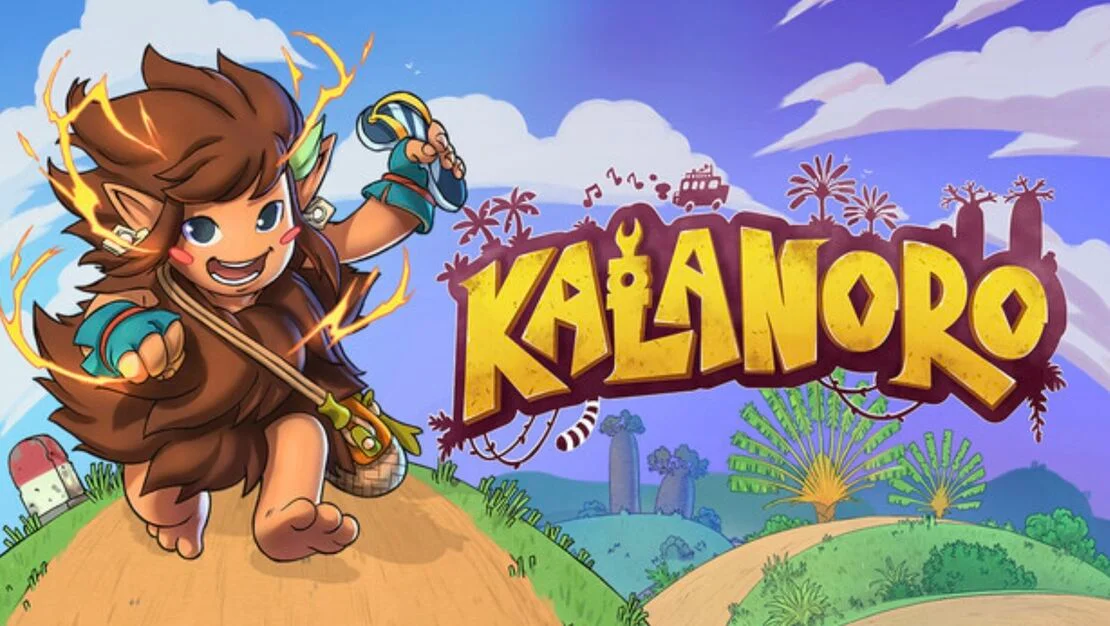
Kalakely’s movement makes that invitation easy to accept. Double jumps and air dashes give crossing gaps a pleasing sense of freedom, while her long hair connects traversal to the character herself. She can use it to pull platforms and get through obstacles, then lash it toward an enemy to close the distance or disarm them. The same feature that makes her visually distinctive becomes something you depend on. That connection helps the Madagascar-inspired setting feel present in your hands, rather than confined to scenery and dialogue.
Combat carries that playfulness into an assortment of unlikely weapons. Vegetables, frying pans, hammers, and flip-flops can become tools for bashing enemies, with limited durability encouraging you to pick up something else. There is an appealing lack of ceremony to it: a heroic confrontation can involve whatever household object happens to be available. Most enemies offer little resistance, though larger shielded opponents demand some consideration and occasional bosses vary the encounters. The fighting can become repetitive, but its low difficulty suits the relaxed exploration.
The hair abilities introduce a smaller frustration through their cooldowns. Circular timers beside the ability icons show when a move is unavailable, but missing that information can make a pause resemble an ignored command. This matters because Kalakely’s appeal depends partly on the ease of moving between her tools. Hesitation interrupts that relationship, even when the system is working as designed.
Kalakely’s larger task gives all this wandering a social destination. A prophecy sets her against Raneny, a witch whose factories threaten Lemuria’s habitat. Rescuing lemur musicians and recovering their instruments gradually assembles a band, while attracting fans prepares the group for concerts.
The threatened island and chosen hero are familiar adventure ingredients, but recruiting an audience changes the texture of resistance. You spend time helping people become ready to perform together. Kalanoro takes its name from the long-haired forest spirits of Madagascar’s folklore, and its protagonist brings that inspiration into an adventure concerned with building a shared presence.
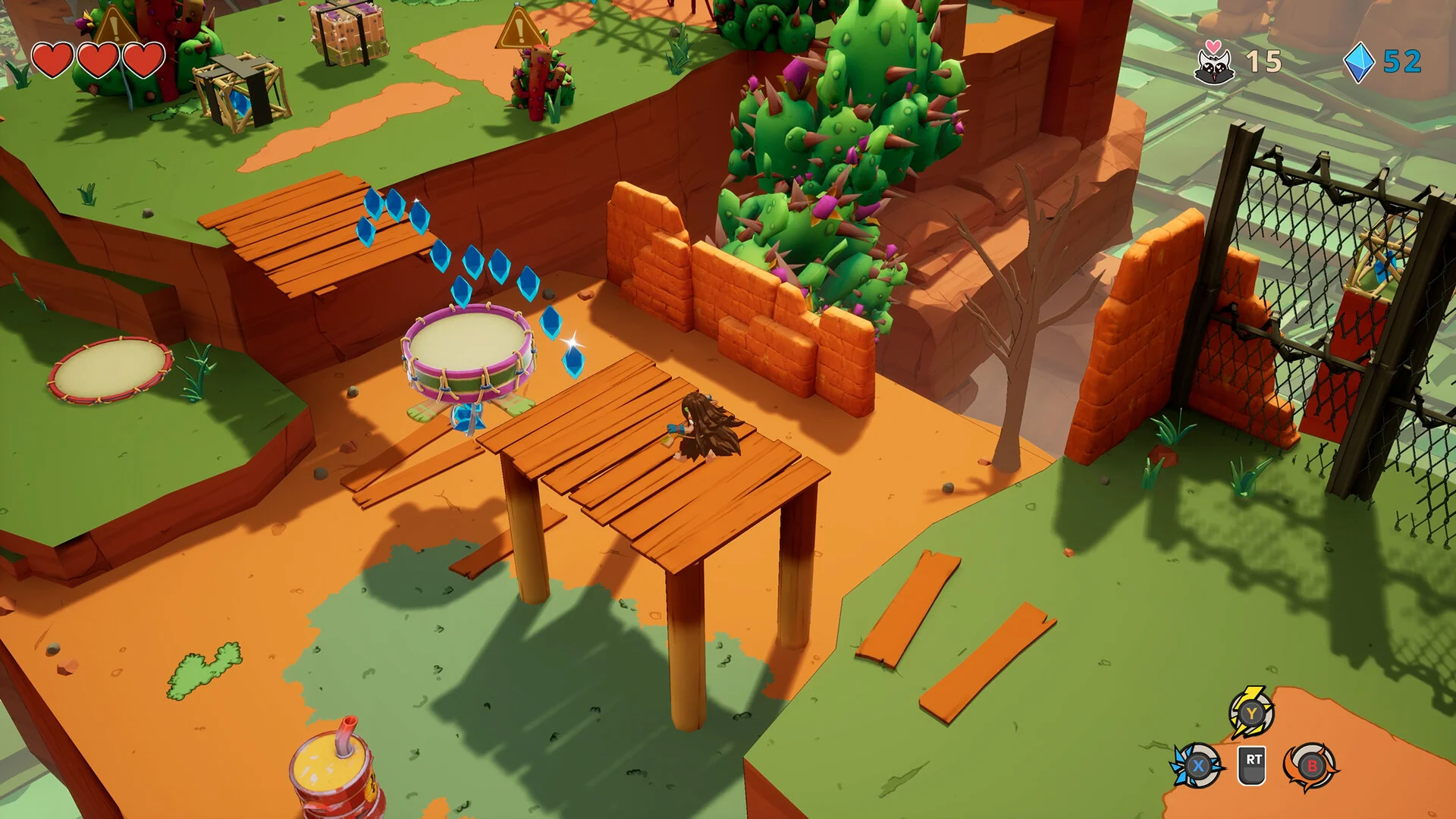
Putting up flyers makes that presence tangible. Wood supplies their production, and some stages let you cover Raneny’s signs with the band’s publicity. Collecting a resource becomes a way to give your musicians space in the world. NPC conversations and corporate holographic advertisements carry further pieces of the conflict without requiring every excursion to stop for an explanation. The posters are especially effective because they connect a modest player action to the premise. You can understand the growing opposition through something you have placed yourself, and the fan requirements for concerts give that effort a destination.
The performances deliver a welcome glimpse of the group functioning as a band. Timing button presses and dealing with enemies trying to disrupt the show keep the player involved; batting intruders away with a broom preserves the adventure’s unpretentious humor.
These are short, simple minigames, though, and the musical payoff has less room to develop than the recruitment leading into it. There is satisfaction in seeing the musicians perform, but little opportunity for someone drawn to rhythm games to settle into a substantial musical challenge. Concerts work best as celebrations between stretches of exploration. Their brevity limits how much they can carry the game’s distinctive premise.
That personality deserves a clearer image than the Switch version consistently provides. Its colorful 3D characters, cheerful environments, and odd enemy designs support the friendly tone, but the soft presentation, particularly in handheld mode, places some distance between the player and those details.
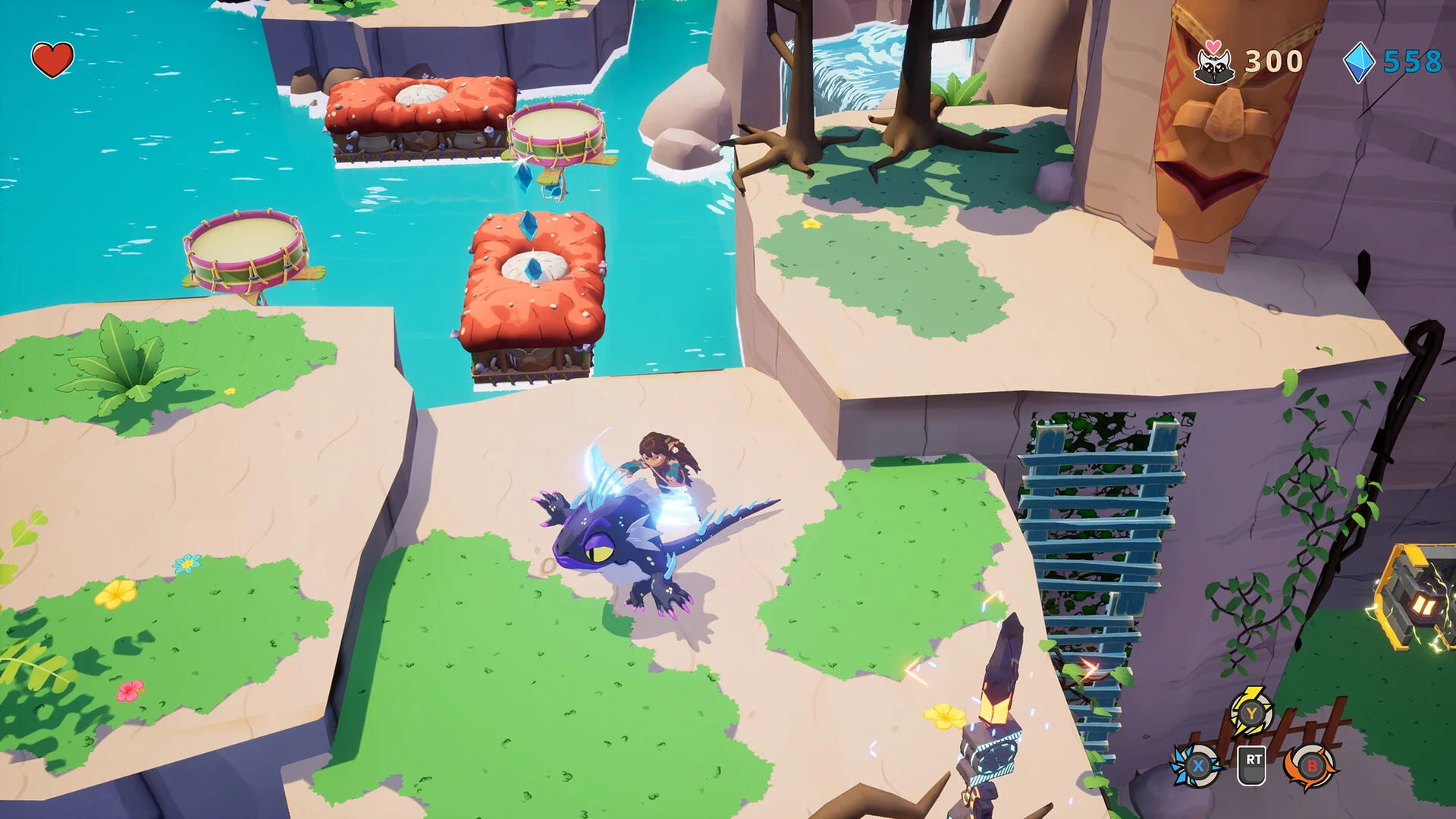
Playing on a television improves the image without fully removing the softness. This is a visual limitation rather than evidence of unreliable performance. It matters here because affection for Kalakely and her surroundings does useful work during the easier encounters. The designs help sustain interest when the fighting offers little pressure.
The tour bus offers another way to develop that affection. Musicians gather there between destinations, giving the player a place to talk, grow plants, craft, and cook. Preparing Madagascar-inspired dishes through a simple slider-timing minigame connects the setting to an ordinary act of care. Meals and song requests let rescued characters have needs beyond being extracted from danger.
After spending time crossing gaps and collecting resources, looking after the group can provide a pleasant change of attention. The bus gives the adventure somewhere to return to, with the people you have helped waiting inside.
Keeping those musicians happy becomes less inviting when an unhappy member can be captured again, requiring another rescue. The problem is the feeling attached to a completed act. Bringing someone back should strengthen the group; repeating that task can make companionship feel precarious and maintenance feel compulsory. Players who enjoy tending a shared space may welcome the requests, but the penalty competes with the freedom that makes exploration so comfortable. Kalanoro protects a discovered collectible after failure, yet asks for continuing upkeep around a rescued friend.
The Review
Kalanoro
Kalanoro makes curiosity feel comfortable and gives exploration a friendly purpose through its growing band. Kalakely’s hair abilities and improvised weapons turn that warmth into something playable, while concerts reward the effort of gathering musicians and fans. Repetitive fights and brief musical challenges limit the excitement, and compulsory band upkeep can strain the affection it builds. Switch image softness also dulls its inviting designs. Still, there is genuine pleasure in helping this peculiar little group find an audience.
PROS
- Forgiving exploration preserves the pleasure of discovery.
- Hair abilities connect character identity to action.
- Recruitment and posters give collecting a shared purpose.
- Bus activities create opportunities for companionship.
CONS
- Routine combat becomes repetitive.
- Concert minigames offer limited musical depth.
- Repeated rescues turn band care into compulsory upkeep.
- Soft Switch visuals weaken the presentation.