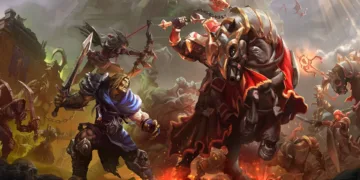


















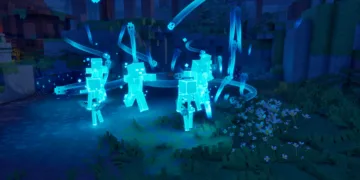



Capturing a tower in Andorhal sends friendly soldiers marching toward the next stretch of the city. They are controlled by the game, so holding that ground does not mean directing every sword yourself. It means making room for other people to push forward. The Siege of Andorhal gives a familiar Warcraft III battle a feeling of collective effort at a point in the story when Lordaeron has precious little reason for hope.
Stratholme makes that effort harder to hold onto. Garek Bandarion and the elven priest Ilastar Songbreeze lead separate groups through the ruined city, and each can complete an objective that helps the other advance. When their paths finally meet, the relief comes from having spent half a mission unable to bring everyone together. These are among the best hours in Warcraft III Reforged: Forsaken Kingdom, because the missions let you feel the distance between people trying to survive the same disaster.
The four-mission Last Days of Lordaeron prologue takes place as Arthas returns home and his kingdom falls apart. Garek, a guard lieutenant, fights through its aftermath before the main campaign follows him into a second life among the Forsaken. With Dark Ranger Anya at his side and Sylvanas directing their efforts, he helps establish the Undercity beneath the capital’s ruins.
For players who know World of Warcraft, that city has long been a destination. Here, its streets and surrounding countryside are places being claimed, contested, and slowly made usable. Capital City feels enormous before it falls; the Undercity feels enormous because there is so much work left to do inside it.
The main campaign gives that work a different rhythm. Its three chapters are a freer, quest-driven adventure in the spirit of The Frozen Throne’s Rexxar campaign, with Garek and Anya exploring, gaining levels, and filling new equipment slots. Spending time in the Undercity suits a story about people building a home after losing one.
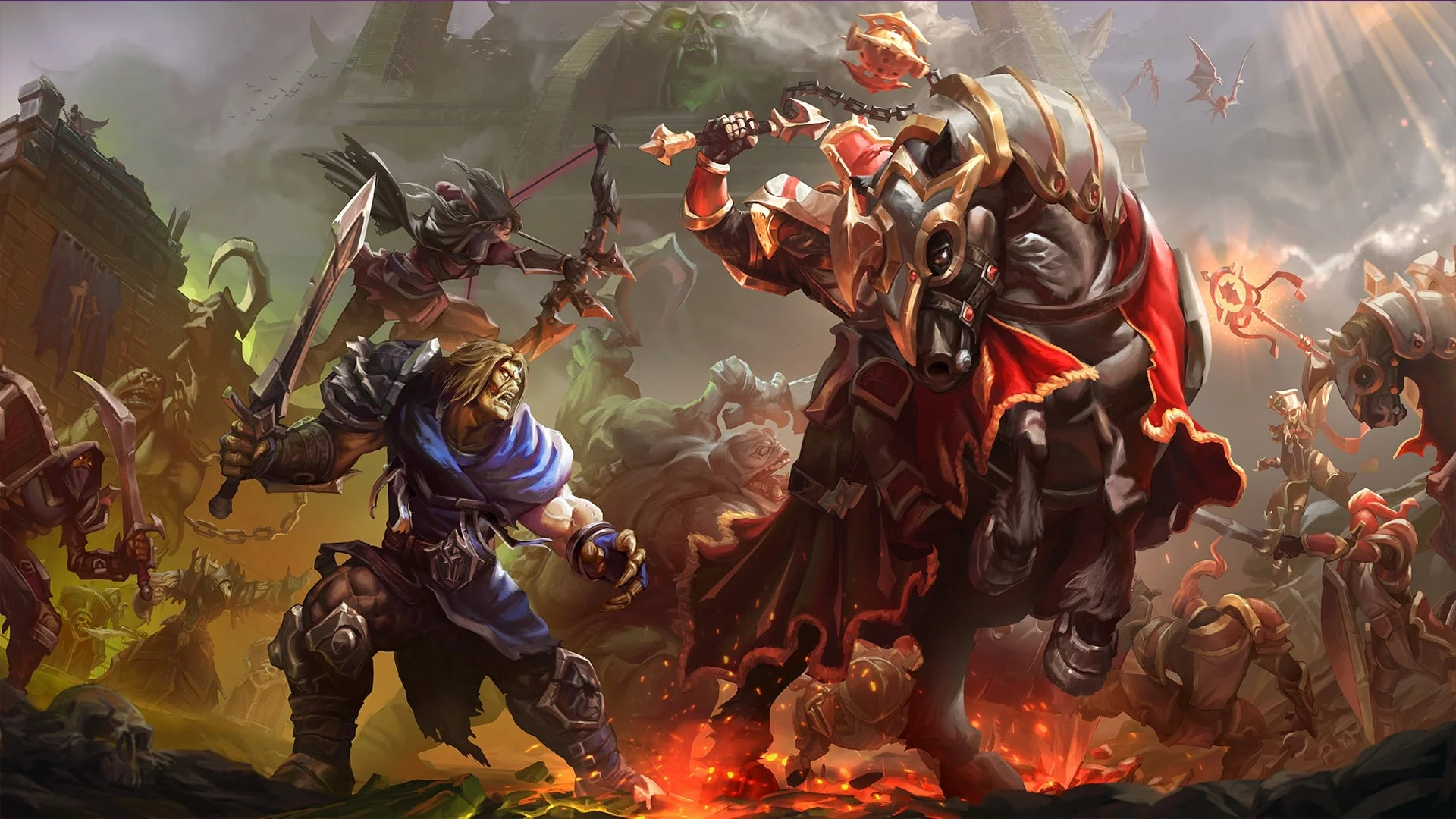
The Scarlet Crusade also feels like a force capable of threatening that effort, with armies and equipment that give its presence weight beyond a few hostile characters on a map. I liked having time to learn these places and return to them, especially after the prologue’s desperate movement from one crisis to the next.
I missed commanding an army, though. Only one mission after the prologue makes much use of the RTS side of Warcraft III, and the campaign’s economy often pushes you further from it. Troops bought at mercenary camps cost money that could buy Garek and Anya permanent gear.
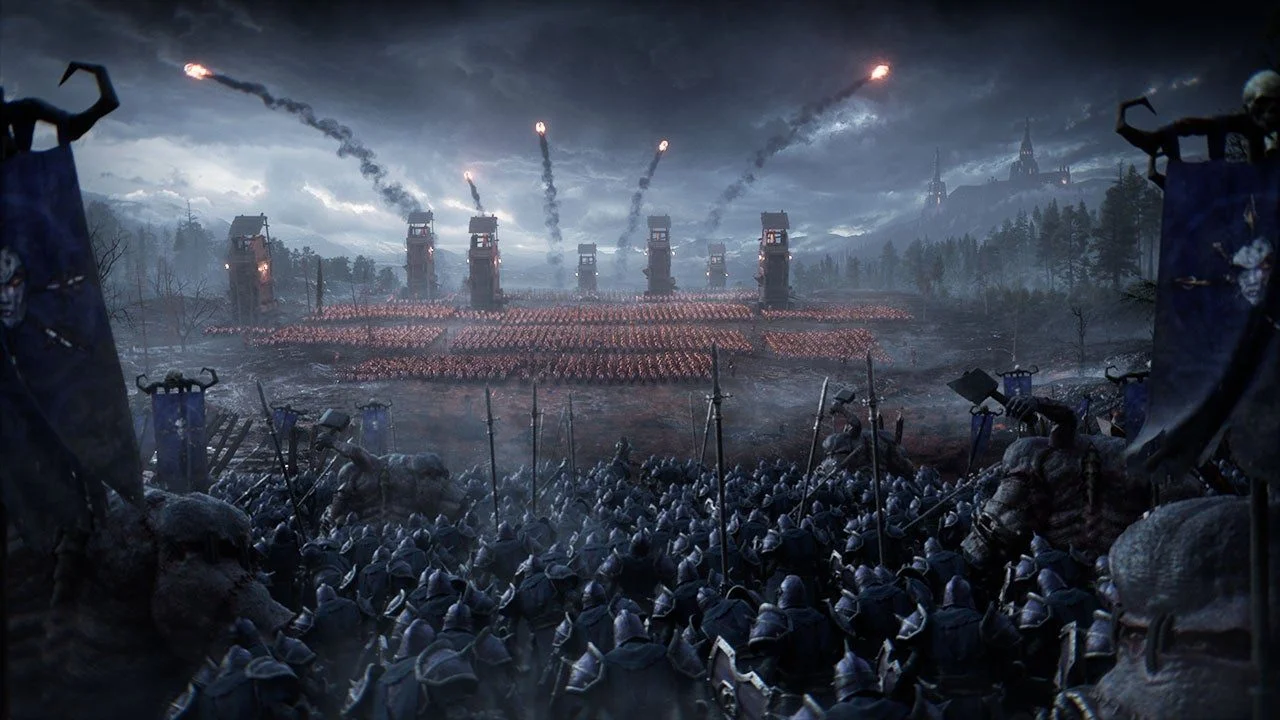
A Forsaken Deathguard may die in the next fight; a new sword stays equipped. Altars also let the heroes respawn for free through much of the adventure, which can make another attempt with the same two characters feel easier than gathering support. Those choices keep the journey accessible and brisk, but they pull against its story. The Undercity may be growing around you, yet too many of its battles feel as if its fate rests with two people.
That gap becomes harder to ignore as the story grows in scale. Garek’s connection to the Light gives the campaign an emotional thread, and an undead paladin is an appealing figure through whom to explore what the Forsaken remember of their former lives. His late surge of power, however, arrives with less preparation than its importance demands. Around the same stretch, the threat tied to Naxxramas turns a struggle for territory and survival into a far grander confrontation.
The spectacle has energy, but it changes what the campaign asks me to care about. Earlier, securing a street or facing the Scarlet Crusade said something about how the Forsaken might endure. Near the end, Garek’s extraordinary abilities begin to crowd out the people and place that gave his journey its meaning. The concerns about how these events fit Warcraft lore are fair; the loss I felt most keenly was inside this campaign’s own progression.
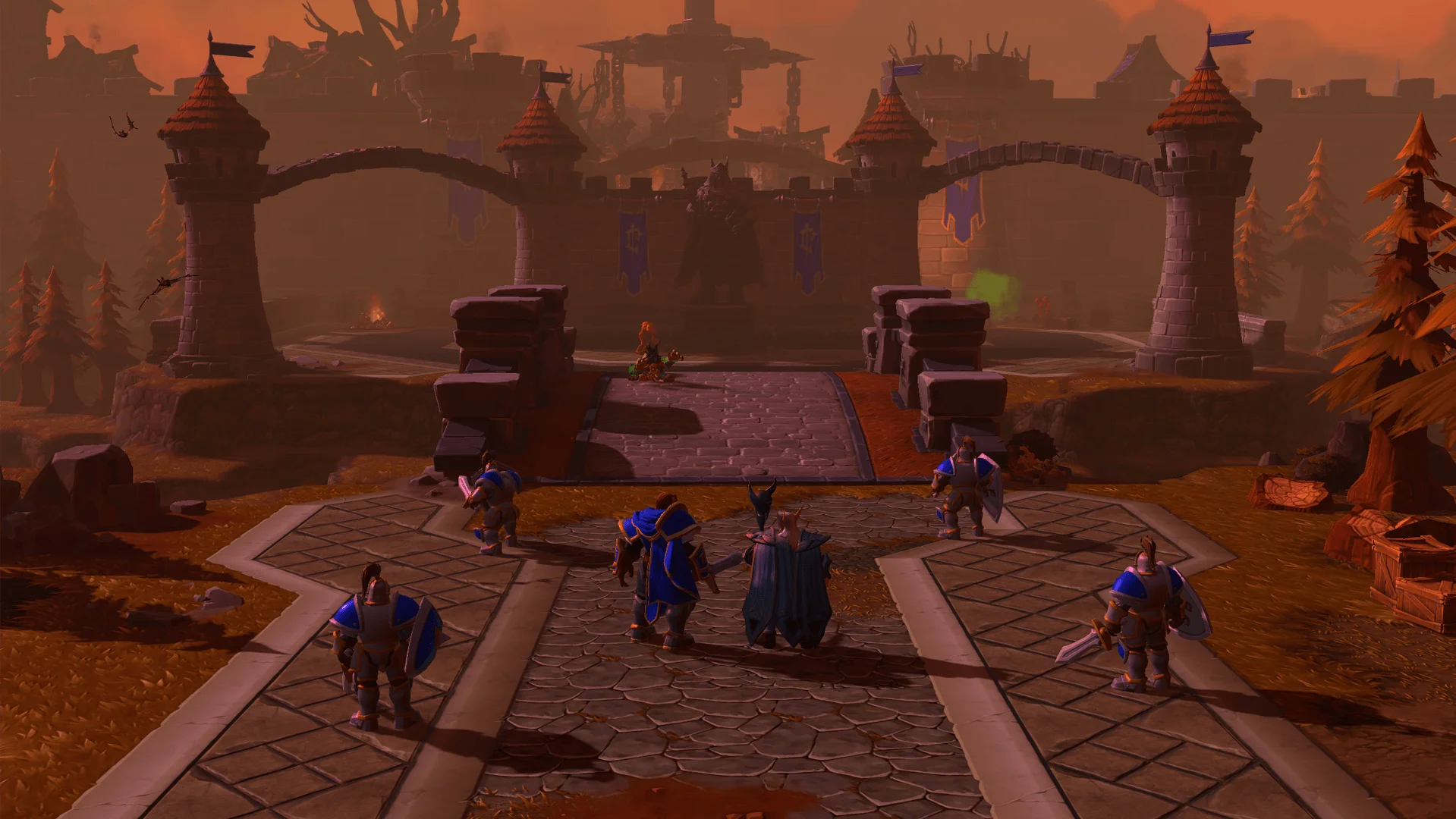
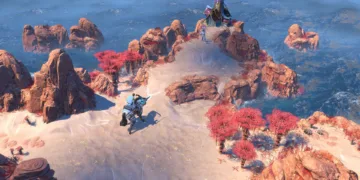
Definitive Edition has a similar sensitivity to scale, though its results are much happier from a distance. Up close in cutscenes, some armor looks flat, with rough transitions between its colors and metallic edges. In a skirmish viewed from above, units and buildings retain the bold shapes that make them easy to recognize at speed while looking sharper than their classic counterparts. That view also helps the campaign’s large cities feel like places you can move through rather than backdrops built for a close camera. The visual work is most persuasive when it serves the way Warcraft III is played.
Garek’s story carries into multiplayer through the new Forsaken Paladin. His charge can slow enemies, while his healing benefits living allies rather than friendly undead, an odd and interesting fit for a hero born from this campaign.
I would leave firm judgments about his competitive strength to many more matches, but his arrival gives players a fresh decision at the Tavern. The expanded control-group limit, from 12 units to 24, changes how much of a force they can command at once. After so much time spent relying on Garek and Anya alone, returning to a skirmish and moving a larger group across the field made the missing army feel all the clearer.
The Review
Warcraft III Reforged: Forsaken Kingdom
Forsaken Kingdom is most affecting when it lets you fight for Lordaeron one street at a time and help the Forsaken make a home beneath its ruins. Andorhal and Stratholme turn that struggle into memorable missions, while the freer campaign gives the Undercity room to feel lived in. Too much hero combat and a late leap toward spectacle weaken the sense of shared survival. Definitive Edition looks convincing from the battlefield, and the new Paladin gives multiplayer a welcome fresh choice. I’m glad to have returned, even if I wanted to spend longer with the people rebuilding that city.
PROS
- Andorhal and Stratholme make cooperation feel meaningful
- The Undercity has an impressive sense of scale and place
- Definitive Edition reads beautifully from above
- A new Paladin refreshes the Tavern roster
CONS
- The main campaign rarely asks you to command an army
- Gear and free respawns discourage using troops
- The late story escalation weakens its grounded beginnings
- Some textures look flat in close cutscenes