



























Anthony Ippolito never got an invitation to audition for “I Play Rocky.” He sent a self-made tape to the director anyway, and it won him the role of a young Sylvester Stallone. The 27-year-old actor, best known for playing Al Pacino in the series “The Offer,” learned that Oscar-winning director Peter Farrelly was developing a film about Stallone’s fight to write and star in the original “Rocky.”
Ippolito recorded material on his own and sent it cold. Farrelly, who admired the Pacino portrayal but had not tied it to Ippolito, watched and told his team, “that’s the guy.” He dropped plans for a worldwide casting search. Farrelly credited the actor with capturing Stallone the man rather than the screen persona.
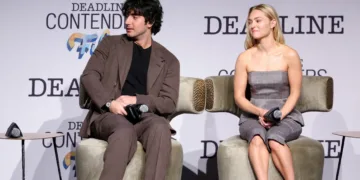
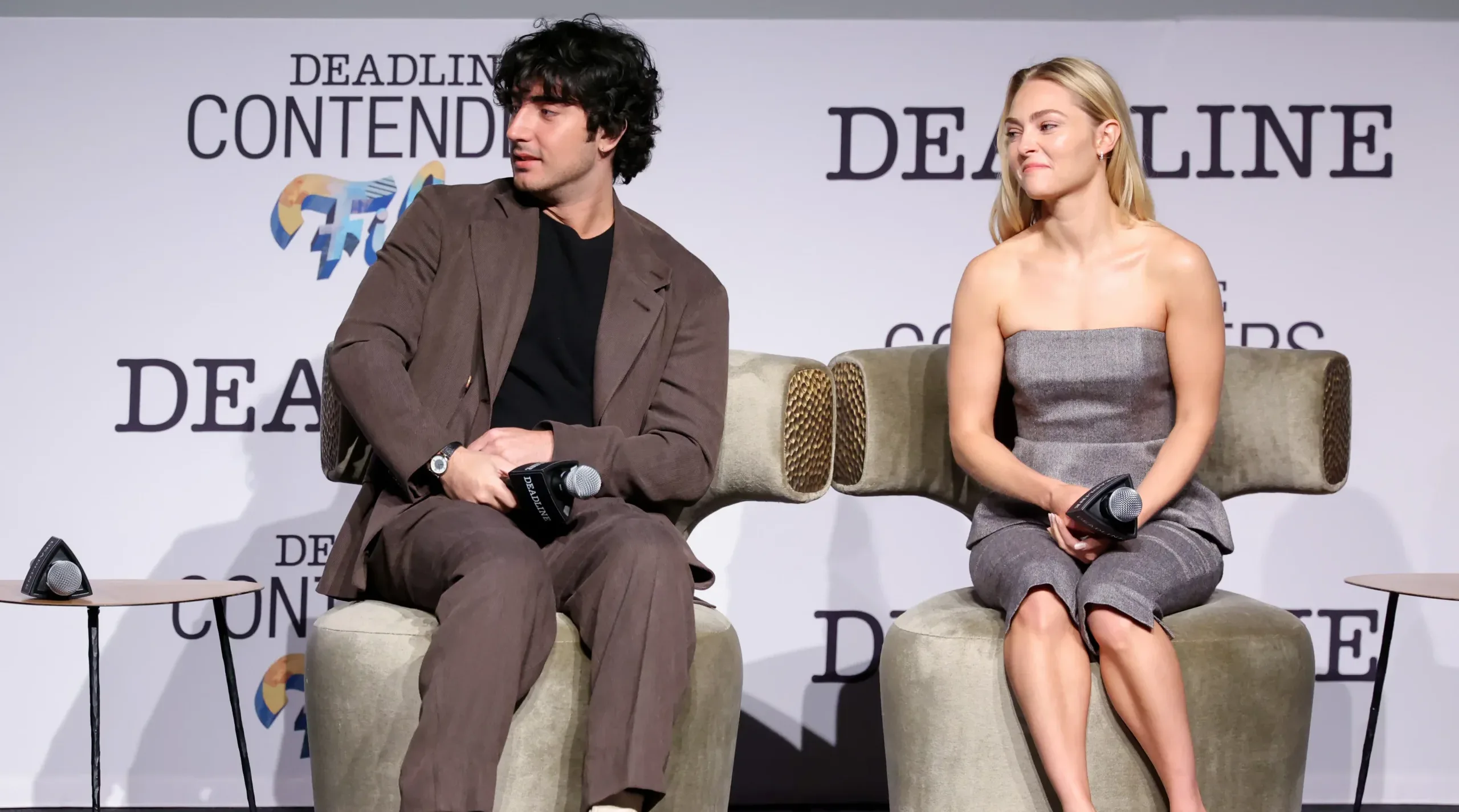
Amazon MGM Studios opened the film in limited release this month. Peter Gamble wrote the script, which follows the 1976 push to get “Rocky” made. Stallone reportedly turned down offers near $300,000 for the screenplay because the buyers wanted another star. Stephan James plays Carl Weathers, AnnaSophia Robb plays Stallone’s first wife, Sasha, and Matt Dillon and Tracy Letts round out the cast.
The role demanded a new body. Ippolito spent nearly two years growing from about 150 pounds to roughly 180, training at Gleason’s Gym in Brooklyn, he told Variety. He described the process as a lifestyle shift that took priority every day. Friends noticed the change before he explained it.
His first scenes came opposite the dog playing Butkus, the pet Stallone sold for $40 when money ran out and bought back for $15,000 after the script sold. Ippolito met the animal, which weighs between 140 and 160 pounds, one day before shooting. Treats eventually softened it. For the first days, he said, the dog “wasn’t a huge fan of me,” and it did what it pleased on set.
Ippolito argued the unpredictability produced some of the best footage, as long as the crew stayed patient. Stallone had no hand in the production beyond a conversation with Farrelly. He has since watched the film and praised the performance, according to the Associated Press. Ippolito called the response rewarding.