




























Ray O’Brien responds to the possible loss of his family’s home by entering a fishing competition. You can understand the appeal: a cash prize gives an enormous, frightening problem a finish line. His daughter Nicole’s college plans are threatened by the same financial mess, so everyone has a reason to get behind him.
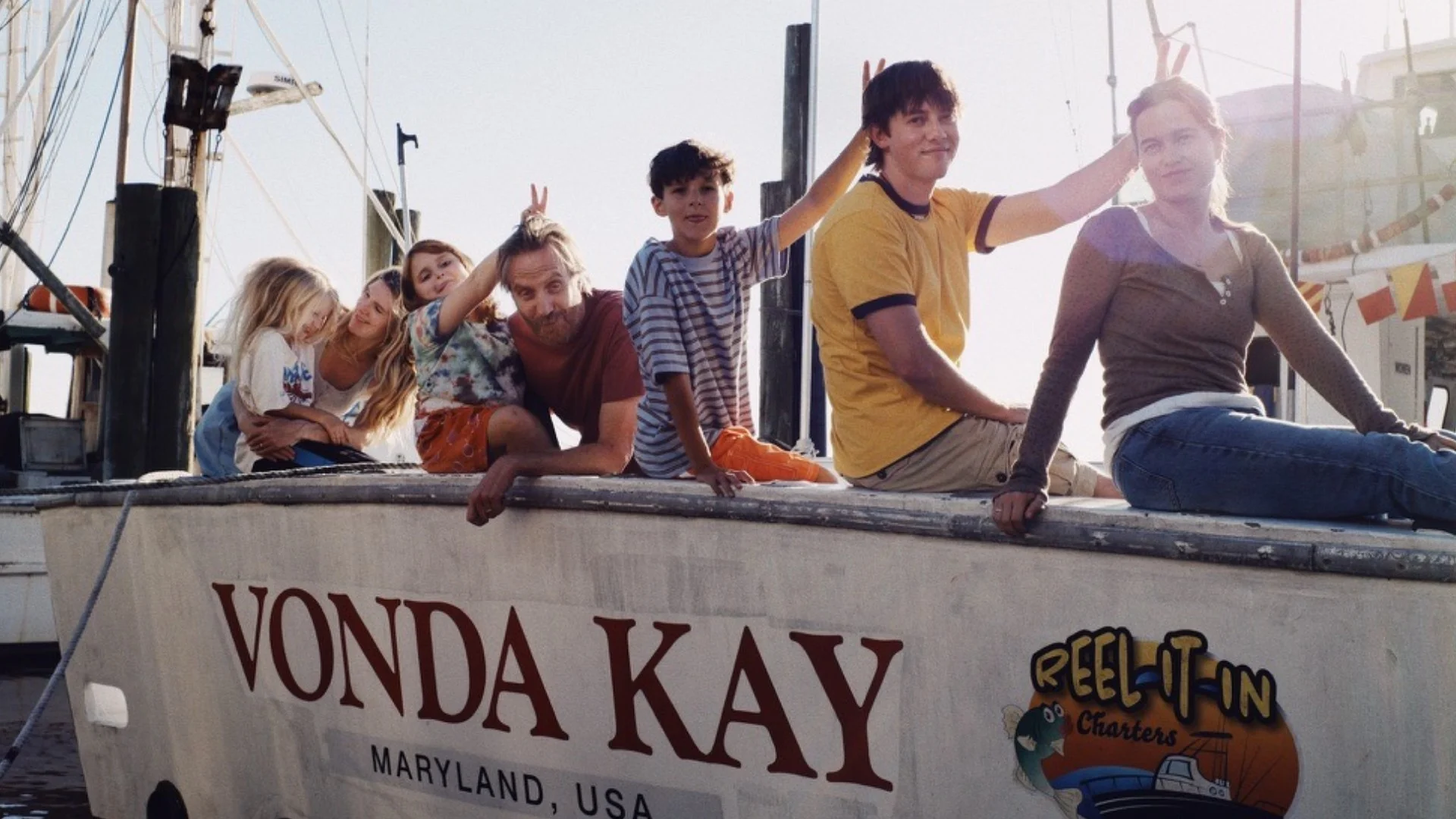
Lindsey Ryan’s feature debut, Capsized, puts that promise inside a houseboat holiday with Ray, his wife Diane, and their five children. The competition gives this crowded family a shared objective, allowing their separate anxieties to gather around something the audience can easily follow.
Ray’s attempts to borrow emergency money from friends complicate that arrangement. These people appear to have heard his appeals before. Suddenly the tournament belongs to a pattern: he keeps finding a possible rescue that will spare him the slower business of changing his behavior. This is an effective use of a familiar underdog plot, since the thing we are encouraged to cheer for begins to look inadequate. Winning money could help with the mortgage. Ray’s family would still have to live with the person who let the arrears accumulate and concealed the danger.
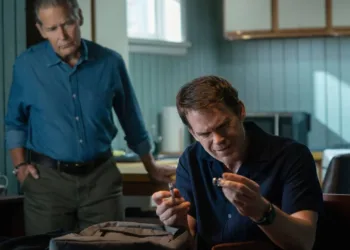
Rhys Ifans makes Ray’s ability to sustain this arrangement painfully believable. His sociability has enough energy to draw people into his plans, and his flashes of panic expose the desperation beneath his confidence. I liked how little comfort the performance offers once that confidence starts failing.
Ray drinks, makes scenes in public, and turns his frustration on the people closest to him. His cruelty toward Nicole for being gay gives his volatility a particularly ugly expression. Ifans holds our attention through these changes without making each new outburst feel like a plea for forgiveness. The difficulty is that Ray can remain fascinating long after spending time with him has become exhausting.
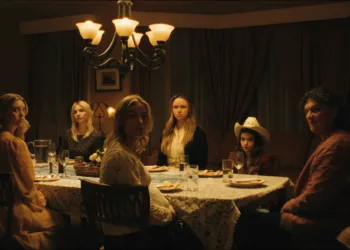
Lily Rabe supplies the film’s most persuasive account of that exhaustion. As Diane, she keeps affection and practical responsibility present even as her patience wears down. Her encounters with the wealthier mothers around her are especially revealing.
Their cheerful condescension meets her determined politeness, leaving her to absorb an insult while preserving the appearance of an ordinary conversation. Money trouble acquires a social cost here. Diane has to manage how the family looks to other people while Ray makes its position increasingly precarious. Rabe is terrific at keeping that effort visible without making Diane seem defined entirely by humiliation.
The marriage gains credibility from the unevenness between the two performances. Ifans can make Ray’s problems everybody’s immediate concern; Rabe has to communicate what happens to a person who repeatedly makes room for them. Her continued support carries affection, habit, and a growing strain that prevents loyalty from looking effortless.
Ryan is sensitive to the difficulty of judging someone from outside a long relationship. Still, Diane’s endurance creates a demanding task for the screenplay. Once the film has shown how much she accommodates, it needs to give comparable attention to the process through which accommodation becomes unacceptable.
Sarah Catherine Hook brings that pressure into the children’s experience. Nicole’s resistance to her father has an immediate practical basis: his financial recklessness threatens the education she hoped would open up her future. Her sarcasm feels connected to accumulated knowledge of his behavior, and her efforts to protect the younger children give her frustration another outlet.
She is helping preserve a childhood that she no longer gets to share. Hook and Rabe’s mother-daughter connection is valuable because it lets care move between family members without always passing through Ray. Their affection gives us a reason to believe in this family’s continued closeness even when his demands become difficult to tolerate.
The younger children’s comedy is trickier. Their antics and the siblings’ easy mixture of affection and irritation make the holiday feel inhabited, with small pleasures continuing alongside the adults’ fears. Nicole’s protective behavior helps explain why the younger ones can remain relatively insulated. At times, though, the return to adorable disorder arrives before Ray’s behavior has had enough emotional space. Comic relief works by releasing tension; here, some of that tension needs to remain uncomfortable. I enjoyed the children’s presence while occasionally wishing the film would stay with the distress that their comic business interrupts.
Joe Anderson’s cinematography contributes to the attraction of this holiday, giving the coastal setting a nostalgic summer texture. The water and outdoor surroundings retain their appeal even as the family’s security deteriorates. That is a useful tension for a story about parents trying to maintain an experience their circumstances can no longer comfortably support. The pleasant appearance does not erase the crisis, though it joins the younger children’s humor in making the film an inviting place to spend time. Ryan’s warmer instincts are easy to appreciate, even when they soften a confrontation that needs greater force.
As the fishing competition draws the story toward the suspense of a sports film, the family drama faces a different demand. A tournament can organize its excitement around a result. Diane and Nicole need time to reconsider the obligations that have kept them cooperating with Ray. The closing stretch does allow their loyalty to change, resisting an easy equation between family unity and continued tolerance.
Yet the preparation is uneven. We have seen Diane’s fatigue and Nicole’s resistance clearly; the movement from those feelings toward a different course of action receives less development. Rabe has made the effort of staying so tangible that the possibility of acting otherwise deserves room for its own hesitation, fear, and practical thought.
Capsized premiered at the Edinburgh International Film Festival in August 2026. Directed by Lindsey Ryan, the comedy-drama follows a family whose houseboat vacation spirals into a turbulent journey after an eviction notice shatters their routine.
Full Credits
Title: Capsized
Distributor: Lost at Sea Films, Present Company Productions
Release date: August 2026 (Edinburgh International Film Festival)
Running time: 1 hour 45 minutes (105 minutes)
Director: Lindsey Ryan
Writers: Lindsey Ryan
Producers and Executive Producers: Samantha Scolarici, Paul Mezey, Dan Janvey, Eliot Horowitz, Sara McFarlane, Rhys Ifans, Jason Reif, Andrew Goldman
Cast: Rhys Ifans, Lily Rabe, Sarah Catherine Hook, Griffin Gluck, Eli Goss, Joan Stein, Ada Bland, Happy Anderson
Director of Photography (Cinematographer): Joe Anderson
Editors: Scott Cummings
Composer: Osei Essed
The Review
Capsized
Capsized gives its family an easy goal to understand and difficult reasons to keep pursuing it. Rhys Ifans makes Ray’s charm and destructiveness believable, while Lily Rabe and Sarah Catherine Hook give the consequences emotional weight. The comic interruptions sometimes release tension too readily, and the family’s changing loyalty needs fuller development. Still, Ryan’s debut finds real feeling in the work of caring for people whose choices keep hurting you.
PROS
- Rabe’s nuanced balance of affection, fatigue, and resolve.
- Ifans’ charismatic, unsettling portrayal of Ray.
- Hook’s persuasive connection with Rabe.
- A shared competitive goal that exposes deeper family problems.
CONS
- Comic relief sometimes interrupts emotional consequences.
- The family’s late change of direction feels underdeveloped.