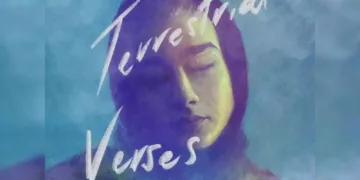


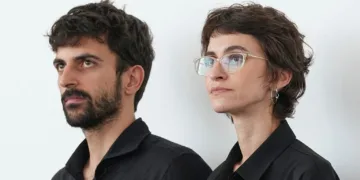










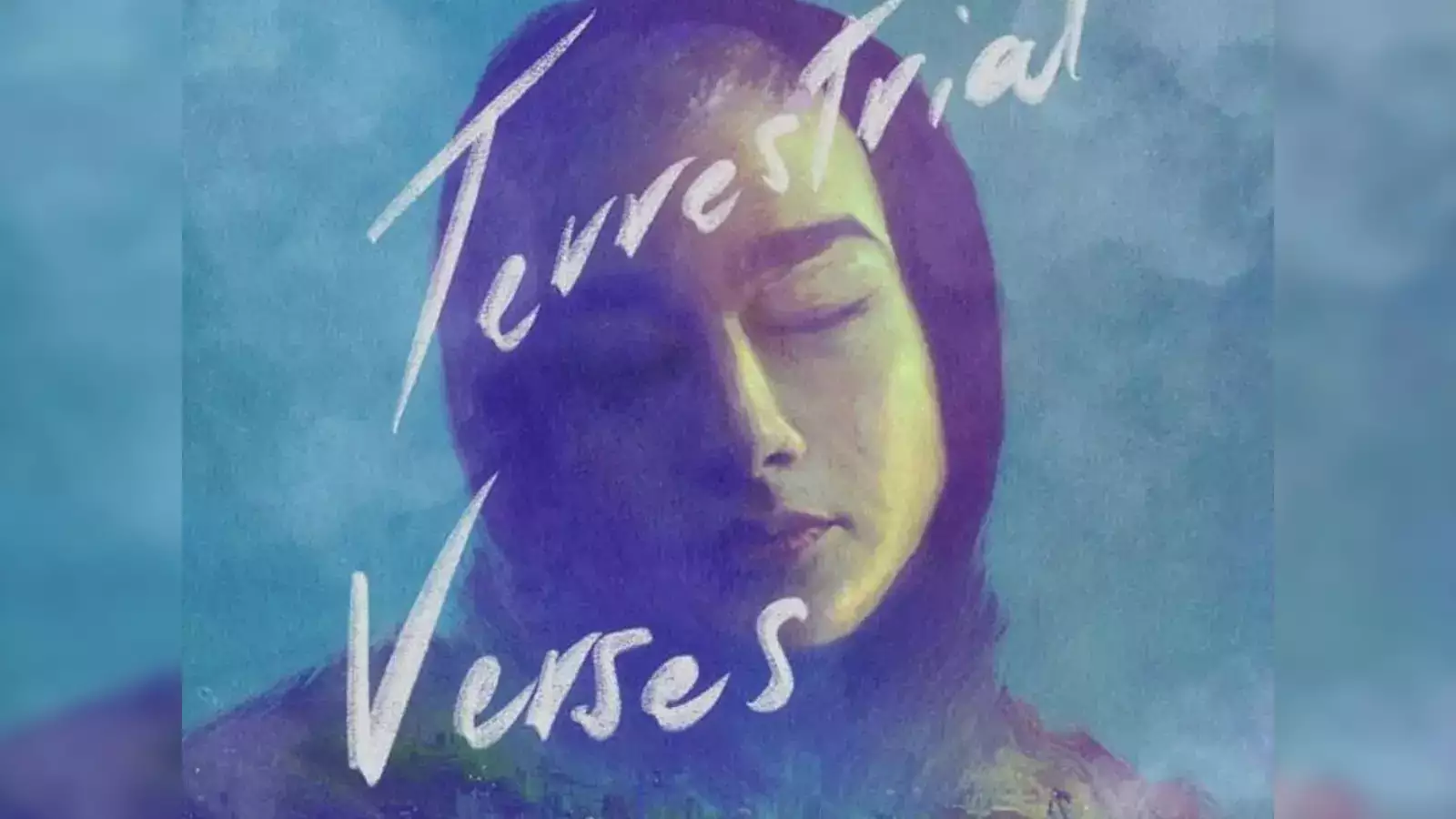

Set in modern-day Tehran, Terrestrial Verses brings us intriguing glimpses of life through a series of brief encounters. Directors Alireza Khatami and Ali Asgari keep things straightforward, focusing a stationary camera on individuals as they interact with faceless bureaucrats. We never see these officials, only hearing their muffled voices – a clever directorial choice that distances us yet still makes their presence profoundly felt.
Each of the nine compact scenes depicts ordinary Iranians navigating the petty constraints imposed by those in power. A new father struggles to choose a name for his baby that meets official approval. A little girl hesitantly dresses in traditional garb for school under the watchful eye of a saleswoman. A young man endures invasive questioning about his tattoos during a license renewal.
This fly-on-the-wall approach draws us subtly into the experiences of people navigating social controls around naming, dress codes, censorship and more. The directors shine a light on bureaucracy as both a mechanism for macro-level control and a gateway for micro-abuses of power on a personal scale. Things that seem minor are revealed to carry greater undercurrents about individual agency and societal rules.
Made in 2023 and selected as Iran’s submission to Cannes, Terrestrial Verses takes a minimalist yet impactful form to examine life under totalitarianism. Though addressing specific cultural aspects, it finds universal resonance by scrutinizing how power dynamics permeate daily routines and marginalize dissent in subtle acts of resistance. An observant and quietly unsettling work.
Reflections of Resistance
Terrestrial Verses tells its story in a unique way, through a series of standalone yet interconnected scenes. Each of the nine vignettes puts us right in the moment, with a static camera framed on the subject as they engage with an off-screen authority figure. Though simple in setup, this structure allows penetrating glimpses into ordinary lives.
In one scene, a new father grapples with officials over naming traditions when he wants to honor his wife’s favorite artist, David. We also see the daily indignities faced by an exuberant young girl fitted reluctantly for her school uniform. She just wants to dance to her music, yet cultural dictates demand she cover up.
Another powerful example involves a man renewing his license. But the interrogator’s probing questions into his tattoos take a disturbing turn. As discomfort sets in, it’s clear some seek power over others through bureaucracy.
Filmed over just a week employing non-professional locals, Terrestrial Verses achieves an intimate feel. Yet for all the production’s sparseness, it evokes profoundly universal themes. Through these fleeting interactions, we recognize bureaucracy as both a tool of macro control and avenue for micro abuses.
Importantly, the stories never depict their subjects as merely victims. Instead, each finds ways to reclaim agency, revealing resilience of the human spirit. Their small acts of resistance, whether humor or defiance, disseminate hope even in oppression.
Terrestrial Verses widens its view like a Camera zooming out. What starts as intimate slices of life opens onto societal rules and those who enforce them and are enforced upon. In the end, we see how power dynamics permeate daily routines everywhere, and how speaking truth to it takes bravery wherever one lives. Through simplicity it achieves profound insight into human nature.
Windows into Resistance
The directors of Terrestrial Verses take a uniform approach to cinematography that perfectly complements the film’s themes. In each scene, the camera remains stationary, focused solely on the subject as they endure questioning from off-screen figures. This simple setup gives us invaluable insight while inducing feelings of being closely observed.
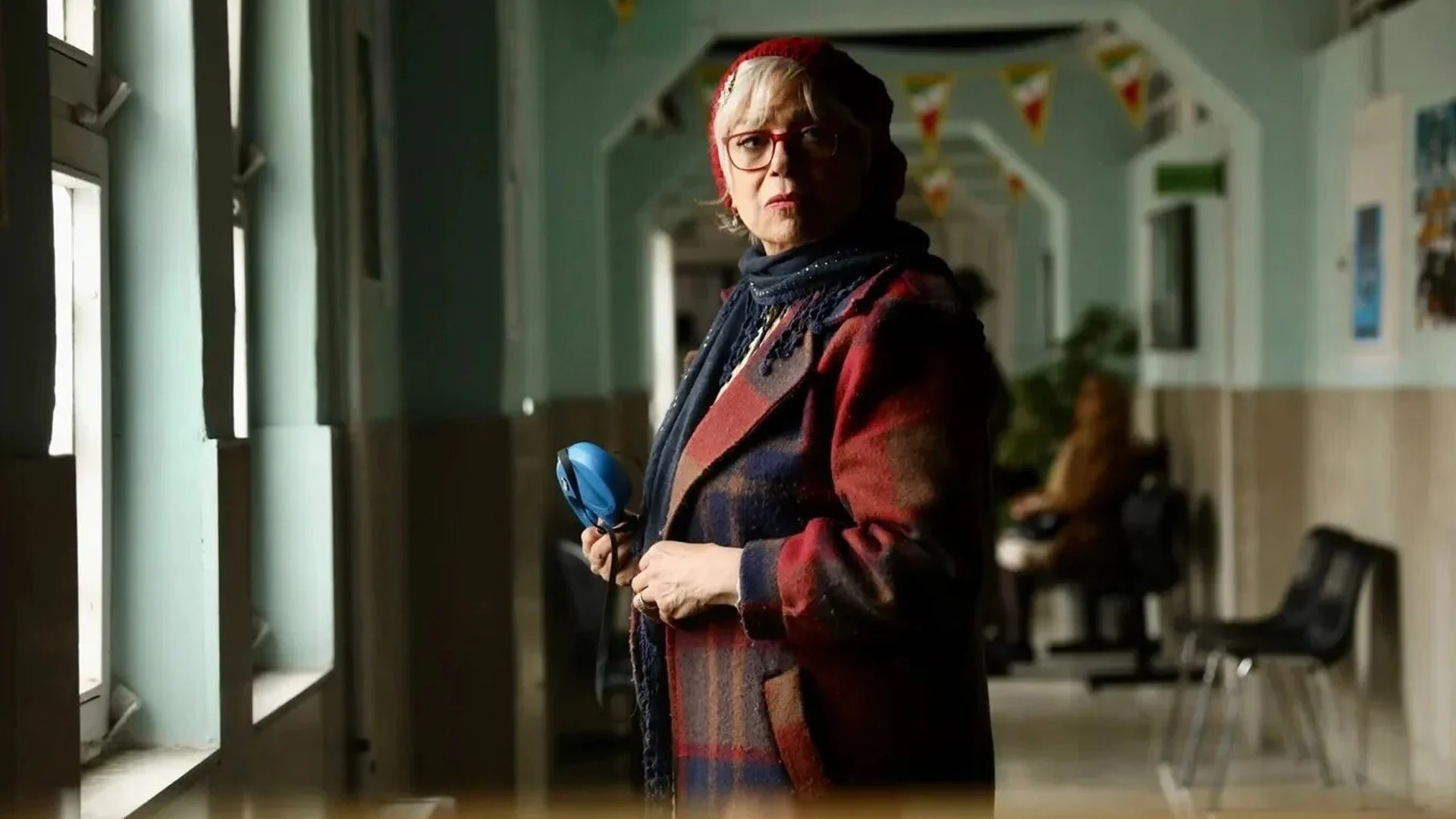
Adopting a 4:3 aspect ratio for all shots, cinematographer Adib Sobhani frames the characters in constrained space that enhances our sense of their confinement. Whether discussing bureaucracy or corruption, they appear trapped both literally and figuratively within the shot boundaries. At the same time, the clinical distance of the camera conveys an investigative, almost accusatory tone.
We see Piercing glimpses of each subject’s experience through these narrow windows, from a father denied his name choice to a filmmaker forced to censor his art. Sobhani captures their performances in crisp, uncompromising compositions that lay bare the individuals while hinting at wider societal struggles. Not a detail escapes notice, from subtle facial expressions to how body language gradually shifts under pressure.
Held entirely in close-up, the scenes unfold much like detailed portraits or diary entries. Yet in watching these private interrogations, we cannot help but feel like voyeurs – or even the interrogators themselves. This discomfort no doubt mirrors what the characters endure daily from surveillance and overbearing rules.
Through simple but inspired directorial and technical choices, the filmmakers ensure we fully share in the entrapments and indignities their subjects face. In giving us uniquely intimate access, Terrestrial Verses brilliantly brings to light systemic issues too easily ignored when viewed from a more removed perspective. Its storytelling windows surely open many viewers’ eyes to everyday resistance in Iran and beyond.
Everyday Acts of Defiance
There’s no question that the bureaucracies depicted in Terrestrial Verses aim to micromanage and diminish the characters. From restricting what parents name their children to interrogating people over minor infractions, the officials seem to revel in wielding power however trivially. But what struck me is that everyday defiance runs just as deeply through this film.
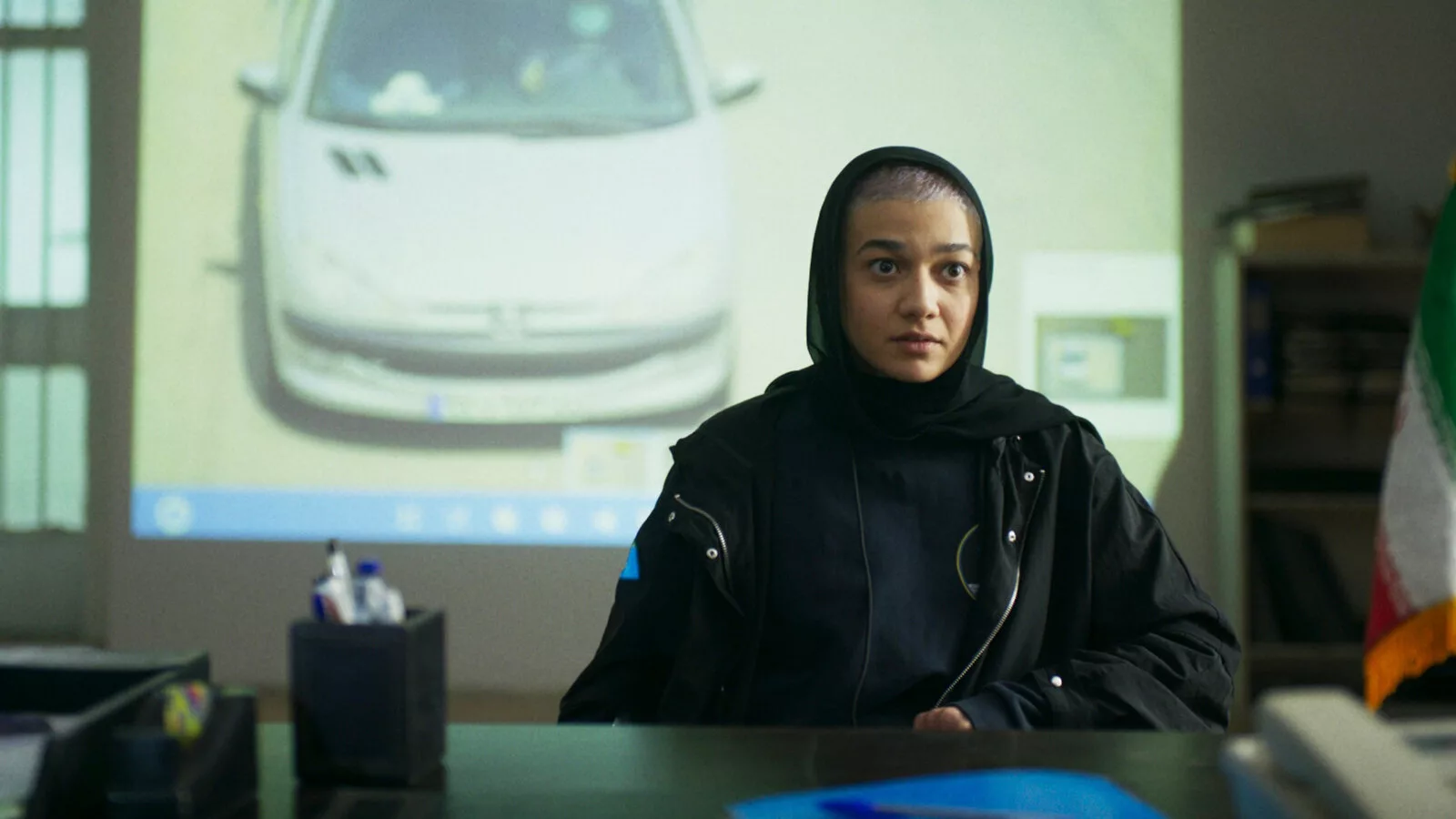
When that little girl is told she must wear an hijab whether she likes it or not, she makes her feelings perfectly clear by tearing it off and dancing unencumbered as soon as she’s allowed. The exchanges between the man denied his name choice and the school principal questioning a girl’s morals also show moments where the characters don’t just roll over – they negotiate and stand up for themselves as best they can.
It’s easy to feel overwhelmed facing such petty tyrants. Yet the film suggests Iranian society won’t be wholly controlled, as resistance can come through even subtle acts that preserve parts of one’s dignity and autonomy. This spirit clearly resonated with those protesting women’s rights restrictions, striving to reclaim powers over their own lives and bodies in a way the film subtly foreshadowed.
While the setting is undoubtedly Iranian, the critiques reach far beyond any single nation. Bureaucratic overreach and abuse of power don’t require a theocratic regime to take root – they worms their way into all governance where leaders forget the people they serve. By stripping context and leaving interrogators unseen, Terrestrial Verses highlights how such mechanisms are universal tools of control, and how resisting them is a global struggle as old as humankind.
Whether covert or brave, the small rebellions seen flickering throughout make clear that oppressive systems, no matter how deeply entrenched, can never extinguish humanity’s desire to determine its own fate. It’s a message as timeless as the everyday endurance of spirits like those portrayed on screen.
Everyday Power Structures
We’ve all dealt with officious bureaucrats making petty demands, but Terrestrial Verses sheds new light on the insidious ways societal rules are imposed. Through simple scenes, it shows how controls as minor as name choices or dress codes enforce deeper oppressions.
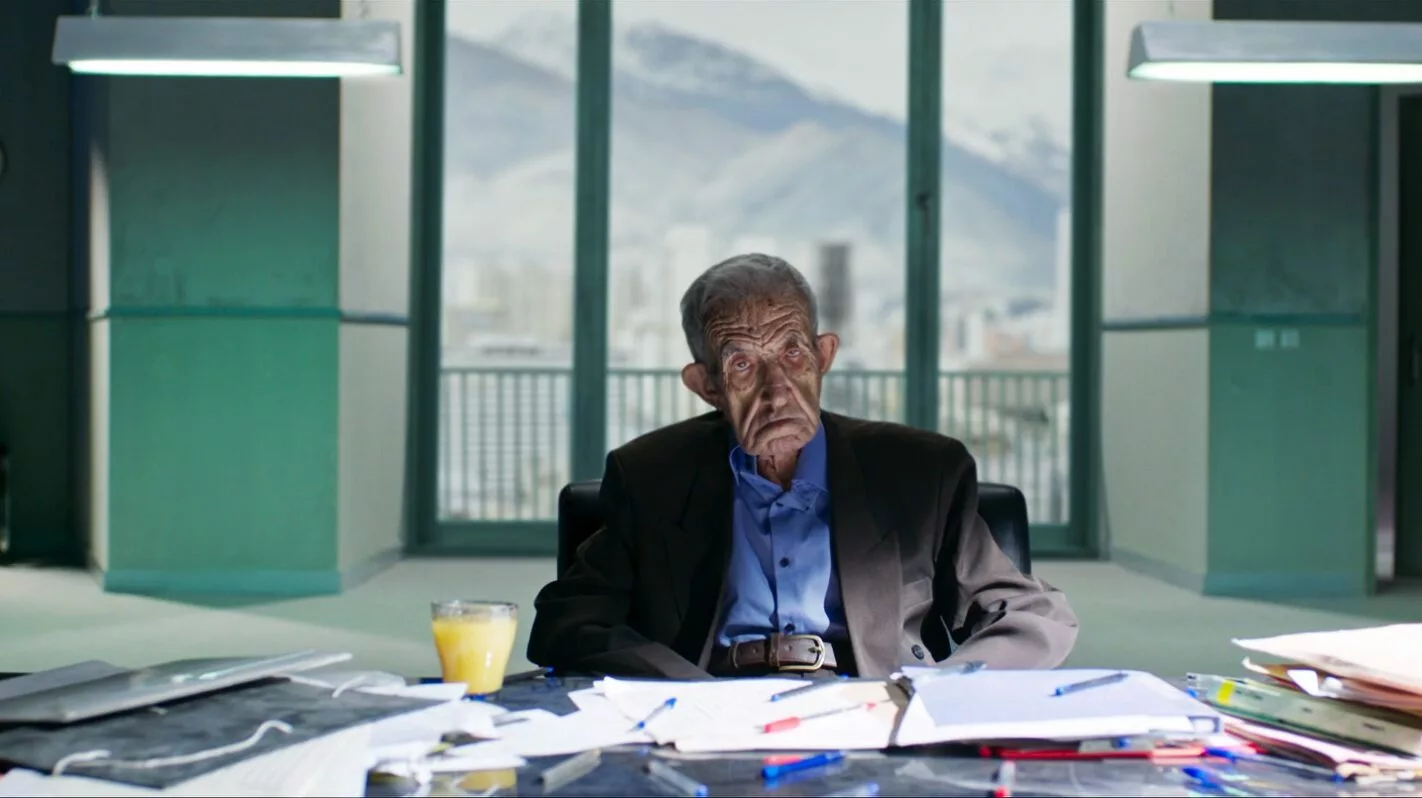
The film dissects the machinery of power through everyday frustrations many can relate to. When a new father can’t name his son what he wants, it highlights restrictions on individual expression. Seeing a little girl forced into dour clothing to dance brings questions of what society deems appropriate for children. These subtle impositions add up to macro-level control, keeping people entrenched in imposed hierarchies.
What’s truly brilliant is how Terrestrial Verses exposes such machinations without overt political messages. It doesn’t need slogans where straightforward portrayals say more. We see the same mechanisms at work in interactions like interrogating a driver over personal tattoos or subjecting artists to censor demands. No character represents a whole group, just ordinary people navigating power structures we all face to some degree.
The film proves you don’t need explosions or speeches – just observations of routine oppressions permeating life. It exposes universal truths about abuse of power through local moments we instantly grasp. While other Iranian films tackle dictatorship more directly, Terrestrial Verses subtly strips away facades to the same systemic hypocrisies beneath. Though context is clear, the critique applies everywhere bureaucracies diminish humanity through petty regulations.
By focusing on micro-powers, it reveals the threads maintaining control across society. And in giving a face to each stifled voice, the film personalizes impacts many face anonymously. Terrestrial Verses transforms small frustrations we accept into a call to confront the hierarchies constantly circumscribing our lives.
Quiet Power in Performance
Some of the most compelling moments in Terrestrial Verses come not from words but gestures. Khatami and Asgari fill their frames with powerful silent performances that expose truths through subtlety.
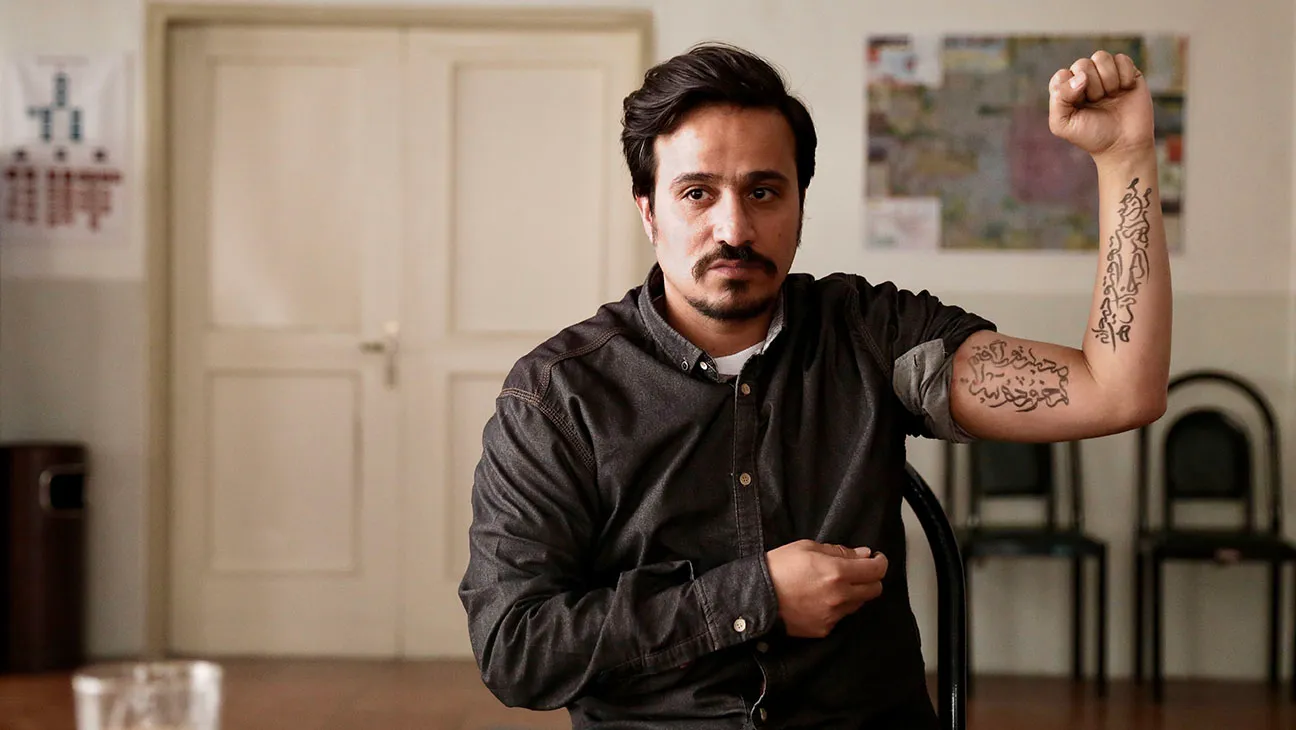
None of the “actors” are professionals, yet they grasp their roles with raw intimacy. In one standout scene, we witness Farbod’s driver’s license interview turn increasingly disturbing as an officer fixates on his tattoos. Played with nervous nuance by Hossein Soleimani, Farbod’s discomfort grows through averted eyes and fidgeting, while resignation settles in his downturned mouth. He conveys volumes through fleeting expressions.
Economy of movement becomes its own language. A grandmother silently pleads with shrugs and pleading eyes for help finding her lost dog. A daughter nervously kneads her hands under a principal’s interrogation, face transforming as she outmaneuvers the older woman. Directors find poetry in what’s unsaid, leaving implications to linger in memory.
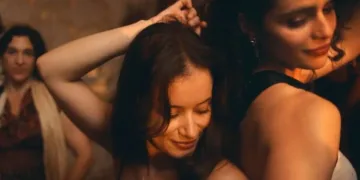
Some scenes rely entirely on the visceral. When a little girl is dressed in dour religious garments, Sabani burst forth vivacious dance the moment restrictions lift, passions awakening where they’d been stamped down. Her dynamic body declares a spirit restrictions cannot diminish.
Throughout, Terrestrial Verses’ cast brings the everyday struggles of average Iranians to life, imbuing each bureaucratic frustration with deeply human melodrama. Their understated mastery proves that behind every system lies real people—and quiet resilience of the human spirit to endure and overcome.
Everyday Acts of Resistance
Terrestrial Verses brings its story of social control in Iran to a grim yet hopeful conclusion. Through such a minimalist style, Khatami and Asgari reveal bureaucracies’ corrosive power in ways that will resonate anywhere people’s lives are tightly managed.
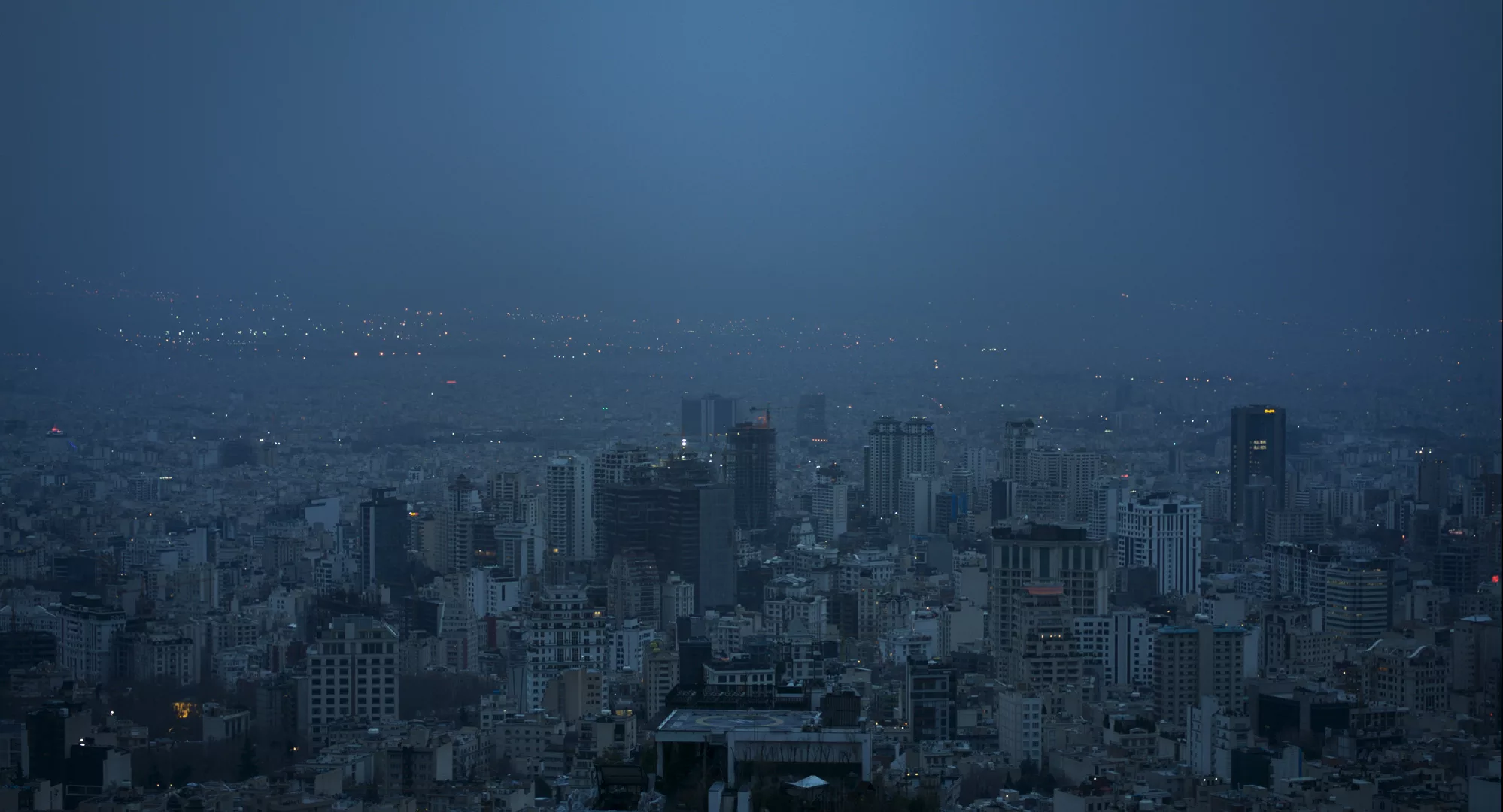
We see this most clearly in the final scenes. An old man’s hunched form shows the toll of living under oppression’s weight for so long. Meanwhile, the city disintegrates into chaos, perhaps lending release to pent-up frustrations in Iranian society.
This impact comes through telling small, very human stories. By focusing on routine indignities rather than grand politics, the film exposes abuse of power that survives in all systems where one person’s whims can rule another’s fate. These bureaucrats use patriarchal judgments and religious mandates as convenience allows, just to reassert dominance over those without options.
Yet defiance persists, as when characters outwit interrogators or rip up restricting scripts. Their matter-of-fact resistance proves how the human spirit survives even in the most constrained environments. In this way, Terrestrial Verses presents a vision as much culturally significant as it is politically stimulating.
Khatami and Asgari have crafted a bold commentary on oppression that will echo powerfully for those who’ve faced governance used more to diminish life than enhance it. Their snapshot vignettes, capturing society’s claustrophobia through confined frames and short scenes, create a film sure to join the ranks of those defining Iranian cinema’s next era of subtle noncompliance.
The Review
Terrestrial Verses
Terrestrial Verses proving a resonant, thought-provoking work. Khatami and Asgari craft an subtle yet impactful commentary on social control through their intimate vignettes. While maintaining a discreet style, the film achieves powerful cultural commentary and creates a stirring vision of human perseverance.
PROS
- Intimate, realistic portrayal of everyday lives under oppression
- Subtle yet powerful social commentary through minimalist style
- Evocative visuals and performances that immerse viewer
- Universal themes of bureaucracy's dehumanization
CONS
- Fragmented narrative of short scenes lacks character depth
- Minimal plot could limit engagement for some viewers
- Open ending leaves interpretation more to viewer