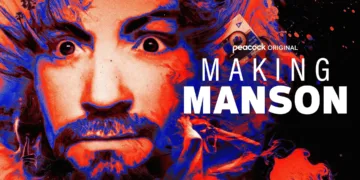



























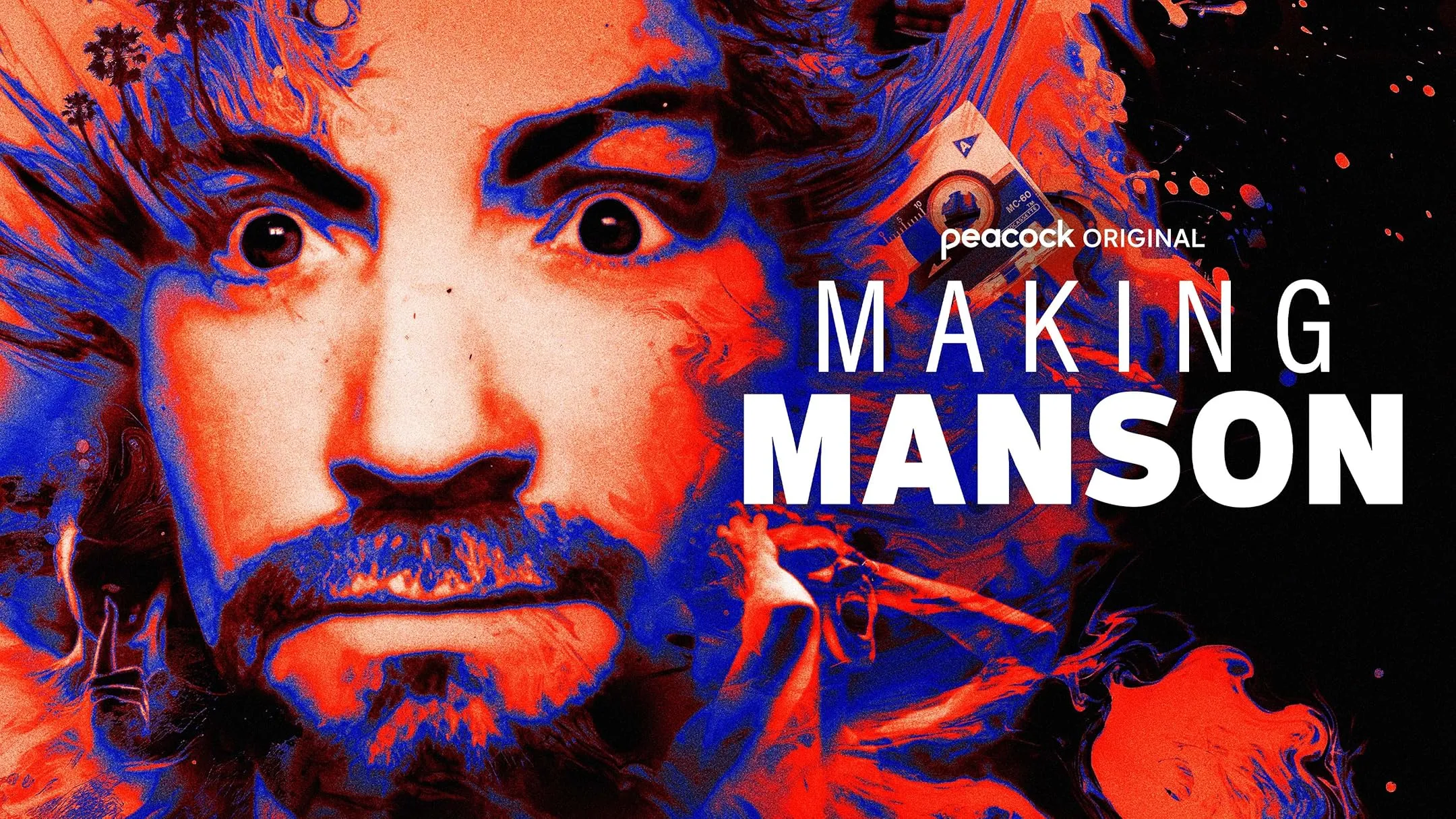

Making Manson, a three-part docuseries on Peacock, examines Charles Manson’s life and legacy as America’s symbol of cultic control and countercultural disorder.
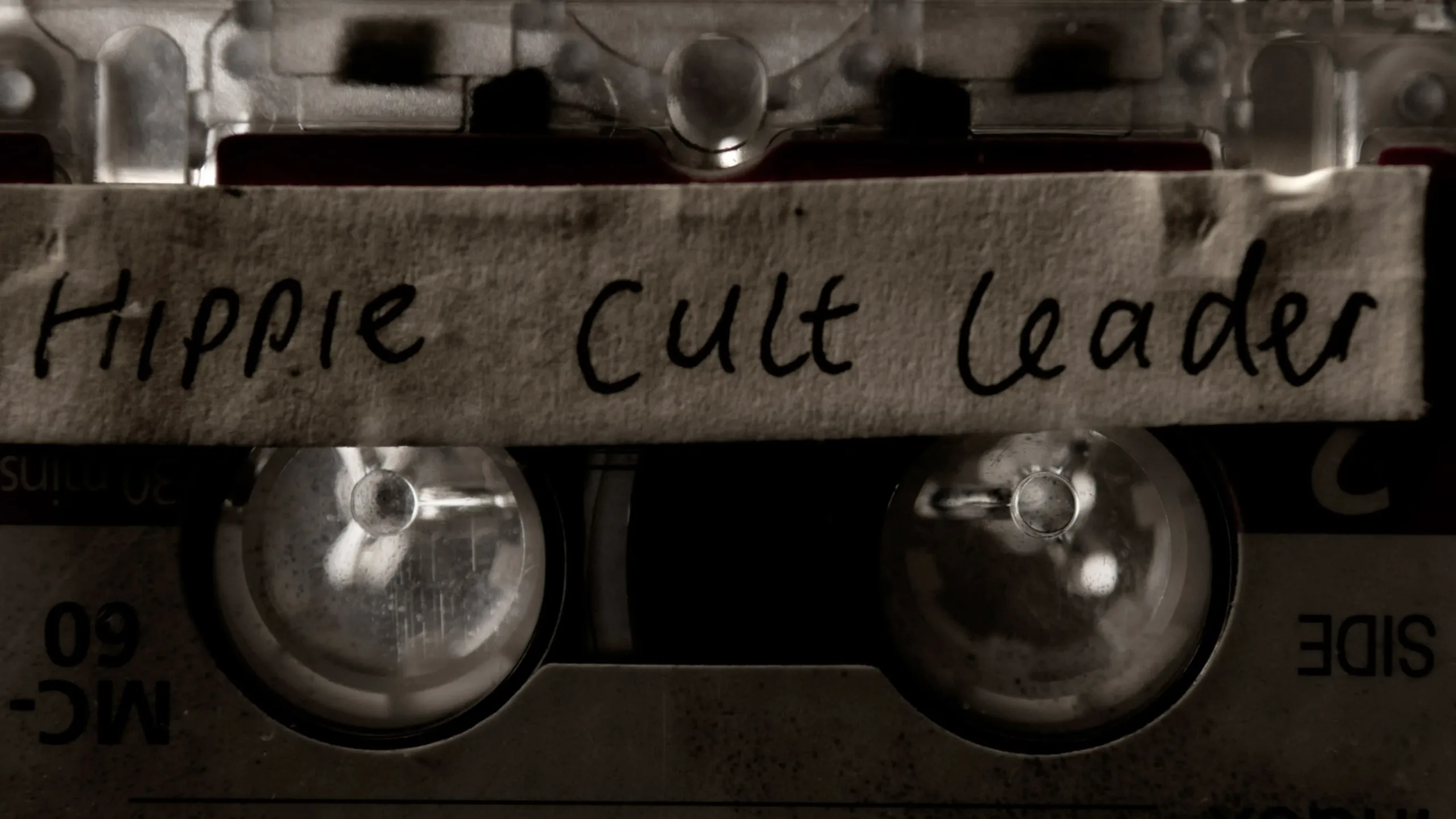
Director Billie Mintz and Paramount Films present audio recordings spanning 20 years of Manson’s phone calls with autograph collector John Michael Jones. These tapes reveal Manson’s mindset through his own voice, while talks with ex-“Family” members and others show different views of his story.
The series spans three episodes showing different periods of Manson’s path. Each part moves from his early years through his control of “The Family” to the 1969 Tate-LaBianca murders and what followed. Old footage mixed with new interviews creates a less simplified view of someone often seen as a one-dimensional monster.
Cults, Counterculture, and Cultural Collapse: The Historical Weight of Charles Manson
Charles Manson’s story reflects the contrasts of mid-20th century America—a person shaped by social disorder who used false warmth to pull others toward him.
Making Manson shows his early life, from his neglected childhood through his time in jails, where he learned ways to sway people. After his 1967 release in San Francisco during the counterculture movement, Manson used ideas about free love and shared living to bring lonely young people into what became “The Family.”
The group’s move to Spahn Ranch, an old movie set, changed everything. The ranch became Manson’s small kingdom—a place where people searched for connection while experiencing his growing domination and abuse. His musical goals shaped his path. His connection to Beach Boy Dennis Wilson and later clash with producer Terry Melcher show how his failed music career led to anger. These events show the link between self-worship, being pushed away, and violence.
The 1969 killings that Manson pushed his followers to commit stay in public memory for their raw violence and their meaning. The death of actress Sharon Tate—who was pregnant—with her friends and the LaBianca pair broke apart the dream-like beliefs of 1960s counterculture. His control over his followers, many being young women, shows the dark side of a movement based on freedom and openness.
The social impact spread wide. Manson became a symbol of lost dreams—someone who showed how “peace and love” could break under twisted leadership. News coverage made him infamous, starting ongoing interest in group control, criminal minds, and social conditions that let such people gain followers. Making Manson connects these threads to paint a picture of a time split between hope and its violent end.
Voices from the Void: Parsing Truth, Manipulation, and Power in Making Manson
Making Manson centers on audio recordings spanning 20 years between Charles Manson and John Michael Jones. The tapes show a person switching between clear-minded talk and wild acting.
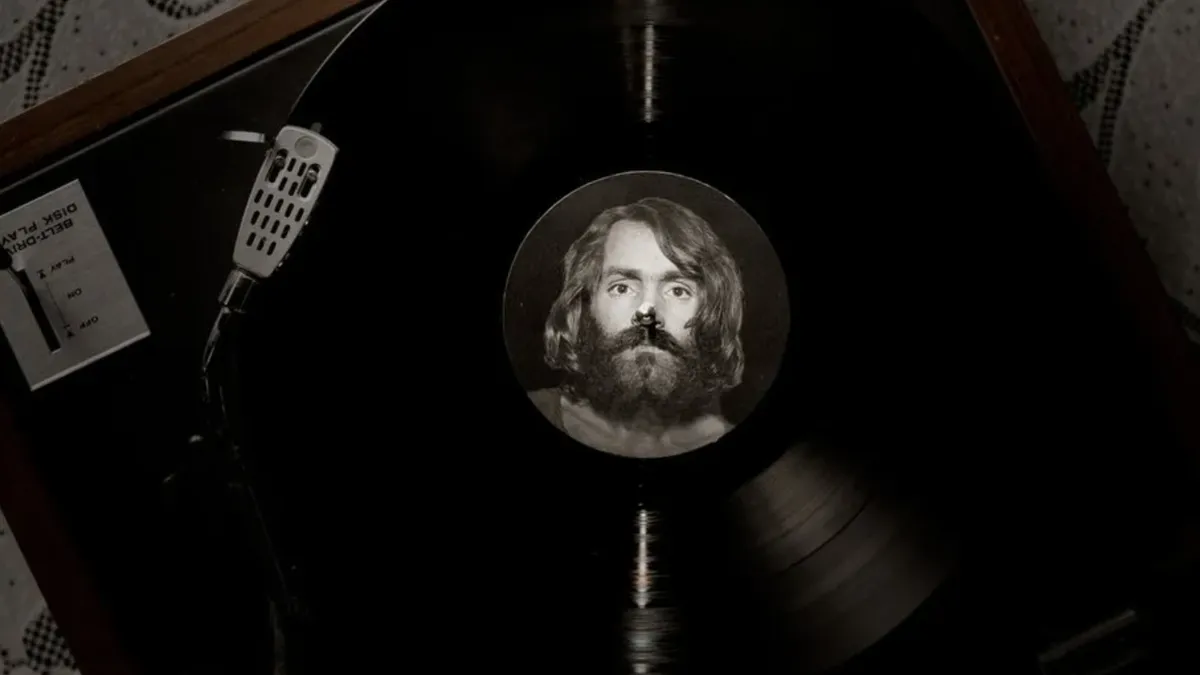
Manson mentions killing people in Mexico—said offhandedly—yet still says he did nothing wrong in the 1969 Tate-LaBianca murders. He talks about bonds among his group to explain his hold on “The Family,” seeing himself as both a leader others didn’t see right and someone pushed away by others.
The recordings show his faked behaviors. Knowing he was taped, Manson plays up his scary image, mixing odd talk with lies. This mix of telling stories and acting makes it hard to find real facts in his words. The tapes work like his own stage rather than honest talk, making people ask: which parts are real, which parts are acting?
Talks with past “Family” members and others who met him balance his words. They remove his made-up story, showing real life with Manson. Old group members talk about his use of drugs, keeping people away from others, and mind games—very different from the group loyalty Manson talks about.
This split shows how Manson could still draw people in years later. He tried to look misread, but people who lived with him tell about planned abuse. The series shows this clash, explaining how Manson made people both love and fear him.
Making Manson looks at taking charge—its uses and wrongs. It shows life in “The Family,” where Manson used weak spots of his followers, often young women looking for friends during the wild 1960s. He mixed drugs with keeping people away from others, turning free-living ideas into something scary.
News groups helped mix fake stories with truth. Manson got famous through big stories, and this show might do that too. Using his voice could spread his lies, even as others tell the real story. This brings up a big issue: How should we tell stories about bad people without making them look good?
Echoes of Influence: The Voices Shaping Making Manson
Making Manson uses words from people who saw Charles Manson’s harmful acts, showing how he ruined lives. Ex-“Family” members Dianne Lake and Catherine Share tell real stories about living under Manson’s rule. Their words show how he used weak spots, drugs, and people’s need to fit in to make them stay. These stories reveal the bad treatment in “The Family,” where fake promises turned to fear.
Family members of those killed bring sadness and strength to the show. They remind us that Manson hurt real people, creating pain that still exists. The show talks mostly about Sharon Tate’s death. Though her story matters, leaving out other killed people’s stories makes the show too small.
John Michael Jones, who collected autographs and talked to Manson, seems odd. His talks with Manson mix praise with helping bad acts happen. Jones says things like “Right on!” during calls, which seems both simple-minded and planned, like he praised Manson just to keep talking to someone famous for bad things.
Jones changes what he thinks about Manson during their talks. Their last call changes what Jones believes. This shows how being close to bad people can trick and hurt someone. The show doesn’t fully explain why Jones kept talking to Manson, making people guess if he wanted truth or just liked being near someone infamous.
The show misses some key people. Tex Watson, who did the killings, and Leslie Van Houten, a known follower, don’t appear. Their missing stories leave holes in what happened in “The Family.”
The focus on Manson’s tapes takes away from stories about the people he killed, except Sharon Tate. Though her death changed things, not telling more about other killed people makes their lives seem small.
if any of the following words or phrases are present in the following text, please rewrite it, and use other words or phrases instead. also, if the text contains a conclusion or summary paragraph or sentences, please delete them:
Crafting the Infamy: Direction and Production in Making Manson
Making Manson’s maker Billie Mintz tries a new way to show Charles Manson’s story. The show mixes old videos, talks with people, and phone calls between Manson and autograph collector John Michael Jones over 20 years. These parts come together to display Manson’s public image next to his private talks.
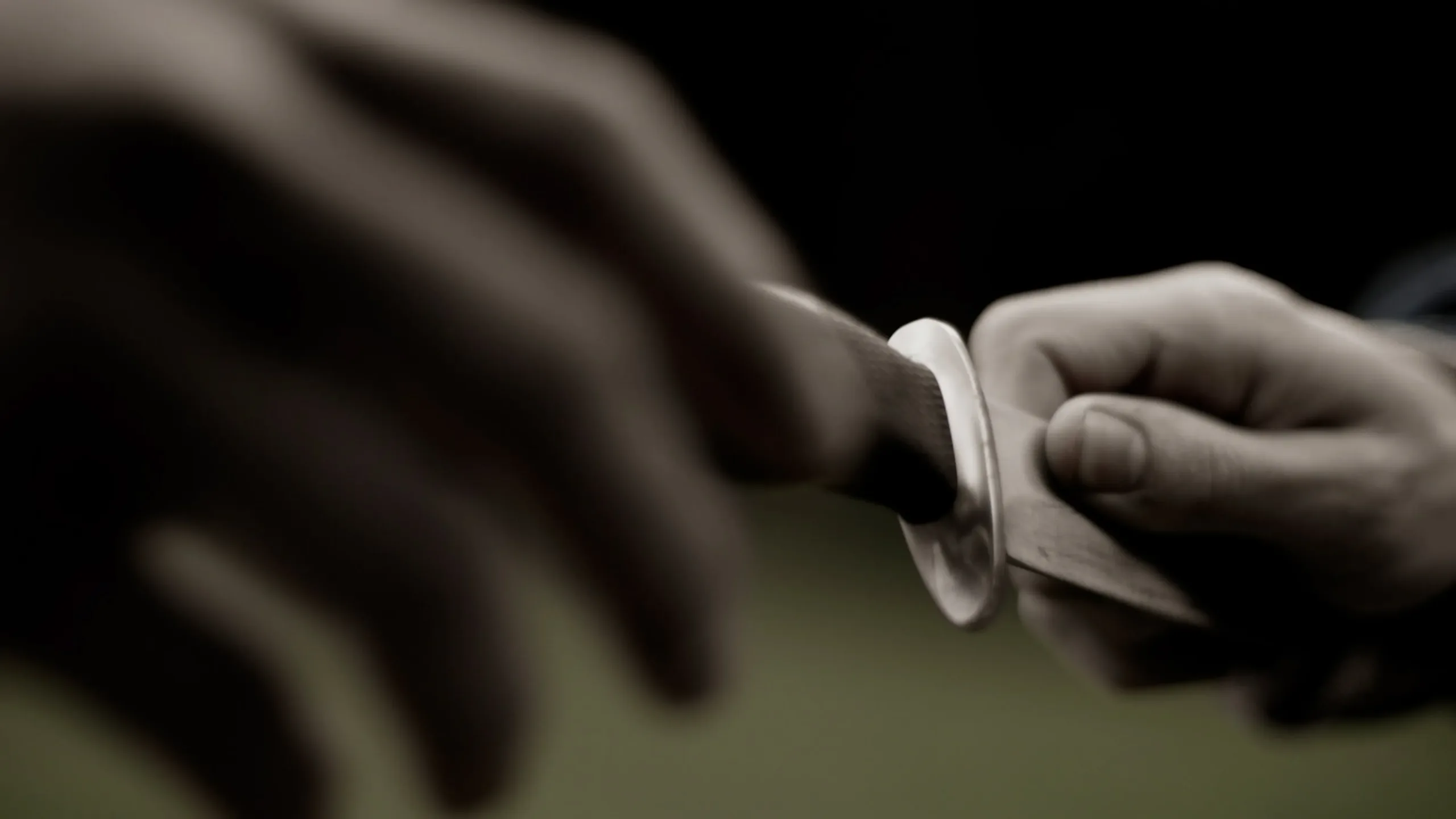
Mintz tells both plain facts and big stories about Manson. The phone calls let people spy on Manson’s life, but he seems to act during them. The show wanted to say new things about him but stays near old ideas about his bad acts.
The show doesn’t make Manson look good or extra bad, which helps since many people want scary stories about him. It just gives facts and lets people think about who Manson really was. Yet this careful way makes the show slow at times. Though the phone calls are new, many parts copy other shows about Manson.
The look of Making Manson uses old film clips and news stories to put viewers in the late 1960s. New talks with people mix with these old pictures, showing how hippie dreams turned bad. The way scenes flow works okay, but sometimes the switch between Manson’s calls and people talking seems rough.
The Weight of Words: Strengths and Weaknesses in Making Manson
Making Manson stands out by playing Charles Manson’s recorded talks over 20 years. These tapes let people hear one of the scariest criminals speak, showing how he switched between smart sweetness and crazy self-praise. The tapes prove how his fake nice act led others to kill for him, though he never killed anyone.
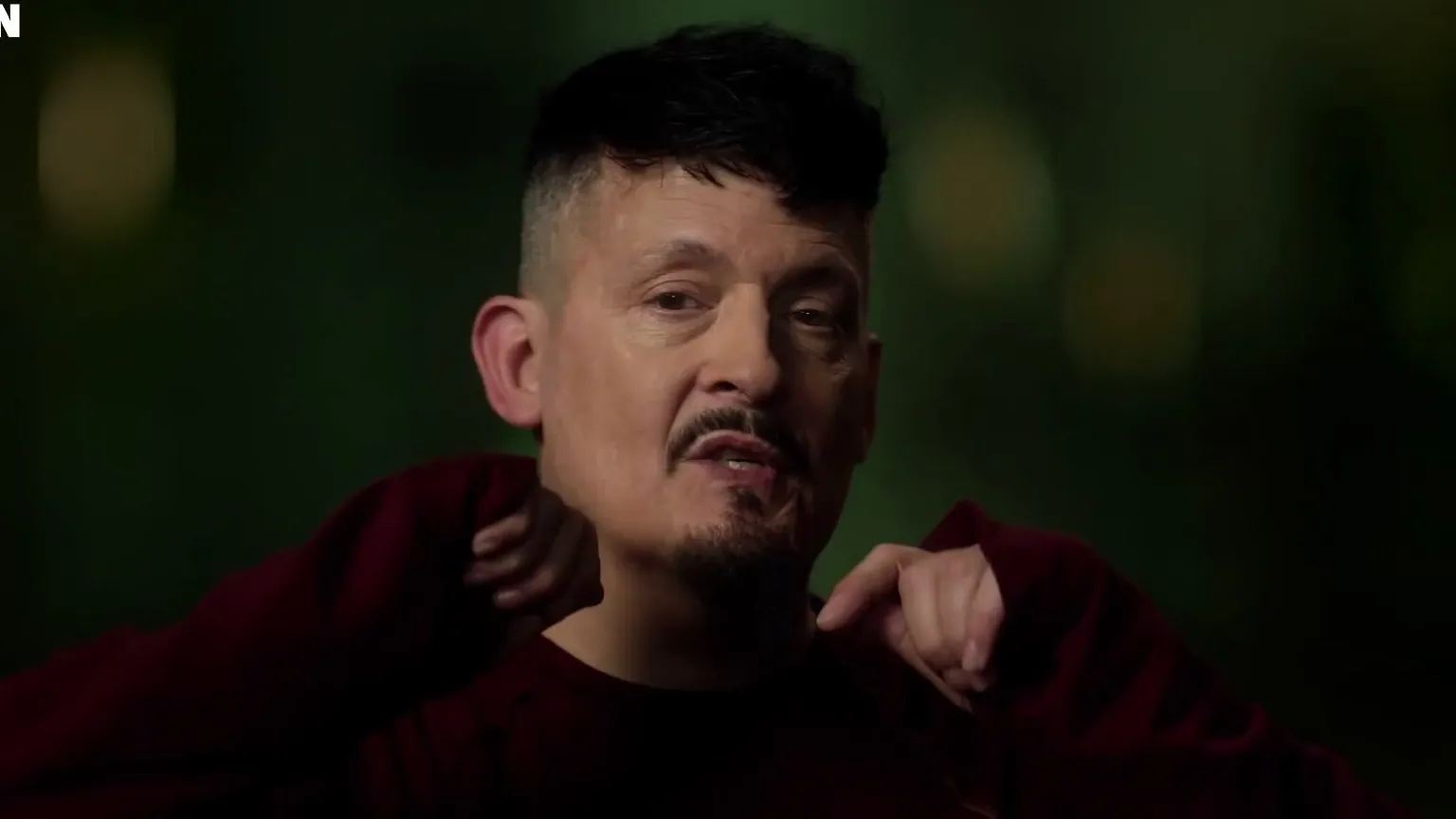
Past “Family” members Dianne Lake and Catherine Share make the story real. They tell what living with Manson did to their minds and hearts. Their stories, plus old videos, show real life back then, balancing out Manson’s acted talks.
The show stays away from big scary stories—rare for crime shows about bad things. It just gives straight facts and lets what happened mean something on its own.
The show said it had new tapes, but shows little new stuff. Most things we knew already, and the tapes often turn into messy, selfish talk that teaches us nothing new. The show could have looked harder at what the tapes meant or picked apart Manson’s lies.
The show skips many killed people’s stories. Sharon Tate’s death gets talked about, but other dead people barely appear, making them tiny parts of Manson’s story. This makes it hard to see how these murders changed society and the 1960s.
Using so many Manson talks might make him seem bigger than he was, giving viewers old news instead of fresh ideas.
Unraveling the Myth: Final Thoughts on Making Manson
Making Manson shows Charles Manson’s life through his taped words. These recordings let people hear his strange mind up close. The tapes make people want to listen, but say nothing new. They repeat old stories, making people guess about what made Manson do bad things.
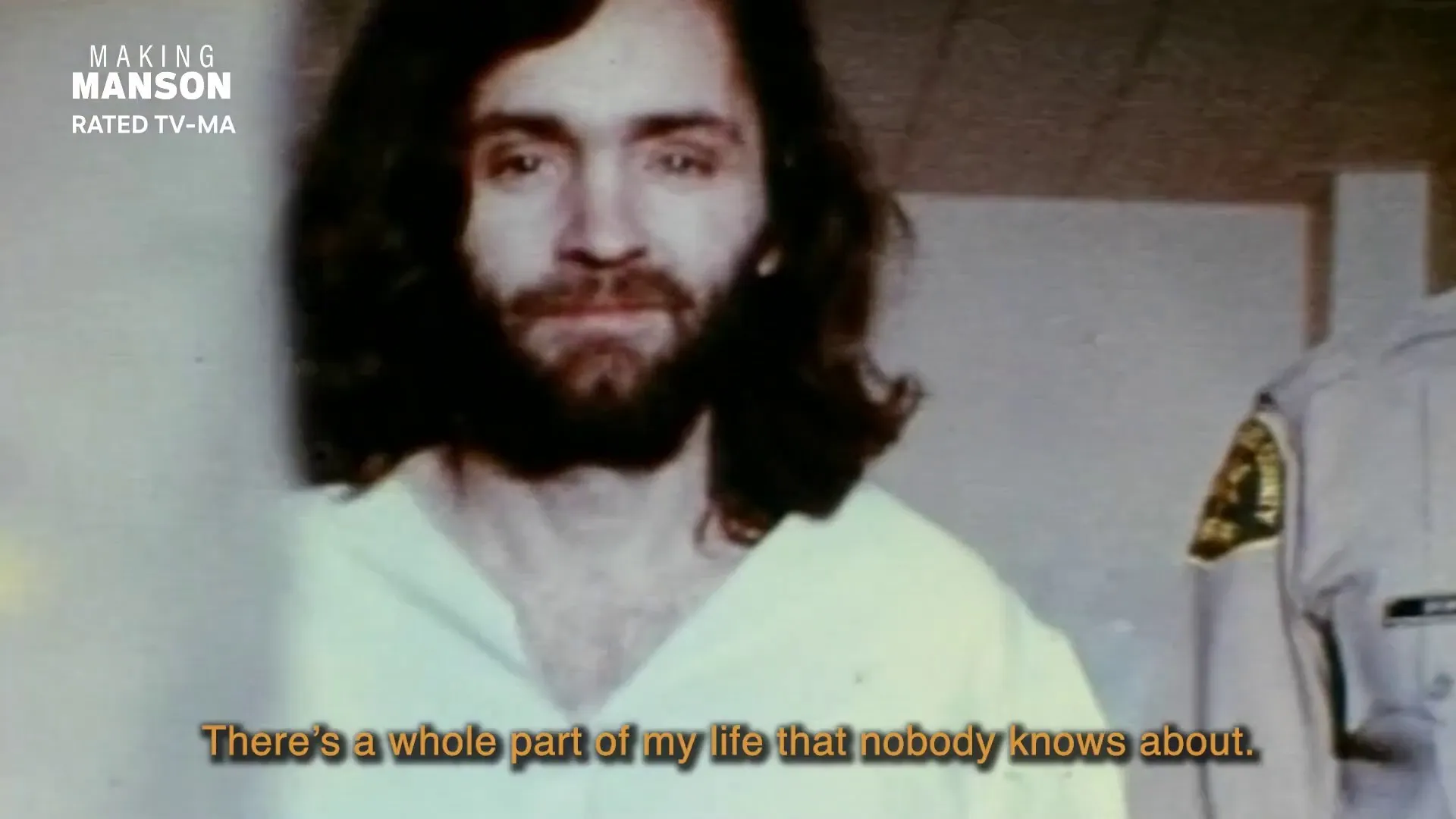
The show works best when it talks about real people hurt by Manson’s acts. Old “Family” members tell scary stories, and families of dead people still feel sad. These real stories make big news feel small and real. The show spends too much time on Manson’s voice, maybe making him seem bigger than he should be.
People who like crime shows or want to learn about Manson might like seeing how things happened back then. The mix of his fake niceness, lying, and 1960s life might interest some viewers. Other people might get bored since the show moves slow and tells known stories.
The show does not say much new about crime stories, but it shows why this case still makes people think. People who want to see how Manson’s craziness fit into that time should watch it, but they won’t get all their answers.
The Review
Making Manson
Making Manson mixes old tapes, talks, and past news about Charles Manson. The show tells real stories about people he hurt and stays away from big scary tales, but says little new. Playing too many of Manson's odd talks might make him seem bigger than he was. True crime fans might like it, but other people could get bored by its slow parts and skipped chances to say more.
PROS
- Unique access to Manson’s 20 years of recorded conversations.
- Humanizes former “Family” members and victims’ relatives through vivid, personal interviews.
- Avoids overt sensationalism, presenting a measured tone.
CONS
- Lacks genuinely new insights or groundbreaking revelations.
- Overemphasis on Manson’s rambling recordings without sufficient critical analysis.
- Repetitive pacing detracts from the series’ impact.
- Limited exploration of the victims beyond Sharon Tate.
- Risks perpetuating Manson’s mythos rather than dismantling it.