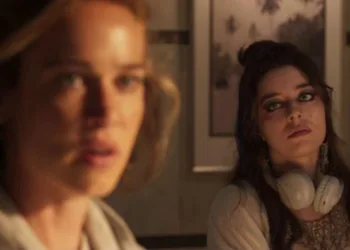























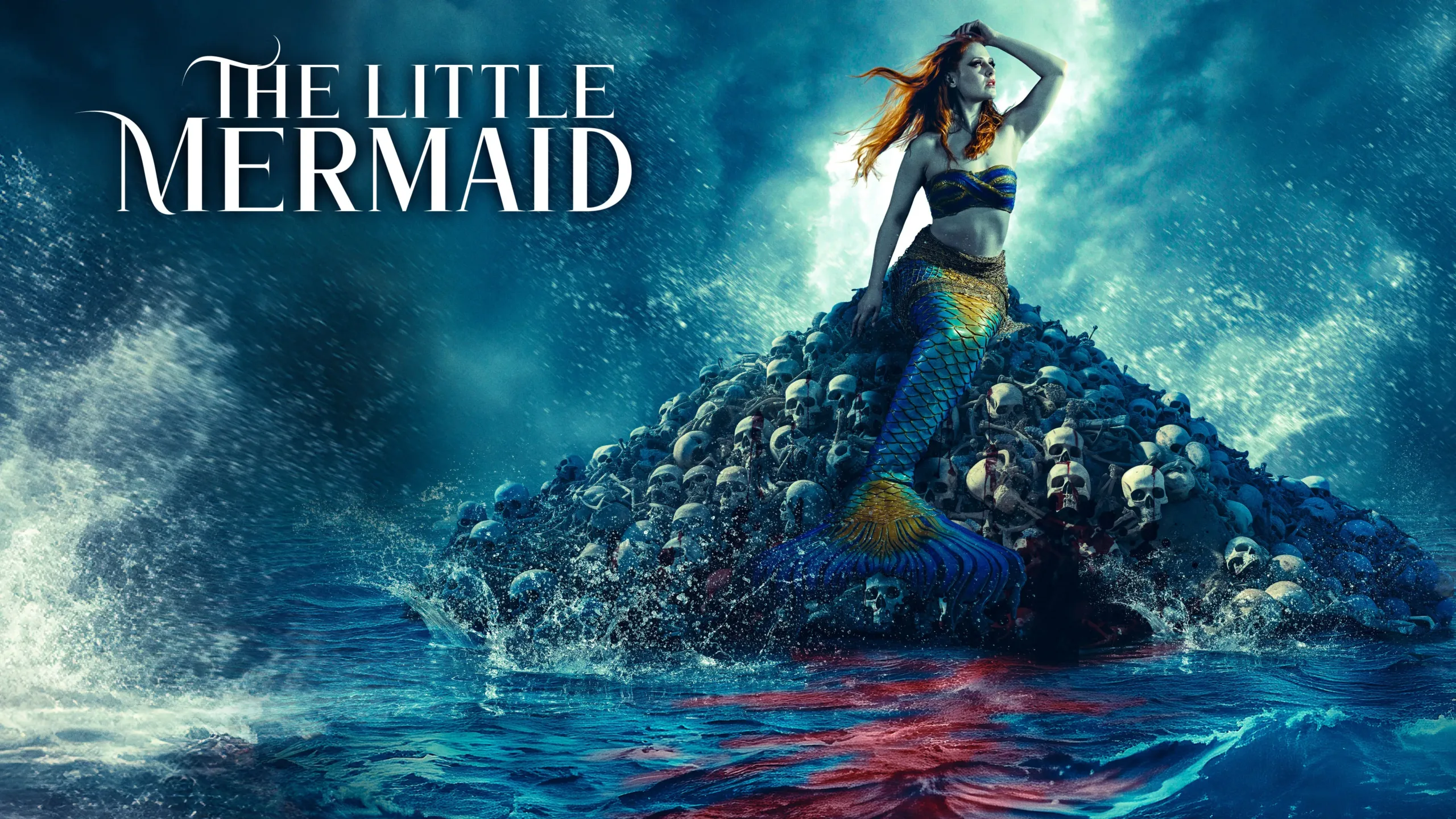

In The Little Mermaid, Leigh Scott transforms the classic fairytale from Disney’s family-friendly narrative to an unsettling R-rated horror story.
The film unfolds on a Caribbean island, where supernatural elements depart from the original’s innocence, dragging the mermaid myth into darker territories. This version draws from Caribbean folklore and Lovecraftian themes, reimagining the mermaid as a malevolent force.
The island setting critically shapes the narrative, placing it between traditional storytelling and modern horror. Supernatural and psychological aspects aim to create tension, yet the film’s slow rhythm often diminishes its ability to shock viewers. Brief glimpses suggest a larger mythology, but the story struggles to weave these cultural threads into a unified whole.
Scott’s work explores a nuanced cultural landscape, attempting to merge traditional stories with global horror conventions. The film’s limited cultural exploration makes it feel like an incomplete vision, leaving audiences pondering the transformation of mythical narratives across different contexts.
A Slow-Burning Tension: Plot and Narrative Structure
Leigh Scott’s The Little Mermaid transforms the classic fairytale into a psychological horror exploring forbidden connection, ancient stories, and cultural conflicts.
The story follows Dr. Eric Prince, an archaeologist searching through a Caribbean island whose investigation draws him into Aurora’s mysterious world. Their relationship unravels, exposing Aurora’s true self as a dangerous, mind-controlling mermaid.
The story develops slowly, pulling viewers into a chilling romance that generates suspense through psychological pressure rather than explicit horror. Scott crafts scenes where characters experience growing discomfort and escalating dread surrounding Aurora’s ancient, supernatural abilities.
Pacing moves languidly, with Eric’s obsession stretching narrative tension. This approach intensifies emotional undercurrents but risks testing audience engagement, as critical revelations about the mermaid’s essence emerge incrementally.
Scott explores the intersection between mythology and human longing, weaving global narratives of forbidden connection that challenge cultural and moral boundaries.
The measured storytelling creates space where identity, power dynamics, and tradition clash against modern sensibilities. Eric’s entanglement with Aurora reveals a complex landscape where supernatural manipulation tests human vulnerability.
Characters at Crossroads: Identity, Desire, and Supernatural Influence
The Little Mermaid presents characters from recognizable archetypes, revealing intricate connections between identity, control, and longing. Dr. Eric Prince, portrayed by Mike Markoff, emerges as an introspective protagonist—emotionally driven and vulnerable to Aurora’s allure.

His search stems from academic curiosity and personal healing, yet he becomes trapped in a relationship that shatters his understanding of self. Eric’s emotional landscape exposes human vulnerability.
His portrayal sometimes skims surface-level characteristics, reflecting the film’s struggle between psychological horror and character exploration. Eric’s descent into obsession illuminates how unchecked human emotions intersect with supernatural threats that challenge personal and social structures.
Aurora, played by Lydia Helen, serves as a reflection of Eric’s fragility—simultaneously mesmerizing and threatening. Her subdued performance creates an ambiguous presence: a potential curse victim or masterful manipulator.
Stark, eerie landscapes and her gradual supernatural revelation generate tension between traditional femininity and monstrous potential. Her seductress role echoes horror tropes while exploring cross-cultural representations of feminine power.
Aurora exists as both mythological captive and disruptive force, challenging Eric’s understanding of love and personal boundaries.
Supporting characters Dr. Ferdinand Ashley and Reggie provide narrative stability. Dr. Ashley questions Eric’s growing connection with Aurora, while Reggie offers skeptical perspectives that interrupt the mounting darkness.
Their roles highlight tensions between rational thought and unexplained phenomena, creating space to explore deeper themes of cultural encounter, desire, and supernatural intervention.
Visual Storytelling: Setting, Style, and Supernatural Aesthetics
The Little Mermaid uses its Caribbean island setting to craft a haunting and seductive atmosphere, anchoring the story within regional history and folklore. Sun-drenched landscapes clash with dark, menacing waters, revealing tensions between tropical beauty and underlying threats.
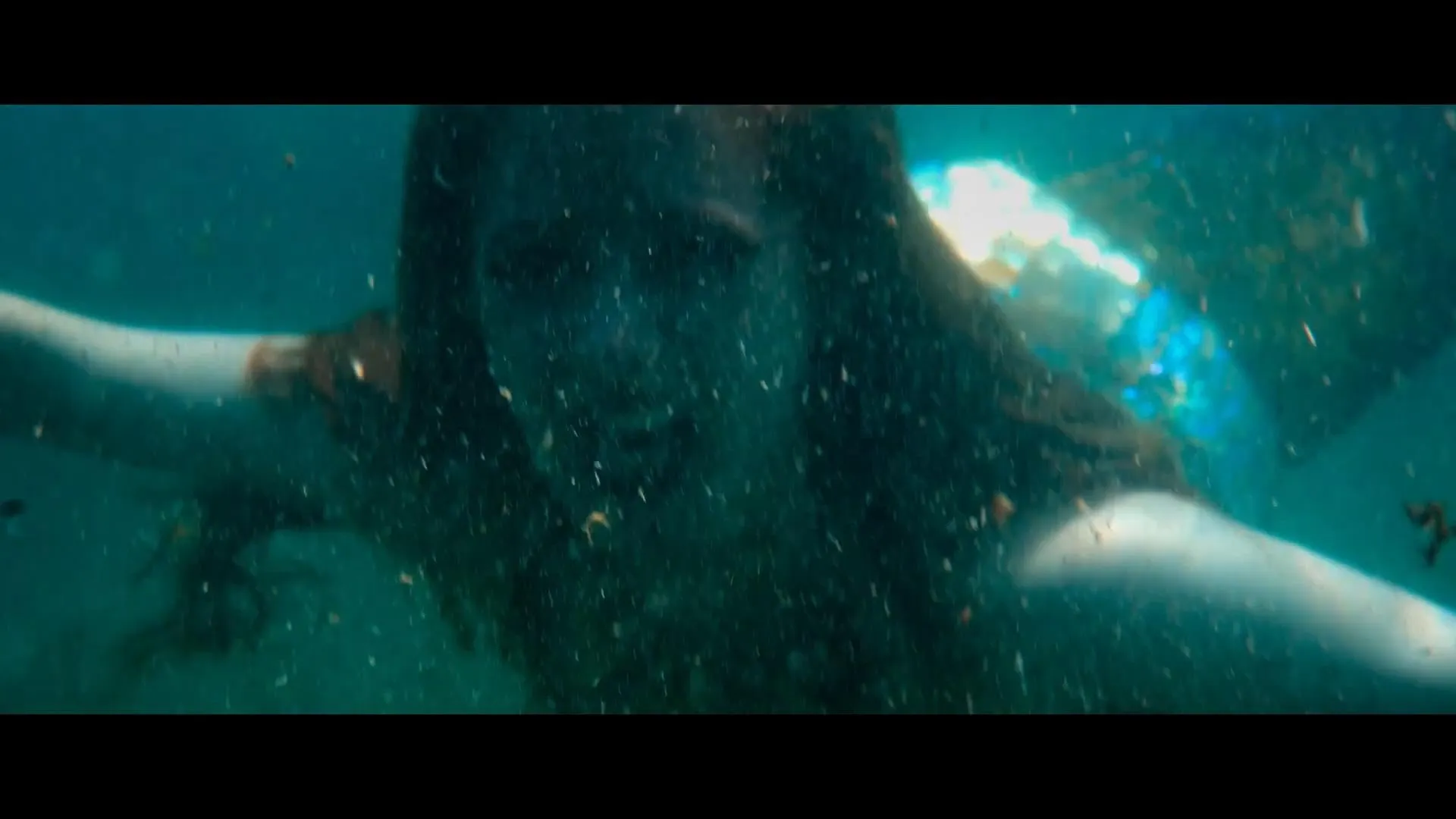
The Caribbean emerges as a space where mythical stories and reality intersect, reflecting themes of transformation and danger. Cinematography explores this contrast through natural light during peaceful moments and deep shadows during terrifying sequences. The visual interplay emphasizes the boundary between familiar experiences and hidden supernatural forces.
Color palettes shift from bright tropical tones to muted, darker shades as tension escalates. Lush surroundings create an environment of beautiful yet ominous energy, where island serenity gradually dissolves into chilling mystery. Some scenes feel disconnected, with artificial spaces replacing the rich natural environment, weakening the potential for immersive storytelling.
Special effects in The Little Mermaid attempt to animate the mermaid legend’s supernatural horror. Aurora appears as an ethereal, predatory being through practical and digital techniques. Her mermaid tail looks striking but lacks fluid movement, feeling constrained by budget limitations.
Underwater sequences struggle with realistic motion. Gore and supernatural moments remain sparse, preventing full exploration of potential terrors. The visual approach fails to transform the narrative’s mythical elements into truly shocking cinematic experiences.
Reimagining Myth: The Darker Currents of Horror and Folklore
Leigh Scott’s The Little Mermaid radically transforms the Hans Christian Andersen fairytale, merging gothic horror with contemporary storytelling. The original narrative’s core—a young woman falling for a human and facing tragic results—remains, but Scott creates a darker interpretation of the mermaid story.

Aurora emerges as a predatory character, challenging traditional concepts of love and morality. This reimagined tale explores manipulation, control, and existential threats within a forbidden connection.
The film employs classic horror elements—the seductive monster, isolated environment, and tension-building techniques. These components connect to broader horror traditions while reinterpreting the mermaid myth.
The Caribbean backdrop introduces mystical undertones, but the story’s emotional core lies in exploring moral complexity and supernatural encounters. Eric’s descent into obsession reflects archetypal struggles between human weakness and dark supernatural forces.
Lovecraftian themes emerge through Aurora’s mind-controlling powers, rooted in ancient mythological traditions. Her abilities represent terror beyond physical threat—an existential dread connecting to unknown forces.
The narrative probes how intense desires for love, control, or knowledge might trigger moral destruction. Scott creates a complex exploration of cultural mythologies, forbidden attraction, and psychological horror, challenging viewers to examine the dangerous edges of human longing.
The Delicate Art of Unease: Pacing and Tension
The Little Mermaid employs a deliberate, measured approach to horror, building emotional tension through gradual escalation. Dr. Eric Prince’s growing obsession with Aurora creates a mounting sense of unease.

This storytelling method immerses viewers in psychological darkness, though it risks losing audience attention. The restrained pace limits visceral horror experiences, keeping supernatural threats distant and cerebral. Viewers wait expectantly for a confrontation between human vulnerability and otherworldly danger.
Suspense timing becomes critical to the film’s dramatic impact. Key moments—like Aurora’s true identity revelation—punctuate long stretches of narrative tension. The story struggles to balance character exploration with horror genre expectations.
Eric’s emotional descent competes with audience desires for immediate terror. Supernatural elements remain tantalizingly out of reach, creating a space between psychological tension and narrative release. The film tests viewer engagement through its quiet, creeping approach to horror, presenting a subdued experience that challenges traditional genre structures.
Crossing Boundaries: A Reimagining That Struggles to Find Balance
The Little Mermaid weaves romance and horror, exploring the tension between forbidden connection and supernatural terror. The film strives to transform a classic fairytale into a darker narrative, drawing from psychological horror and mythological roots.
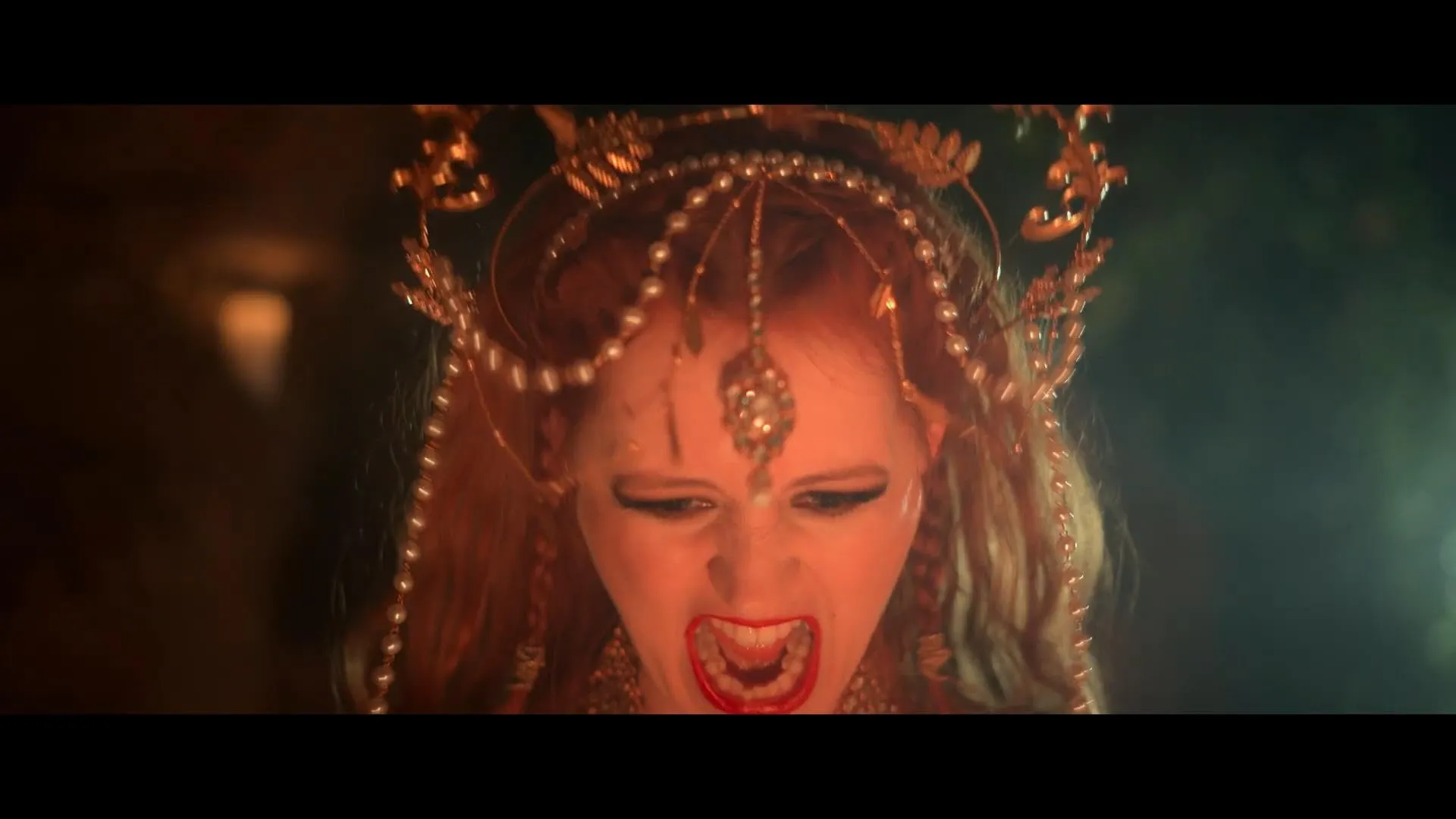
Eric and Aurora’s relationship struggles to connect, overwhelmed by slow-building horror elements that never fully emerge. Tonal shifts between gothic romance and muted terror create an unsettling viewing experience.
The Caribbean landscape creates a haunting backdrop, though supernatural scenes lack visual impact. Creature design and graphic elements feel restrained. Lead performances oscillate between emotional depth and surface-level interactions, mirroring the film’s struggle with narrative identity.
The story explores reimagined mythical territories, challenging traditional storytelling while revealing the complexity of transforming familiar tales into darker emotional landscapes.
The Review
The Little Mermaid
The Little Mermaid is an ambitious but uneven reimagining of the classic fairytale, struggling to balance its horror and romance elements. While it introduces intriguing ideas with its Caribbean setting and Lovecraftian influences, the film falters with pacing issues, inconsistent tonal shifts, and underwhelming special effects. The performances, though earnest, don’t fully sell the stakes of the narrative, leaving the film lingering in an awkward in-between space. As part of the growing trend of dark fairytale reboots, it shows promise but ultimately falls short of its potential.
PROS
- Ambitious reimagining of a classic fairytale.
CONS
- Uneven pacing detracts from the horror experience.
- Inconsistent tonal shifts between romance and terror.
- Underwhelming creature design and special effects.
- Performances lack emotional resonance, especially from the leads.