






























Dreamcore exists in the psychological horror genre, exploring liminal spaces—unsettling transitional areas between familiarity and the uncanny. The game creates environments similar to the “backrooms” meme, using an eerie ambiance that distorts the mundane into the surreal.
The two current levels, Dreampools and Eternal Suburbia, capture this feeling with expansive, maze-like structures where players wander lost between dream and nightmare.
These spaces draw players into a world without traditional gameplay mechanics like combat, focusing instead on wandering as a method of creating tension and emotional connection. The body-cam perspective deepens this experience, creating a visceral sense of presence that feels engaging and disturbing, similar to titles like Layers of Fear, where visual storytelling drives the experience.
Montraluz, an independent studio, crafts Dreamcore with an experimental approach to game design. The studio draws inspiration from artistic mediums exploring isolation and surrealism. Using Unreal Engine 5, they create striking visuals that immerse players in a world designed to feel simultaneously unsettling and beautiful. This artistic approach reflects the work of developers like Supermassive Games, known for atmospheric narrative-driven games. Dreamcore invites players into intricate environments while offering commentary on horror and digital experiences.
Exploring the Foundations of Immersive Interaction
Dreamcore centers on first-person exploration, immersing players in entrancing yet disquieting environments while emphasizing isolation. This mechanic echoes titles like Firewatch or What Remains of Edith Finch, where exploration connects to emotional experience, though without their rich storytelling.
Players move through two initial levels—Dreampools and Eternal Suburbia—where movement becomes a meditative journey through surreal landscapes. The controls remain simple, focusing on walking and running with analog sticks and limiting interactions to rare moments like entering doors or collecting items. This approach creates a sense of being a disconnected observer in an uncanny world, reflecting themes of liminality—spaces that blend familiarity with dread.
The game challenges players through navigation and puzzle-solving within expansive environments. Players must escape each level with minimal guidance—an experience both intriguing and challenging. This design follows walking simulator conventions that prioritize atmospheric tension over clear goals. Players rely on environmental cues and subtle hints like music or visual markers to understand their surroundings.
The experience parallels games like The Stanley Parable, where the environment guides and obstructs. Wandering through Eternal Suburbia’s similar-looking houses and gardens may frustrate some players. The struggle to find an exit from an endless maze explores psychological horror, transforming the search into a metaphor for existential struggle. Moving through these sprawling spaces creates tension between curiosity and despair, engaging players with the game’s unsettling core.
Venturing Through Surreal Landscapes of Isolation
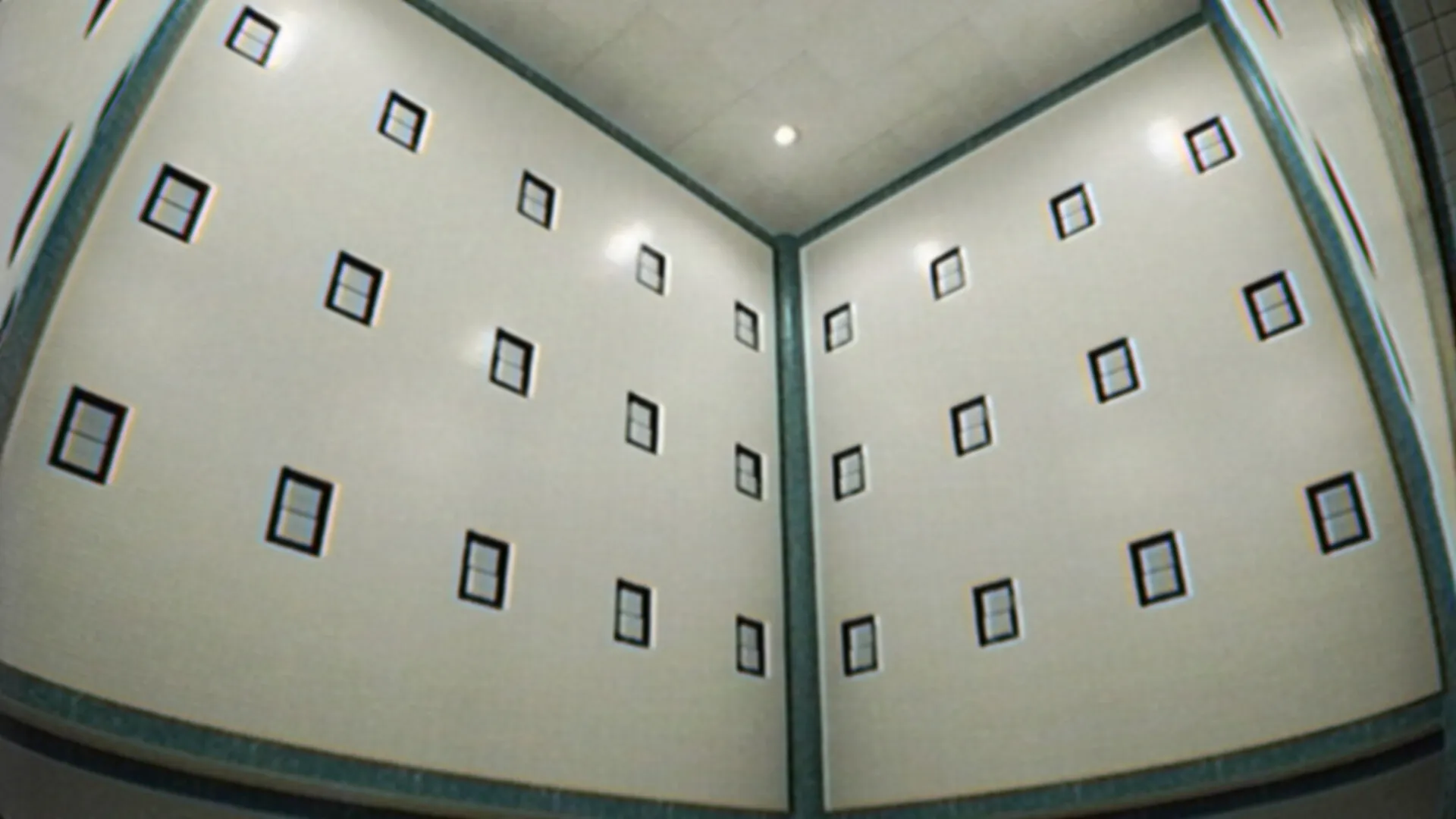
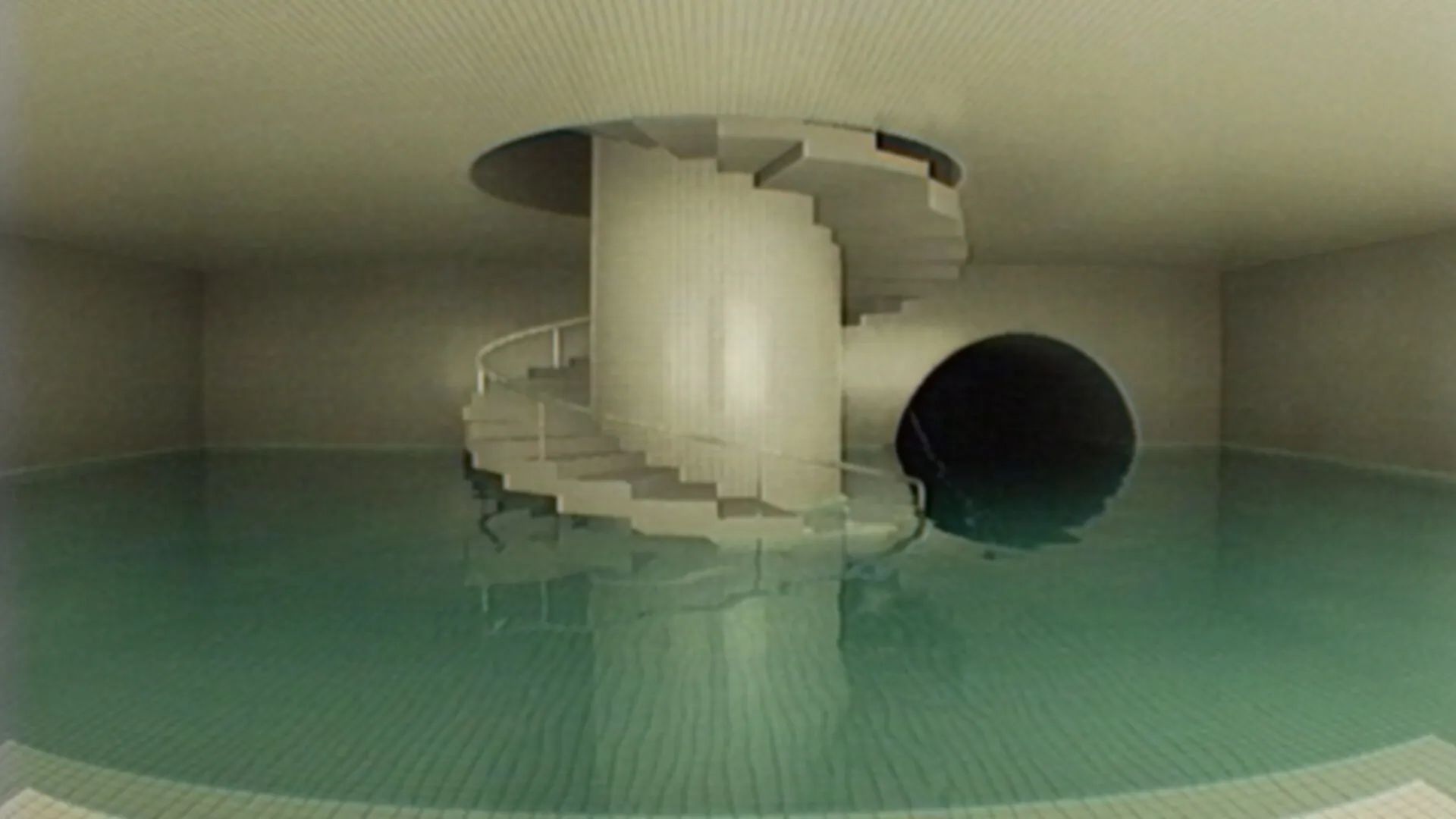
Dreampools stands out as a level embodying liminal space through dreamlike aesthetics and complex structure. The design resembles a commercial bathhouse, immersing players in a surreal world of white tiles and blue pools that balance between relaxation and unease.
Intentional design choices create disorientation, with spacious corridors and interconnected rooms feeling both infinite and confining. Players explore various environments—shimmering pools, colorful waterslides, and unexpected cheerful elements like giant yellow balls—transforming them into curious observers of a strange landscape.
The layout sprawls with numerous pathways twisting back on themselves, trapping players in a dream-like state with elusive escape. This approach echoes games like The Beginner’s Guide, using spatial distortions to reflect mental disorientation. Players receive minimal guidance, relying on senses to explore. They uncover intentional absurdity by piecing together visual clues within a repetitive environment, each landmark becoming a fragmented memory tinged with surrealism.
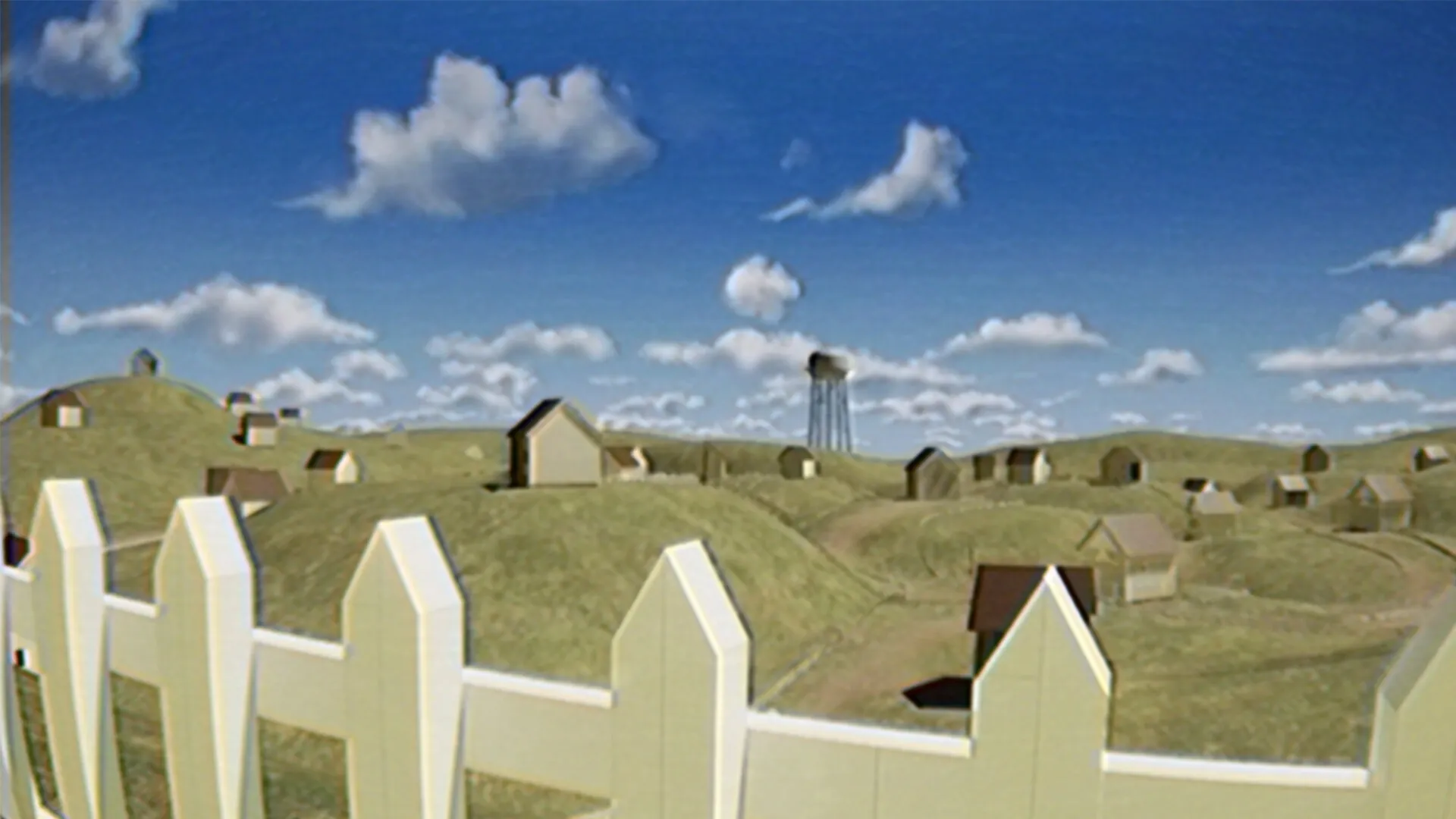
Eternal Suburbia contrasts Dreampools by diving into suburban horror, transforming neighborhood houses into an unsettling maze. Players move through rows of identical white picket-fenced homes, encountering an ironically perfect setting that grows increasingly suffocating. The level design mimics suburban familiarity while inducing uncanny déjà vu. Visual cues reflect thematic elements from films like Ari Aster’s Midsommar, where perfect communities mask dark secrets.
Navigation challenges in Eternal Suburbia can frustrate players. The expansive level with minimal guidance leads to aimless wandering among nearly identical homes and gardens. This experience of being lost captures psychological horror but might reduce player engagement. Similar to the looping hallway in P.T., the suspense depends on individual tolerance for purposeless exploration.
Dreamcore creates distinct emotional experiences through its levels. Dreampools generates wonder and absurdity, while Eternal Suburbia produces discomfort and suspicion. These environments explore liminal spaces through contrasting architectural styles and emotional landscapes.
Crafting Atmosphere: The Art of Sound and Sight
Dreamcore uses Unreal Engine 5 to create a striking visual world that captivates and unsettles players. The engine generates highly detailed environments in Dreampools and Eternal Suburbia, presenting photorealistic landscapes that feel almost tangible.
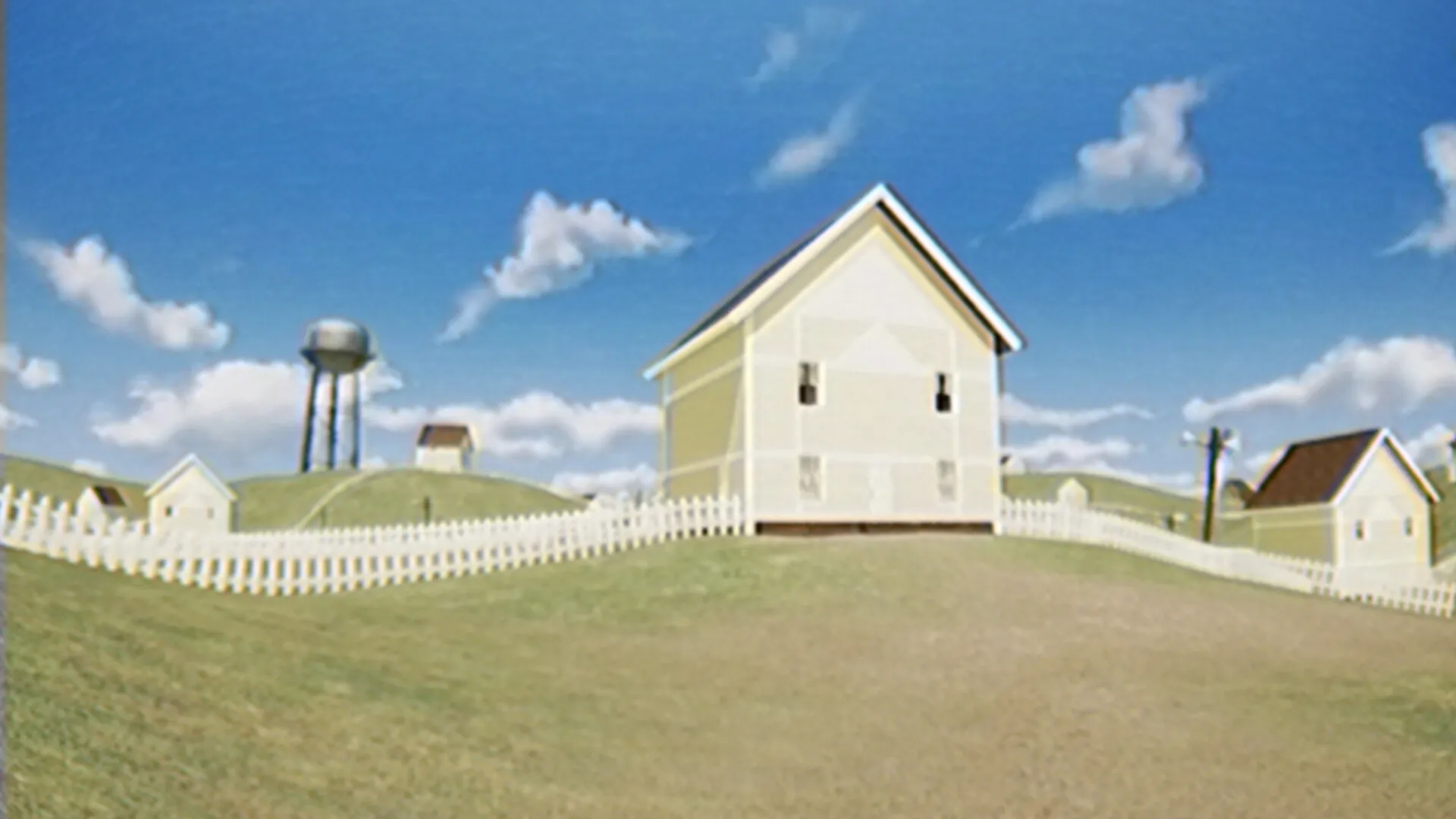
Vibrant colors in Dreampools contrast with stark whites and greens in Eternal Suburbia, exploring beauty intertwined with horror. The visual style echoes indie titles like Little Nightmares, where environments become living characters in the narrative.
A VHS filter overlays the graphics, introducing distortion that deepens the psychological atmosphere. Simulating old videotape footage, the effect evokes nostalgia while unnerving players with suggestions of lost memories. This approach mirrors the aesthetic of horror film V/H/S, challenging player perceptions by presenting a world that feels simultaneously familiar and horrific.
Sound design crafts an unsettling ambiance through minimal audio elements. Natural sounds—echoing footsteps, distant water movements—heighten isolation and anticipation. The sparsity channels anxiety similar to Silent Hill 2, where unspoken sounds carry intense emotional weight.
Silence creates palpable tension, forcing players to confront their surroundings. The game avoids traditional scares, instead exploring psychological horror through emptiness. Environmental sounds like distant machinery humming or shifting ambient noises enhance the unnerving experience.
Player movement through these spaces combines visual and audio elements to create an enveloping atmosphere that disturbs and mesmerizes, reinforcing the unsettling core of Dreamcore’s design.
Assessing the Longevity of Liminal Journeys
Dreamcore currently presents two levels: Dreampools and Eternal Suburbia. These environments offer players extensive exploration through distinct spaces.
Dreampools creates a vibrant, disorienting experience with complex corridors, while Eternal Suburbia delivers suburban horror through eerie isolation. The current content focuses on atmospheric exploration instead of traditional gameplay mechanics, which might challenge player engagement.
The developers plan to release three additional levels during 2025 and 2026, generating excitement about potential expansions. Players wonder whether new areas will maintain the atmospheric depth of existing levels or introduce interactive elements that enhance player experience.
The trophy system appears minimal, featuring four Bronze, six Silver, and two Gold trophies for the PlayStation 5 release. The lack of a Platinum trophy could discourage completionists. Current achievements center on finding exits and exploring levels, emphasizing discovery over traditional gaming accomplishments. This approach reflects the game’s thematic commitment to existential exploration, inviting players to experience the journey without focusing on external rewards.
Emotional and Psychological Impact
Dreamcore creates an intense experience of isolation, revealing profound loneliness within liminal spaces. The levels, especially Eternal Suburbia, guide players through lifeless environments. Without characters or visible avatars, players become spectral observers in a familiar yet empty world.

This absence sparks introspection and vulnerability, prompting reflections on personal existence within surreal landscapes. The approach mirrors titles like Dear Esther, where wandering itself becomes a narrative method, stirring curiosity and melancholy.
Players move through endless corridors and mazes, confronting feelings of unease and displacement. Quiet, slow exploration forces engagement with vast spaces, mirroring emotional isolation experienced in real life. Similar to What Remains of Edith Finch, deliberate pacing and environmental storytelling generate a haunting atmosphere that aligns player emotions with psychological surroundings.
Dreamcore embodies psychological horror connected to liminal spaces, intensifying fears of the uncanny. Being in-between—traversing infinite corridors or experiencing environments blending comfort with discord—creates profound discomfort. This experience challenges player perceptions of reality and normalcy. Suburban landscapes warped into identical home labyrinths manifest deep psychological fears, reminiscent of The Shining’s transformation of ordinary spaces into sinister realms.
Exploration prompts questions: “What if I cannot escape?” or “What exists beyond my perception?” Uncertainty generates lingering tension that remains after gameplay stops. The design taps into primal fears of isolation and losing oneself, creating a deeply unsettling experience within psychological horror.
Audience and Accessibility
Dreamcore targets a specific audience interested in psychological horror and experimental gameplay. Players who enjoy exploration-focused games like Firewatch or The Long Dark might appreciate the game’s atmospheric design and narrative-driven environments.
The solitary gameplay connects with individuals who value slow pacing and emotional depth in independent games. Players seeking action-driven experiences or traditional horror elements with combat and jump scares will likely find Dreamcore less engaging.
The game’s complex, disorienting environments could challenge players with less patience for cerebral horror experiences. Dreamcore creates a specialized experience for gamers who appreciate psychological exploration of liminal spaces rather than conventional gameplay mechanics.
Players willing to explore slow-paced, existential themes will discover a haunting journey through surreal worlds that challenge perceptions of fear and solitude. The game suits fans of atmospheric storytelling and psychological complexity.
Individuals drawn to works exploring liminality, such as Yume Nikki or interactive art installations, will likely connect with Dreamcore’s ambiguous and thought-provoking nature. Those attracted to the quiet terror of feeling lost in empty spaces will find a deeply immersive experience outside mainstream horror conventions.
The Review
Dreamcore
Dreamcore explores liminal spaces through striking visuals and intense sound design. The minimalist gameplay challenges players who prefer traditional interaction. Players seeking atmospheric, psychological experiences will find deep emotional engagement. Narrative-driven indie game enthusiasts and psychological horror fans will appreciate this exploration of eerie, unknown spaces.
PROS
- Striking visuals powered by Unreal Engine 5 that create a vivid and immersive experience.
- Unique thematic exploration of liminal spaces and psychological horror.
- Effective sound design enhances the atmospheric tension and emotional depth.
CONS
- Minimalist gameplay may frustrate players seeking action or traditional objectives.
- Navigation can feel tedious due to the repetitive nature of the environments, especially in Eternal Suburbia.
- Sparse trophy list may deter completionists and limit replay value.