
















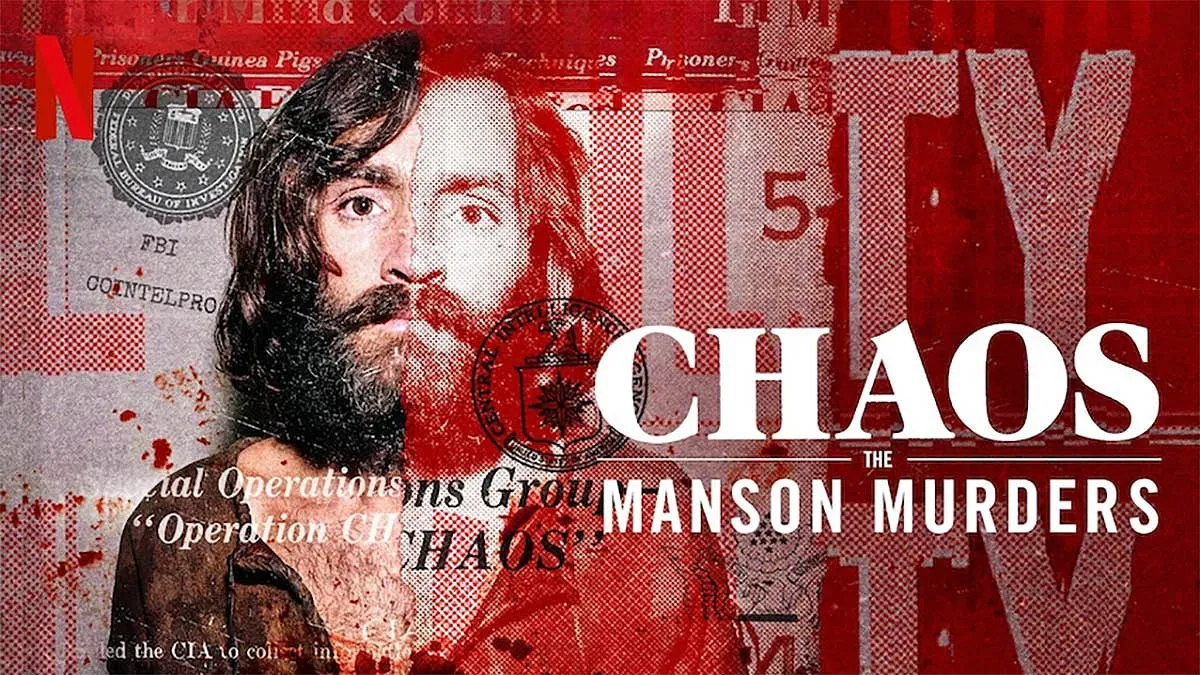

The documentary opens a window onto a dark chapter in American history by revisiting the notorious case of Charles Manson and his followers. It presents a focused study of a figure whose actions continue to stir debates across different cultures and generations.
The film examines the impact of a notorious cult leader whose influence still sparks discussions about the nature of control and the forces behind societal change. By charting Manson’s rise during a time of significant societal shifts, the work offers insight into a period marked by social unrest and rapid cultural transformations.
Set against the backdrop of the late 1960s, the film draws attention to a time when ideals clashed with emerging new attitudes. This era, with its revolutionary energy and profound uncertainties, is portrayed as a catalyst for dramatic events that reshaped public perceptions.
The investigation relies on archival material and intimate interviews to challenge standard explanations and encourage a fresh reassessment of established narratives. In doing so, the documentary invites viewers from various cultural backgrounds to reflect on the intersections between historical events and enduring societal values, prompting a reevaluation of long-held assumptions about power, influence, and the nature of truth.
Narrative and Visual Synergy: Fragmented Chronologies and Archival Insights
The film employs a fragmented narrative that mirrors the unpredictable course of the events it depicts. Its structure, reminiscent of a visual flip-book, scatters names, dates, and documents across the screen, inviting viewers to piece together a complex puzzle.
This method of presentation highlights the chaotic flow of history and echoes storytelling traditions found in various cultures, where non-linear accounts challenge the notion of a single, fixed truth.
Archival footage and recorded interviews form the backbone of this work. Historical news clips and trial transcripts appear alongside recorded personal accounts, creating an interplay that forces the audience to question the reliability of each perspective.
The text overlays and archived images work in tandem, creating a layered narrative that draws attention to both factual details and the personal recollections of those involved. This mixture of visual elements draws comparisons to cross-cultural methods of preserving history, where oral traditions and written records intertwine.
The editing style is marked by rapid transitions and a rhythmic presentation of ideas. Quick cuts and alternating sequences produce a visual cadence that parallels the rapid shifts in narrative focus. The arrangement of on-screen documents, interview setups, and archival snippets produces a dynamic visual composition that encourages viewers to actively engage with the material.
This visual arrangement raises questions about the role of presentation in shaping memory and understanding, offering an opportunity to consider how historical events are recalled and reinterpreted across different societies.
Throughout the piece, the balance between factual exposition and the evocation of personal memory is maintained with care. The structure challenges the viewer to interpret both the raw material of recorded events and the layered meanings embedded within the recollections, leaving room for ongoing discussion about the nature of truth.
Challenging the Canon: Rethinking Cultural Myths
The film questions the long-held account of the infamous case, offering an account that shifts focus away from the traditional “Helter Skelter” narrative. It presents alternative theories that cast doubt on the accepted version of events.
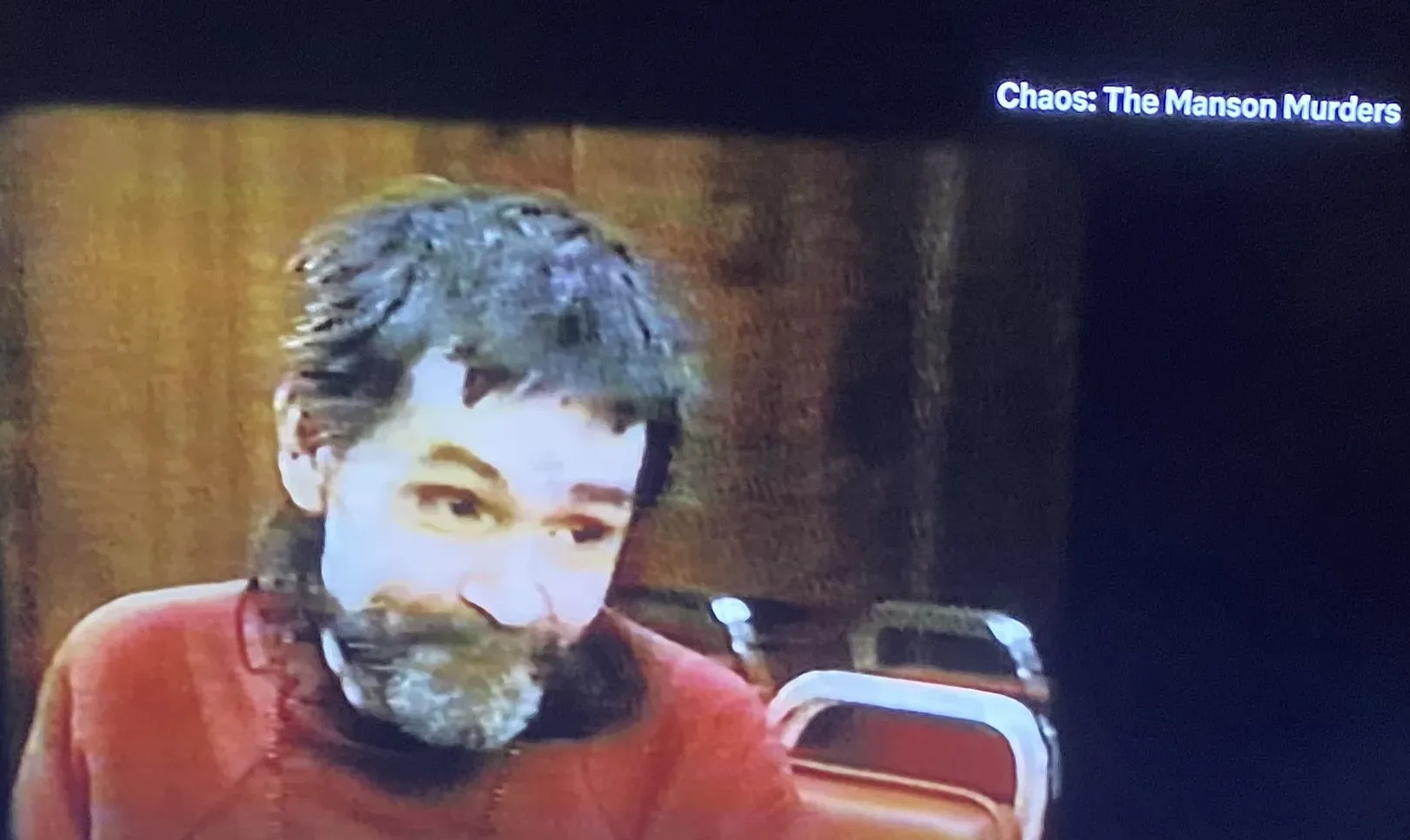
Through a careful arrangement of selective evidence and pointed inquiries into official records, the work asks its audience to reconsider familiar stories and the way they are presented. By scrutinizing established media and judicial accounts, the documentary exposes discrepancies that arise when history is shaped by limited viewpoints.
The examination of government influence and experiments in controlling minds adds further depth. The film brings forward references to covert operations, such as programs aimed at studying psychological control and political subversion.
These elements serve as a counterweight to the mainstream narrative, urging viewers to question the clarity of what is accepted as historical fact. The interplay between recorded testimonies and documented evidence creates a space where speculation and fact meet, sparking debate about the true nature of the events that unfolded.
Manson’s image is treated as a construct, one that has been polished by decades of media reproduction. The film takes on the task of breaking down this well-known persona, looking at how repeated retellings contribute to a larger-than-life myth.
It draws attention to the techniques that media outlets have employed to frame the story in ways that suit specific agendas. In comparing these methods with practices seen in other cultures’ storytelling traditions, the documentary highlights variations in how societies shape their narratives around notorious figures.
Visual and Aural Style: Crafting a Disturbing Mosaic
The film presents a striking visual approach that blends archival footage with thoughtfully arranged interviews. It employs bold contrasts and muted lighting that emphasize the weight of the subject matter.
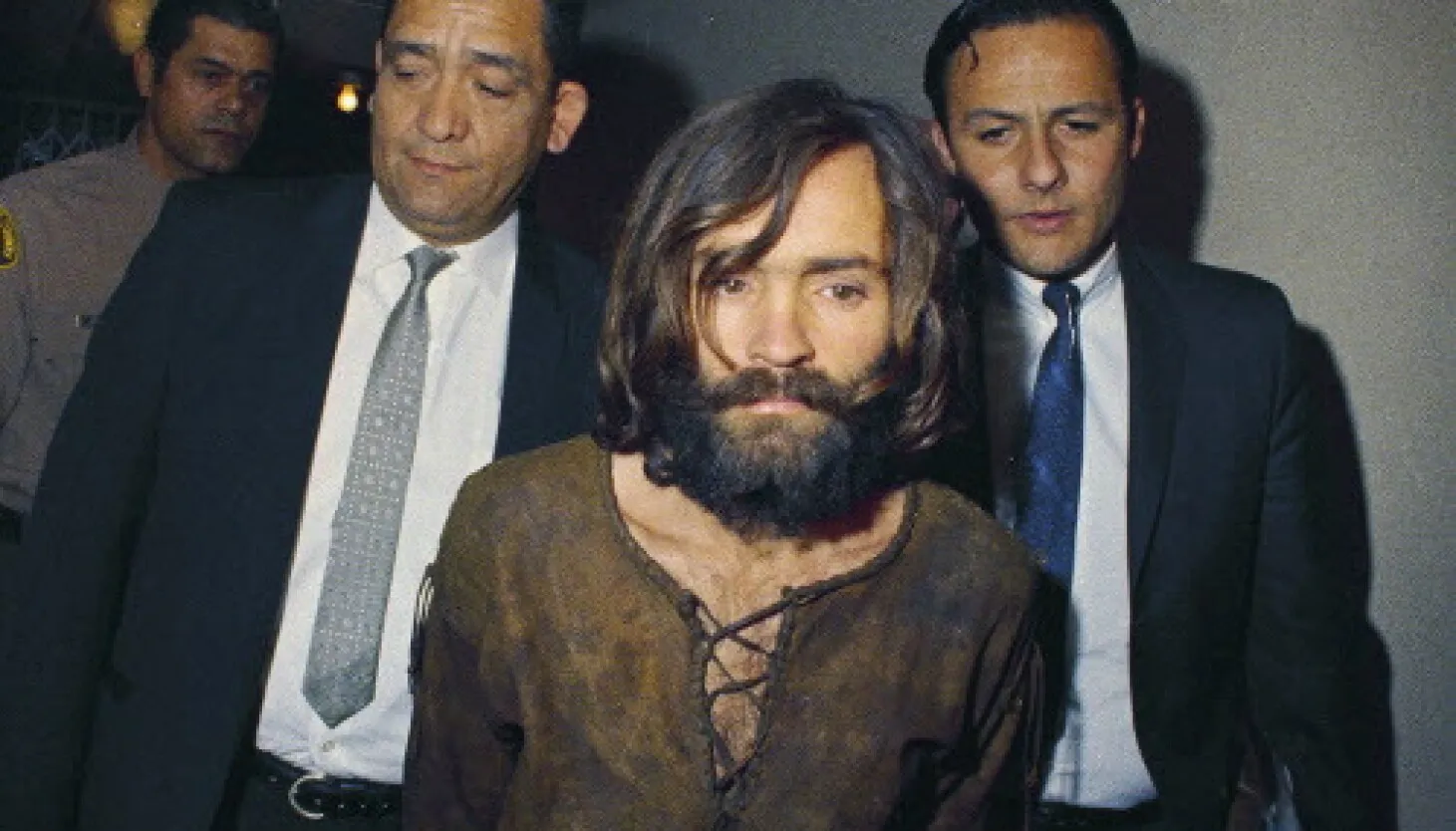
Sequences featuring isolated portraits of key figures and scanned documents create a recurring motif, one that reflects the fractured and unpredictable nature of the events depicted. The repeated appearance of names, dates, and textual fragments challenges the viewer to piece together a mosaic of recollections and records.
Sound plays an essential role in shaping the experience. Period-specific audio cues mix with a score that carries an eerie resonance, including selections tied to the central figure’s own recordings. This auditory element functions in two ways.
It brings a human aspect to a figure shrouded in infamy while also serving as a tool to maintain the investigative tone of the film. The music underlines the unfolding narrative, prompting the audience to question how recorded sounds shape our memory of history.
On-screen text and graphics are interlaced with the visual narrative. Highlighted documents and emphasized dates act as visual markers that guide the viewer through a network of historical data.
These elements create a framework that links fragmented pieces of evidence, inviting an active engagement with the material. The method recalls practices found in other cinematic traditions where layered records and personal accounts converge, providing a rich field for interpretation.
This synthesis of visual elements and sound contributes to an atmosphere that is at once disquieting and thought-provoking. It encourages a reconsideration of how personal memory and historical records interact, leaving the audience with a persistent sense of ambiguity about the reliability of what is seen and heard.
Political Tensions and Cultural Shifts
The film captures a period marked by deep divisions in 1960s America. It portrays an era defined by vibrant counterculture, where protest movements, the emergence of rock music, and challenges to established norms reshaped public sentiment. Against this setting, the narrative of Charles Manson unfolds as a reflection of a society in turmoil.
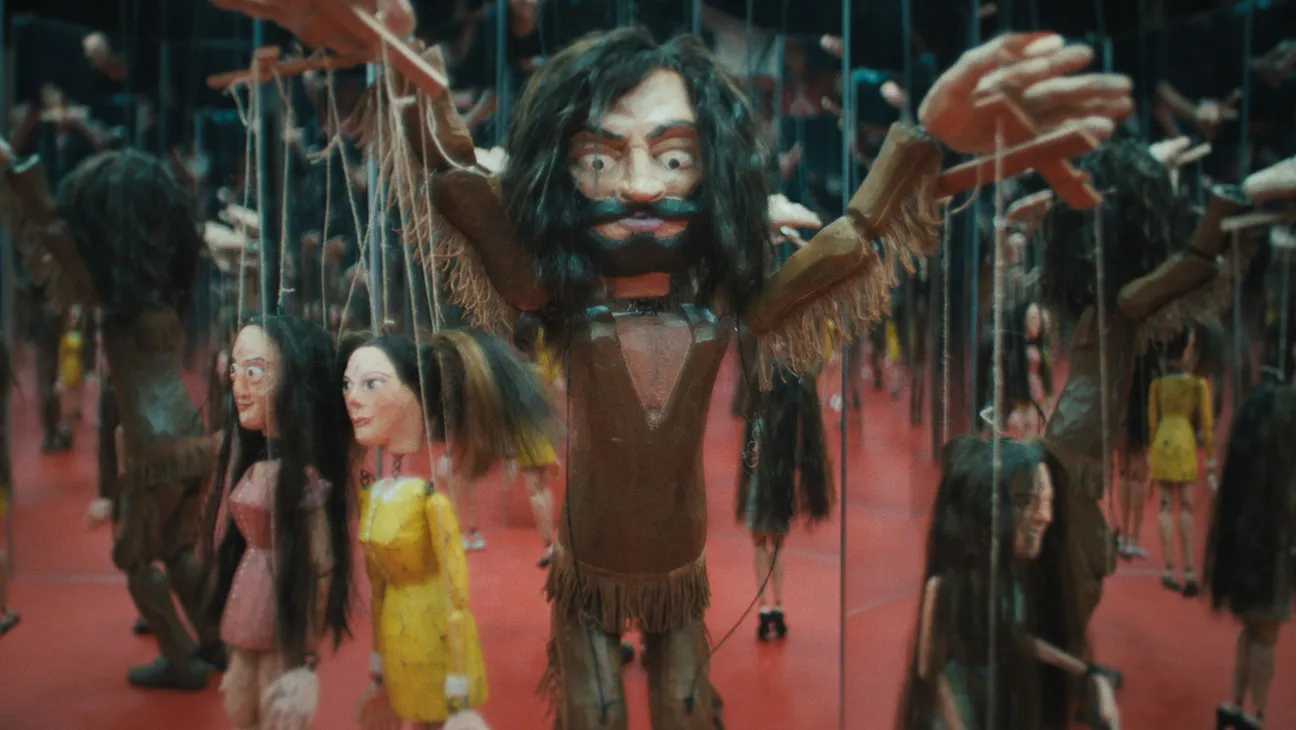
The film positions his actions amid a time when public dissent and artistic experimentation fueled dramatic shifts in social values, suggesting that the environment itself played a role in molding a notorious figure.
The work also draws attention to covert state initiatives that cast long shadows over public life. By incorporating references to secret projects linked to psychological manipulation and domestic surveillance, the film intimates that official structures may have contributed to a climate ripe for unrest.
These mentions of clandestine operations provoke the viewer to consider the influence of government actions on both personal freedom and the collective psyche, hinting at how such efforts might indirectly set the stage for disruptive forces to emerge.
In addition, the film addresses the stark divides in American society during this turbulent period. It portrays a nation riven by conflicting ideologies, where media portrayals and judicial outcomes were heavily shaped by polarized viewpoints.
The narrative reveals how legal processes and media narratives intertwined, reinforcing entrenched perceptions and contributing to a persistent atmosphere of mistrust. In doing so, the documentary encourages reflection on the complex interplay between individual behavior and the sweeping forces of political and social change.
By situating these events within a landscape of ideological conflict and secretive state practices, the film offers an opportunity to examine the impact of historical grievances and government strategies on cultural memory. The portrayal leaves open questions about the lasting effects of that era on both national identity and the global stage.
Character Portrayals and Interview Dynamics: A Multifaceted Lens
The film casts a long shadow over its subject by presenting Charles Manson as an ever-shifting figure. His screen presence oscillates between the magnetism of a cult leader and the stark brutality of a criminal.
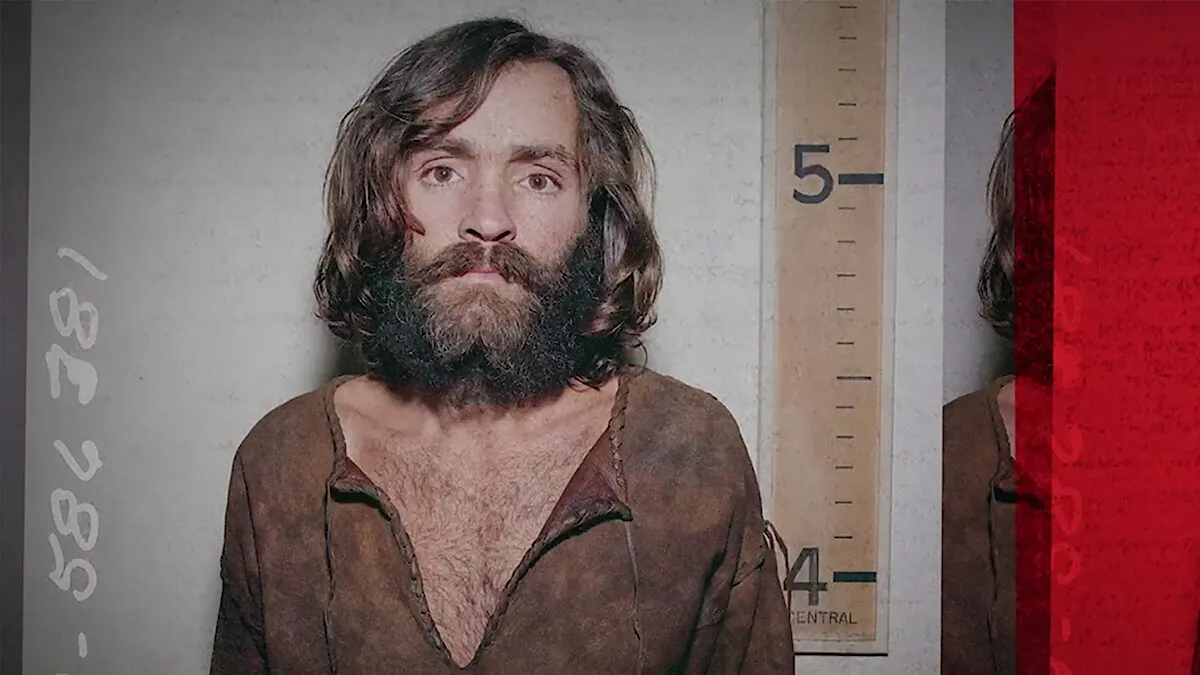
The interviews capture his calm, almost detached manner, while archival clips reveal moments that unsettle the viewer. This interplay creates a layered picture of a man who has become both a myth and a warning. The archival materials interrupt personal accounts, forcing an examination of how public images are constructed over time.
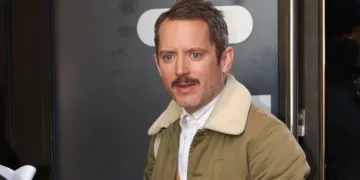
Tom O’Neill emerges as the narrative’s investigator, offering a counterpoint to the more polished accounts from official sources. His direct exchanges on camera reveal a persistent search for evidence that challenges familiar narratives.
His conversations hint at the possibility of hidden influences and covert operations, which in turn prompt viewers to question the version of events that has long been taken for granted. His measured tone and willingness to confront controversial ideas lend an air of sober inquiry to the presentation.
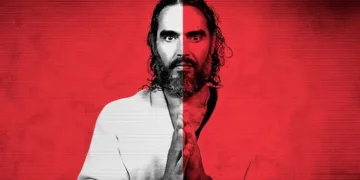
Other voices join the discussion, ranging from legal figures to former family members whose recollections inject additional complexity. The varied perspectives introduce moments of discord and uncertainty, prompting a reconsideration of what is accepted as fact. These interviews create a mosaic where personal memory and recorded history intermingle, each contributing its own texture to the overall portrait.
The film’s approach to interviews—marked by direct address and carefully arranged setups—draws the viewer into a more intimate space with the subjects. The camera lingers on expressions and subtle shifts in posture, inviting the audience to absorb nuances that printed text might miss.
Such techniques raise questions about the interplay between personal testimony and constructed narratives, leaving room for multiple interpretations without a definitive resolution.
The Review
Chaos: The Manson Murders
Chaos: The Manson Murders offers a layered look at a notorious chapter in history with striking visuals and thought-provoking interviews. The film challenges established narratives while inviting the viewer to question what is accepted as fact. Its careful juxtaposition of archival evidence and personal recollections creates an experience that is both unsettling and reflective.
PROS
- Strong use of archival material
- Engaging visual storytelling
- Provocative interview style
CONS
- Fragmented narrative may disorient some viewers
- Ambiguous messaging leaves questions unanswered