





















![Kingdom Hearts Collection [I-III] Review](https://gazettely.com/wp-content/uploads/2026/10/Kingdom-Hearts-Collection-I-III-1-360x180.webp "Kingdom Hearts Collection [I-III] Review: KHII Holds Steady as Newer Entries Fluctuate 37")




The Last Supper reinterprets the final days of Jesus Christ through a modern cinematic lens, presenting a dramatic recounting of events that have shaped religious thought for millennia. The film recounts pivotal Biblical moments, capturing a complex interplay among central figures during a time of profound historical significance.
Its narrative unfolds with a distinctive voice provided by Peter, whose perspective casts fresh light on events traditionally seen through a singular lens. The timeline spans from the shores near the Sea of Galilee—where miracles such as the miraculous multiplication of loaves and fish unfold—to the tumultuous atmosphere of Jerusalem, where the cleansing of the temple sets the stage for an inevitable upheaval.
This cinematic retelling places its foundation in Judea during the years 32–33 A.D., evoking the cultural and spiritual climate of the era with careful attention to period detail.
Key moments, including the feeding of a vast crowd and the temple’s dramatic purging, anchor the narrative in events that have long captivated the collective memory of its audience. The film aims to present a dramatic spectacle that captures the solemnity and intensity of these scriptural events, offering a refreshing reinterpretation of a sacred tale.
The Narrative Canvas of The Last Supper
The film unfolds its narrative by tracing the arc from the early days of Jesus’ ministry along the Sea of Galilee to the dramatic betrayal and the momentous Supper that forever altered history.
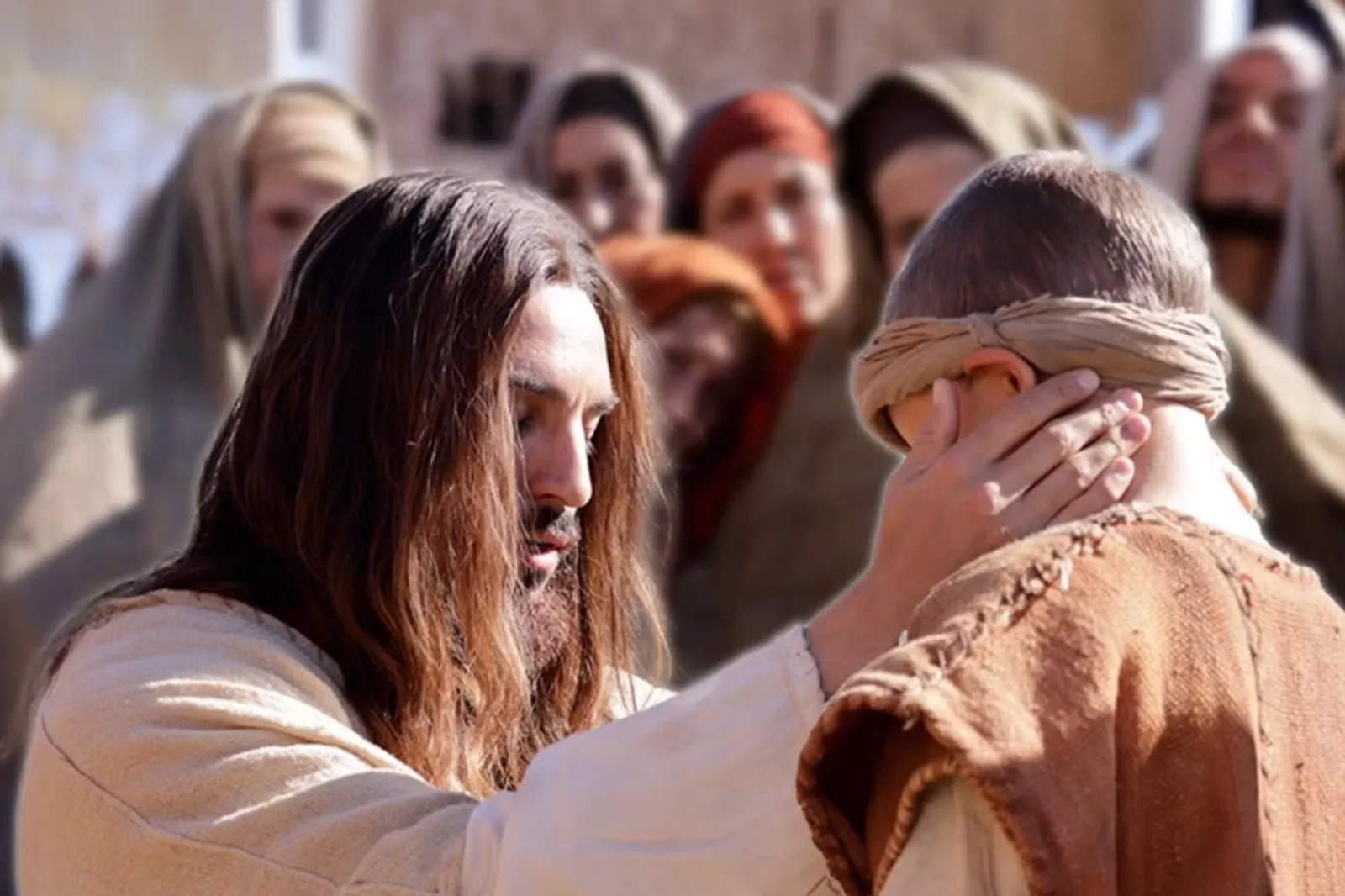
The progression is marked by a careful alternation between quiet, meditative intervals and charged sequences filled with kinetic energy. Early scenes introduce miracles that establish a sense of awe—miracles of sustenance and healing that serve as visual affirmations of divine power. These moments are rendered with a clarity that sets the tone for what follows.
As tensions mount among the apostles, a palpable friction emerges between Peter and Judas, captured through dialogue and subtle glances. The narrative carefully constructs the rise of internal conflict within the group, paving the way for a portrayal of the Passover dinner that is both solemn and layered.
A symbolic act of foot washing punctuates this part of the film, infusing the scene with rich meaning that speaks to humility and the inversion of societal roles. Transitioning to Jerusalem, the film shifts gears sharply; public ministry gives way to the intimacy of the Upper Room, where emotional currents flow beneath the surface of restrained dialogue.
Innovations in perspective allow the audience to witness the inner lives of figures traditionally cast in the background. A more measured gaze reveals Judas wrestling with conflicting impulses, while Peter’s evolving sense of duty emerges with quiet intensity.
The narrative employs flashbacks, parallel storytelling, and carefully composed symbolic sequences that challenge the viewer to piece together a non-linear timeline. This structural complexity invites a layered reading of events, prompting consideration of both the overt drama and the subtler undercurrents that define this retelling of a timeless saga.
Performing the Sacred Ensemble
The portrayal of Jesus in this film is a study in balanced gravitas. The actor’s interpretation casts him as a figure of divine benevolence tempered by an unmistakable human frailty.

His eyes and measured cadence evoke both a serene compassion and an inner burden of responsibility, imbuing his every gesture with the weight of a timeless mission. His moments of silent empathy speak as powerfully as any spoken word.
Peter emerges as the narrative linchpin, his evolution portrayed with quiet intensity. As the primary voice, he captures the transition from unerring faith to a life shadowed by inner conflict and the search for redemption. His silent struggles and rare bursts of fervor offer a window into the transformation of a once steadfast believer, challenging established perceptions of loyalty and doubt.
Judas, in contrast, is sketched with an acute awareness of his internal strife. His portrayal oscillates between unbridled ambition and a tortured moral dilemma, marked by fleeting yet potent encounters that hint at darker influences. This character is rendered not as a mere antagonist but as a conflicted soul, whose turbulent impulses reveal the complexity of human frailty.
The supporting cast, including lesser-discussed apostles, lend subtle depth to the ensemble. Brief glimpses into their unspoken backstories add a faint undercurrent of latent potential, hinting at narratives left in the margins of the sacred text. Meanwhile, the high priest Caiaphas stands as a figure of cunning, his calculated maneuvers casting a stark contrast to the spiritual purity of his contemporaries.
In select scenes, performances are punctuated by charged silences and deliberate dialogue, each moment a careful brushstroke in a broader canvas of emotional and symbolic interplay. The film succeeds in layering its characters with a depth that transforms familiar archetypes into figures of palpable humanity and moral complexity.
Visual and Aural Revelations
The film’s visual narrative is crafted with a deliberate artistry that captures the ancient spirit of its setting. Natural light casts a gentle glow over expansive desert vistas and rolling hills, offering a clear window into the historic landscape.
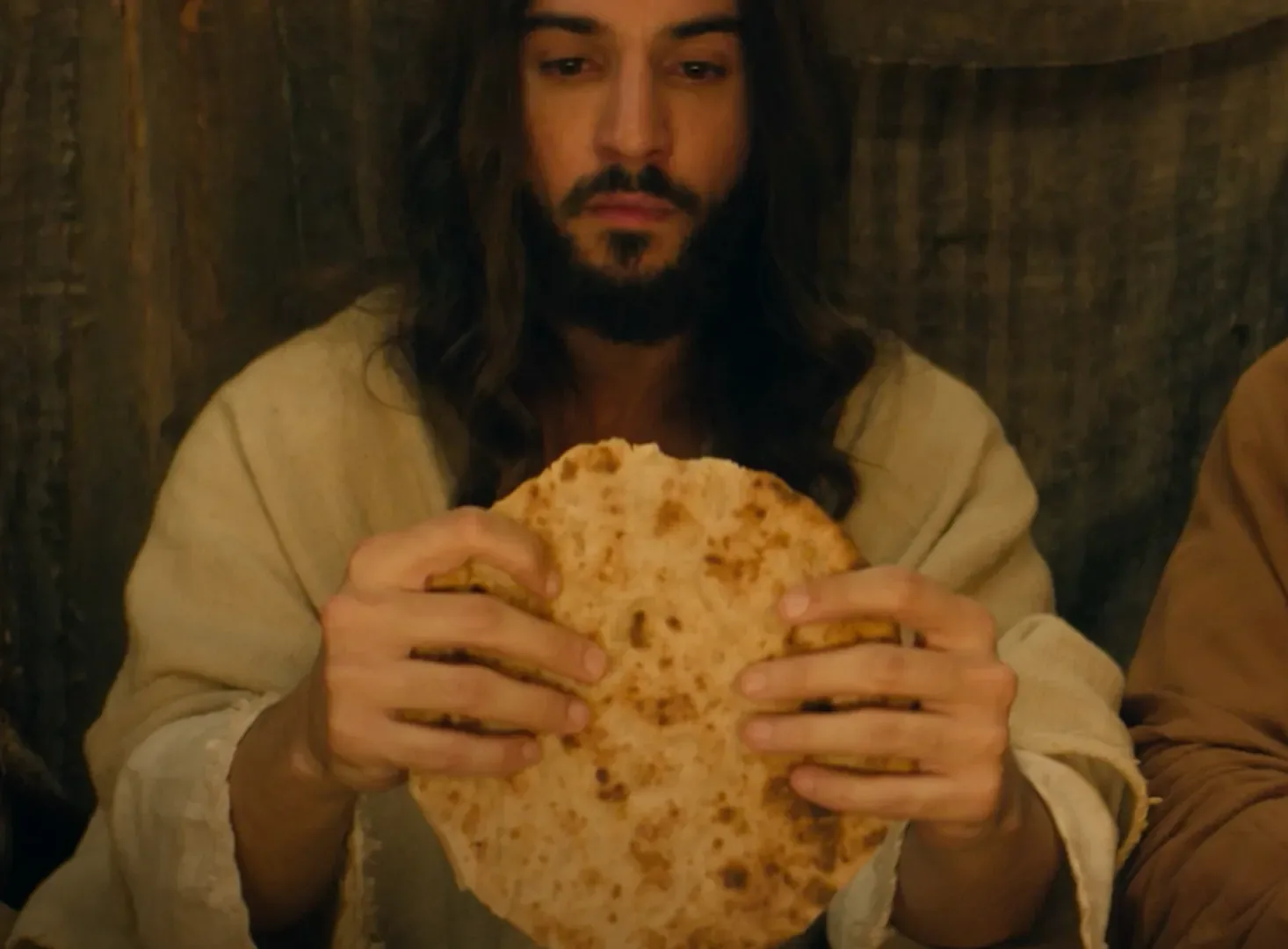
The camera lingers on the windswept shores near the Sea of Galilee, where each frame is composed with a painter’s precision, enhancing moments of quiet revelation during the Last Supper. Close-up shots capture the intimate expressions of characters, their eyes revealing inner worlds amid the unfolding drama.
Authentic locations serve as silent storytellers in their own right. The arid terrains of Morocco, evoking the timeless aura of ancient Judea, are meticulously rendered. Detailed costume design and carefully chosen props reflect the period’s tangible textures, grounding the narrative in an unmistakable historical milieu. Every fabric fold and weathered artifact contributes to a setting that feels both lived-in and sacred.
The musical score further enriches this visual tapestry. Gentle instrumental passages underscore reflective scenes, while more vigorous compositions propel the tension in moments of conflict. Strategic silences punctuate the dialogue, lending gravity to pivotal exchanges.
Ambient sounds, from the whisper of wind through ancient ruins to the murmuring crowds during dramatic temple disturbances, heighten the overall impact of the narrative.
Choreographed sequences, particularly those capturing the chaotic energy of temple disruptions and the solemnity of the symbolic supper, benefit from a delicate interplay of practical effects and understated visual enhancements, collectively elevating the film’s sensory experience.
Symbols of Sacrifice and Redemption
The film employs a range of biblical emblems to evoke the profound weight of spiritual sacrifice and the promise of renewal. Iconic motifs such as bread and wine serve as tangible reminders of ancient rituals, infusing the narrative with a quiet dignity.
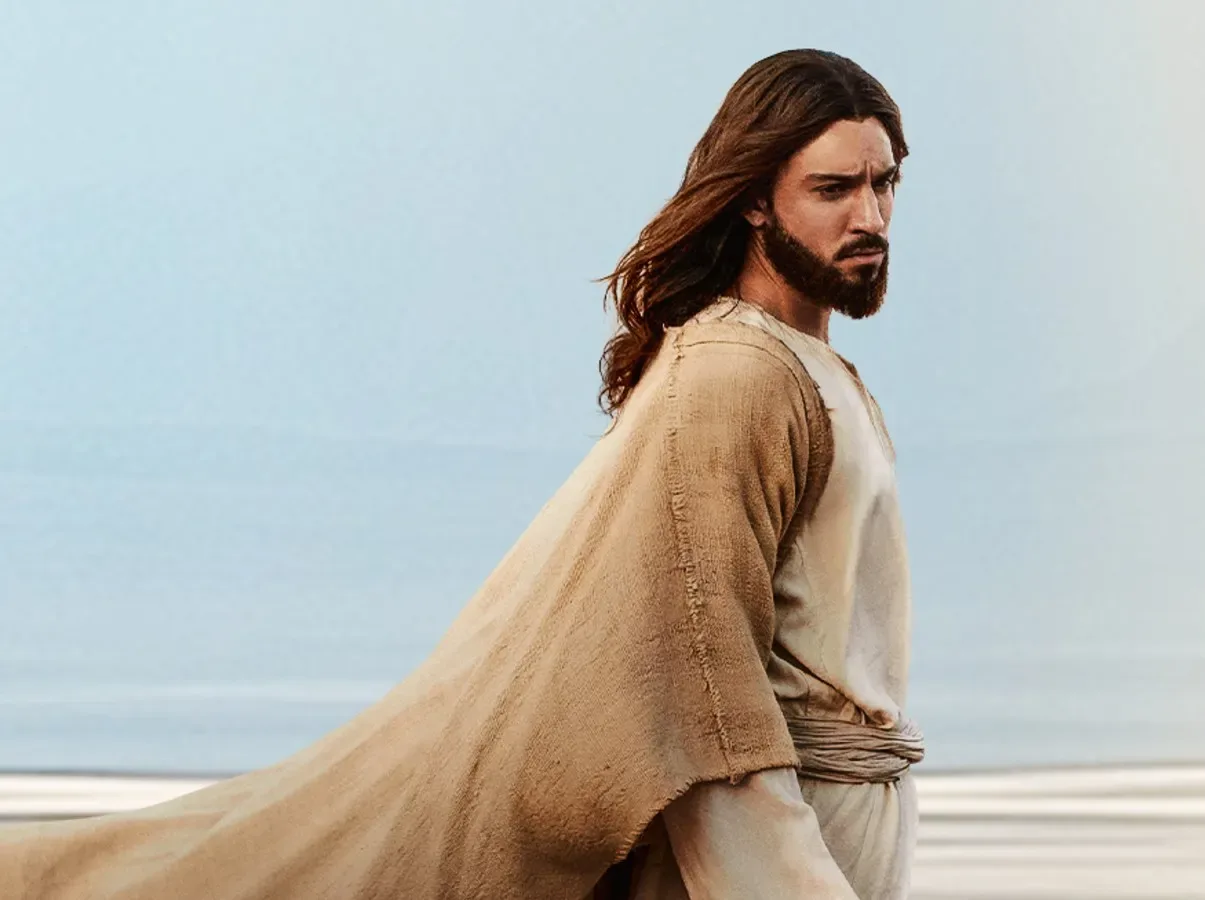
The act of washing feet is presented as an emblem of humility and renewal, inviting viewers to reflect on the delicate balance between service and grace. One sequence transforms Peter’s evolution into a striking visual allegory: his gradual refinement mirrors a rough-hewn stone enduring the test of time, symbolizing the transformative power of faith and perseverance.
Judas’s internal strife, marked by conflicting impulses and moral tension, casts his character as a study in ethical ambiguity—a portrayal that challenges simple categorizations of villainy.
The interplay of light and shadow is employed with deliberate precision; beams of light pierce through moments of darkness to underscore critical shifts in conviction and character. Each carefully composed scene carries multiple layers of meaning, prompting an examination of age-old narratives through a lens that is both timeless and sharply resonant with the inherent complexities of human frailty and divine mercy.
Anchoring Faith in Time
The film situates its narrative in first-century Judea with a clarity that reveals social customs, architectural details, and the rhythm of daily life. A precise reconstruction of ancient settings is achieved through careful attention to cultural markers and local traditions, creating an environment that both informs and captivates.
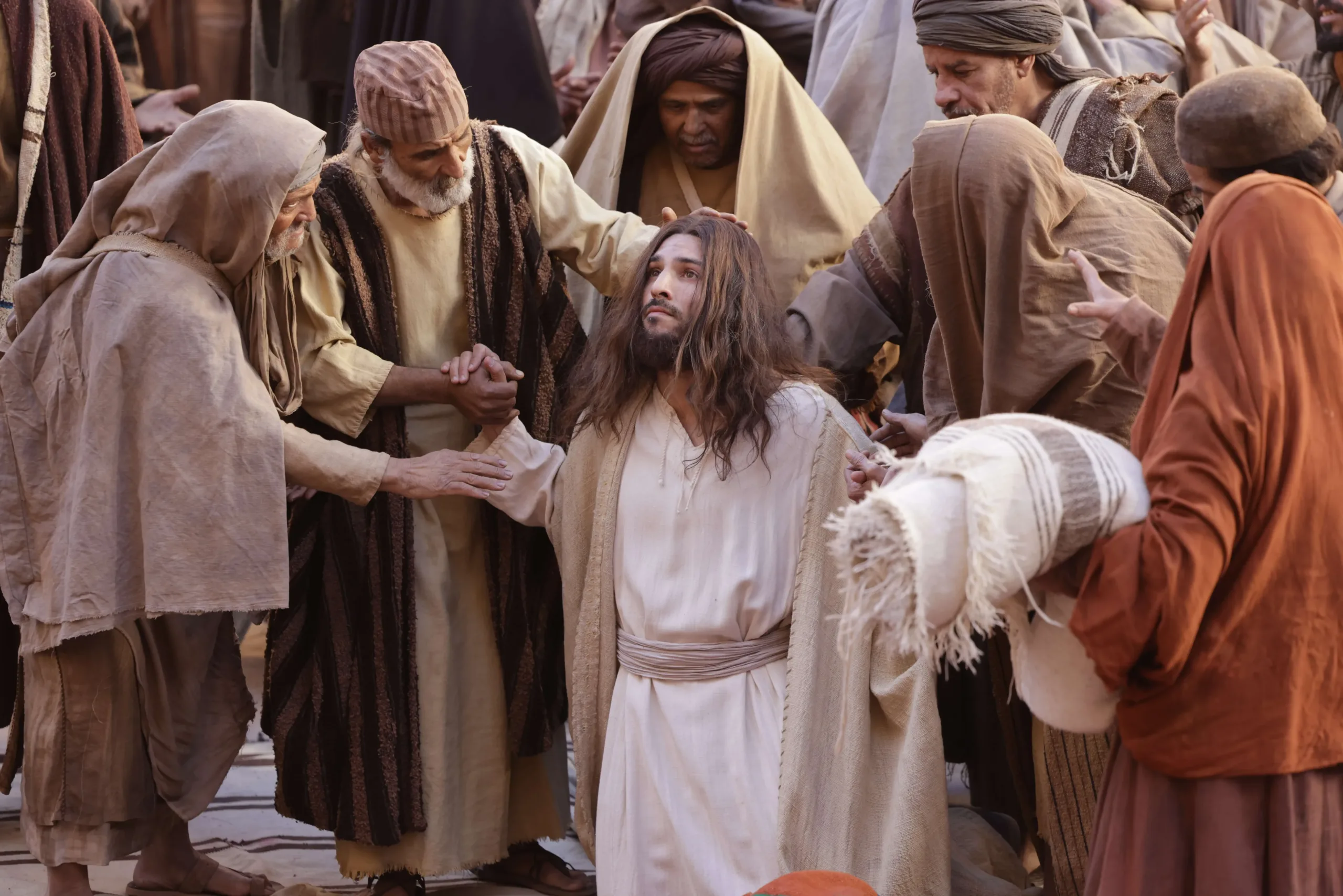
A mixture of Middle Eastern authenticity with European cinematic influences is evident in the characters and locales, offering a layered depiction of the region’s diverse heritage.
This presentation prompts a critical reflection on the portrayal of ethnic identities and the artful reimagining of historic events. At the same time, the film engages with central Christian narratives, presenting sacred episodes in a manner that speaks directly to faith-based audiences.
The treatment of these storied events encourages a thoughtful dialogue on the balance between historical fidelity and creative reinterpretation in retelling revered episodes.
Directing the Sacred Narrative
The director presents a clear vision, blending solemn reverence with charged dramatic tension. His style channels a deep respect for the sacred texts while crafting scenes that pulse with emotional intensity. Influences from earlier works are perceptible, with each stylistic decision steeped in a careful study of traditional storytelling and cinematic craftsmanship.
The screenplay conveys the weight of historical events with a sharp focus on the inner struggles of its characters. Dialogues are crafted with clarity and force, particularly during exchanges that probe moral dilemmas and theological inquiries. These conversations emerge as pivotal moments that challenge conventional interpretations of familiar stories.
A notable choice is the narrative perspective, offered through Peter’s reflective voice-over, which enriches the film’s texture by providing an intimate glimpse into the unfolding events. The screenplay incorporates flashbacks and parallel narrative strands, each serving to layer meaning and enhance the viewer’s engagement with the unfolding drama. Symbolic sequences are interspersed with more direct storytelling, inviting a reconsideration of well-known Biblical events.
The film’s pacing shifts gracefully between measured, reflective passages and sequences charged with dramatic energy. Editing techniques contribute to a rhythm that carefully builds suspense, echoing the fluctuating intensity of both public spectacle and private revelation. In key sequences, the tension created by these choices provokes contemplation about the human condition, the demands of faith, and the enduring power of ancient narratives.
The Review
The Last Supper
The film reexamines sacred narratives with a keen visual style and a narrative structure that challenges traditional portrayals of faith. Its carefully constructed performances and innovative storytelling provoke a thoughtful dialogue on historical and ethical dimensions. Certain dramatic choices may perplex some viewers, yet the work provides a refreshing take on familiar biblical events, inviting a measured reconsideration of revered tales.
PROS
- Evocative visuals that capture the historical setting.
- Innovative narrative perspective through reflective voice-overs.
CONS
- Pacing may feel uneven for some viewers.
- Complexity in narrative structure might challenge casual audiences.