






















The film transports us to a time when a diagnosis meant a grim future. Set against the backdrop of the late 1960s and early 1970s, pediatric cancer cast a long shadow over families, with survival chances scarcely reaching one in ten.
Amid this stark reality, we follow Dr. Audrey Evans, a British oncologist whose dedication to her young patients transforms the cold corridors of the hospital into small havens of hope (or, perhaps, defiant rebellion against despair).
Evans’s work is portrayed as both a scientific inquiry and a meditation on care and commitment—a study in human vulnerability amidst clinical precision. Her interactions with patients evoke a maternal warmth that challenges the detached nature of medical practice.
The film paints the era in contrasts: the strict discipline of research stands alongside moments of absurd levity, such as an impulsive plunge into a swimming pool that is as daring as it is unexpectedly practical.
In its careful observation of a society in transition, the narrative questions the real cost of progress, inviting the audience to reflect on the complex interplay between medical ambition and the tender exigencies of the human condition.
The Confluence of Crisis and Curiosity
The film charts Dr. Audrey Evans’s entry into the Children’s Hospital of Philadelphia, where her pursuit of innovative treatment for pediatric cancer is met with immediate obstacles.
From the outset, we witness her facing a slew of setbacks and rigid protocols that cast a long shadow over her promising ideas. Early scenes portray clunky administrative systems and dismissive attitudes that stall her efforts, each moment serving as a stark reminder of an era reluctant to embrace change.
Set during the late 1960s and early 1970s, the film situates its narrative within a medical world where the survival rate for childhood cancers hovered around a mere ten percent.
Medical practice was still fumbling with emerging techniques—combination chemotherapy and the tentative beginnings of a staging system for neuroblastoma were nascent theories rather than accepted procedures.
This period of scientific infancy is rendered with a rawness that almost feels like a crash course in experimental medicine. (One might call it the “trial by fire” phase of modern oncology.)
The institutional climate is depicted as a cold, unyielding arena, rife with the kind of gender bias that stifled innovative thought. Dr. Evans appears as a figure determined to disrupt a system steeped in convention—a professional maverick whose persistence becomes a study in resistance against inertia. Her struggles mirror a wider social scenario where rigid hierarchies and outdated attitudes often delayed necessary reform.
The narrative intertwines the professional challenges with the intimate stakes of personal loss and familial anguish. Every thwarted experiment and bureaucratic hurdle carries the silent burden of children and parents waiting for a breakthrough. This interplay between scientific risk and human cost invites the viewer to ponder the high price of progress and the sacrifices demanded by change.
Faces of Innovation and Resistance
Dr. Audrey Evans, as embodied by Natalie Dormer, emerges as a layered figure whose intellect and heartfelt empathy compel both admiration and scrutiny.
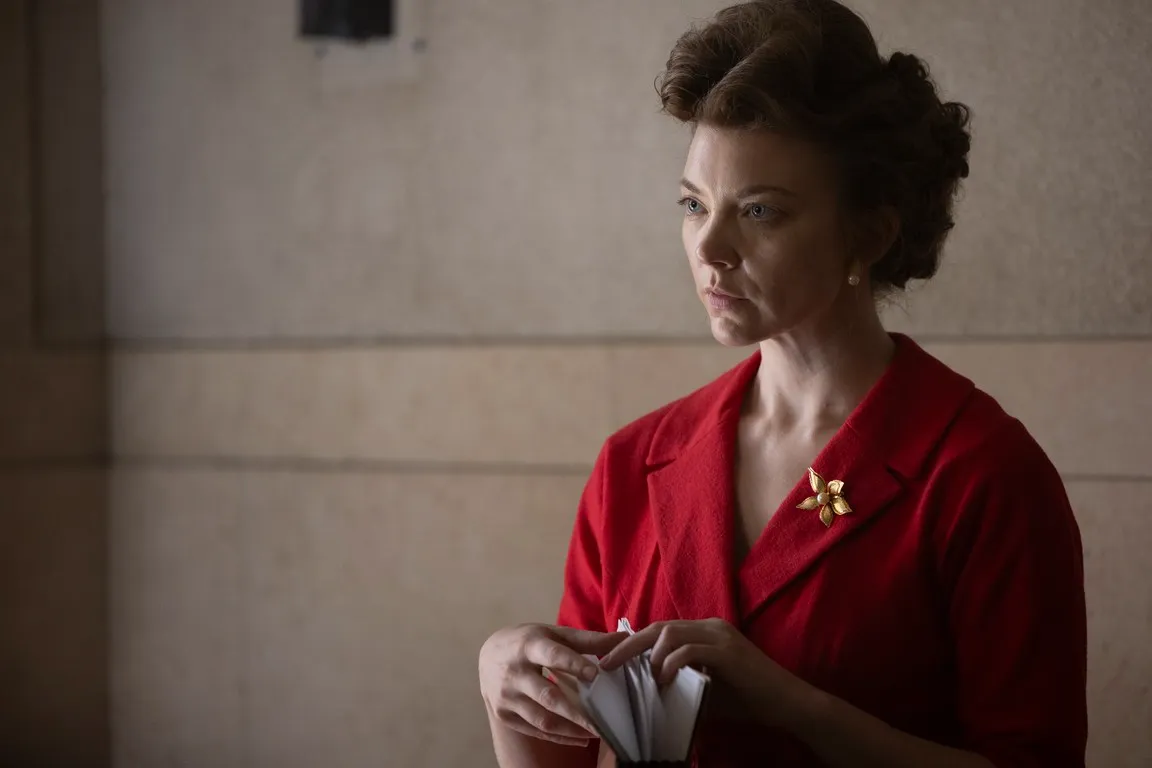
Her portrayal is marked by an oscillation between the clinical detachment demanded by scientific inquiry and the genuine warmth of a caregiver. In several scenes, we witness her confronting overwhelming obstacles with a blend of steely resolve and tender compassion—a duality that invites comparisons to historical figures who reshaped their fields against societal odds (think of a modern-day Florence Nightingale with a lab coat).
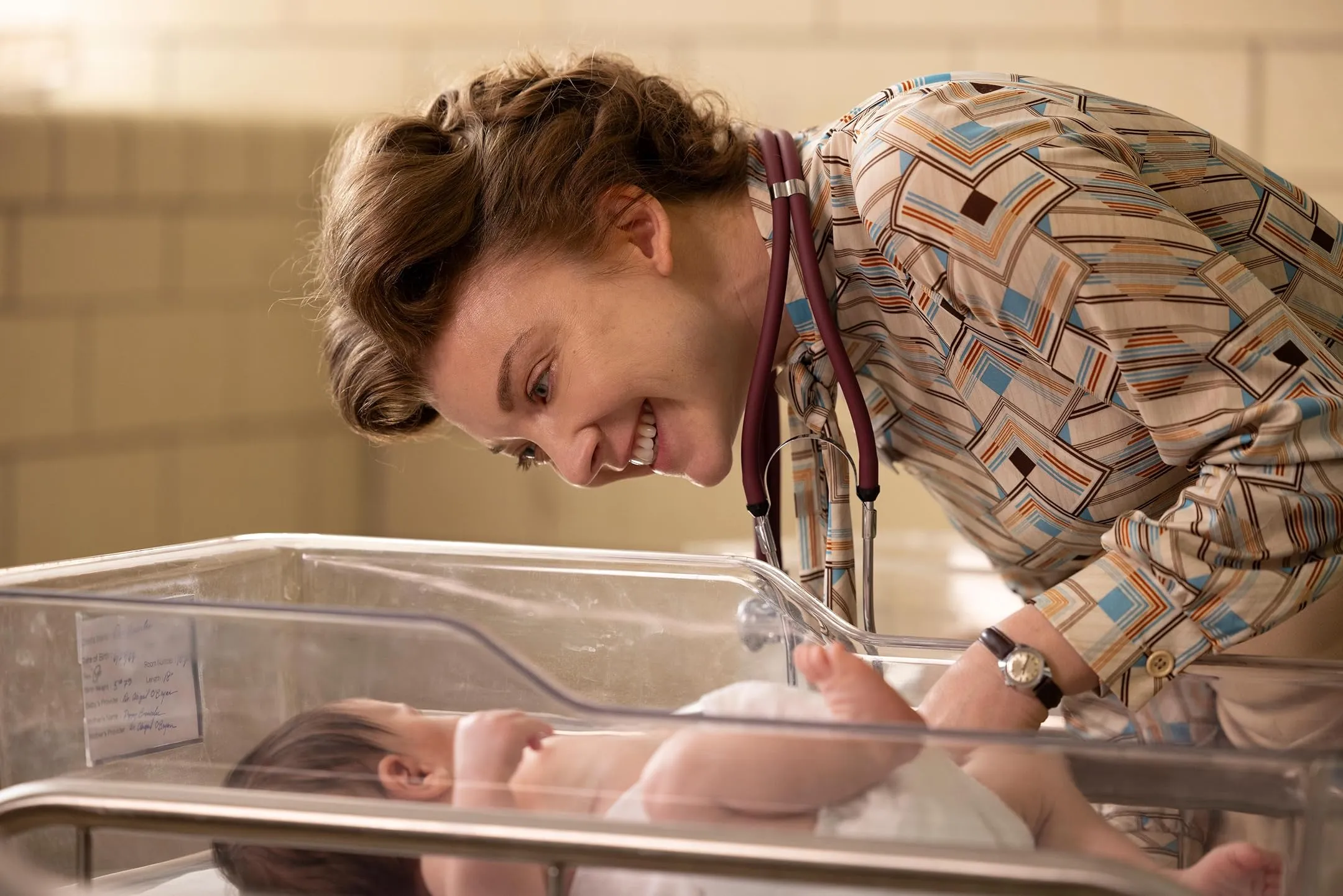
There’s an unmistakable spark when she comforts a frightened child, an act that transforms medical procedure into an art of healing. These moments, while rare, resonate with a philosophical meditation on the nature of care in the face of insurmountable odds.
Dr. Dan D’Angio, portrayed by Jimmi Simpson, serves not merely as a supportive presence but as an essential counterpoint to Evans’s fervor. His evolving relationship with her—from cautious collaborator to an implicit partner in defiance of outdated protocols—adds a nuanced, almost understated humor (the kind that suggests a wry smile in the midst of chaos).
Meanwhile, Dr. C. Everett Koop, depicted by Clancy Brown, embodies the entrenched conservatism of institutional power, a character whose skepticism and reluctance mirror the broader resistance to change prevalent in the era. His interactions with Evans provide a tangible measure of the barriers that innovators must breach.
The ensemble, including Dr. Brian Faust (Brandon Micheal Hall) and a cohort of adept supporting actors, fills out the hospital milieu with authenticity. Their collective performances establish a palpable chemistry that serves as the film’s connective tissue.
On-screen dynamics rarely fall into predictability; instead, they offer intermittent flashes of insight where scientific dialogues interlace with human drama, fostering a cinematic microcosm that reflects the complex interplay of progress and tradition.
Currents of Change and Connection
The film interrogates the clash between inventive medicine and timeworn protocols. Audrey’s audacious experiments are depicted as a daring departure from standard procedures—a veritable scientific gamble that challenges the slow, methodical pace of established practice (think of it as the surgical equivalent of a mic-drop).
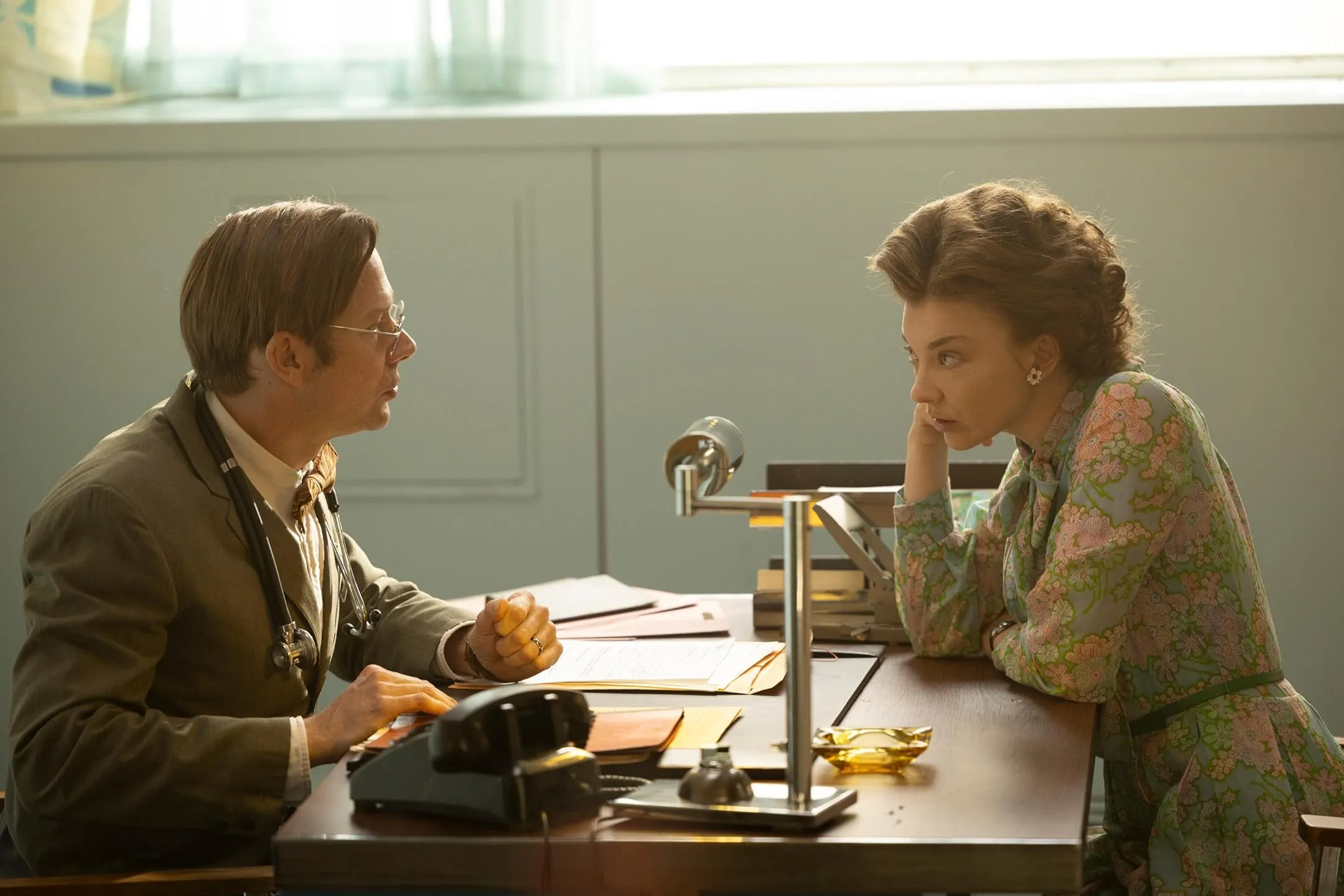
Her risk-taking, while stirring hope, also exacts a heavy toll, both practically and ethically. Every unorthodox treatment is portrayed as a cost-bearing leap, revealing the precarious balance between progress and the comfort of routine.
In this light, the recurring reference to “her kids” transforms into a potent symbol of human vulnerability. The term, used with an almost familial intimacy, underscores her deep connection to her patients.
Here, the film transforms the cold, impersonal view of medical statistics into an emotionally charged tableau where lives are measured in moments of tenderness as well as clinical triumphs (an emotional equation that challenges the arithmetic of survival rates).
Audrey’s experience in a predominantly male environment is rendered with both candor and a wry sense of humor. The film portrays her battles against entrenched sexism and rigid bureaucracy, aspects that not only complicate her work but also reflect the societal power plays of the era. Her personal struggles mirror larger historical shifts in gender roles, turning her professional obstacles into microcosms of cultural resistance.
Time itself emerges as a relentless adversary. The film casts experimental protocols and funding delays as inexorable forces that amplify the human cost of every postponed treatment. Brief, stark scenes capture this temporal pressure, punctuating the narrative with a sense of urgency that is both clinical and heartbreaking.
Tender, quiet moments—exchanges between frightened families and a determined doctor—offer fleeting respites amid the methodical grind of scientific inquiry. These scenes, while soft in tone, have a palpable impact on the overall emotional fabric of the film.
Vision and Craftsmanship
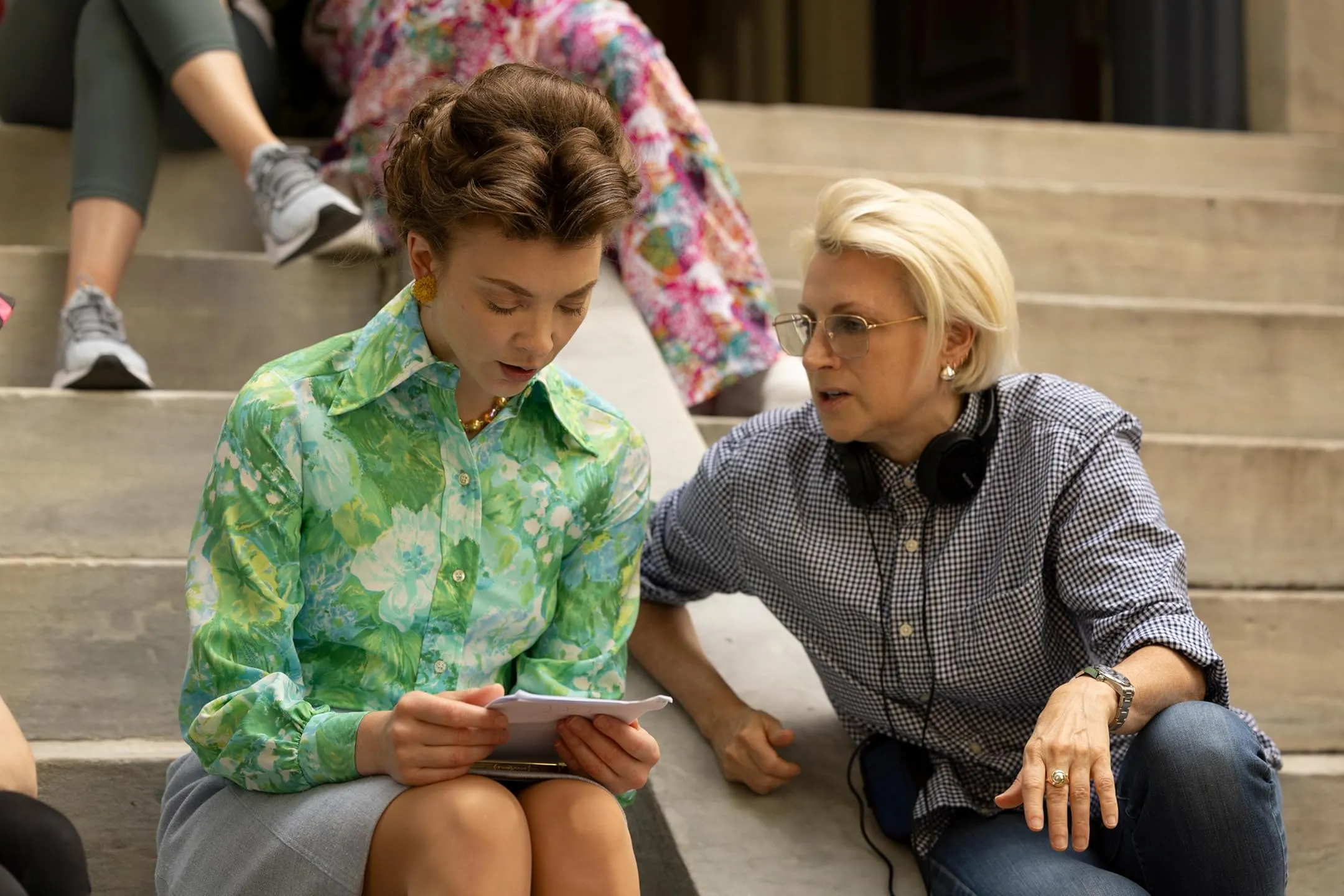
Director Ami Canaan Mann shapes the narrative with a keen attention to both scientific discourse and human sentiment. Her storytelling presents the clinical world not as a sterile laboratory, but as an arena where experiments carry the weight of human hope and desperation (a nod to those historical moments when innovation meant life or death).
The pacing is measured and deliberate—long, unhurried takes allow the viewer to absorb the gravity of each scene, while carefully constructed shots invite contemplation on the interplay between methodical research and the fragility of life.
The screenplay handles technical dialogue with a surprising tenderness, transforming medical terminology into a language that feels intimate and poignant. Key scenes spark with an unexpected wit (a dry, almost offhand humor peeks through even the densest data exchanges), prompting one to reflect on how sterile facts can suddenly acquire a pulse.
Moments of quiet reflection break up the weight of complex scientific discussion, offering viewers glimpses of personal vulnerability amid the clinical narrative.
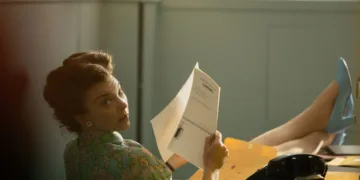
Production design succeeds in evoking a 1960s/70s hospital environment that feels both authentic and symbolic. The austere hospital corridors and unadorned waiting rooms stand as visual metaphors for a time when the fight against illness was an uphill battle. A single red dress here, a period-accurate accessory there—the set design becomes a subtle character, hinting at the inner lives of its inhabitants without a word being spoken.
Cinematography and editing contribute a palpable tension that oscillates between hope and despair. Framing and lighting choices create a chiaroscuro effect, highlighting the emotional contrasts that ripple through the narrative.
Meanwhile, the rhythmic cuts between clinical procedures and raw, emotional exchanges form a visual dialogue that mirrors the dual nature of the film. The musical score punctuates this dialogue, its restrained yet poignant notes emphasizing the relentless passage of time and the cost of progress.
Historical Accuracy and Social Commentary
The film portrays the evolution in pediatric oncology with an attention that turns clinical advancements into a narrative device. It shows the shift from rudimentary methods to experimental treatments such as combination chemotherapy and the development of early staging systems for neuroblastoma.
Real-world survival statistics of the time are woven into the storyline, making progress a visible, almost character-like presence. There is an undercurrent of tension, as the painstaking pace of medical research is set against the backdrop of urgent human need.
The depiction of the 1960s and 1970s medical field is rendered with a commitment to authenticity. The austere hospital corridors and unadorned waiting areas are not merely sets but evoke the strain of an era when funding was scarce and every diagnostic tool felt like a luxury.
Scenes capturing the ethical dilemmas and research limitations remind us that breakthroughs came at a steep cost, both in terms of human life and institutional inertia (one could say these environments had more red tape than a bureaucratic funfair).
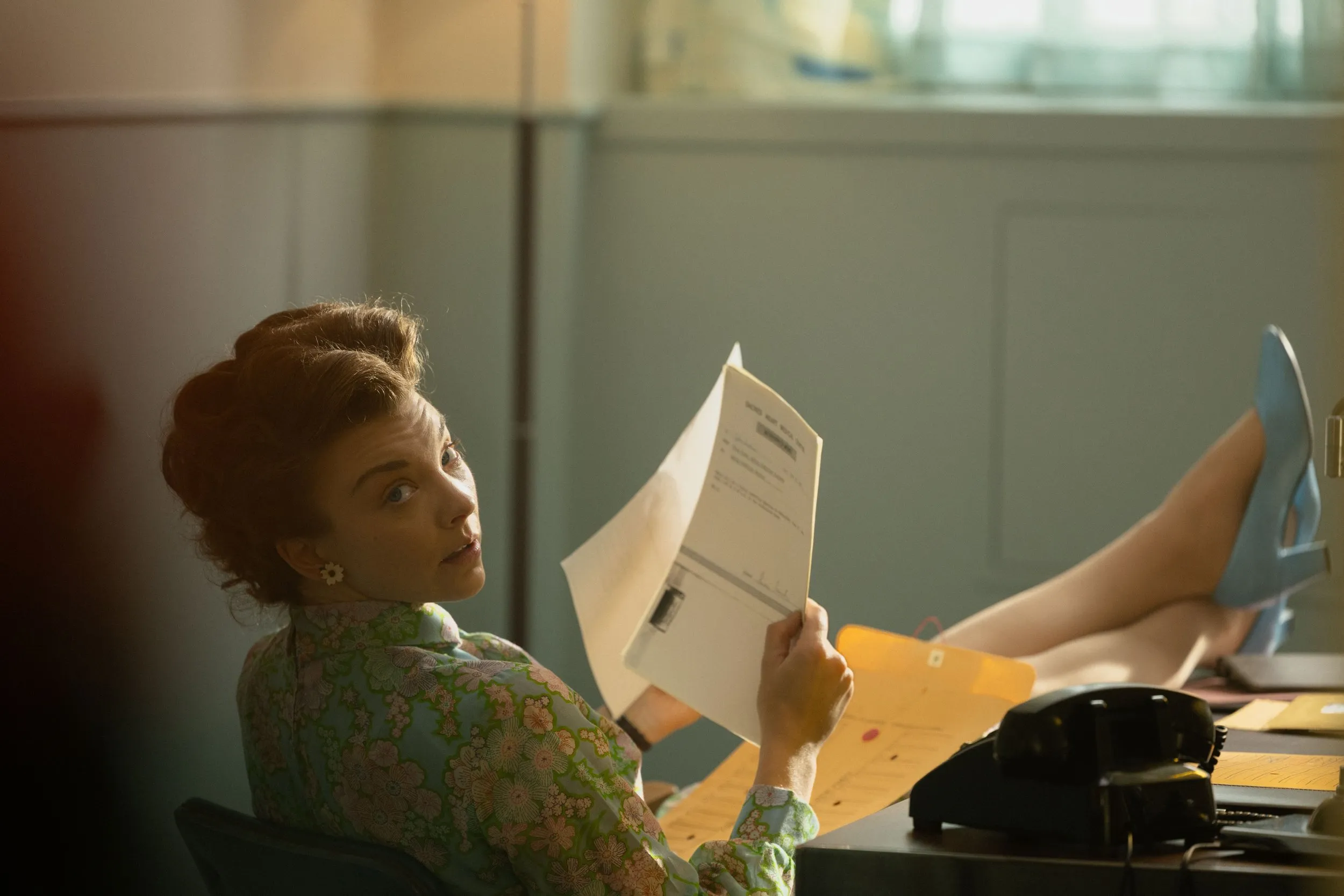
Audrey’s position as a trailblazer in a predominantly male workplace receives careful treatment. Her struggles against dismissive superiors and outdated hierarchies mirror wider societal debates that simmered during that period. The film injects a dose of dry humor when her quiet defiance exposes the absurdity of ingrained sexism, sparking a conversation that is as much about social justice as it is about medical innovation.
The narrative also establishes a link to contemporary medical practices. The early experiments and professional hurdles depicted here find echoes in modern patient-centered care models, such as the establishment of supportive housing for families in crisis.
Each scene invites the audience to consider how past challenges have shaped the culture of care in healthcare, leaving an imprint that continues to influence public attitudes toward medicine and compassion.
Legacy of Life and Learning
Dr. Audrey Evans’s contributions, as portrayed in the film, are a potent reminder of what happens when medical innovation meets unwavering determination.
Her pioneering efforts in pediatric oncology brought about a marked shift in survival rates—a quantifiable improvement that echoes through hospital halls even today. Her work is depicted as a catalyst that reshaped treatment methods, turning grim statistics into hopeful outcomes.
The film also marks the genesis of a support network for families affected by pediatric cancer, with the establishment of the first Ronald McDonald House standing as a tangible legacy.
This initiative rippled outwards, touching lives across continents and transforming the experience of treatment from a sterile procedure into a shared human endeavor. The narrative brings to light the human stories behind clinical breakthroughs, prompting viewers to appreciate the value of compassion alongside scientific rigor.
Emotional moments interlace with clinical precision, creating a record that is both historical and inspirational. The portrayal of Evans is a nod to every medical professional who toils quietly, their efforts measured in small victories and enduring hope (with a hint of dry humor about the absurdity of bureaucracy). Audrey’s Children serves as an enduring homage to those who confront adversity in the quest to save lives.
The Review
Audrey's Children
In a film that transforms medical history into a narrative of grit and heart, Audrey’s Children stands as a stirring tribute to innovation and compassion. It portrays a delicate balance between clinical breakthroughs and human emotion, making the past resonate with today’s struggles and hopes. With clever humor interspersed among its serious themes, the movie reminds us that progress in healthcare is measured in both numbers and the lives touched.
PROS
- Engaging performances that bring depth to real-life events.
- Thoughtful portrayal of historical and social challenges.
- Balances clinical detail with human emotion effectively.
CONS
- Pacing may feel slow for some viewers.
- Occasional overemphasis on technical dialogue.