


























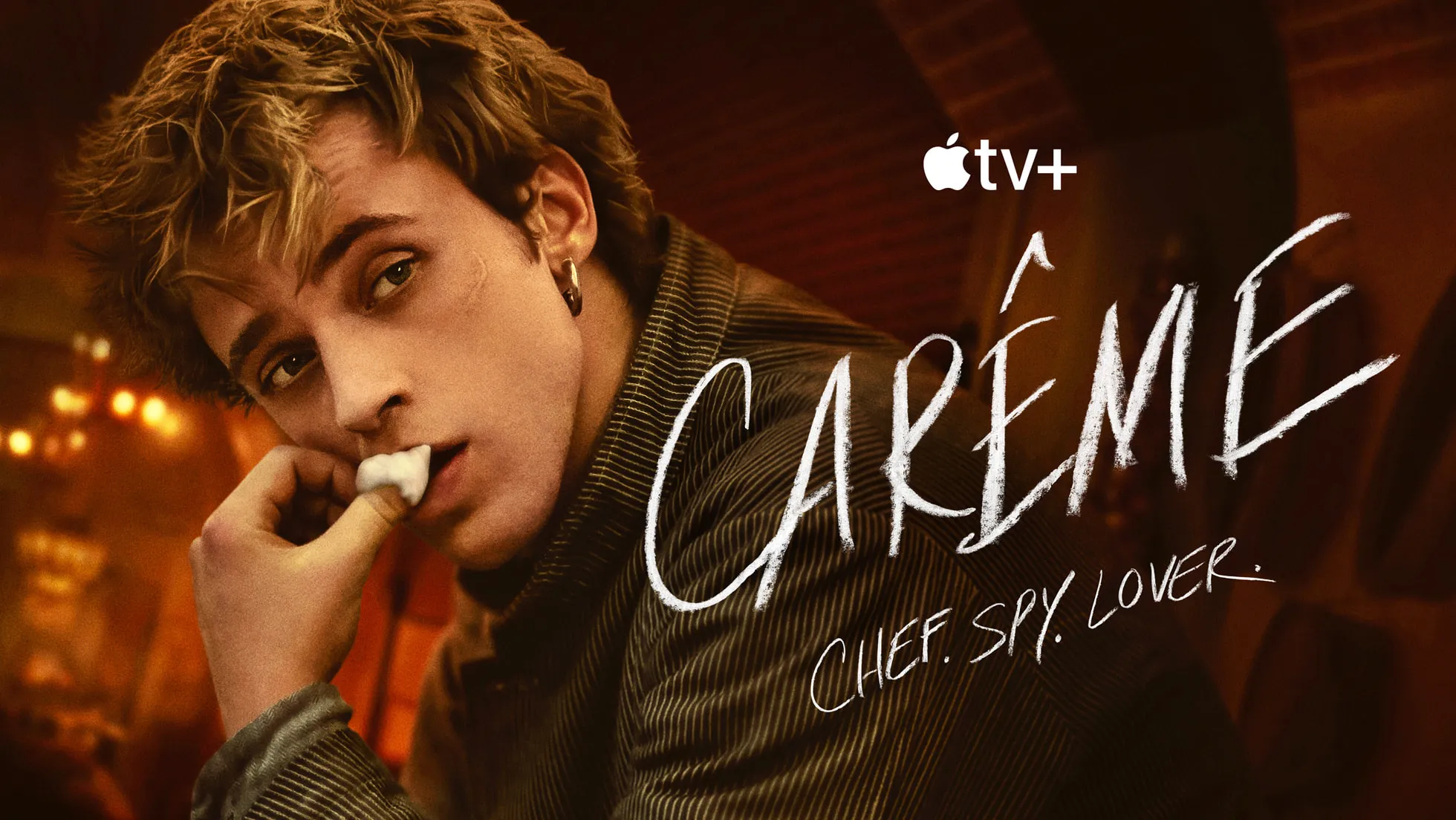

Apple TV+’s Carême introduces Antonin Carême as the world’s first culinary celebrity, tracing his rise from a modest Parisian pâtissier to the favored cook of Europe’s most powerful figures. Benjamin Voisin embodies this ambitious artisan, whose sweet confections and savory creations double as tools of influence within dusty salons and gilded courts.
Set against the aftermath of the French Revolution, the series unfolds during Napoleon’s transformation from first consul to emperor. Coal-lit kitchens and candlelit banquets come alive under the watchful eyes of political schemers—Joseph Fouché’s steely glare and Talleyrand’s suave counsel shape Carême’s journey at every turn. In its eight episodes, the show charts how a simple pastry can carry coded messages into drawing rooms where crowns hang in the balance.
Visually, Carême feels exquisitely tailored: ornate backdrops evoke the brittle elegance of 18th-century France, while costumes blend polished regency flair with subtle modern touches. Director Martin Bourboulon frames each dish as a miniature sculpture, capturing sugar-spun towers and feather-light tarts with almost reverent detail. Whether chronicling a seduction by whipped cream or the hush around a simmering pot, the camera’s warmth reminds us why haute cuisine remains a form of storytelling.
From Revolutionary Kitchens to Royal Chambers
Antonin Carême’s legacy stretches across Europe’s grandest tables and into culinary textbooks. In reality, he codified classic sauces, perfected the vol-au-vent and invented the towering croquembouche. His tenure during the First Republic and early Empire reshaped haute cuisine, elevating pastry from humble confection to symbol of national prestige. Carême captures this transformation, placing a young artisan at the crossroads of history.
The series traces his ascent from a makeshift bakery in post-Revolution Paris to the gilded halls of Talleyrand and Napoleon. It honors his inventive spirit—his experiments with sugar and architecture recall the precision of an engineer—while weaving in a fictional undercurrent of espionage. Treaties and secrets pass beneath confection-strewn platters, a narrative flourish that pinches historical fact for dramatic spice. These invented spy missions underscore food’s power as communication, even if they stretch the record.
At the center stands a charismatic protagonist whose ambition is tempered by fierce loyalty and latent compassion. His impulsive brilliance in the kitchen gives way to moral hesitation when tasked with gathering intelligence. That tension—between artist and agent—drives his arc through eight episodes. Moments of triumph, like unveiling a gravity-defying pièce montée, sit alongside scenes of quiet dread as he weighs the cost of betrayal.
Supporting roles anchor his journey with personal stakes. Sylvain Bailly offers paternal guidance and harsh lessons in responsibility. Talleyrand plays both mentor and puppeteer, his polished counsel luring Carême deeper into court intrigue. Henriette’s presence awakens tenderness amid calculated maneuvers, reminding the chef-spy that desire can be both reward and liability. Together, they shape a portrait of a man forging identity at the intersection of taste, trust and power.
Cuisine as Conspiracy
The series frames Carême’s kitchen as a covert operations hub, where pastry becomes payload and sugar-spun creations mask whispered secrets. His double life unfolds in chiaroscuro—bright marble counters give way to shadowed corridors of power.
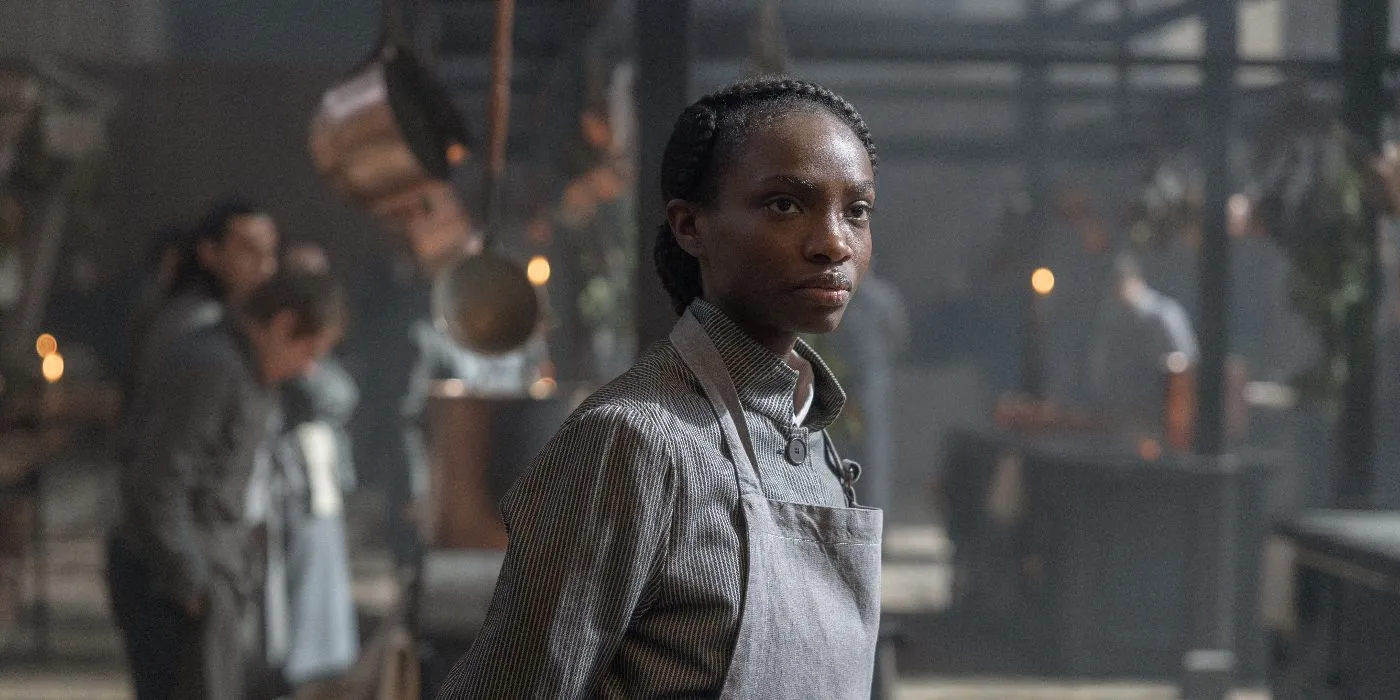
Each sumptuous dessert serves a tactical purpose: a gilded tart secures Napoleon’s favor, a delicate filo parcel extracts whispered alliances from Talleyrand’s circle. Under Fouché’s unforgiving watch, Carême balances on a knife’s edge, turning butter and flour into tools of influence. This collision of artistry and espionage turns every dinner service into a game of coded gestures.
Political manipulation seeps through every veneer of opulence. Carême’s relationship with Talleyrand hinges on more than culinary genius; it thrives on strategic exchanges hidden in pastry shells. When Carême presents a croquembouche to secure a coveted secret, it’s neither mere flour and sugar nor innocent homage to regal tastes—it’s a message baked into each layer. Fouché’s truncated questions over an almond-scented soufflé mirror state interrogations: one misstep in seasoning, one misplaced confession, and a life hangs in the balance.
Seduction threads through these power plays, where appetite extends beyond the plate. Romantic interludes with Henriette and Joséphine unfold like degustation menus, each encounter revealing new flavors of trust and betrayal. Henriette’s soft laughter over whipped cream carries an unspoken wager; Joséphine’s diversionary kisses mask Talleyrand’s deeper schemes. In Agathe’s kitchen domain, respect blooms less from flirtation and more from shared devotion to craft—a quiet rebellion that unsettles Carême’s assumptions about loyalty.
Taste and temptation become mirror images. A sensuously glazed gâteau can soften a minister’s resolve as surely as a lover’s caress. The act of cooking turns into choreography: Carême’s precise gestures echo the art of seduction, each movement calibrated to unlock defenses. Here, food transcends nourishment—it incarnates seduction and power, a silent pact between chef and court that shapes the fate of empires.
Feast for the Eyes
From the gilded arches of the Opéra Garnier to the shadowed halls of the Palais des Tuileries, Carême bathes each scene in sumptuous detail. Martin Bourboulon and his collaborators stage every corridor and chamber with meticulous care: carved moldings catch soft candlelight, while tapestries seem to glow against muted stone. In banquet scenes, long lenses compress crowded tables into layers of plates, glass and silk, drawing the viewer close enough to taste the tension swirling among court insiders.
Lighting design plays its own role in this visual symphony. Kitchens gleam under the coral warmth of hearth fires, oil lamps dancing across copper pots and marble counters. In contrast, clandestine meetings drift into cooler blues and deep shadows, as if silence itself were brushing the walls. A single candle or sliver of dawn can redefine an entire mood, turning a simple mise en place into an act of ritual.
Camera movement often mirrors the chef’s practiced grace. Slow tracking shots glide beside Carême as he assembles an intricate pièce montée, the lens hovering at shoulder height as though learning each delicate fold of sugar. During moments of political intrigue, handheld frames shutter and tilt, echoing the unease of whispered conspiracies. These shifts between fluid steadiness and jagged intimacy keep the eye alert to both the artistry on the plate and the stakes lurking beyond.
Food in Carême transcends garnish: each tart and terrine feels sculpted, colored and composed with narrative intent. Close-ups of spun sugar filaments or glossy ganache serve as visual punctuation, marking turning points in Carême’s ascent. A towering croquembouche crowns more than a celebration—it announces ambition incarnate. When a simple éclair changes hands in a smoky study, it becomes a cipher for loyalty purchased or trust betrayed.
In this world, cuisine emerges as a living canvas. Every meal unfolds like a scene in miniature theatre, choreographed by light, camera and the chef’s unerring precision. Viewers hungry for beauty will find themselves sated long before the final credits roll.
Pleasure and Power
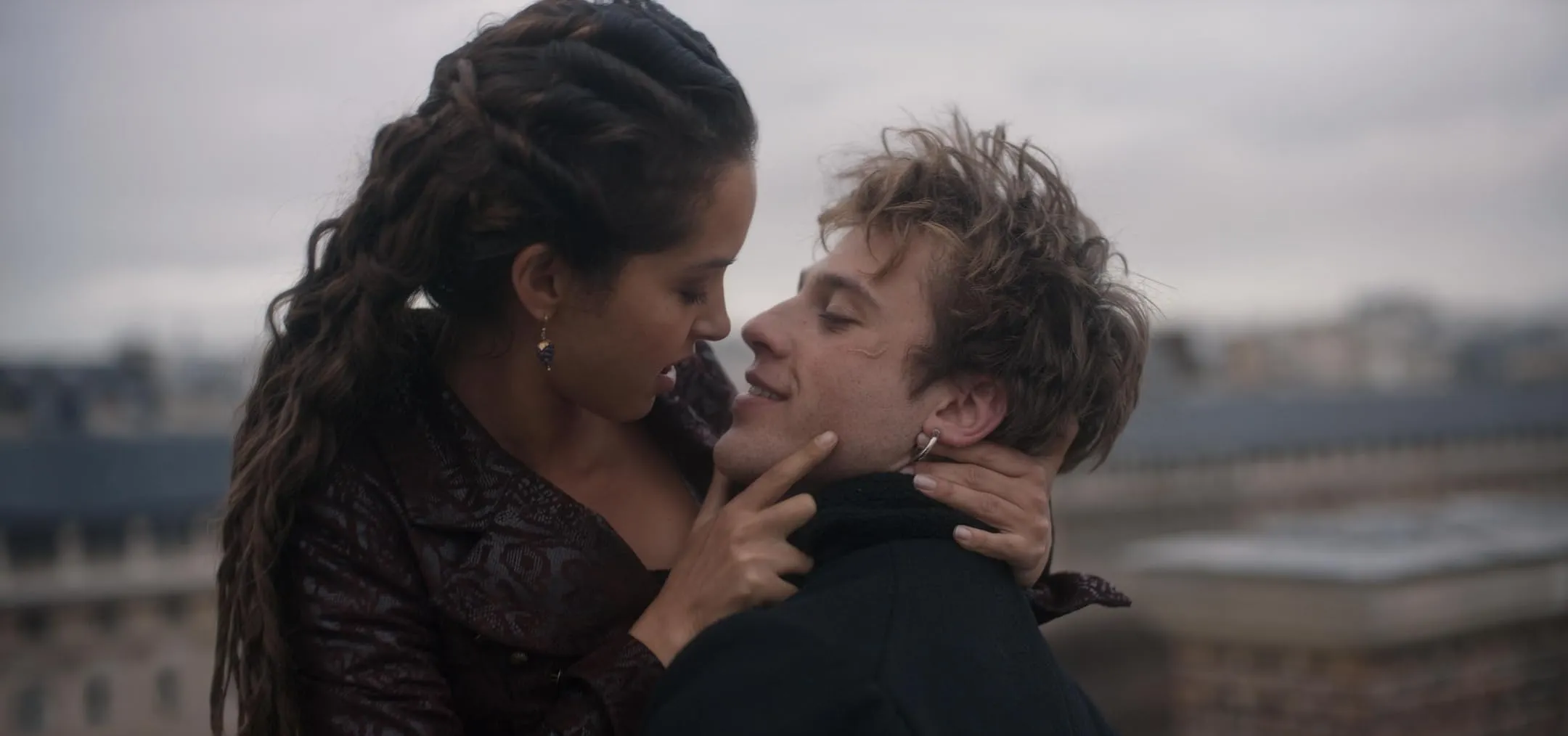
Carême’s appetite extends well past the kitchen bench, spilling into silk-draped boudoirs and midnight rendezvous. His sexual freedom feels woven into the fabric of his ambition, each encounter doubling as a strategic move. When he drizzles whipped cream across Henriette’s lips, that act of intimacy carries unspoken bargains—pleasure exchanged for loyalty. With Joséphine, velvet whispers follow the clink of china, as political alliances slip between soft sighs. In both cases, desire becomes currency, proving that mastery over taste parallels mastery over hearts and courts.
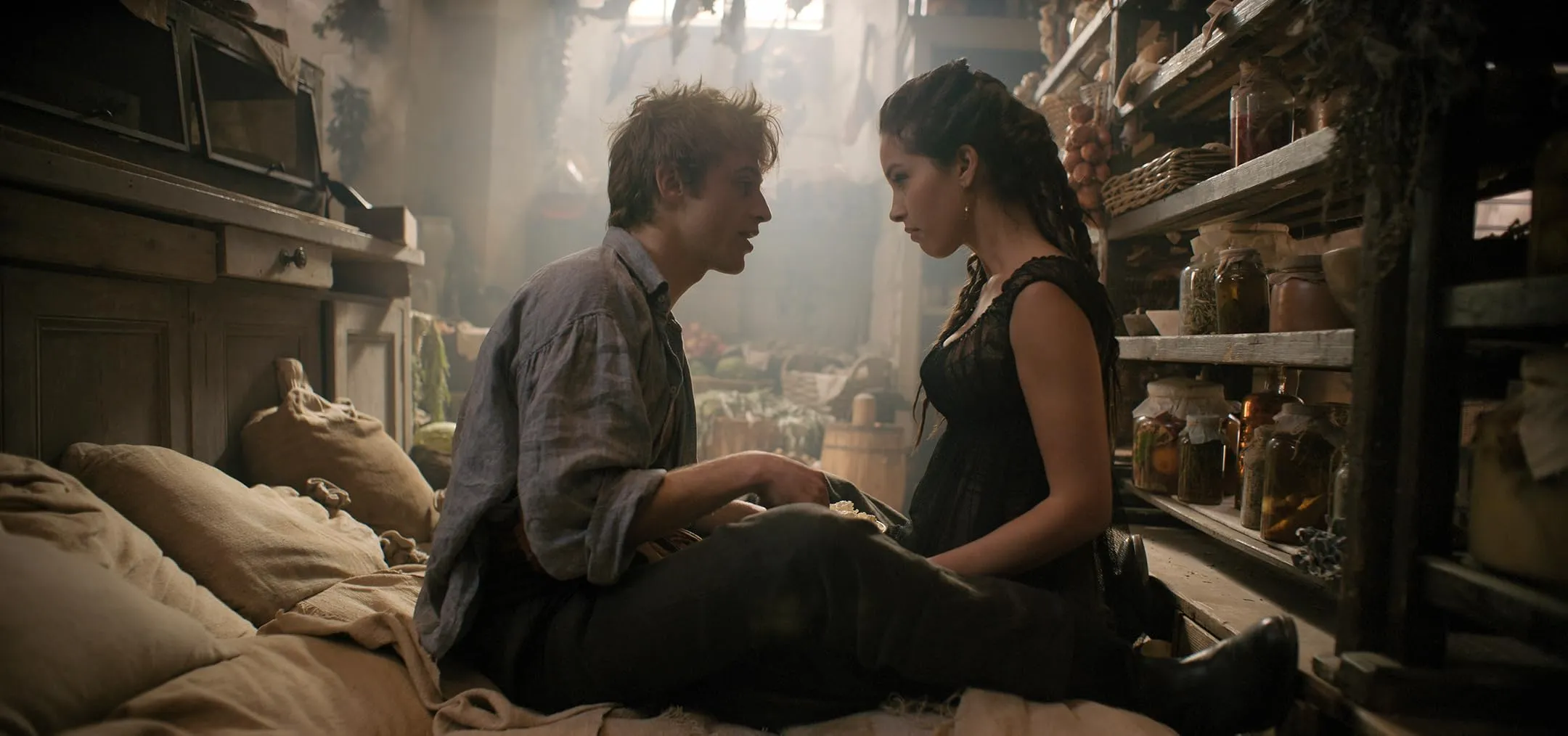
This Don Juan persona challenges period expectations in subtle ways. His liberated romances mirror France’s own upheaval: boundaries once rigid have melted, leaving room for experimentation. Rather than presenting Carême’s hedonism as mere decadence, the series frames it as a personal declaration of power. Every stolen kiss or silent pact in candlelit corners tests the era’s moral codes, showing how attraction can undercut authority more effectively than any letter of marque.
Female figures in Carême navigate this charged world with their own blend of force and finesse. Henriette emerges as confidante and provocateur, wielding her beauty to probe Carême’s loyalties. Joséphine, with her cultivated poise and soft laughter, masks sharp political instincts beneath pearls and laces. Both reveal how intimacy can cloak ambition.
Yet it is Agathe who most upends expectation. As Carême’s sous-chef, she commands respect through creativity and unwavering focus. Her hands shape sugar as deftly as any court painter’s brush, and her quiet insistence on excellence unsettles the male-dominated kitchens. She refuses to be sidelined, asserting influence through each culinary innovation. In her presence, Carême shifts from seducer to collaborator, reminding viewers that power in this realm springs from talent rather than conquest.
By juxtaposing eroticism with artistry, Carême presents sexuality as another ingredient in its political recipes. Pleasure becomes a tool of persuasion, and gender roles simmer under the pressure of ambition. In this sizzling saga, every tryst and every pastry reveals another facet of control.
Rhythm of Revolution
Over eight episodes, the show’s tempo shifts like sugar caramelizing under flame. It moves briskly from the fly-on-the-wall tension of Carême’s adoptive kitchen to extended sequences of courtly maneuvering. Each chapter asks viewers to juggle simmering personal stakes and sudden crescendos of political drama. Rivalries slice through elaborate feasts, giving every scene its own charge while the central narrative remains sharply focused.
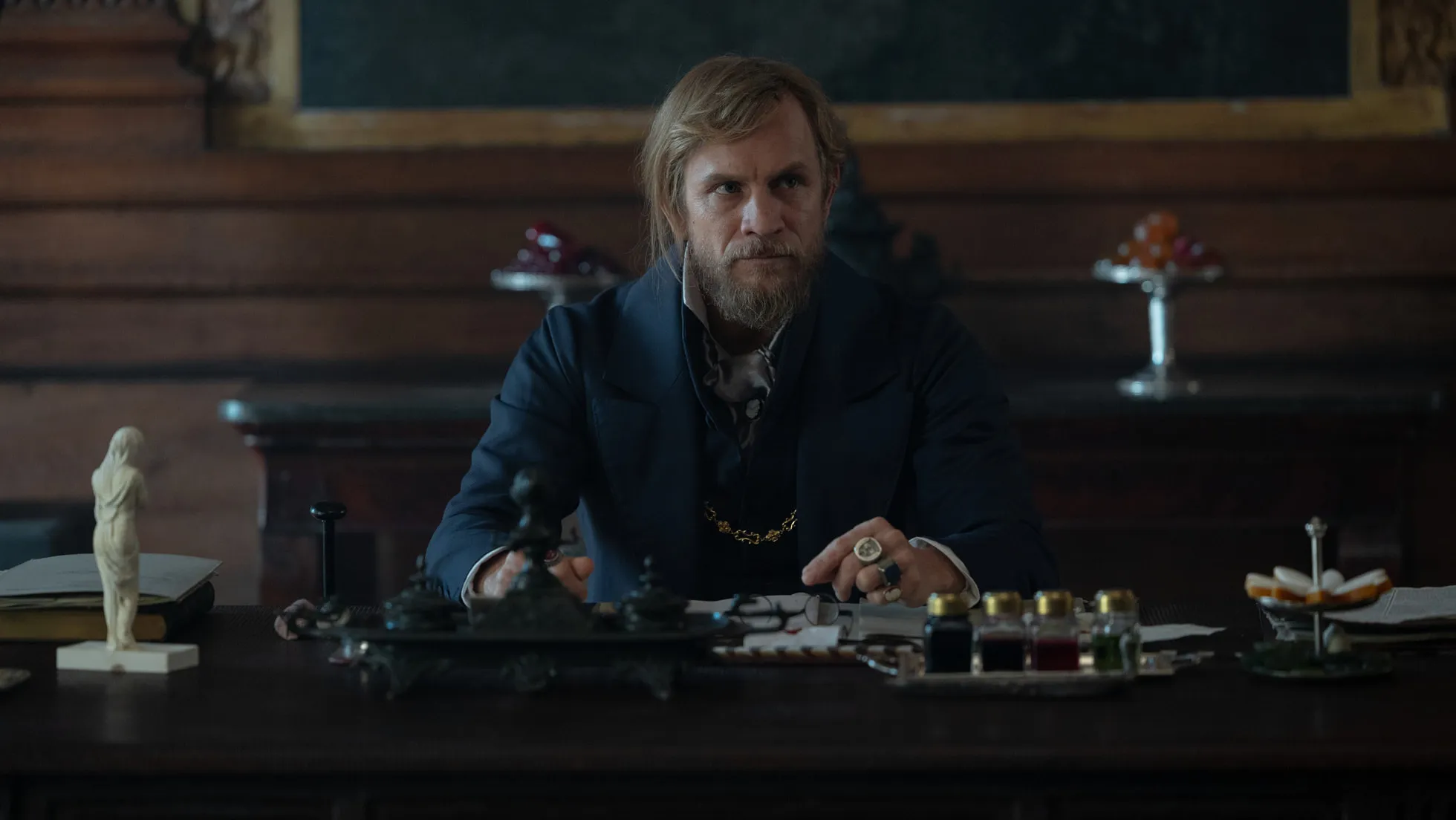
Cliffhangers mark almost every installment: a coded note tucked beneath a tartlet, a charged glance before dinner service. These jolts command attention but sometimes feel arranged for spectacle rather than emerging organically from character choices. When a sealed envelope drops into Carême’s pastry box, the shock lands like a drumbeat—striking, if predictable once the pattern sets in.
Plot threads tie culinary artistry to clandestine operations, interweaving romantic liaisons with covert missions. Carême’s steeliness in sculpting spun sugar mirrors the precision he applies to secret briefings. Yet the spies-versus-seducers motif occasionally overshadows subtler kitchen scenes where the chef hones his craft. In several episodes, whispered intelligence holds more weight than the patient layering of flavors.
Recycled rhythms surface in the spy narrative: betrayals unfold along familiar arcs, and emotional reversals arrive with expected timing. These structural echoes don’t derail suspense, but they flatten surprises. A dramatic twist might erupt beneath a crystal chandelier, yet the architecture of treachery often echoes formulaic thrillers.
Viewer engagement springs from magnetic performances and lavish design. Benjamin Voisin’s measured confidence anchors every interaction, while supporting players curtsey through candlelit salons and bustling sculleries. Grand banquets and quiet, smoke-hazed encounters keep attention riveted, even when plotlines curve back on themselves. For all its patterned moments, the series sustains its hold, serving spectacle alongside soulful drama.
A Lingering Taste
Season 1 plates a sumptuous vision of 18th-century intrigue. Lavish sets and meticulous direction marry with Benjamin Voisin’s magnetic presence, giving life to Antonin Carême’s dual path as chef and spy. Scenes in candlelit kitchens pulse with creative energy, though espionage twists occasionally follow familiar contours. Romantic tensions add spice, even if some plot turns feel anticipated.
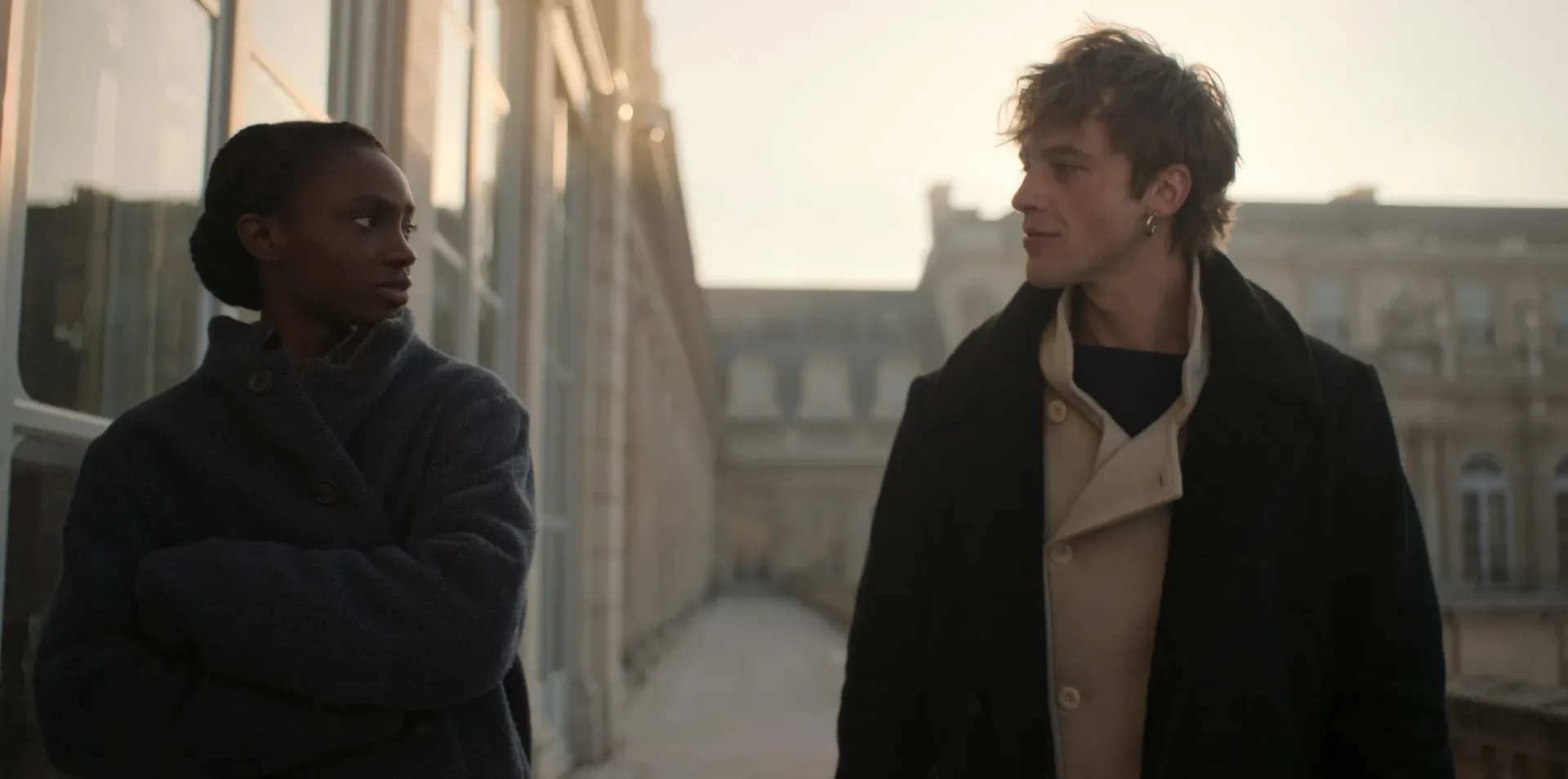
The series excels when it lets its culinary artistry speak—ornate pastries become silent emissaries in courtly power plays. Production design unfolds with grandeur, from richly wallpapered salons to bustling pâtisserie workrooms. Sound design and score underscore each dramatic turn, the clatter of copper pans echoing conspiratorial whispers.
While narrative detours into spy-thriller tropes can feel familiar, they never derail the immersive atmosphere. Fans of period drama, gastronomic storytelling and cloak-and-dagger narratives will find much to savor. Looking ahead, Carême holds promise for deeper character revelations and higher-stakes intrigue in seasons to come.
Full Credits
Director: Martin Bourboulon
Writers: Ian Kelly, Davide Serino
Producers: Albert Blasius
Executive Producers: Vanessa van Zuylen, Dominique Farrugia
Cast: Benjamin Voisin (Antonin Carême), Lyna Khoudri (Henriette), Jérémie Renier (Charles-Maurice de Talleyrand-Périgord)
The Review
Carême Season 1
Carême Season 1 dazzles with sumptuous visuals and Voisin’s captivating lead performance. Its blend of culinary artistry, political intrigue, and sensual drama creates a richly flavored experience, though spy tropes sometimes tread familiar ground.
PROS
- Stunning production design and attention to historical detail.
- Benjamin Voisin's compelling performance as Antonin Carême.
- Unique fusion of culinary art, espionage, and romance.
- Visually captivating food preparation scenes that elevate the narrative.
- Strong supporting characters with complex relationships.
CONS
- Predictable plot twists, particularly in the espionage subplot.
- Some romantic and political dynamics feel formulaic.
- The balance between historical accuracy and creative liberties can be jarring at times.