























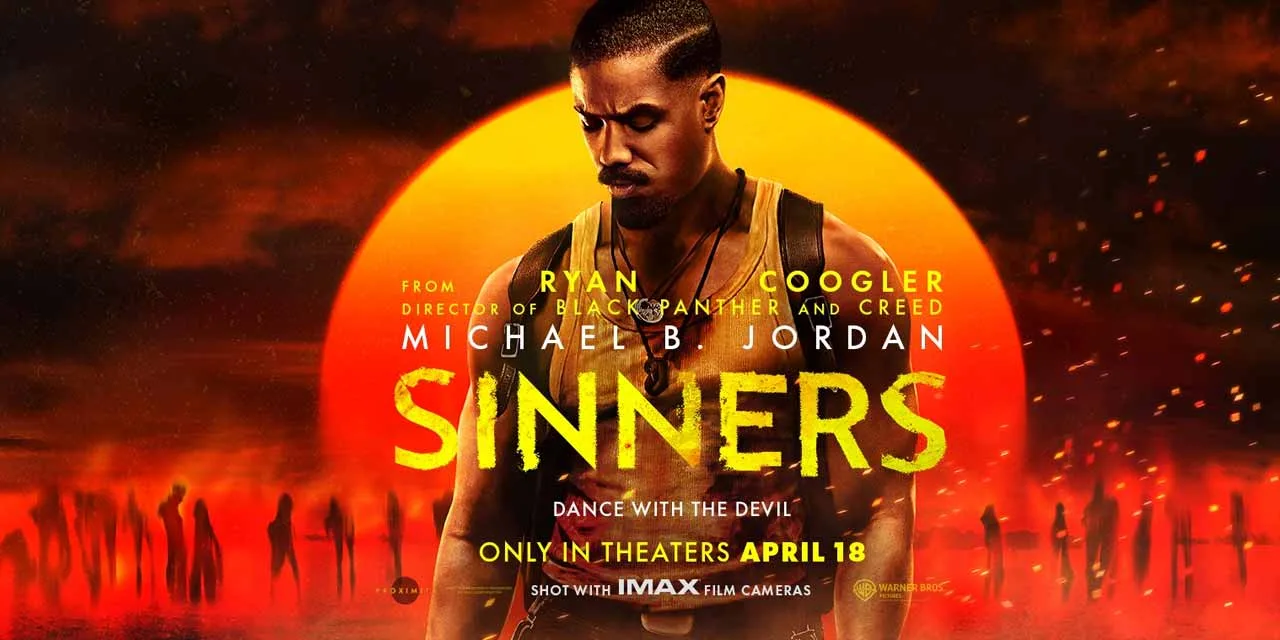

Set against the searing heat of early-1930s Mississippi, the film paints a picture of a segregated South where faded hope intertwines with lurking dread. The narrative unfolds in a time when social order was as fragile as the crumbling facades of plantation mills, and a palpable tension clings to every smoky shadow.
Two twin brothers, freshly returned from Chicago, arrive with a dream: to convert a dilapidated mill into a lively juke joint—a beacon in an unforgiving landscape. Their ambition, however, soon collides with eerie forces that seem born from the very soul of a community scarred by oppression (an irony that does not escape the watchful eye).
Ryan Coogler’s work here is a meditation on survival and transformation. The story, set in an epoch marred by racial injustice, examines how aspirations intersect with unanticipated terror. The introduction of supernatural elements serves as a mirror for an era where fear and suspicion often ran parallel to everyday life.
There is a wry acknowledgment of the absurdity in these dreams clashing with phantasmal horrors, evoking a dry humor in moments where lighthearted bravado meets grim reality. In its methodical pacing and richly drawn cultural milieu, the film offers a lens through which personal ambition and historic injustice confront the inexplicable.
Plot and Storytelling Structure: The Maze of Ambition and Darkness
The film opens by introducing the twin brothers, Smoke and Stack, as they return to their long-forgotten hometown after spending years in Chicago. Their homecoming sets the stage in a territory marked by deep social and economic schisms—a world where race and poverty echo in every creaking door and closed ledger.
From the very first scenes, the narrative stakes are laid bare in an atmosphere charged with both anticipation and latent menace. A rundown mill, reborn as a juke joint, becomes the nexus for community hopes and murmurings of the uncanny.
Characters are unfolded with deliberate care (often to the point of exasperating patience on the part of the viewer), as the film takes time to expose the intricate interrelations of faded romances and fragile familial bonds.
Former flames and community sidekicks emerge, each contributing their own stories to a collective portrait of ambition amid desolation. Subtle hints of otherworldly disturbances—the rustle of shadows in a candlelit room, whispers barely caught between notes of blues guitar—suggest that nothing is quite as it seems.
Then the unexpected transpires. An ordinary night at the juke joint abruptly surrenders to a spectacle of supernatural terror, as a horde of bloodsuckers invades the space with a quiet ferocity.
This twist fractures the film’s calm period drama, interlacing tension with visceral shocks that trigger both alarm and wry appreciation from an audience accustomed to calculated pacing. Here, the juxtaposition of everyday dreams against primordial horror raises questions about the forces that haunt both history and the human psyche (a nod to the enduring influence of past injustices).
As the narrative threads converge, the twin’s individual quests and the community’s struggle against malevolence are given room to breathe. The plot orchestrates its shifts with a measured cadence that feels deliberate—occasionally testing the viewer’s willingness to settle into the pace (or to chuckle at the absurdity of it all). This section of the film carries an intellectual weight that invites contemplation on how personal ambition can spark dramatic conflict in a world rife with old scars and unexpected terrors.
Themes, Symbolism, and Allegory: A Riddled Chord
The film anchors its narrative in the oppressive heat of Jim Crow-era Mississippi—a time and place where racial injustice and economic hardship are not abstract ideas but brutal daily realities. The screen portrays a world where marginalized souls endure unceasing struggles (sometimes with an almost absurd persistence) and where every interaction hints at a deeper, unspoken suffering.
Here, vampires become a potent symbol of predatory forces lurking in society. Their presence is twofold: on one level, these creatures of the night represent a tangible threat, turning the intimate space of a juke joint into a battleground of survival; on another, they mirror the cold, siphoning exploitation witnessed in cultural appropriation of Black music and the persistent shadow of a racist past. One might say that the undead, in their eerie silence, form a grim chorus—a visual echo of historical exploitation that continues to reverberate through time.
Music, specifically the soulful strains of the blues, stands as the film’s heartbeat. This element ties back to historical legends about selling one’s soul in exchange for artistic genius. Music emerges as both a voice of rebellion and a conduit for unchained spirit, intertwining supernatural allure with the grit of everyday resistance. It is almost as if every note carries with it the weight of unspoken promises and past sorrows (and occasional snickers, too, at fate’s ironic twists).
The film further complicates our understanding of the supernatural by merging real historical pain with fantastical terror. On one hand, the haunting presence of racial cruelty is depicted with unflinching clarity; on the other, the creatures that disrupt the status quo force an unsettling reflection on whether the true horror lies in societal decay or in an independent force of the night.
This delicate interplay leaves viewers pondering if the scare is merely a metaphor enacted in flesh and blood—a new term one might coin as “hauntage”—or if it stands as an independent force with its own agenda.
Character Development and Performances: The Study of Dual Shadows
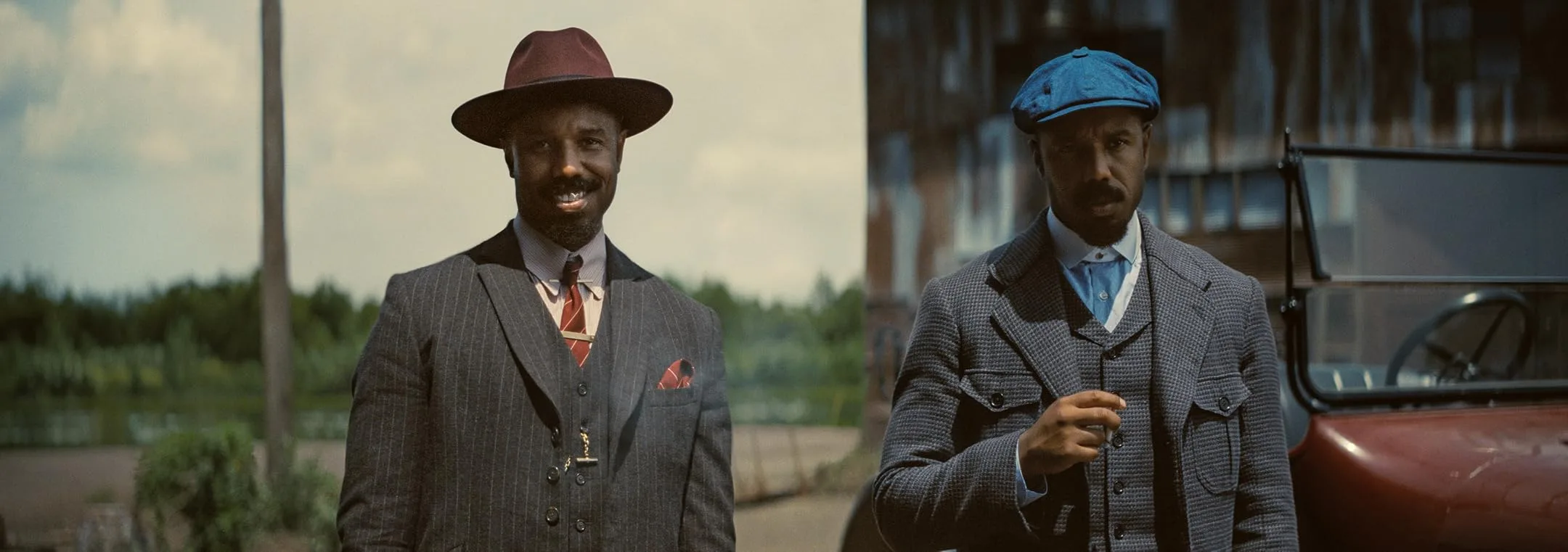
Michael B. Jordan plays twin roles with an economy of expression that feels almost like a study in contrasts. Smoke—reserved, pragmatic, and marked by quiet determination—appears as the anchor in a storm of upheaval, while Stack, with his careless flair and unapologetic indulgence in hedonism, stands as a foil, an unpredictable spark. Each performance is calibrated in a way that reveals internal divisions as much as external circumstances, and yet, they share an underlying kinship that tugs at the emotional framework of the community they represent.
Supporting the duality are characters who imbue the film with a rich subtext of communal struggle. Sammie, a gifted blues musician, embodies a raw passion for reclaiming heritage, and his musical genius ripples with historical weight. Mary, whose conflicted emotions oscillate between desire and disillusionment, provides a counterpoint of vulnerability amid personal ambition.
Annie surfaces as a figure whose lost love and latent spiritual strength add unexpected gravitas to scenes set against a backdrop of ceaseless societal tension. The ensemble—each face and gesture meticulously chosen—lends a certain gravity to the narrative that transforms the film into a mosaic of lived experiences (sometimes startling, occasionally disjointed, yet profoundly human).
Interpersonal dynamics flourish in the spaces between dialogue and silence. Old romances resurface, familial bonds are tested, and alliances are forged in the crucible of survival. The characters’ histories, rendered through nuanced flashbacks and lingering looks, influence every decision on screen.
Costuming serves as an unspoken language here; muted hues signal somber resilience while bold splashes hint at audacious hope. Visual cues, such as subtle color shifts in a well-tailored suit or the precise framing of a tired glance, provide insight into each persona’s inner turmoil and societal role. Every meticulous detail is a nod to a world where identity is contested on both personal and political stages.
Technical and Production Elements: The Mechanics of Modern Storytelling
Ryan Coogler demonstrates an evident command of film language here, shifting gracefully between intimacy and spectacle. His style, marked by deliberate pacing and surprising flourishes, transforms a period setting into a living canvas of nightmarish beauty. A careful arrangement of visual motifs (think bold, sweeping camera moves and well-timed close-ups) keeps viewers alert during the film’s sudden bursts of terror, even when the narrative seems comfortably anchored in historical detail.
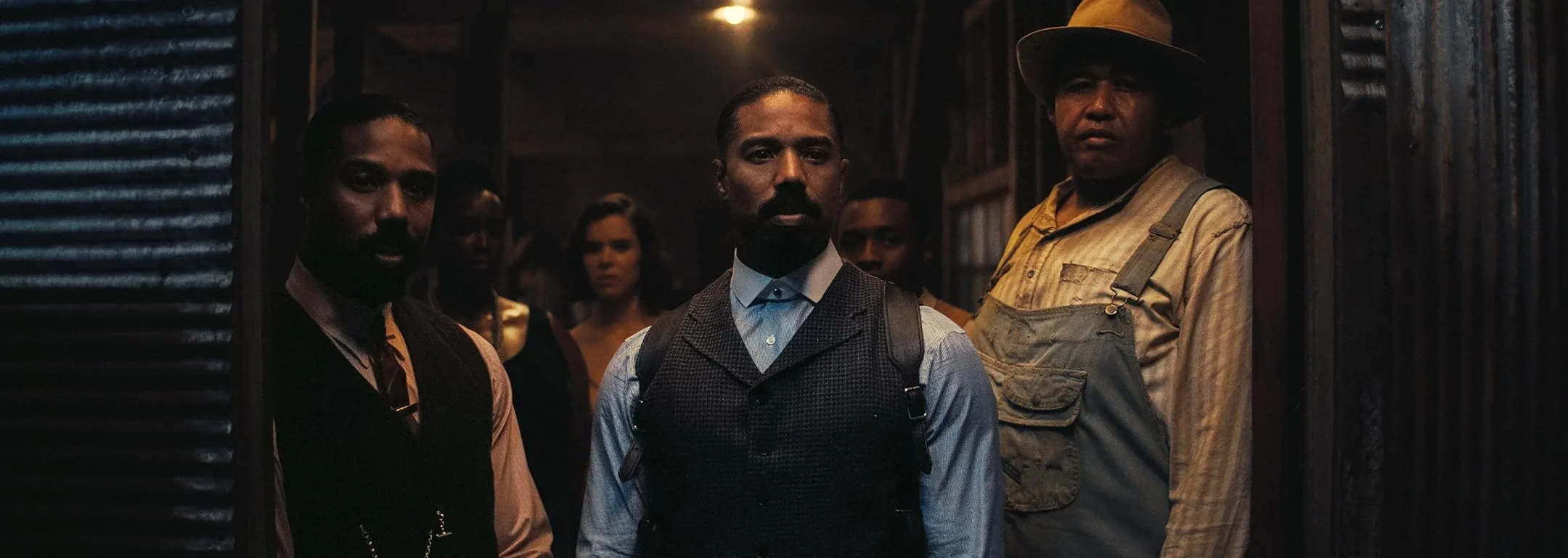
The cinematography captures the raw essence of 1930s Southern life. By employing expansive formats—IMAX and Ultra Panavision—the film captures every sun-scorched detail and shadowed alleyway. Each frame feels meticulously composed; subtle shifts in lighting underscore moments of impending dread (and yes, there are scenes so brilliantly framed they might just become cultural icons). This visual craftsmanship heightens the tension and constructs an atmospheric stage where every bleak building and desolate road echoes with untold stories.
Production design here succeeds in grounding the supernatural in the gritty reality of a rundown mill repurposed into a juke joint. The authenticity of the period is apparent in the thoughtfully ragged details of set decor, while the visual vocabulary of the costumes reinforces the social divide—a modest suit for the pragmatist contrasted with flamboyant details for the more freewheeling persona. These choices do more than clothe the characters; they serve as visual shorthand for their personal histories and social standing.
Sound plays its part in an impressive manner. Ludwig Göransson’s score, infused with the soulful grit of blues, operates as an emotional barometer for the film. The interplay of ambient sounds—whispers of wind, creaks from wooden floors, murmurs emerging from dark corners—with live musical interludes further heightens the emotional palette. Occasionally, a discordant note or an unexpected beat injects dry humor into tense sequences, offering a brief respite from the mounting suspense.
Genre Fusion and Narrative Impact: A Collision of Style and Substance
Sinners mixes elements of horror, period drama, musical, and thriller into a cinematic concoction that resists straightforward classification. The film interlaces chilling horror scenes with the dusty charm of 1930s Southern life, punctuated by impassioned musical interludes and adrenaline-fueled sequences. This creative cocktail challenges the viewer’s expectations, offering moments that shock alongside those that invite reflection (sometimes in the form of a wry grin).
The pacing oscillates with precision. Rapid bursts of terror give way to stretches of quiet intensity, during which the atmosphere seems to sip a slow, heavy drink. Some scenes shock with their raw suspense while others sparkle with the pulse of live blues, hinting at the transformative energy of art under pressure. That jarring shift in mood occasionally surprises even the most seasoned viewer—like a well-timed quip in a heated debate.
On another level, the film’s narrative structure speaks to enduring social issues. The portrayal of vampires, far from being simple monsters, strikes a chord with historical exploitation and cultural misappropriation. These undead figures mirror a grim legacy of economic pillaging and racial disenfranchisement.
Their arrival on screen is not merely for shock value, but a poignant reminder of past wrongs and the ongoing struggle against them (a parallel that might spark discussions at both dinner tables and scholarly salons).
As the narrative layers intertwine with distinctive visual finesse and a vibrant soundscape, Sinners offers an experience that is as thought-provoking as it is entertaining. Its genre-melding approach leaves an imprint that could well influence how future films grapple with the interplay between societal critique and mainstream thrills.
Full Credits
Director: Ryan Coogler
Writers: Ryan Coogler
Producers and Executive Producers: Ryan Coogler, Zinzi Coogler, Sev Ohanian, Rebecca Cho, Will Greenfield, Ludwig Göransson, Kenneth Yu
Cast: Michael B. Jordan, Hailee Steinfeld, Miles Caton, Jack O’Connell, Wunmi Mosaku, Jayme Lawson, Omar Benson Miller, Li Jun Li, Delroy Lindo, Yao, Helena Hu, Lola Kirke, Peter Dreimanis, Saul Williams, Andrene Ward-Hammond, David Maldonado, Buddy Guy
Director of Photography (Cinematographer): Autumn Durald Arkapaw
Editors: Michael P. Shawver
Composer: Ludwig Göransson
The Review
Sinners
Sinners balances spine-chilling thrills with a thoughtful look at historical injustice. Its mix of horror and period drama sparks contemplation about societal ills while keeping viewers on edge. The narrative construction and performance work impressively, even if some ambitious ideas falter on occasion.
PROS
- Innovative genre fusion
- Strong cultural and historical commentary
- Impressive direction and visual style
- Powerful musical and sound design
- Engaging narrative with unexpected twists
CONS
- Uneven pacing at times
- Jarring tonal shifts
- Underdeveloped secondary roles
- Abrupt narrative closures in parts