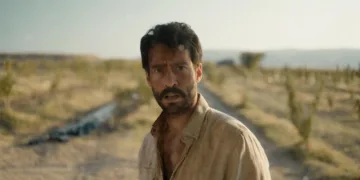



























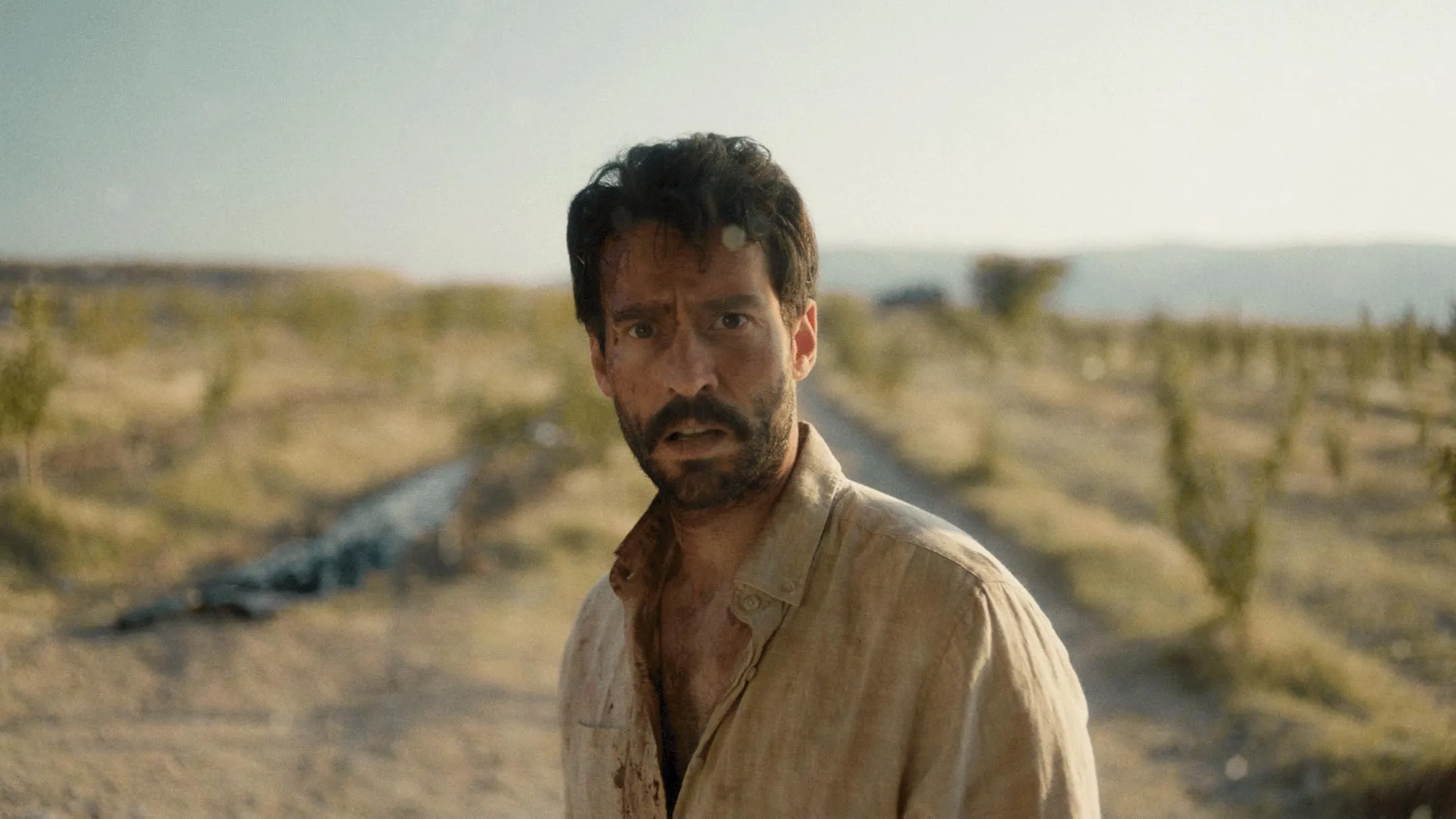

Alireza Khatami’s The Things You Kill presents a captivating experience defined by an eerie and ambiguous atmosphere. The film creates a space where psychological tension meets a surreal portrayal of family dynamics, drawing the viewer into a narrative that resists simple categorization.
Set in a Turkish city, the work uses its locale to mirror deep-seated traditions and the influence of social expectations. The interplay between the urban landscape and the rural outskirts offers a visual metaphor for the characters’ internal struggles and the push and pull of cultural heritage.
At the heart of the story is Ali, a university professor contending with the challenges of a demanding academic career and a fraught family life. His seemingly ordinary existence conceals a persistent undercurrent of conflict and potential change. Ali’s experiences in a society shaped by long-held customs and modern influences prompt the audience to consider how personal crises intersect with inherited values.
Khatami’s vision is evident in his deliberate mix of realistic storytelling and sudden, surreal narrative shifts. This technique prompts viewers to question the nature of reality and the subtle signals hidden within the film’s striking imagery.
Narrative and Structural Dynamics Across Cultures
The Things You Kill presents a dual-layered narrative that begins with a family drama steeped in everyday struggles and gradually transitions into a suspenseful psychological thriller. The story follows Ali, a literature professor, whose daily routine is disrupted by personal challenges such as his strained family relationships, his difficulties in conceiving a child, and the emotional burden of perceived inadequacies. His environment—a Turkish city that juxtaposes academic life with a rural setting—mirrors the internal disquiet that permeates his existence.
The film opens by establishing Ali’s ordinary world, where the pressures of teaching and managing family discord are interwoven with hints of hidden pain. As the narrative unfolds, the mysterious passing of his ailing mother acts as a catalyst that exposes long-held secrets and the simmering tensions within his household.
The revelation of past abuse and the intimate disclosure about his low sperm count are not merely plot points; they serve as cultural signifiers, reflecting the societal expectations and the personal consequences of these unspoken traditions.
The arrival of Reza, an enigmatic gardener, introduces a significant twist. His sudden presence unsettles the established order, setting off a chain reaction that compels Ali to reconsider his life choices and confront his inner conflicts. This narrative turn shifts the tone from a measured exploration of daily life to a more ambiguous and shadowy investigation into fate and self-awareness.
The film’s pace shifts noticeably as it moves from a slow, realistic depiction of domestic strife to a style that borders on the neo-noir. Specific plot devices—such as the use of symbolic imagery, unexpected shifts in character roles, and moments of narrative ambiguity—invite viewers to question the interplay between visible actions and hidden motives.
This structure leaves several questions open regarding destiny, self-identity, and the latent violence within interpersonal relationships, inviting an ongoing dialogue about the influence of cultural heritage on individual lives.
Complex Figures and Cultural Mirrors
Ali emerges as a troubled figure whose personal struggles capture the tensions of a society in transition. His inner conflict is revealed through a persistent sense of self-doubt linked to physical limitations and deep-seated feelings of inadequacy.
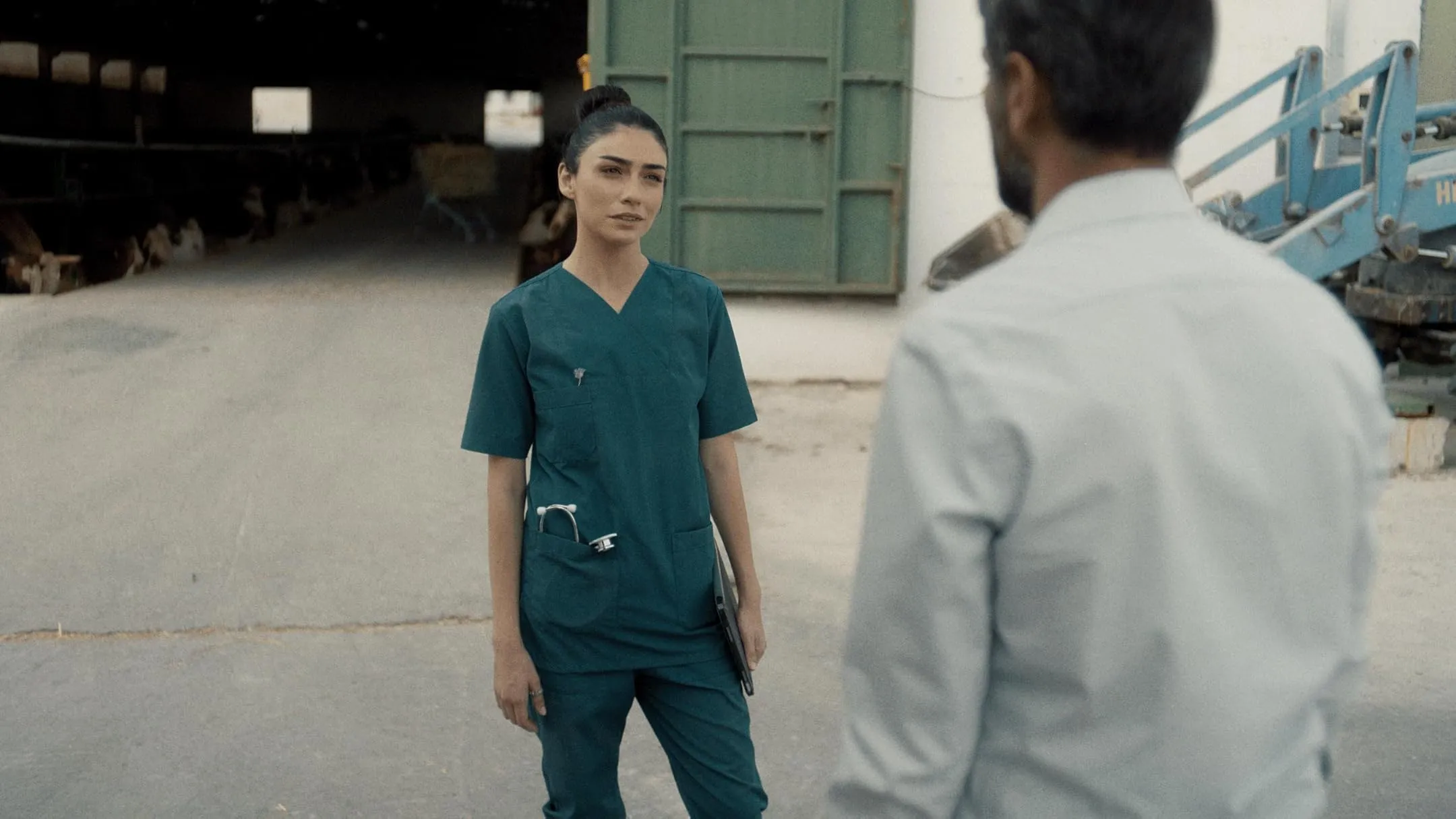
The film presents Ali as a man caught between the experiences of studying abroad and the expectations imposed by his home environment, creating a portrait that reflects the push and pull of inherited traditions versus personal transformation.
The interactions within his family serve as a window into cultural norms and inherited roles. His relationship with his strict father exposes a legacy marked by severe discipline and lingering resentment, a dynamic that leaves its mark on Ali’s self-image. Meanwhile, his sisters offer a range of responses to shared hardships; their quiet endurance and subtle displays of hurt illustrate the weight of familial history and the expectations placed on each member.
Hazar, his wife, stands as a supportive yet reflective presence, mirroring the pressures tied to fertility and societal ideas of masculinity. Her character quietly questions established roles and expectations within their partnership. In contrast, Reza, the enigmatic gardener, disrupts the familiar order with his unexpected arrival. His presence forces Ali to face aspects of himself that have remained hidden, challenging him to reexamine his beliefs and behaviors.
Each character functions as a mirror for various aspects of society and personal history. Their interactions, marked by both tenderness and tension, reveal how cultural traditions influence individual identity and family dynamics. The exchange among these figures prompts a reconsideration of personal narratives and cultural legacies, leaving open questions about how entrenched values might transform over time.
Cultural Echoes: Symbols, Motifs, and Themes
The film presents a thoughtful examination of male vulnerability through Ali’s persistent struggle with personal inadequacy and the weight of familial obligations. His difficulties with fertility and the constant reminder of unmet expectations cast a spotlight on a culture steeped in traditional gender roles.

Ali’s internal conflicts, triggered by personal shortcomings and harsh family dynamics, serve as a mirror reflecting longstanding societal prescriptions, prompting the audience to question the influence of inherited values on one’s self-worth.
Ali’s search for personal identity is interwoven with a narrative that shifts from a realistic portrayal of daily hardships to segments where visual storytelling adopts a surreal quality. The transformation in narrative style heightens the ambiguity between everyday reality and a state of altered consciousness. Elements such as reflective surfaces and a recurring phrase echo through key scenes, stirring uncertainty about the nature of perception and the inner workings of the human mind.
Visual imagery plays a significant role in conveying thematic concerns. The barren garden, captured in extended takes with shifting focus, visually articulates themes of decay and the slow evolution of change. In tandem with the visuals, the sound design—characterized by moments of profound silence punctuated by sudden auditory cues—enhances the atmosphere and reinforces the tension woven throughout the film.
The Turkish setting contributes actively to the storytelling, providing a stage that juxtaposes the urban experience with the desolation of rural life. This contrast reflects the tension between enduring traditions and the emerging influences of modernity, a duality that mirrors Ali’s internal disquiet. Each symbol, motif, and auditory cue collaborates to create a narrative rich in cultural references, urging the viewer to reconsider the interplay of tradition and transformation in shaping personal and collective identities.
Direction, Cinematography & Technical Execution
Alireza Khatami presents a visual narrative that pairs established storytelling techniques with unconventional cinematic methods. His background, shaped by diverse cultural experiences, informs a style that honors traditional narrative forms while introducing unexpected experimental elements. This technique creates a dynamic visual language that connects historical cinematic practices with a modern aesthetic.
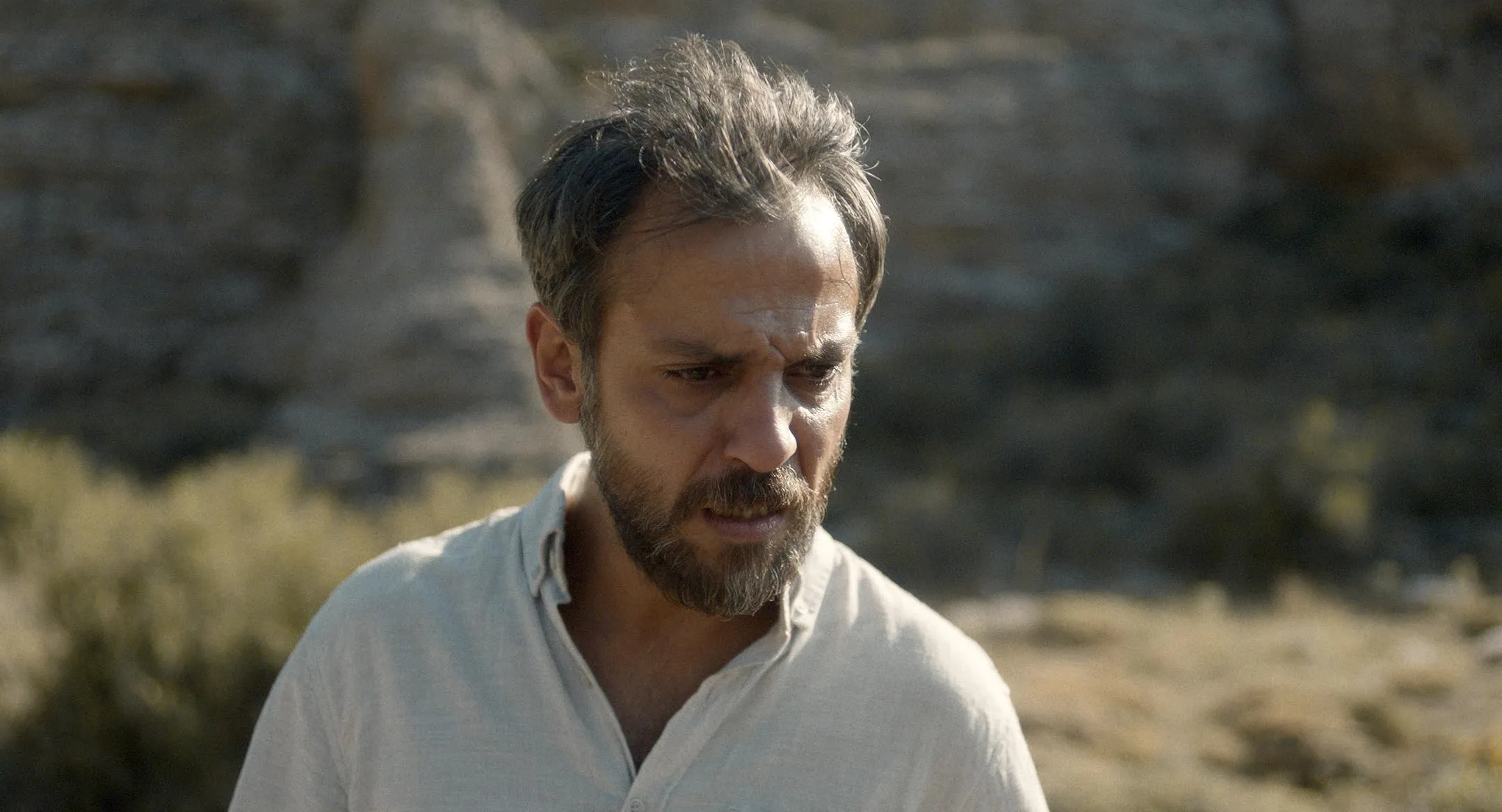
The film employs extended shots and precise shifts in focus to generate a fluid sense of time, amplifying the film’s ethereal segments. Visual cues such as reflective surfaces, sweeping natural vistas, and unconventional framing are used with precision.
These choices transform routine environments into spaces charged with tension, reflecting both the characters’ inner turmoil and the director’s attention to cultural detail. Everyday scenes are carefully staged to evoke a quiet intensity that challenges viewers to reconsider familiar visual narratives.
The pacing unfolds in a measured rhythm, building tension gradually before the narrative accelerates into sudden, stark images that interrupt the calm. The editing juxtaposes long, reflective sequences with rapid, disquieting moments, keeping the audience attentive.
Sound design is equally pivotal; carefully selected musical cues and intentional pauses contribute to an immersive psychological environment. In certain scenes, abrupt shifts in audio accompany visual transitions, reinforcing the interplay between sight and sound.
Technical choices throughout the film resonate with a global cinematic language while drawing on culturally specific details. They invite comparisons with other works that balance classic storytelling with innovative execution.
This method of integrating time-honored techniques with a forward-thinking visual approach prompts viewers to reconsider the evolving language of cinema, leaving open questions about how cultural traditions influence and transform modern storytelling.
Cultural Context & Social Commentary
Set against a modern Turkish backdrop, the film paints a vivid picture of a society marked by long-established customs and evolving social norms. The behavior of its characters mirrors the pressures of a community that values tradition, especially regarding male responsibility.
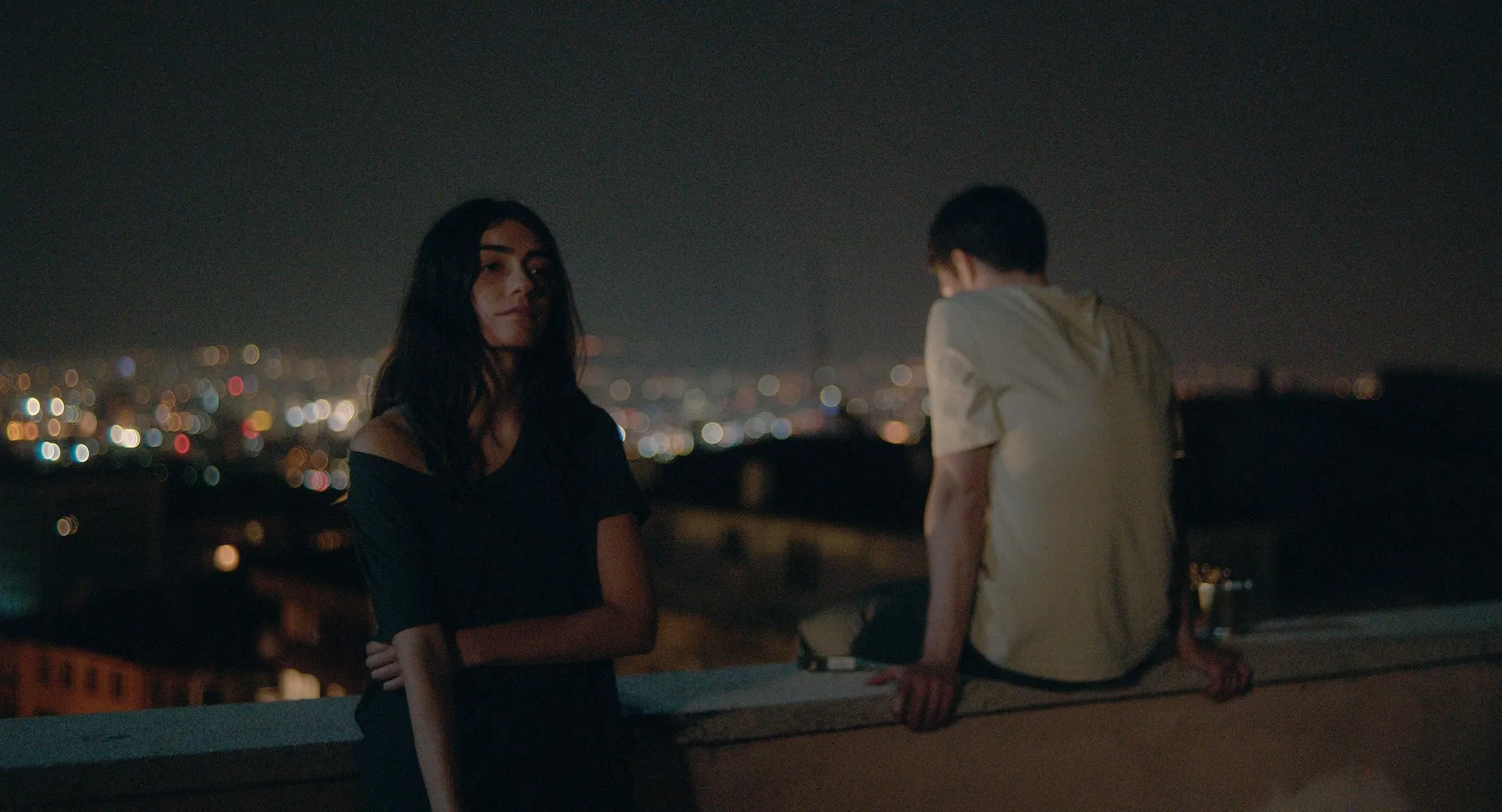
Ali’s struggles are steeped in the weight of societal expectations, where personal shortcomings are scrutinized under a strict patriarchal lens. This environment shapes his actions and decisions, reflecting how deeply ingrained roles can affect personal identity.
The narrative also hints at the director’s own experiences with creative restrictions. The relocation of the setting serves as a subtle nod to the limitations imposed on artistic expression, and the film’s nuanced storytelling reflects a careful balancing of personal vision against cultural constraints.
The portrayal of gender dynamics adds another layer of commentary, as the interactions within the family reveal a rigid hierarchy that leaves little room for deviation. Female characters display quiet strength and endurance amid expectations, while male figures struggle with vulnerabilities that society dismisses.
By grounding its story in regional realities, the film invites viewers from all corners of the world to consider the interplay between personal failure and societal pressure. The cultural tapestry presented here raises questions about how history and tradition shape modern life, prompting reflection on the universal search for identity.
The Review
The Things You Kill
This film stands as a layered exploration of personal turmoil set against a richly detailed Turkish backdrop. Ali's internal strife and the film’s striking visual style create an engaging portrait of the clash between traditional expectations and modern challenges. The gradual narrative shifts and carefully crafted imagery invite viewers to reflect on how cultural pressures shape individual identity.
PROS
- Rich cultural setting and insightful societal commentary
- Well-crafted character development
- Engaging visual style with creative cinematography
- Gradual transformation from family drama to psychological thriller
- Thought-provoking narrative with layered symbolism
CONS
- Some pacing segments feel slow
- Abrupt narrative shifts may unsettle some viewers
- Requires active engagement to catch subtle details
- Not a typical thriller for mainstream tastes