















![Kingdom Hearts Collection [I-III] Review](https://gazettely.com/wp-content/uploads/2026/10/Kingdom-Hearts-Collection-I-III-1-360x180.webp "Kingdom Hearts Collection [I-III] Review: KHII Holds Steady as Newer Entries Fluctuate 33")







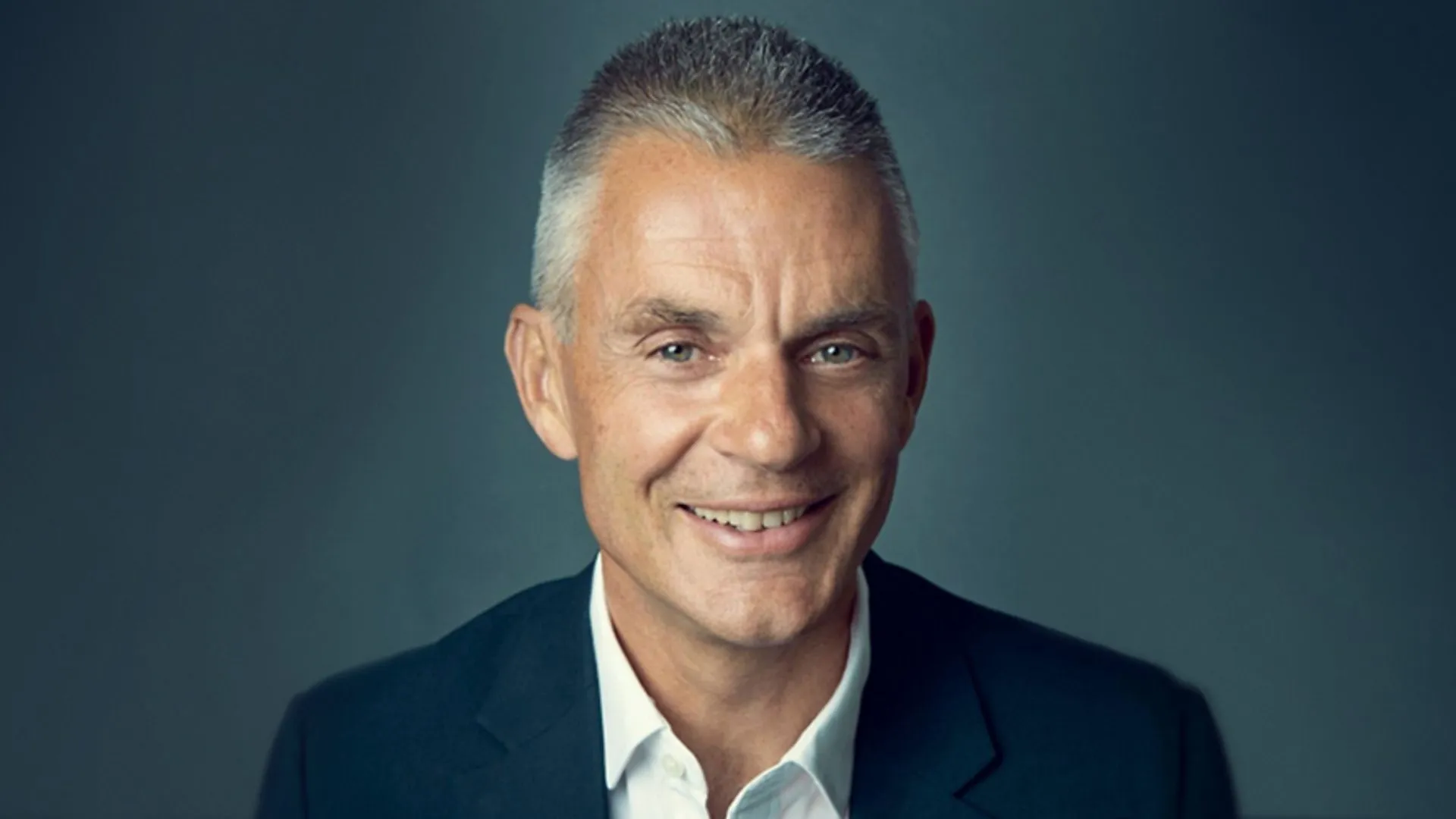

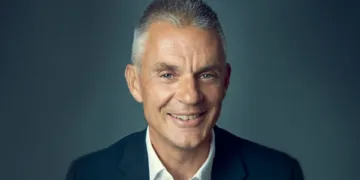
Tim Davie has vowed to remain BBC director‑general despite a cascade of crises that has drawn fire from politicians, regulators and his own staff. Speaking at the launch of the corporation’s annual report, he said he could “lead the BBC in the right way” and “improve it dramatically,” rejecting calls to quit.
His defence comes days after an internal review found Gaza: How to Survive a Warzone breached accuracy rules by failing to disclose that its 13‑year‑old narrator is the son of a Hamas official. Davie apologised for the “significant failing” and announced tougher editorial controls, while watchdog Ofcom opened a separate investigation into whether viewers were misled.
The Gaza misstep followed anger over the BBC’s live‑stream of Glastonbury performer Bob Vylan leading chants of “death to the IDF”, an incident that prompted the corporation to halt “high‑risk” music broadcasts. Ofcom chief executive Dame Melanie Dawes warned that repeated “own goals” risk chipping away at public confidence unless leadership “gets a grip quicker.”
Meanwhile an independent inquiry upheld 45 misconduct allegations against former MasterChef host Gregg Wallace, prompting the BBC to sever future ties and fuelling questions about historic safeguarding failures.
Pressure has also risen from within. More than 100 BBC journalists joined a wider group of media figures accusing the broadcaster of acting as “PR for the Israeli government” and demanding the removal of board member Sir Robbie Gibb over perceived conflicts of interest. An internal memo seen by colleagues described a newsroom “overthinking its coverage” of Gaza amid heightened political scrutiny.
Culture Secretary Lisa Nandy has branded recent missteps “catastrophic failures” and summoned Davie and BBC chair Samir Shah to Parliament after the summer recess. Yet Shah publicly reiterated his “full support” for the director‑general, arguing that decisive action is under way.
Critics note that Davie received a 3.8 per cent pay rise to about £547,000 even as licence‑fee income fell and audience trust surveys dipped. The BBC says new board‑level oversight of documentaries, stricter live‑event protocols and expanded compliance checks will “restore confidence” while it steers through what Davie calls “the most challenging editorial issue of my tenure.”