
























![Kingdom Hearts Collection [I-III] Review](https://gazettely.com/wp-content/uploads/2026/10/Kingdom-Hearts-Collection-I-III-1-360x180.webp "Kingdom Hearts Collection [I-III] Review: KHII Holds Steady as Newer Entries Fluctuate 37")





A new trailer for My Father and Qaddafi has been released ahead of the film’s bow at the Venice Film Festival, where it screens out of competition on August 29–30. Directed by Jihan Kikhia, the documentary follows the filmmaker’s effort to reconstruct the life and disappearance of her father, Mansur Rashid Kikhia, a former Libyan foreign minister and United Nations ambassador who became a prominent opponent of Muammar Gaddafi. The trailer arrives August 28 as the film begins its festival campaign.
The documentary centers on a case that shaped modern Libyan history. Kikhia vanished in Cairo in 1993 after attending a human rights meeting; nearly two decades later, following the fall of the regime, his remains were discovered in a Tripoli villa tied to the former security apparatus. Family members said DNA testing confirmed the identification, and accounts from the period pointed to the involvement of senior intelligence figures. The film recounts the family’s 19 year search, led by Kikhia’s mother, Baha Omary, and situates the story within the political currents of Libya, Egypt, and exile communities.
Festival materials describe the project as both investigation and self-portrait, with the director using interviews, archival material, and personal memory to explore absence, identity, and national amnesia. The Venice program lists multiple public and pass holder screenings over two days, underscoring the event’s platform for nonfiction titles with geopolitical resonance. The production’s official channels emphasize the film’s goal of preserving the legacy of a figure many Libyans viewed as a potential post Gaddafi leader while probing how authoritarian systems fracture families and erase records.
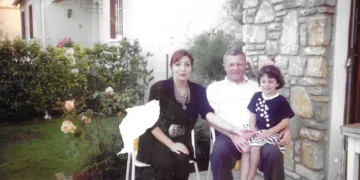
The trailer highlights that intimate scale: home movies and family photographs sit alongside evidence from court files and press reports as the film traces the path from the 1993 disappearance to the 2012 discovery. For viewers unfamiliar with the case, Kikhia’s résumé clarifies why his fate reverberated across the region; for those who remember it, the film offers a rare, first person account from inside a family navigating diplomacy, activism, and grief.







