


















Snoop Dogg has moved to defuse backlash over remarks about LGBTQ representation in Pixar’s Lightyear, writing “my bad” and asking to be “taught” after explaining that a same-sex couple in the film left him unprepared to answer his grandson’s questions. In a comment on an Instagram post discussing the controversy, he added, “I was just caught off guard and had no answer for my grandsons… Teach me how to learn. I’m not perfect.”
The clarification followed a podcast segment on August 20 in which he said the scene “threw [him] for a loop” and that he felt “scared to go to the movies” when faced with questions he wasn’t ready to address.
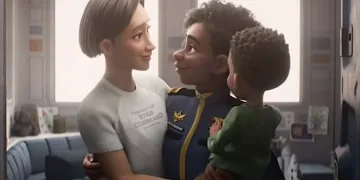
The debate widened when playwright and contributing Lightyear writer Lauren Gunderson said she introduced the idea that the film’s astronaut character Alisha Hawthorne would have a wife and child, calling it a small but meaningful choice with a “representational effect.” She defended the depiction on Threads and hoped the rapper might “join the side of love.”
The exchange revived attention on Lightyear’s earlier release-cycle flashpoints: Disney initially removed a brief same-sex kiss before restoring it amid internal pushback, and the movie later faced bans in multiple markets.
Reaction to Snoop Dogg’s comments has split along familiar lines. Some commentators framed his posts as a teachable moment for caregivers navigating age-appropriate conversations; others argued the apology read as too casual for the harm they perceived. His remarks also spilled into sports and live-events circles, prompting calls in Australia for his removal from next month’s AFL Grand Final pre-game show; league officials have defended the booking as suitable for a family audience.
The flare-up arrives as studios continue to calibrate how they present families and relationships in films aimed at broad audiences. Lightyear’s creative team has consistently argued that the on-screen relationship is portrayed as loving and everyday rather than provocative, and public comments from cast and crew during the 2022 release framed the moment as part of a broader move toward inclusion.







