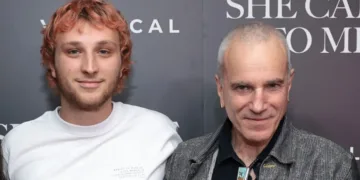


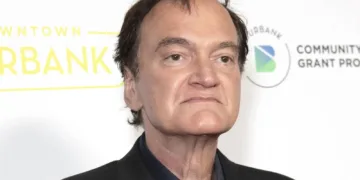
















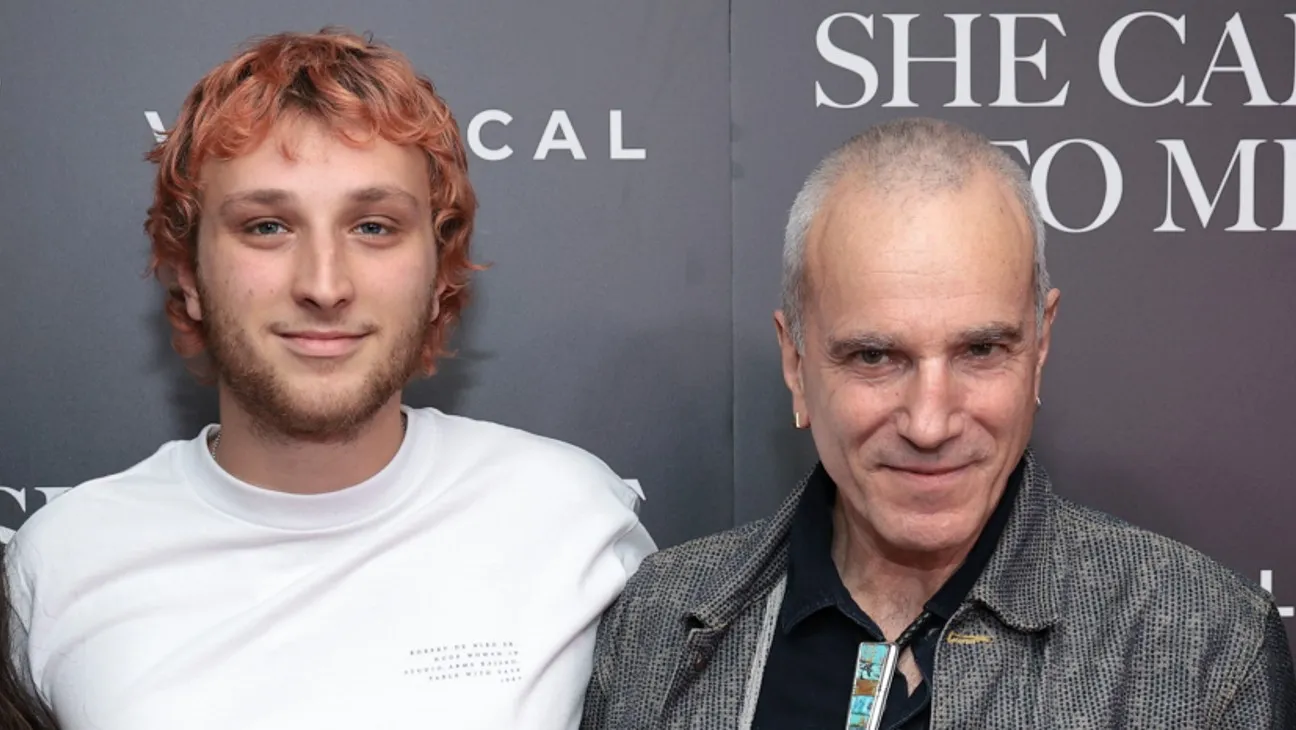

Ronan Day-Lewis says a yearslong creative exchange with his father led to Daniel Day-Lewis’ return to acting, turning a private collaboration into the feature Anemone, which premieres at the New York Film Festival before a limited U.S. release on October 3. In a new profile, the painter-filmmaker describes coaxing the three-time Oscar winner back by inviting him to co-write and then star opposite Sean Bean and Samantha Morton, formalizing conversations they had “just before Covid.” The project, backed by Plan B with distribution partners attached, positions the actor on screen for the first time since 2017.
The return follows the actor’s recent clarification that his 2017 “retirement” announcement overstated his intentions. In an interview this month, he called the statement “grandiose gibberish,” adding that he “never intended to retire, really,” but stepped away to do other work and recover after Phantom Thread. He also acknowledged “residual sadness” during the hiatus, particularly as his son continued developing the script, a feeling that helped push him back to set.
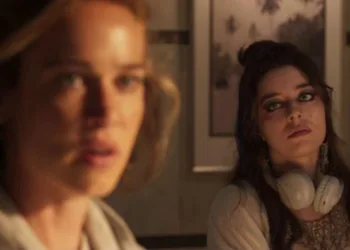
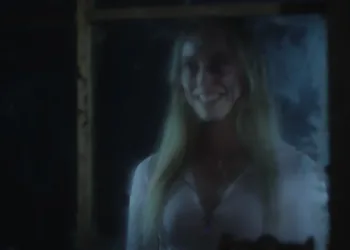
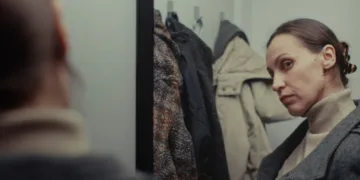
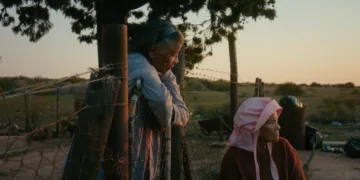
Anemone, set to world-premiere at NYFF, centers on estranged brothers in late-1980s Yorkshire and threads family ties with political and psychological fallout. Footage released in recent weeks emphasizes a tense, haunted atmosphere and highlights Day-Lewis as a reclusive former soldier. Following the festival bow, the film expands domestically on October 10, with a U.K. rollout slated for early November, part of a carefully staged reentry for one of cinema’s most selective performers.
Ronan Day-Lewis, 27, arrives as a first-time feature director after gallery work and shorts, while his father returns having last headlined a film eight years ago. Industry attention has centered on how the family partnership shaped both the screenplay and the decision to un-retire. Early materials and festival placement suggest an awards-aware strategy without overexposure, and the production’s emphasis on creative control satisfies long-standing questions about the conditions under which the actor would work again. The elder Day-Lewis’ remarks indicate the move was less a reversal than a redefinition of pace and purpose, with the collaboration providing the catalyst.