



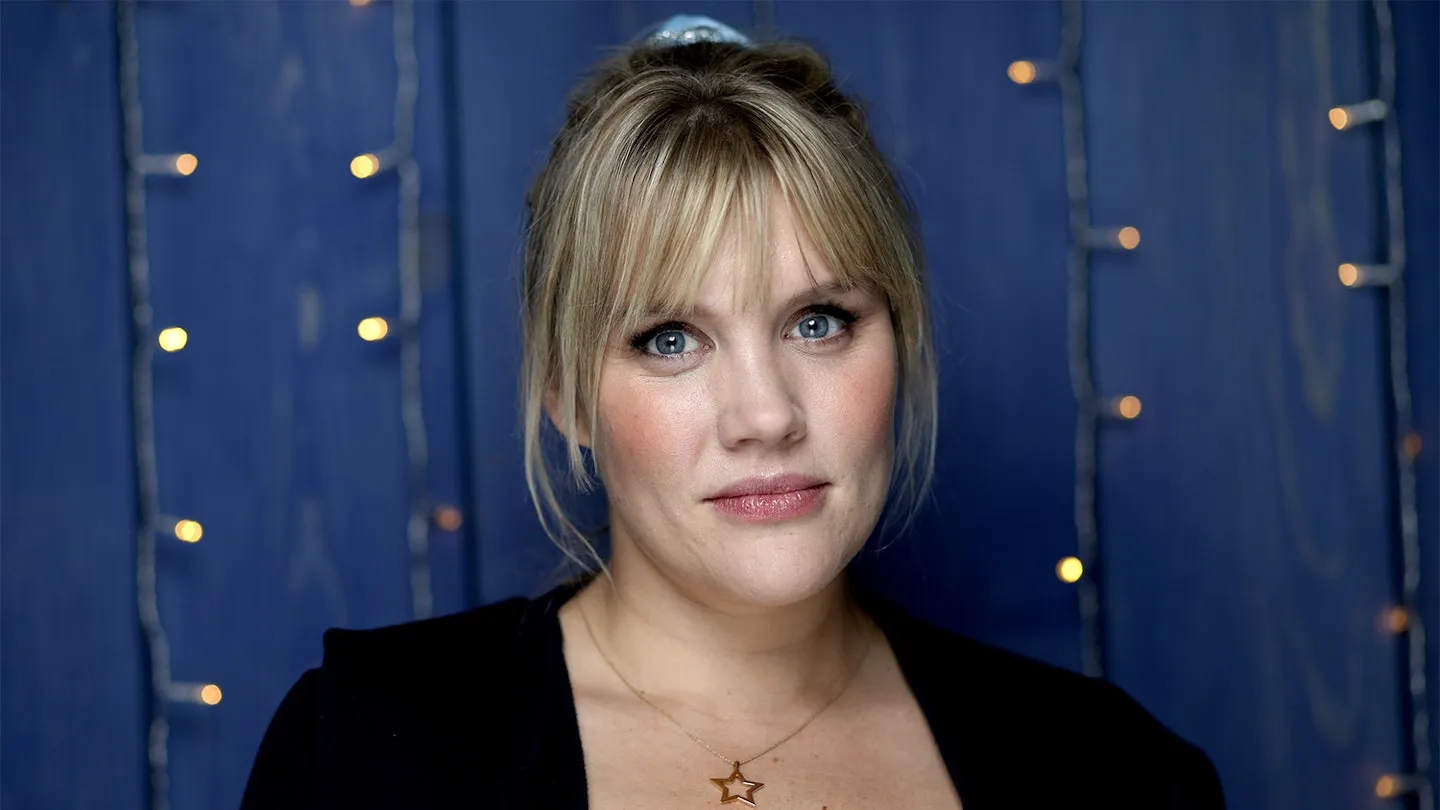

Emerald Fennell has defended casting Margot Robbie and Jacob Elordi in her film of Wuthering Heights, saying the choices reflect a deeply personal reading of Emily Brontë’s novel rather than an attempt at literal replication. Addressing criticism that Heathcliff is described as “dark” in the text and that Catherine is a teenager, Fennell argued the book elicits intensely private images in readers and filmmakers. She said Elordi matches the Heathcliff she first imagined as a teenager and described Robbie as possessing an “otherworldly… Godlike power” that suits Cathy’s transgressive magnetism. “It’s very personal material for everyone… I can’t make something for everyone,” she said, urging audiences to see the film before judging the adaptation.
The director framed her approach as both faithful and interpretive: the screenplay preserves stretches of Brontë’s dialogue while concentrating on the first half of the story, which she called “primal” and “sexual,” with an emphasis on its sado-masochistic undertow. Fennell also addressed age-gap critiques by pointing to the adaptation’s stylization and to Robbie’s dual role as star and producer, arguing that Cathy’s charisma and danger—not her precise chronology—anchor the narrative.
The casting dispute has simmered since the project’s unveiling, resurfacing with the release of a teaser this month and Fennell’s public remarks. Some readers accuse the production of whitewashing Heathcliff; others note that screen versions have long varied, from Laurence Olivier to Tom Hardy, and say the novel’s ambiguities invite reinterpretation. Casting director Kharmel Cochrane previously urged skeptics to judge the film’s total vision—performance, design, and mood—rather than treat the text as a checklist.
Production details suggest a prestige rollout: the film is backed by MRC and LuckyChap, photographed by Linus Sandgren, scored by Anthony Willis with original songs by Charli XCX, and distributed by Warner Bros. The U.S. release is set for February 13, 2026, with Fennell saying the adaptation aims to channel the novel’s “intimate, scandalous energy” rather than tidy its cruelty. As online debate cycles between fidelity and freedom, the filmmaker maintains that the measure of the casting will be whether the film captures the book’s volatile pull.