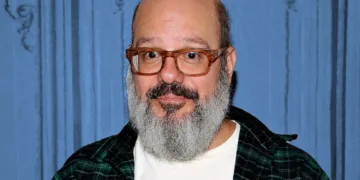











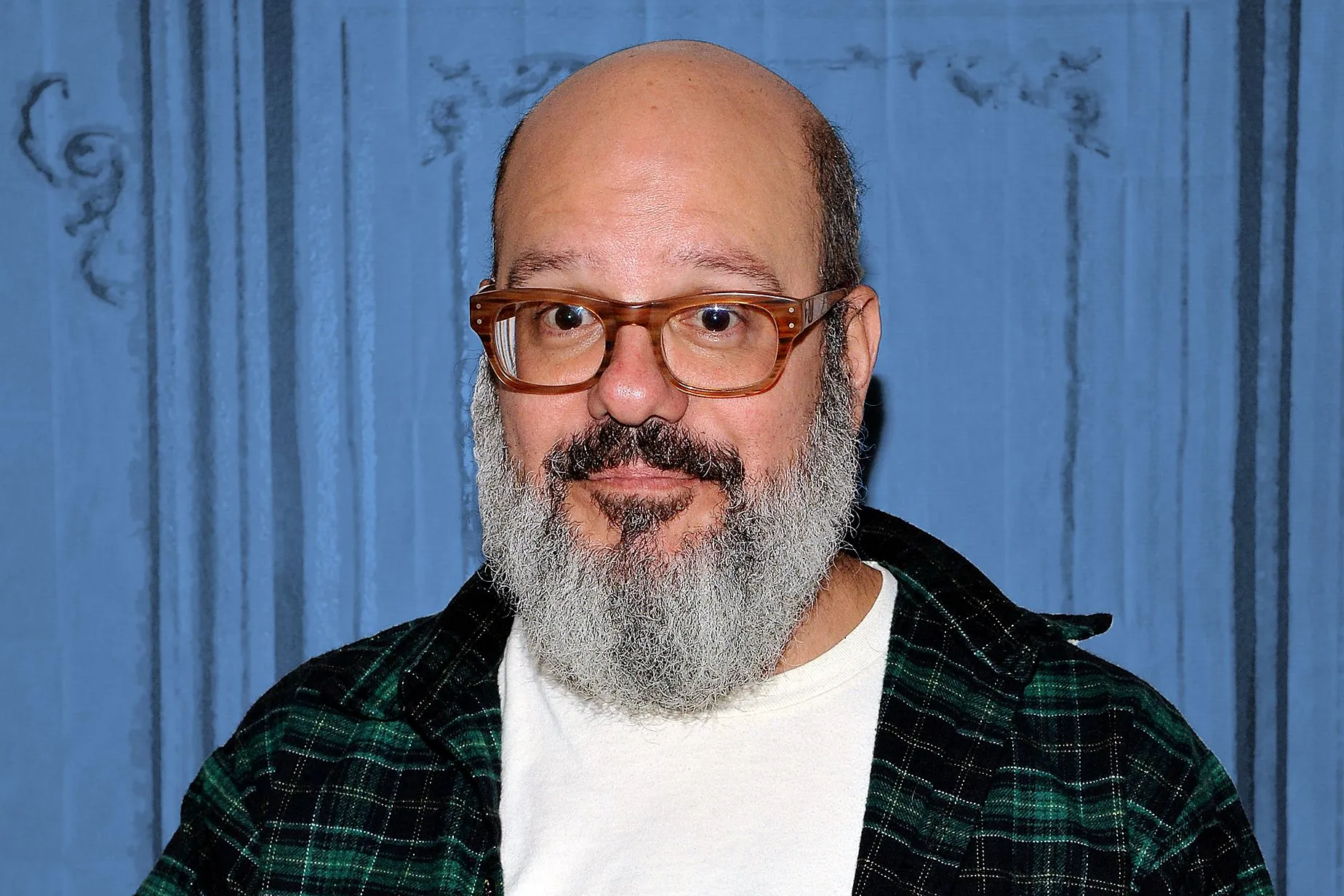

David Cross has condemned the Riyadh Comedy Festival and the comedians performing there, calling the state-backed event “a propaganda exercise dressed up as entertainment” and arguing that participation undermines free-expression principles many comics publicly defend. In a statement posted on his website, Cross said there was “not enough money” to persuade him to “help these depraved, awful people put a fun face on their crimes against humanity,” and he singled out several marquee performers as examples of what he characterized as celebrity complicity. He also mocked the paydays on offer and, referencing defense-industry ads, quipped that taking the gig was like doing “commercials for Lockheed Martin.”
Cross’s remarks land amid a wider backlash as the two-week festival (Sept. 26–Oct. 9) draws dozens of global headliners to Boulevard City under the umbrella of Saudi Arabia’s Vision 2030 cultural drive. Rights groups have urged participants to use their platforms to press for detainees’ release and to acknowledge restrictions on speech; critics warn of contractual clauses that prohibit material critical of the government, royal family or religion. Some comedians have publicly declined offers on ethical grounds, while others have defended traveling to engage fans and broaden comedy’s reach.
The controversy has intensified because the festival overlaps with the seventh anniversary of Jamal Khashoggi’s killing and follows reports of harsh sentences for dissent. Cross argued that, in this context, high-profile appearances risk “sportwashing” and permanently weakening performers’ credibility when they later object to censorship or political pressure at home. He wrote that fans should “take note” of who accepted the engagement, describing his disappointment with figures he once admired.
Festival publicity touts more than 50 “icons” across stand-up, sketch and improv, positioning the event as the world’s largest comedy gathering. Opponents counter that size and spectacle cannot be separated from the host state’s record; supporters of participation say boycotts rarely move policy and that contact can open space for artists and audiences. As clips of Cross’s statement circulated, the discussion sharpened around two questions that have dogged recent Saudi entertainment initiatives: whether cultural showcases can be insulated from political agendas, and what responsibility visiting stars bear when their presence is part of that showcase.