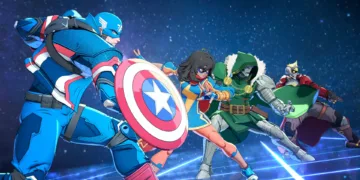




















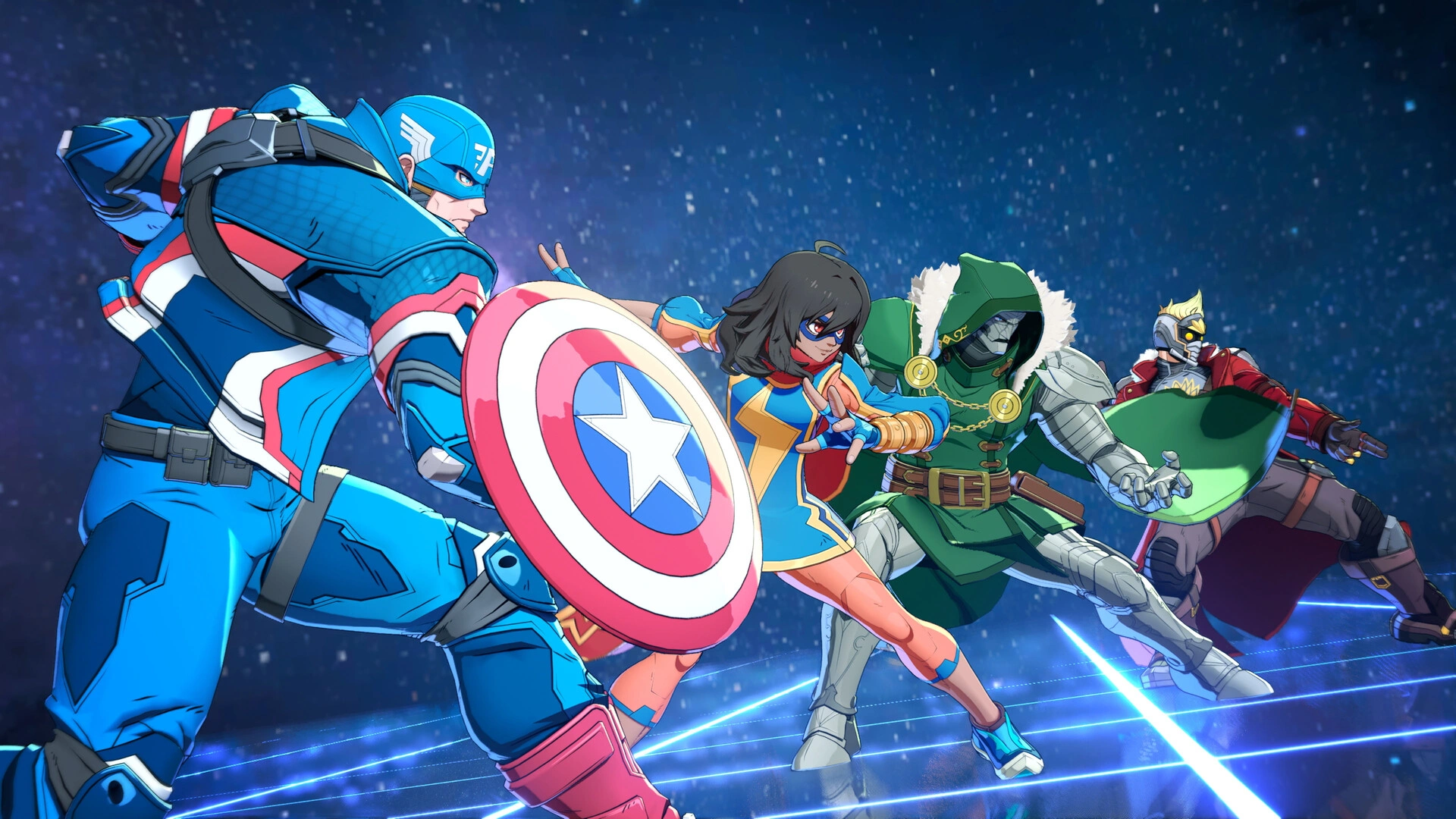

Four characters share one health bar, and that single rule explains much of what Marvel Tōkon: Fighting Souls gets right about reinventing the tag fighter. Arc System Works could have treated its 4v4 format as an invitation to overwhelm players. Instead, it spends much of the game finding ways to delay complexity until you are ready for it.
That matters because Marvel fighting games carry baggage. Marvel vs. Capcom 2 remains famous for speed, improbable team combinations, and matches that can resemble someone throwing an arcade cabinet down a staircase. Tōkon belongs to the same family without trying to impersonate it. Movement is heavier, systems are more regulated, and the game is far less interested in granting unrestricted tag freedom.
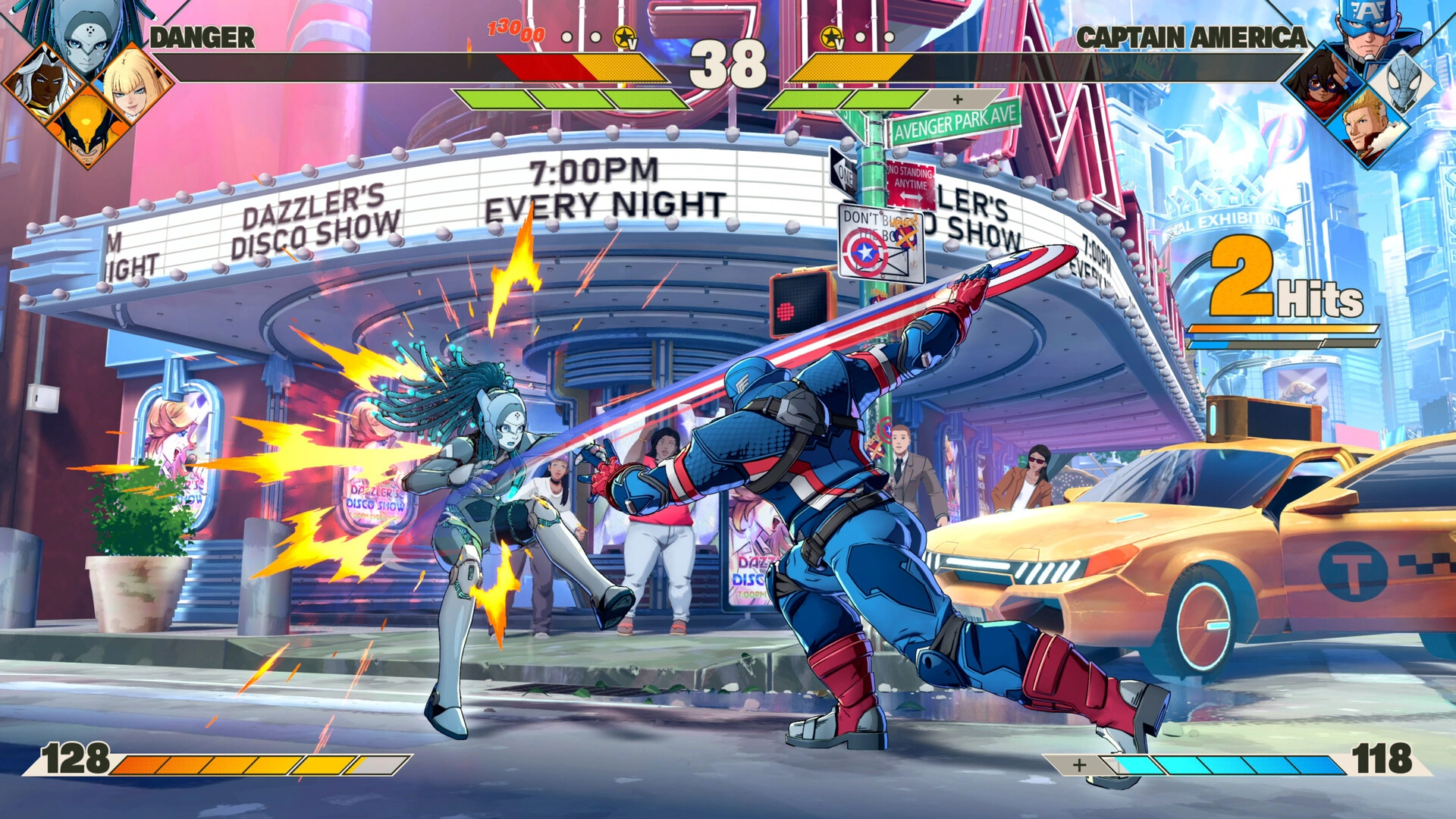
The controls make that philosophy clear. Light, medium, and heavy attacks provide an immediately understandable foundation, while Quick Skills offer easy access to specials. Dashes, unique attacks, counters, Crossover interruptions, assists, tags, and resource management arrive around that foundation instead of replacing it. You can mash through an early match and produce something spectacular. The important part is what happens several hours later, when those same buttons begin carrying decisions you did not know existed.
Building a Team One Fighter at a Time
Traditional tag fighters frequently ask players to learn several characters before their team feels functional. Tōkon lets one character carry you much further. Shared health removes the familiar tactic of tagging out an injured fighter to recover while another takes over. It also prevents a 4v4 match from lasting forever. Most importantly, it means learning Spider-Man properly can be enough to begin playing seriously before understanding what the other three slots should accomplish.
Spider-Man demonstrates the structure particularly well. His basic game plan can begin with simple high-low pressure, a few reliable combos, and his web-zip movement. Hanging from a web before changing his jump timing can bait anti-air attempts, giving even an inexperienced player a readable purpose beyond swinging wildly at the opponent. Then the team begins growing around him.
Blade can enter once you want greater damage after opening somebody up. Magneto can occupy an assist position that converts Spider-Man’s pressure into stronger combo routes. The fourth slot can remain experimental until another weakness appears. Team building becomes a response to problems encountered in actual matches rather than homework completed before playing them.
Tōkon reinforces this idea by withholding half your squad at the beginning of each fight. Characters become available through actions such as completing a light auto-combo, triggering a stage transition near the corner, or losing a round. Each arrival expands your available health and Assemble resources. The result is a clever escalation pattern. Early exchanges are comparatively clean. Later rounds resemble the comic-book equivalent of rush-hour traffic.
Assists deepen the system considerably. Characters are assigned positions such as Leader, Shooter, Vertical, and Assault, which determine the support action they provide in neutral. A Shooter can cover horizontal space with a projectile. A Vertical assist protects the air. Assault tends to provide a stronger offensive option.
Calling an assist after landing an attack changes the rules. Instead of receiving the normal neutral action, you get a universal dash-style assist that consumes Assemble meter. Timing matters, too. Press too early or too late and nothing useful happens.
Active tags invite comparison with 2XKO, but Arc System Works keeps them on a shorter leash. 2XKO frequently lets tag movement become a source of slippery mix-ups. Tōkon allows nasty sequences once an opponent is trapped in blockstun, yet its conditions are stricter.
Raw tags contain one of the system’s best small tricks. Start a move during the outgoing character’s delay and that attack can remain active while the incoming fighter approaches, creating coverage without spending another Assemble bar. It feels like finding a loose floorboard in an otherwise carefully regulated building.
Heroes Rebuilt Through ArcSys
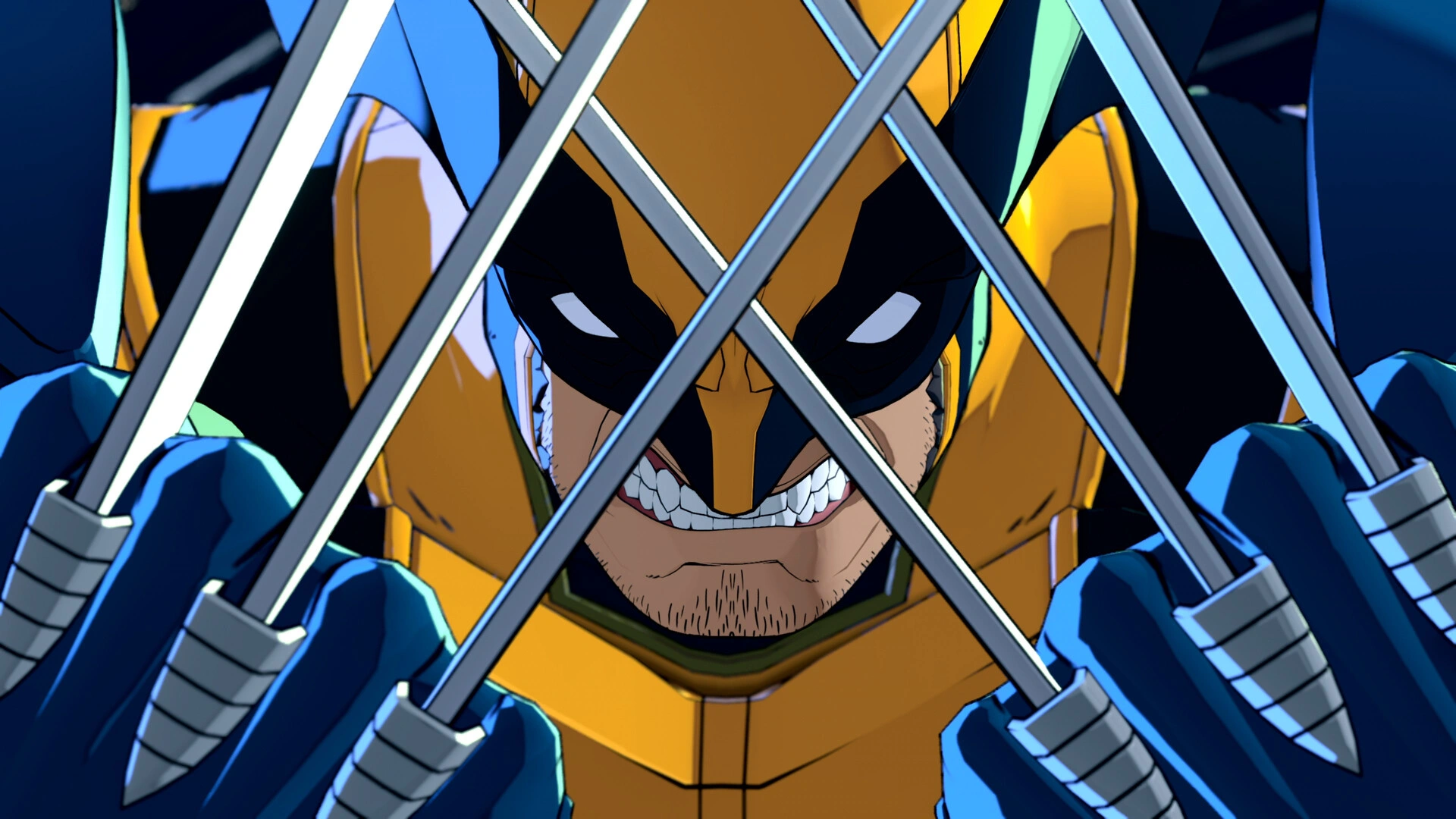
The shared combo structure initially makes parts of the roster feel similar. Spend time with individual characters and that impression starts dissolving. Spider-Man’s web movement changes how he approaches from the air. Storm manipulates wind to pull or push fighters and objects, even using gusts to extend the reach of her command grab. Magik can occupy huge portions of the screen with fire pillars. Magneto throws metallic debris into areas opponents would prefer to stand in. Peni Parker’s size and drones can make entire exchanges resemble an evacuation drill.
Green Goblin may be the best example of Arc System Works justifying an unexpected roster choice. He can fight hunched on the ground before shifting onto his glider, transforming both his silhouette and how he occupies space. Deadpool takes another route entirely, borrowing recognizable fighting-game ideas from Street Fighter, Mortal Kombat, Tekken, The King of Fighters, and Guilty Gear until his move set becomes a running joke aimed directly at genre veterans.
The visual redesigns follow the same philosophy. Captain America’s thick jacket and boots preserve his familiar identity while pushing him away from recent screen incarnations. Iron Man’s armor carries a pronounced Japanese mecha influence. Blade gains a sharper samurai flavor. Green Goblin becomes a stranger, nastier creature than the version many players will recognize from films.
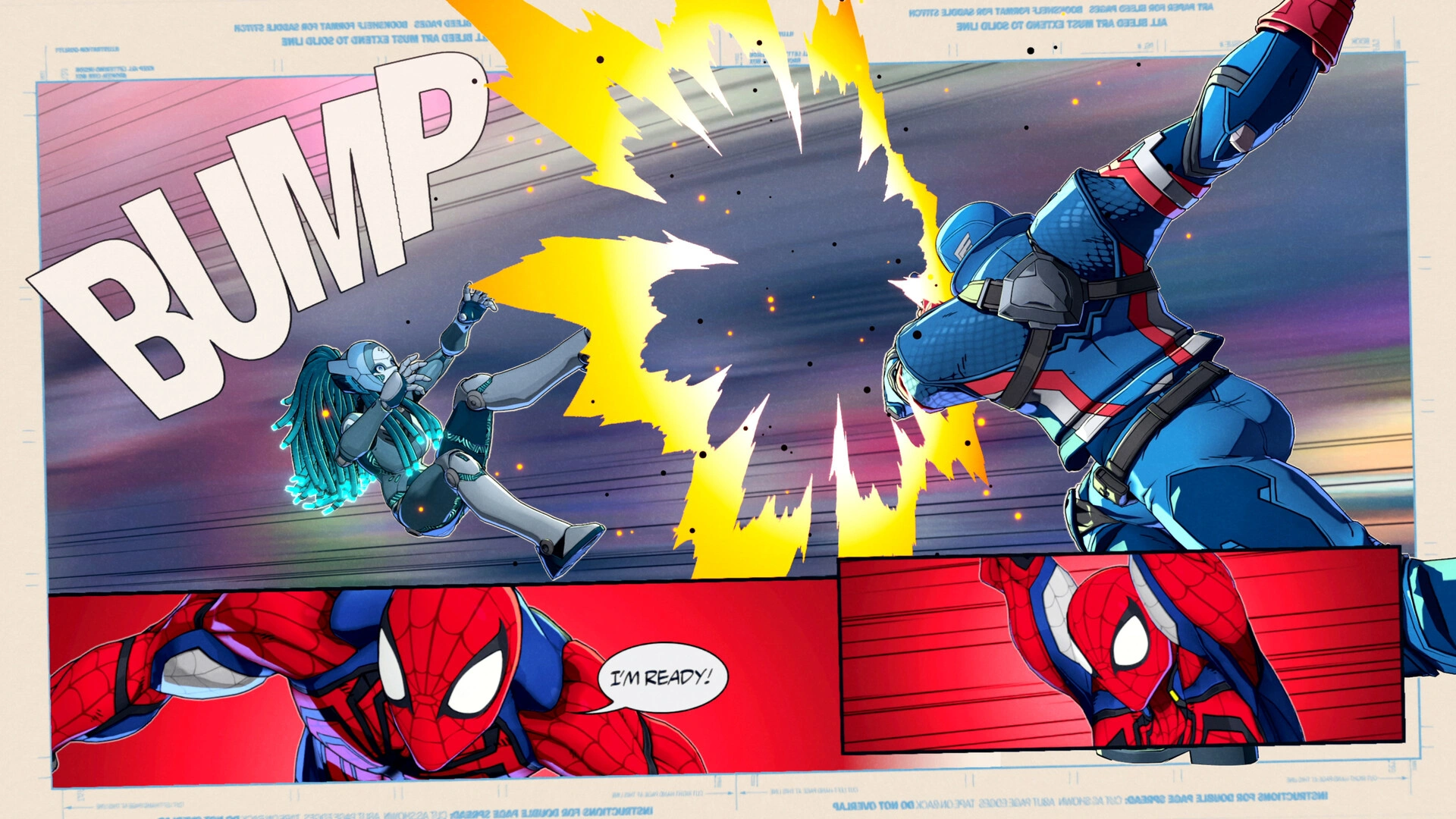
Menus continue that comic-book treatment through panel borders, animated pencil-like fills, and dotted textures. This is Arc System Works translating Marvel through its own visual grammar rather than tracing somebody else’s version of these characters.
There is a cost. Once Peni’s drones, Magneto’s debris, Magik’s fire, multiple assists, supers, and stage effects occupy the frame together, reading the fight can become difficult. The gradual character unlock system helps, yet the final round can still turn into visual soup. Spectacle wins. Your eyeballs occasionally lose.
Five Comics and a Hundred Fights
Fighting-game campaigns rarely inspire much confidence, which makes Tōkon’s Episode mode a pleasant surprise. Its five stories each follow one established team, including the Fighting Avengers, Unbreakable X-Men, Amazing Guardians, Samurai Outriders, and Knights of Doom.
The Champion provides the excuse. This otherworldly fighter invites Earth’s strongest combatants into a tournament, promising a wish to anyone capable of defeating him. The premise is familiar enough to have come pre-installed with the genre, but Kieron Gillen’s scripts use the individual teams to create distinct tensions inside it.
The Amazing Guardians story turns Peter Parker into a reluctant leader and mentor for Ms. Marvel while Peter Quill supplies exactly the amount of stability one expects from Peter Quill. The Unbreakable X-Men chapter takes Storm, Magik, and Wolverine back to the franchise’s old contradiction: protecting a society that still fears and despises mutants. Neither storyline gets enough room for deep thematic development, yet specific character conflicts give the fights a reason to happen beyond clearing the next opponent.
Presentation helps enormously. Each episode plays like a motion comic illustrated in a different style, with artists including Hiro Mashima and Betten Court offering their own interpretations of Marvel’s cast. Moving from one chapter to another can feel like opening a different collected volume rather than watching the same cinematic template repeat. The shared tournament setup does create repetition. Each team is approaching variations of the same central event, so later episodes can lose some surprise even when their character dynamics change.
Solo play extends beyond those chapters. All-Star Arena builds a 100-fight challenge around buffs, Soul Cards, and team development. Between battles, choices alter the Soul Deck and gradually turn the squad into something considerably stronger than the team that entered.
Arcadia Rumble is stranger. Small avatar versions of fighters run around a shared arena collecting stars, beating up other players, chasing temporary events, and gathering upgrades before those bonuses carry into conventional 4v4 matches. Up to eight players can participate, and the loose structure gives weaker players room to cause trouble before the serious fighting begins. Competitive purists may leave quickly. They still might throw somebody across the lobby first.
Learning Fast, Waiting Longer
The strongest argument for Tōkon’s accessibility appears outside an actual match. Playable lessons explain universal mechanics. Character guides establish what each fighter wants to accomplish. Training presets reduce the friction of recreating common situations. Searchable replays let players study matches, while Replay Takeover allows a recorded sequence to become an interactive problem: enter the moment yourself and see if another decision works.
The free-form combo challenges are even smarter. Instead of ordering players to memorize one approved string, they can require a certain move and a damage threshold. Spider-Man exercises might ask you to convert after his overhead, build damage without Assemble meter, or cash out when every resource is available.
That distinction is significant. Street Fighter has spent years improving its teaching tools, while many older tag fighters were content to hand newcomers a move list and wish them luck. Tōkon teaches a principle, then asks you to produce your own answer.
Online play has been less consistent. Reports across PC and PS5 experiences vary sharply. Some matches have suffered extreme latency and rollback stuttering. PC performance problems have caused encounters to run at dramatically reduced speed, with one machine’s frame-rate trouble seemingly affecting the other player’s experience. PS5 matches against other console players have proven far steadier in the supplied accounts, particularly with crossplay disabled.
A post-release PC patch appears to have reduced many of the worst problems. Matches that previously slowed to a crawl stopped appearing for at least one player after the update, though isolated performance trouble remained.
Matchmaking itself can also take longer than expected for a current fighter with an active audience. Fortunately, training mode remains available while searching, which means waiting for the next opponent can become another excuse to test the fourth assist, refine that Spider-Man conversion, or discover that the combo you thought was finished still had three hits hiding inside it.
Tōkon repeatedly turns that process into its greatest strength: learn one thing, use it, find the next problem, return to the lab. Marvel tag fighters once built their reputation around discovering how far players could push chaos. Arc System Works has built this one around teaching you how to reach it.
The Review
Marvel Tōkon: Fighting Souls
Marvel Tōkon: Fighting Souls succeeds because its 4v4 structure solves a problem tag fighters have wrestled with for years: how to offer team complexity without demanding immediate mastery of an entire roster. Shared health, gradually unlocked teammates, flexible assists, and excellent training tools make learning feel progressive rather than punishing. Arc System Works also gives Marvel a striking identity of its own, backed by distinct fighters and worthwhile solo modes. Visual clutter, slower matchmaking, and lingering online inconsistencies keep it from perfection.
PROS
- Excellent 4v4 combat structure
- Gradual, rewarding learning curve
- Distinctive character playstyles
- Exceptional training and replay tools
- Strong Marvel-meets-ArcSys presentation
CONS
- Fights can become visually cluttered
- Matchmaking can feel slow
- Online performance has been inconsistent
- Some veterans may miss greater tag freedom