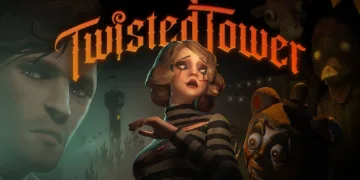
















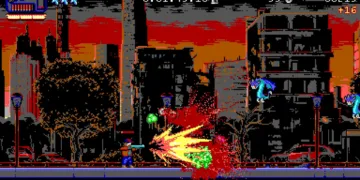



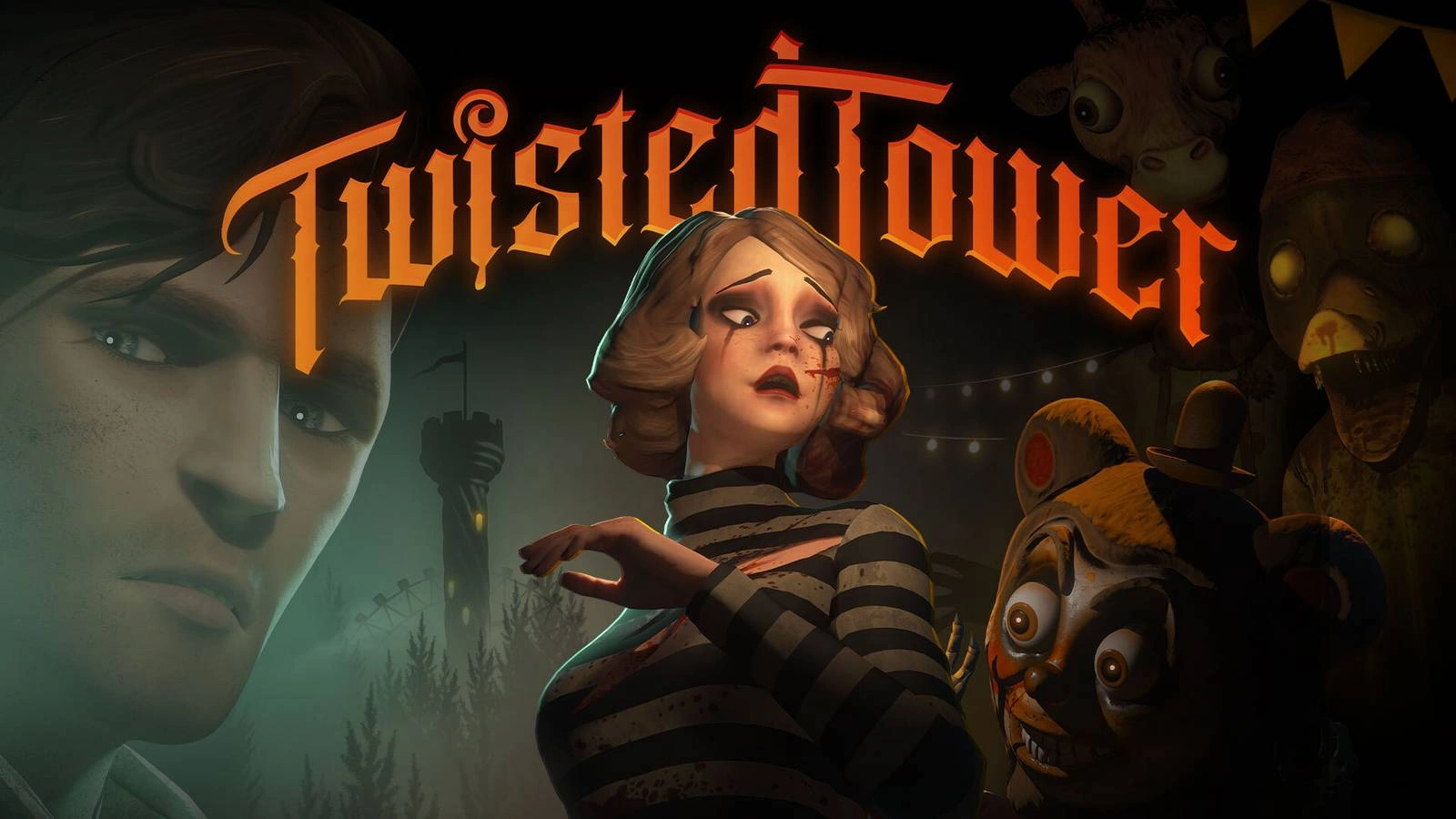

The quickest way to understand Twisted Tower is to swing its oversized carnival mallet into the head of a grinning mascot, watch the skull indicator confirm the kill, then loot enough prize tickets to improve a gun that fires marbles. Atmos Games knows exactly which era of first-person shooters it is chasing. The studio behind Pinstripe and Neversong has built a compact horror FPS around the structure of BioShock, then traded plasmids and immersive-sim systems for platforming, faster movement, and a warped amusement park full of toys designed to hurt people.
Vincent enters the park after his fiancée Charlotte disappears, with Mr. Twister waiting through television screens to guide, taunt, and manipulate him. The rescue setup sounds deliberately simple. Letters, recorded phone calls, hidden videos, and material tied to Vincent’s family gradually make it stranger.
That relationship with BioShock matters because Twisted Tower rarely hides the lineage. Period decoration, vending machines, audio storytelling, an isolated location, eccentric enemies, and a theatrical antagonist all sit comfortably within that family tree. What changes is the tempo. Vincent spends far less time pondering systemic possibilities and far more time smashing crates, hunting tickets, jumping between platforms, and shooting mascots before they surround him.
The Funhouse Arsenal
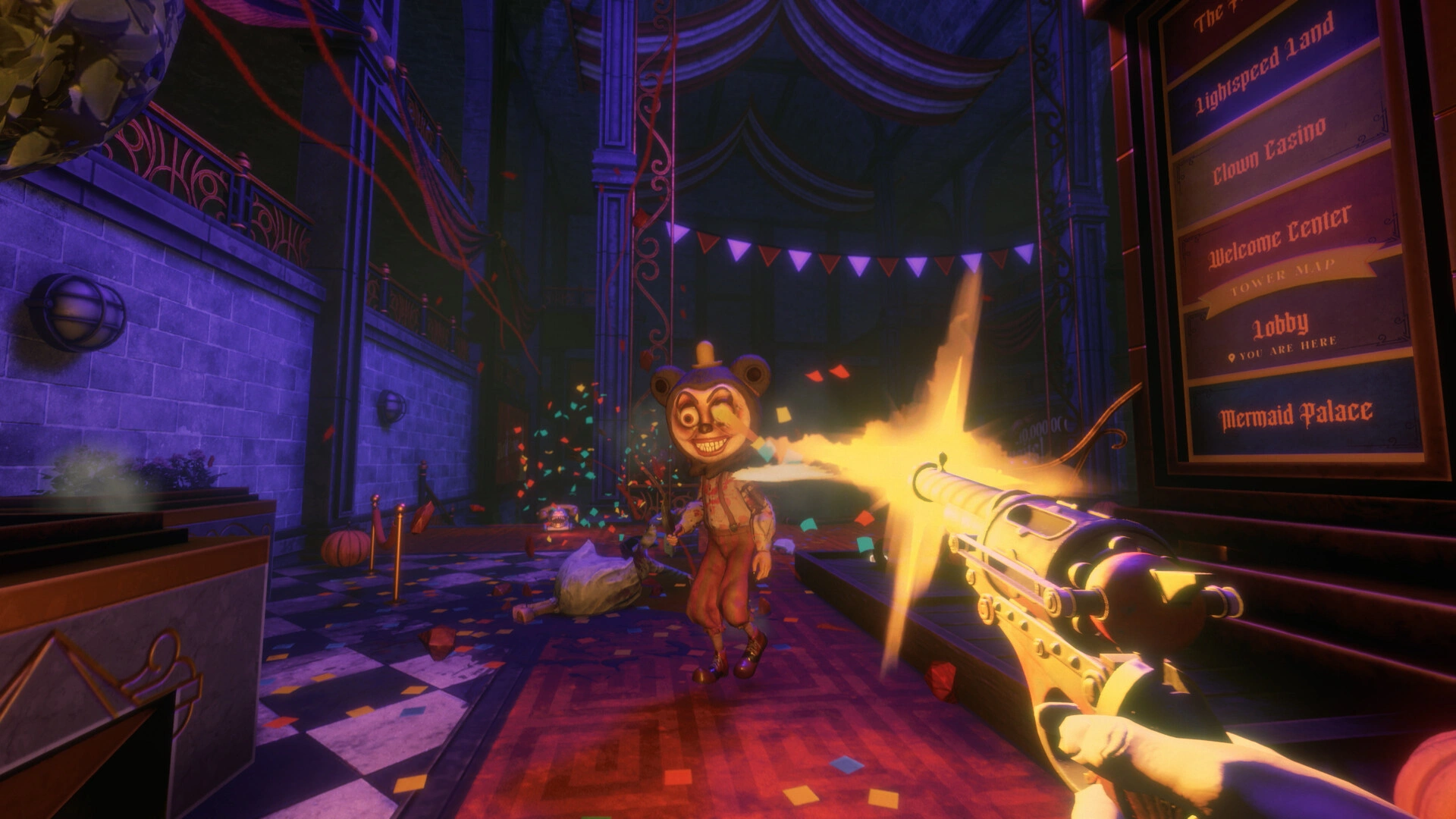
Its weapons are where imitation starts turning into personality. Vincent begins with the mallet and soon acquires stranger tools: a rubber-band pistol, a marble-loaded magnum, the gumball-firing Bubble Gun, and the proudly juvenile Shartgun. The names could have been throwaway jokes, yet each weapon occupies a useful role. The marble magnum hits with satisfying force, while faster weapons become valuable once groups begin pressing from several directions.
Prize tickets tie combat to exploration. Breaking objects, searching side rooms, and clearing enemies provides currency for vending-machine upgrades covering damage, reload speed, capacity, and special functions. Ammo is available without becoming so abundant that one gun solves every encounter. That pushes regular weapon swapping, particularly during crowded fights.
The movement kit also grows across the campaign. Air dashes, enhanced bouncing, grappling options, and double-jump-style mobility make later areas quicker to cross and open routes that earlier versions of Vincent could not reach. It has the familiar progression logic of a Metroid-style adventure grafted onto an old-school shooter.
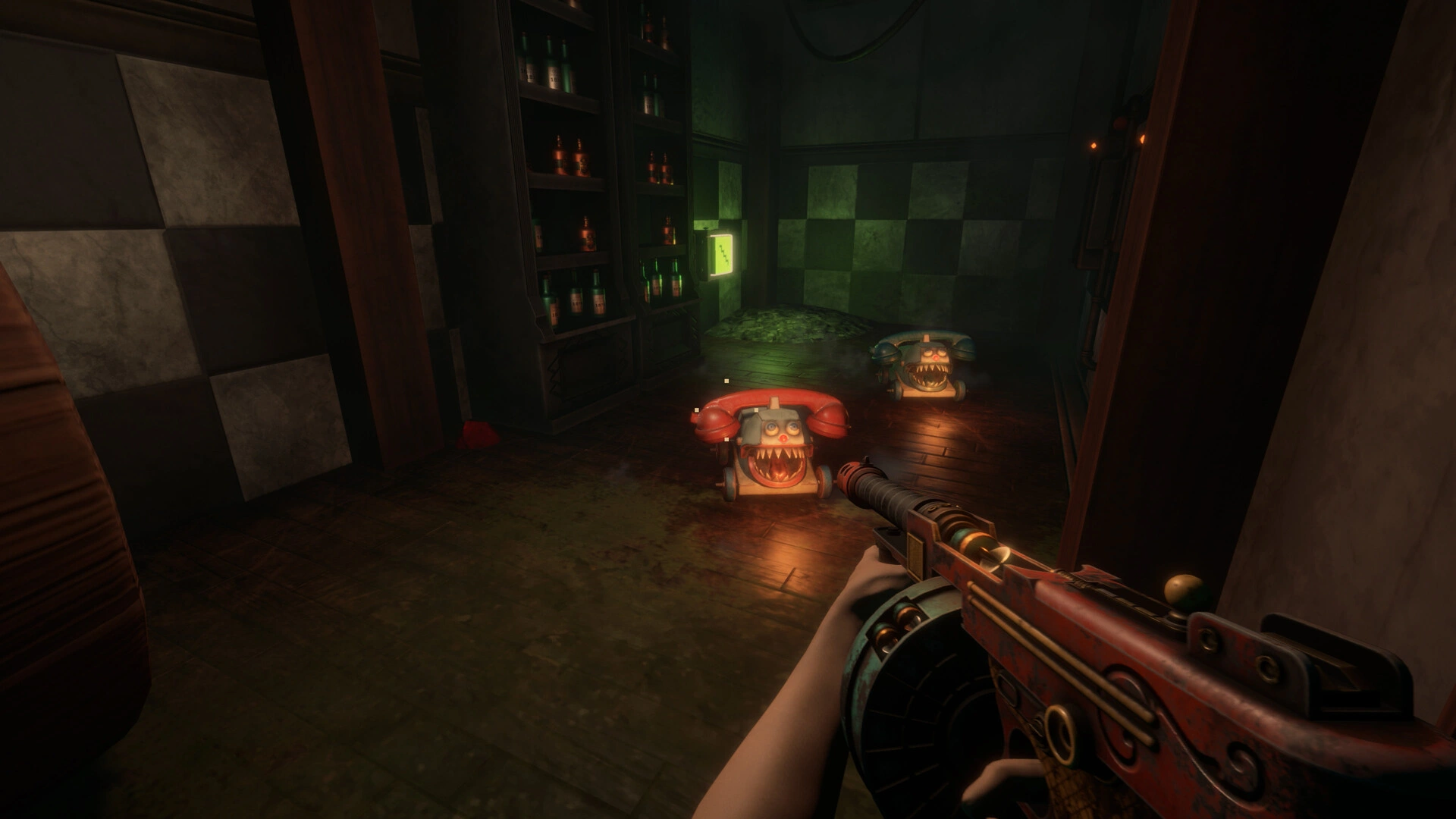
Some older habits return less gracefully. Enemies can simply appear during arena encounters instead of entering through convincing spaces, so backing into a corner can be safer than using the movement systems the game has spent hours teaching. Teleporting attackers and ambushing toy telephones can deliver cheap hits, while healing on the default controller layout is awkward during frantic exchanges. The lack of a defensive ability comparable to BioShock’s broader toolset becomes noticeable when several enemy types overlap.
Every Floor Has a Gimmick
The tower itself does much of the work that Rapture once did for BioShock. Its personality comes from spaces that look designed for entertainment first and survival second. One floor resembles a warped theme-park hotel, filled with circus decoration and twisting corridors. Another shifts into an ornate waterpark, where elegant slides and pools share space with corpses.
The casino adds slot machines and clown imagery, while the forest and retro space attraction push the park into different visual identities without abandoning the cheap-showmanship aesthetic. Everything looks constructed, painted, wired, and slightly fraudulent, which suits a place governed by Mr. Twister.
Enemy design follows the same rule. Armed giraffe mascots, murderous mouse figures, animated telephones, teddy bears, clowns, flamethrowing sea creatures, and heavier hybrid monsters look like attractions that have forgotten their intended audience.
The secret areas give players a reason to study those environments. Hidden routes can lead to tickets, ammunition, health, upgrades, and collectibles, while room-rotation sequences that flip spaces upside down create some of the game’s cleverest navigation puzzles. A few secrets barely qualify, sitting beside the primary path with little obstruction. The better ones make the player read the architecture.
The worldbuilding is strongest when the park provides information Vincent never states himself. Weapon advertisements sit on walls, Mr. Twister’s films receive promotional material and reviews, and personal recordings expose pieces of Vincent’s life. The missing perspective is the park’s. More material from former visitors, employees, or the origins of its creatures could have made these attractions feel like places with histories rather than elaborate stages waiting for Vincent.
Familiar DNA, Strange New Attractions
The story gradually earns the attention that the combat initially demands. Mr. Twister’s broadcasts keep him physically distant while giving Joe Rawlinson Hunt room to play the villain as a performer who cannot stop performing. Andrew Latheron’s Vincent is quieter and less assured, which helps sell the imbalance between them. Alaina Vis gives Charlotte enough presence through her appearances that the rescue does not exist purely as an objective marker.
Collectibles become important because later revelations ask the player to reconsider what those earlier letters, recordings, and videos were actually describing. The technique comes directly from the narrative school BioShock helped popularize, where a discarded recording can acquire new meaning once the player understands the location differently. Twisted Tower uses that structure on Vincent rather than building a dense political history around the park.
Its five-to-eight-hour length keeps the idea from wearing thin. Adventure Plus then changes the relationship with earlier encounters by giving the player quicker access to weapons and upgrades while unlocking previously restricted areas. Battles that could feel cautious during the first run become closer to arena-shooter encounters once Vincent arrives prepared.
That second run may be the clearest sign of what Atmos Games has accomplished. Twisted Tower begins by inviting comparison with BioShock. Returning with a full arsenal, air mobility, secret routes still to uncover, and a marble magnum already in hand, it starts sounding much more like itself.
The Review
Twisted Tower
Twisted Tower knows exactly which parts of the old single-player FPS deserve resurrecting. Its vending-machine upgrades, environmental clues, eccentric arsenal, and isolated setting carry obvious BioShock DNA, while the faster movement, carnival weapons, and secret hunting give Atmos Games room to establish its own personality. Enemy spawning and checkpoints occasionally expose the age of the design philosophy it celebrates, and the park could tell richer stories beyond Vincent. Still, smashing mascots with a mallet before graduating to marble revolvers and gumball guns rarely loses its charm. Adventure Plus makes returning surprisingly tempting.
PROS
- Excellent carnival-themed arsenal
- Fast, satisfying FPS combat
- Strong environmental design
- Rewarding secret hunting
- Effective Adventure Plus mode
CONS
- Occasionally awkward enemy spawning
- Punishing checkpoint placement
- Some weakly hidden secret areas
- Limited defensive options