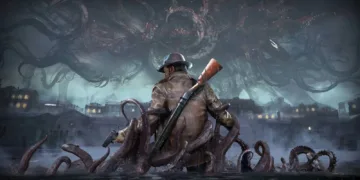
















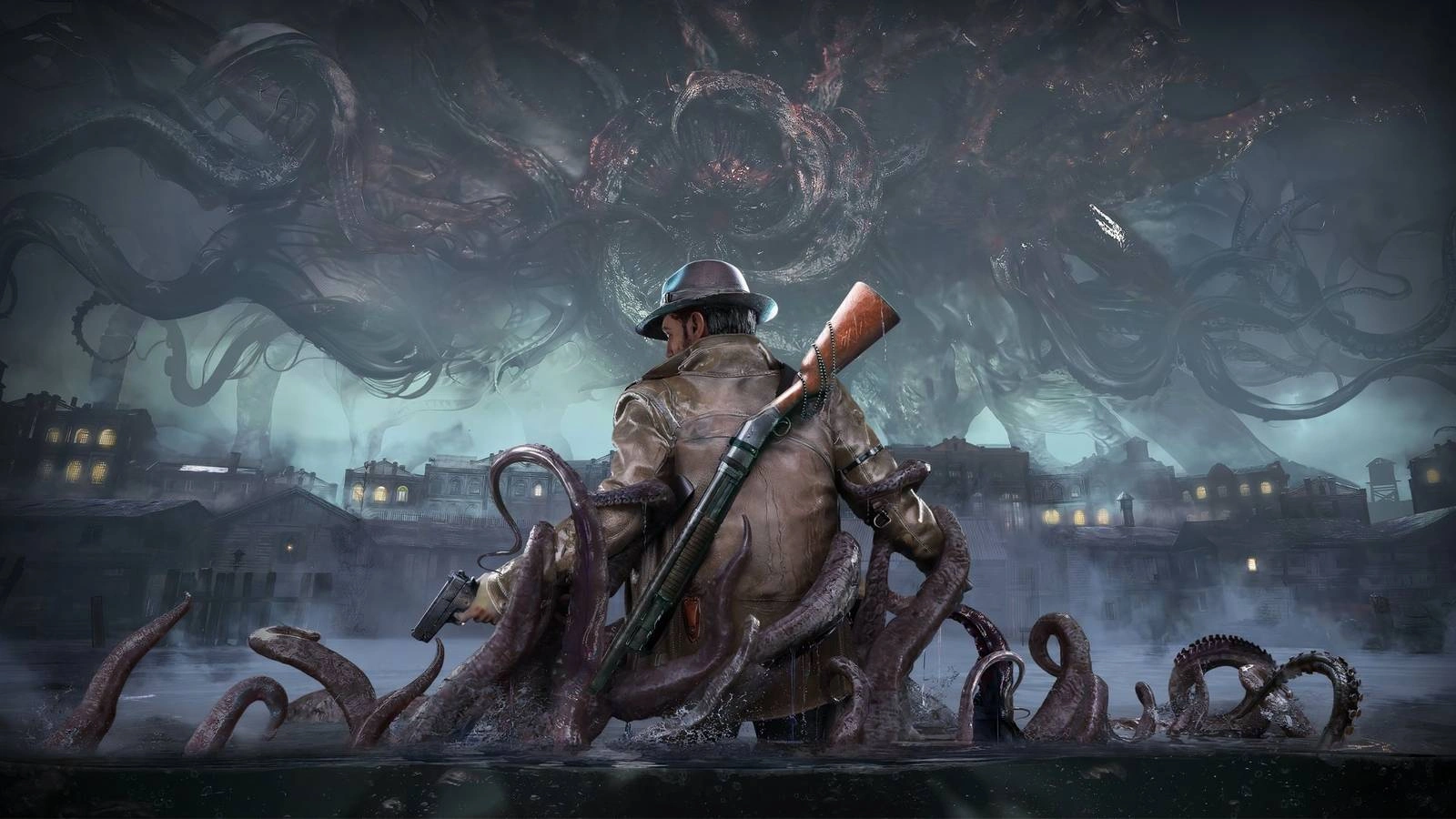

Survival horror gives Frogwares a useful problem: every bullet, inventory slot, locked door, and safe room has to justify itself. That pressure suits The Sinking City 2 far better than the loose open-world structure of its 2019 predecessor.
The first game asked players to investigate a flooded city while tolerating awkward combat and repeated exploration patterns. Its sequel cuts deeply into that design, replacing detective freedom with a focused campaign built around scarce ammunition, interconnected interiors, and creatures that occasionally refuse to stay dead.
The shift carries unusual weight for a Ukrainian studio developing during Russia’s invasion. Frogwares spent roughly 43 months making the game while employees faced conscription, displacement, damaged homes, injuries, remote work, and infrastructure outages.
Yet the game itself does not need that history to excuse its rough edges. Its systems make a persuasive case on their own. This is also an accessible entry point. Arkham replaces Oakmont, and Calvin Rafferty replaces Charles Reed. Previous events survive largely through references rather than required knowledge.
Something Is Moving in the Bodies
Calvin arrives in a flooded 1929 Arkham with one immediate objective: wake his partner, Faye Bennett, from a supernatural coma connected to the Dreamlands. That romantic motivation is simple enough to keep the plot readable once Lovecraftian mythology starts crowding the room.
Arkham does much of the storytelling between conversations. Abandoned apartments contain letters from residents trying to escape. Other documents describe people interpreting the flood as spiritual deliverance. Barricaded streets and empty buildings suggest an evacuation already nearing completion. Frogwares is strongest when those details become part of exploration rather than information delivered directly to Calvin.
The Slithers are the clearest example of narrative design becoming a mechanical problem. These worm-like parasites occupy human corpses and animate them as Pawns. Shooting a Pawn is only the first step. Once the host drops, a Slither can crawl free and seek another body, turning what looked like a finished encounter into another resource drain.
That changes how you read a room. Corpses are potential enemies, downed enemies are unfinished work, and stomping a parasite can matter as much as landing a clean headshot. Weak points provide another wrinkle, with swollen growths taking heavier damage and leg shots offering temporary control when several creatures close in. Arkham’s horror works because the infection behaves like a system rather than scenery.
Resident Evil, With a Mind Palace
The lineage is obvious. The Sinking City 2 borrows heavily from modern Resident Evil: third-person aiming, small inventories, ammunition scarcity, key items, crafting materials, safe rooms, storage chests, weapon upgrades, and interiors built around locked paths that gradually loop back into themselves.
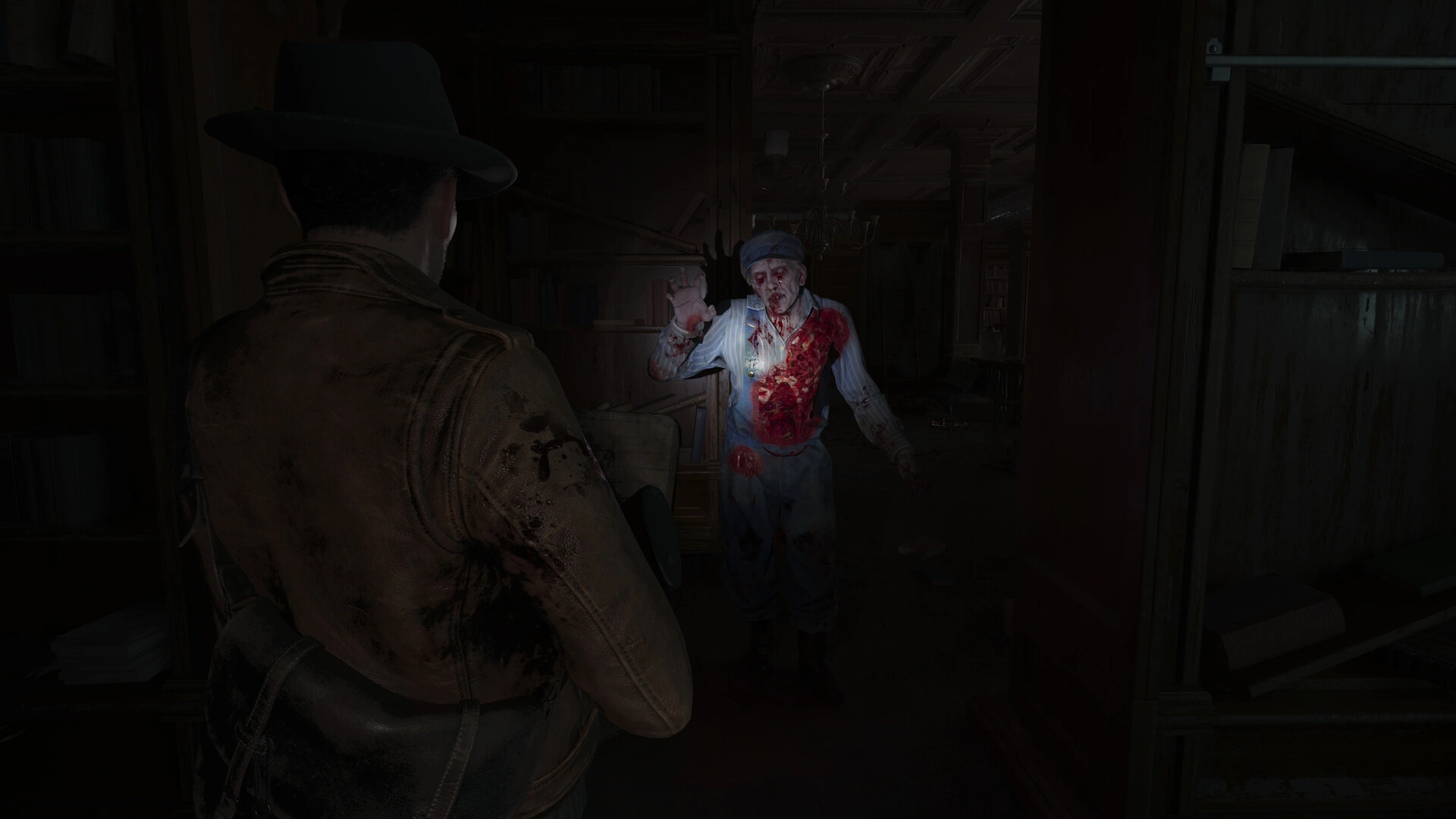
The hospital demonstrates why that structure works. Each newly acquired object opens another floor, corridor, or shortcut, while limited supplies make revisiting dangerous spaces a decision rather than routine cleanup. Calvin’s dodge helps against charging enemies, and following a sidestep with a melee strike can save ammunition. Sometimes the correct answer is still to run.
Inventory management creates similar pressure, though with less elegance. Calvin begins with little room for weapons, ammunition, herbs, scrap, quest objects, and crafting ingredients. Finding expansions rewards careful exploration, but crafting materials frequently feel like administrative clutter. Leaving a gun in storage to create space, then discovering ammunition for that exact weapon, produces frustration without creating an interesting tactical choice.
The investigative systems have suffered a larger reduction. Notes are divided between background material and usable clues, and Calvin can connect related evidence through the Mind Palace. Completing these groups provides resources for Talents that improve attributes such as health, melee damage, or crafting efficiency. It is a functional progression loop. It is a thin detective game.
That distinction matters because the first Sinking City built much of its personality around deduction. Here, investigations largely lead toward puzzle solutions and upgrades. Players can even adjust investigation difficulty separately, making clue relationships easier to identify. Frogwares has retained the vocabulary of its previous work while changing what those systems accomplish.
A Smaller City With Better Teeth
The move toward linearity improves individual locations while making Arkham itself feel strangely restricted. Boat sequences preserve the image of traveling through flooded streets, yet they mainly connect one major area to another. There are few meaningful diversions, and once the campaign leaves an area behind, missed side content cannot always be cleaned up later.
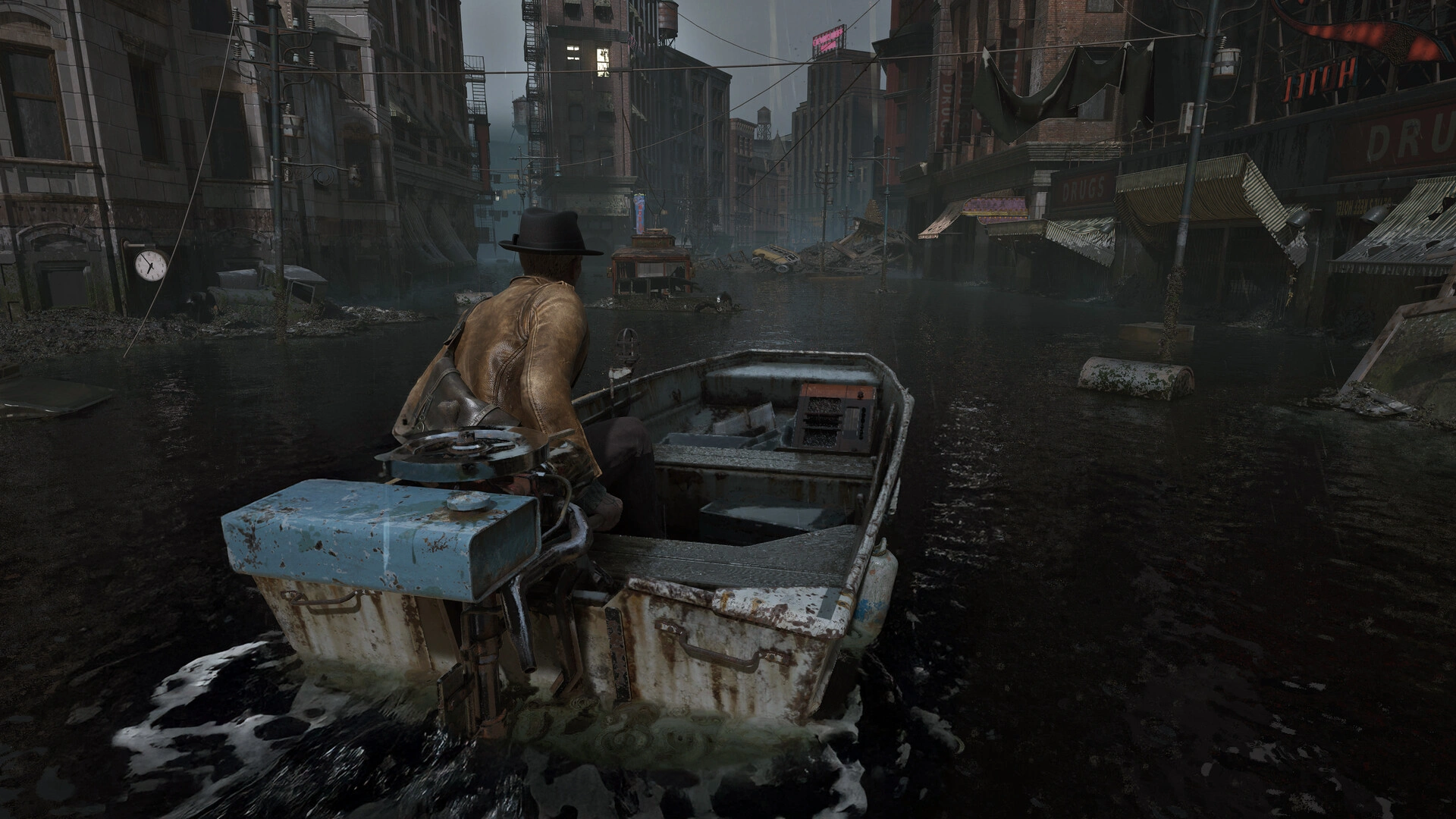
That makes the game’s roughly 12-to-15-hour length feel carefully controlled until the closing stretch. The Dreamlands receive less space than their narrative importance suggests, and the final sequence arrives before several ideas have had enough room to develop.
Visually, Frogwares spends its resources where they matter. Character animation can look stiff, and Calvin himself has a fairly plain design, but monster models, diseased interiors, rain-soaked architecture, and surreal late-game environments carry far greater personality. On PS5, Performance mode targeting 60fps is the sensible choice; the higher-fidelity presentation trades responsiveness for a 30fps target, while some playthroughs have also encountered brief freezes.
Replay systems fit the tighter campaign particularly well. Ex Oblivione New Game+ adds a harder repeat run, while Eldritch Feats reward goals such as fast completion and specific combat accomplishments. Talents, weapon upgrades, collectibles, and multiple combat and investigation settings give players reasons to approach the same routes differently.
The curious part is what Frogwares had to remove to reach this point. The Sinking City 2 resembles its genre peers far more closely than its predecessor ever did, yet shooting a Pawn, watching the Slither spill out, realizing another corpse is nearby, and deciding whether your final shells are worth spending gives it a mechanical identity of its own. The detective has mostly disappeared. The survivor left behind is considerably harder to kill.
The Review
The Sinking City 2
The Sinking City 2 trades investigative ambition for a survival-horror loop that works with far greater precision. Targeting a Pawn’s weak points, crushing the Slither before it reaches another corpse, and deciding when scarce ammunition is worth spending give combat genuine pressure. Arkham’s locked interiors and grotesque environmental storytelling fit that structure beautifully. The Mind Palace has been reduced to a progression tool, and the rushed final stretch leaves parts of Arkham and the Dreamlands frustratingly untouched. Frogwares has lost some identity here, yet gained a much stronger game.
PROS
- Excellent resource-pressure combat
- Smart Slither revival mechanic
- Strong interconnected level design
- Oppressive Arkham atmosphere
- Rewarding optional investigations
CONS
- Detective systems heavily reduced
- Restrictive inventory management
- Limited enemy variety
- Arkham exploration feels constrained
- Finale arrives too quickly