

























![Kingdom Hearts Collection [I-III] Review](https://gazettely.com/wp-content/uploads/2026/10/Kingdom-Hearts-Collection-I-III-1-360x180.webp "Kingdom Hearts Collection [I-III] Review: KHII Holds Steady as Newer Entries Fluctuate 37")



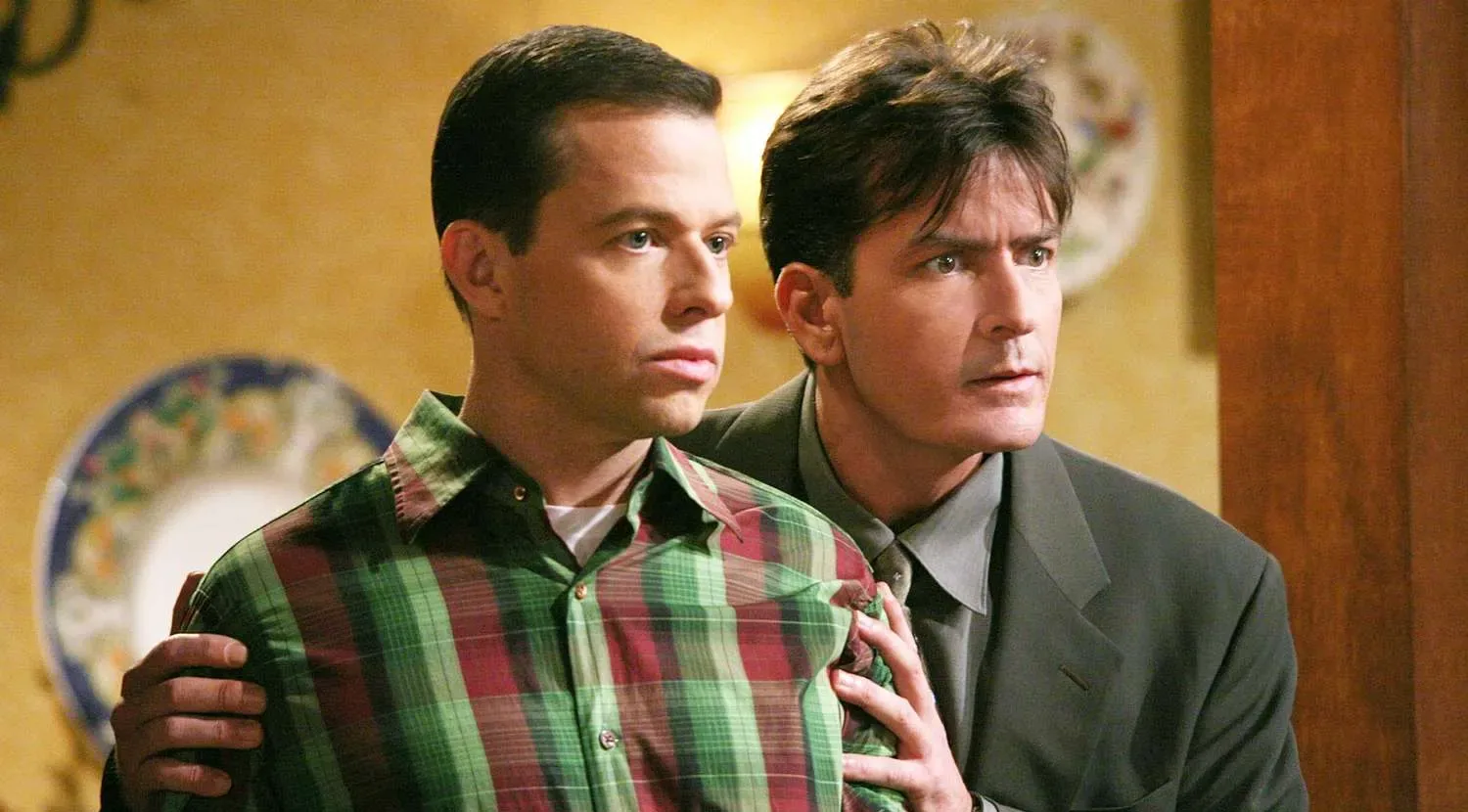

Jon Cryer says he was paid “a third” of Charlie Sheen’s salary during their run on Two and a Half Men, a claim he makes in the new Netflix documentary centered on Sheen’s career. Cryer frames the gap as a product of leverage: as Sheen’s behavior became a public story, executives prioritized keeping the star in place, even as the ensemble shouldered the day-to-day work of a long-running hit.
Contemporary reporting helps anchor the math. At the show’s peak, Sheen earned around $1.8–$2 million per episode, placing him at the top of television paychecks in 2010–11. After Sheen’s exit, Cryer’s pay reached about $620,000 per episode by 2013, a figure that tracks with his “one-third” description in the documentary.
The remarks arrive amid a fresh wave of attention on Sheen, who has been promoting a memoir and the documentary while discussing his recovery. Sheen has said he’s been sober since late 2017 and has acknowledged the toll his actions took on colleagues and family, offering public regret while revisiting the period that overshadowed Two and a Half Men’s creative and commercial success.
The show itself became a case study in how salary, ratings and risk collide. Production halted in early 2011, Sheen was dismissed that March, and Ashton Kutcher stepped in as the new lead; the series ran four more seasons and concluded in 2015. The pay dynamics described by Cryer fit a broader pattern in which breakout leads command premiums that can dwarf ensemble counterparts, especially on mega-syndication comedies. As the documentary circulates, the renewed focus on numbers serves less as a scorecard than as a window into the business forces that shape long-running network shows.







