










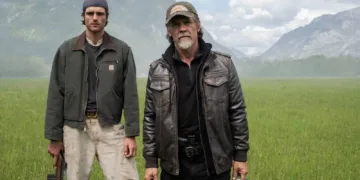




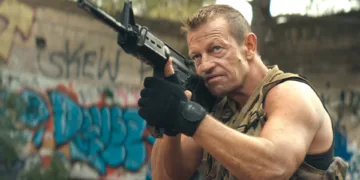









Action cinema often functions as a modern folklore, crafting national myths through the universal language of spectacle. In this tradition, a film can use explosive set pieces to articulate a country’s unspoken history and psychological landscape. Sisu: Road to Revenge is a potent example, a Finnish folk tale painted in blood and gasoline. It presents its protagonist, Aatami Korpi, not merely as an action hero but as an embodiment of a national spirit forged in the crucible of war.
The film’s central image—a man physically carrying the pieces of his destroyed home across a hostile border—is a powerful, almost primal metaphor. It transforms a personal quest for vengeance into a statement on historical trauma, resilience, and the sheer, stubborn refusal of a people and their culture to be erased. This is a story that speaks through cinematic violence, where every artful kill serves a deeper, more resonant purpose.
A Linear Path Through a Circle of Hell
The film’s narrative is a masterclass in brutalist simplicity, stripping its story to the bare essentials of survival and revenge. Aatami’s mission is singular and symbolic: transport the remnants of his former life to a new beginning on sovereign soil. This deeply personal stake elevates the film beyond a simple treasure hunt.
The introduction of Igor Draganov, the very Red Army commander responsible for Aatami’s loss, establishes an intensely focused conflict. Draganov is released from a Siberian prison to hunt down the “Immortal” legend he created, providing a clear and odious antagonist. The resulting structure is a relentless cross-country pursuit, a kinetic chase that feels like a modern iteration of a classic Western or a Kurosawa samurai epic.
Like those genres, it uses a simple journey as a framework for exploring complex ideas. The near-total lack of dialogue is a daring choice that forces the visual storytelling to carry the entire narrative and thematic load, a task it handles with visceral confidence. The progression of threats, from foot soldiers to armored motorcyclists to fighter planes, gives the film a game-like structure, pulling the audience along a linear path of escalating challenges.
Myth Embodied, Malice Personified
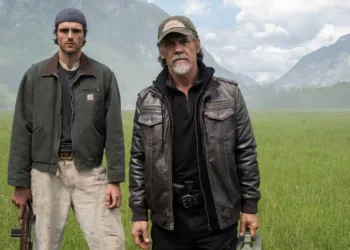
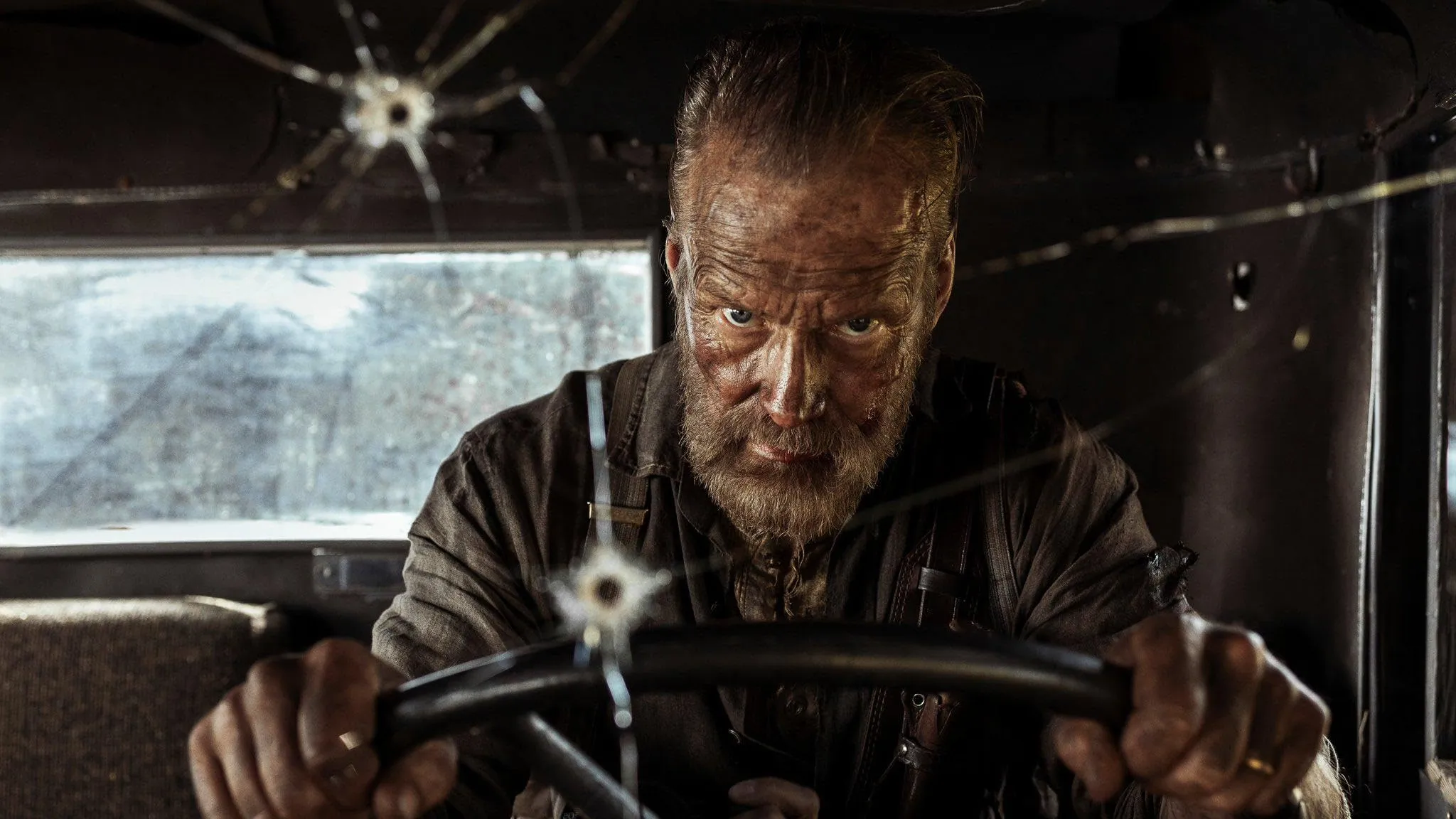
Jorma Tommila’s performance as Aatami Korpi is a towering achievement in physical acting, recalling the stoic grace of silent film stars like Buster Keaton. He conveys a lifetime of pain, exhaustion, and unbreakable resolve through his posture and the look in his eyes. He is a man hardened by trauma, an embodiment of the Finnish concept of sisu.
Also Read







Yet, the film masterfully explores the man behind the myth. He is a broken soul whose near-invincibility stems from having nothing left to lose. His protective bond with his dog, Ukko, is more than a sentimental detail; it is a crucial anchor to his humanity, a fragile reminder of his capacity for love in a world that has taken everything from him.
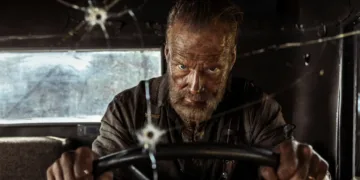
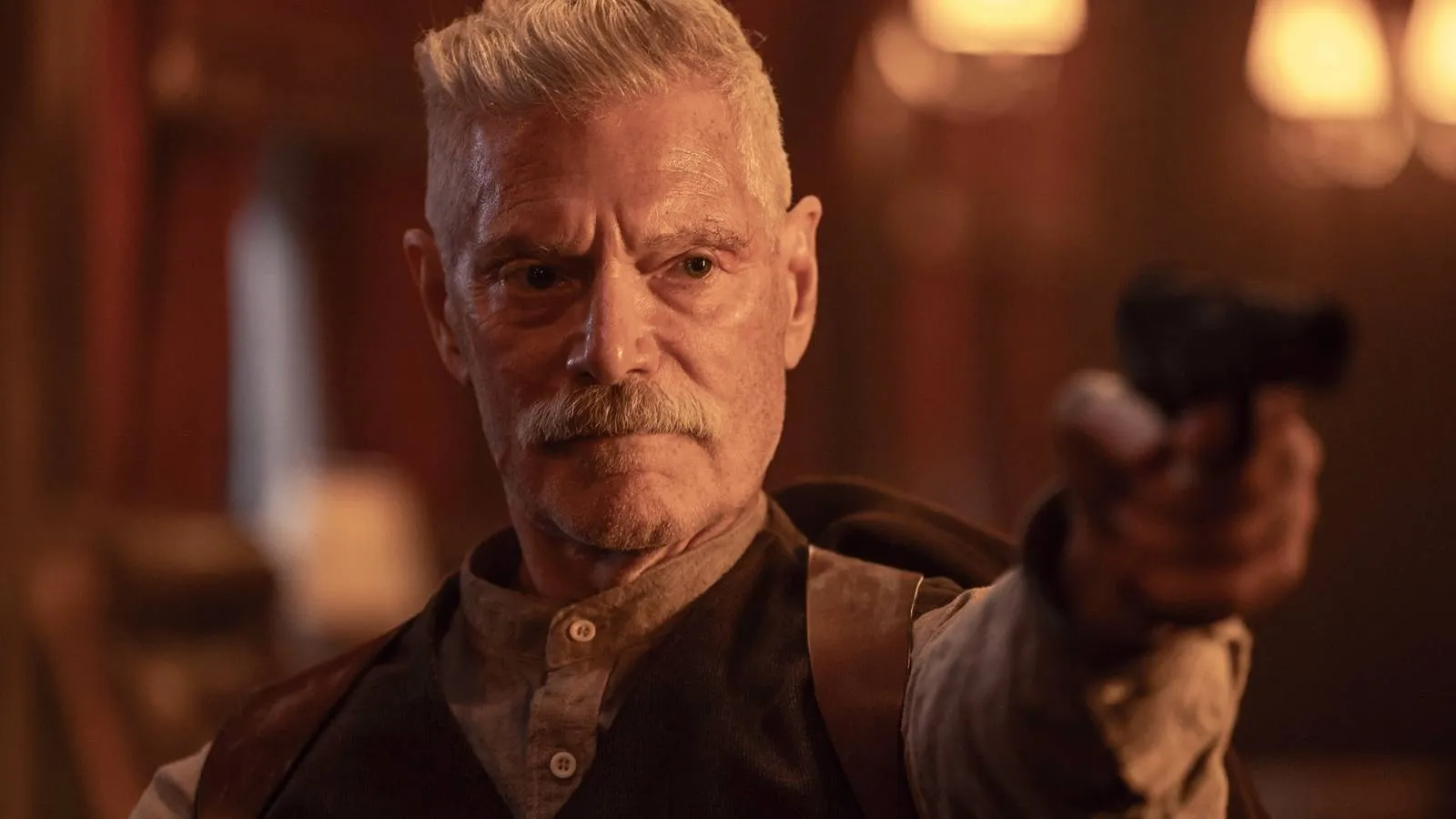
His resourceful brutality, turning mundane objects like wooden planks into deadly weapons, reinforces his deep connection to his homeland. Stephen Lang’s Igor Draganov functions as a perfect narrative foil. He is a cold, cruel monster, the personification of the imperial forces that destroyed Aatami’s world.
His straightforward villainy creates an effective good-versus-evil dynamic. In a story about the grim realities of post-war retribution, his unambiguous evil clarifies the moral stakes, positioning him as a monster who must be stopped without hesitation or remorse.
The Grammar of Hyper-Violence
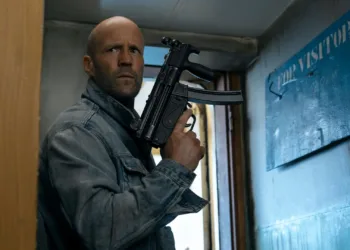
Director Jalmari Helander intentionally amplifies the action to a level of glorious absurdity, graduating from gritty skirmishes to massive, over-the-top set pieces. The spectacle is relentless and inventive. A frantic chase with armored motorcyclists feels like a medieval joust reimagined with engines and steel plating.
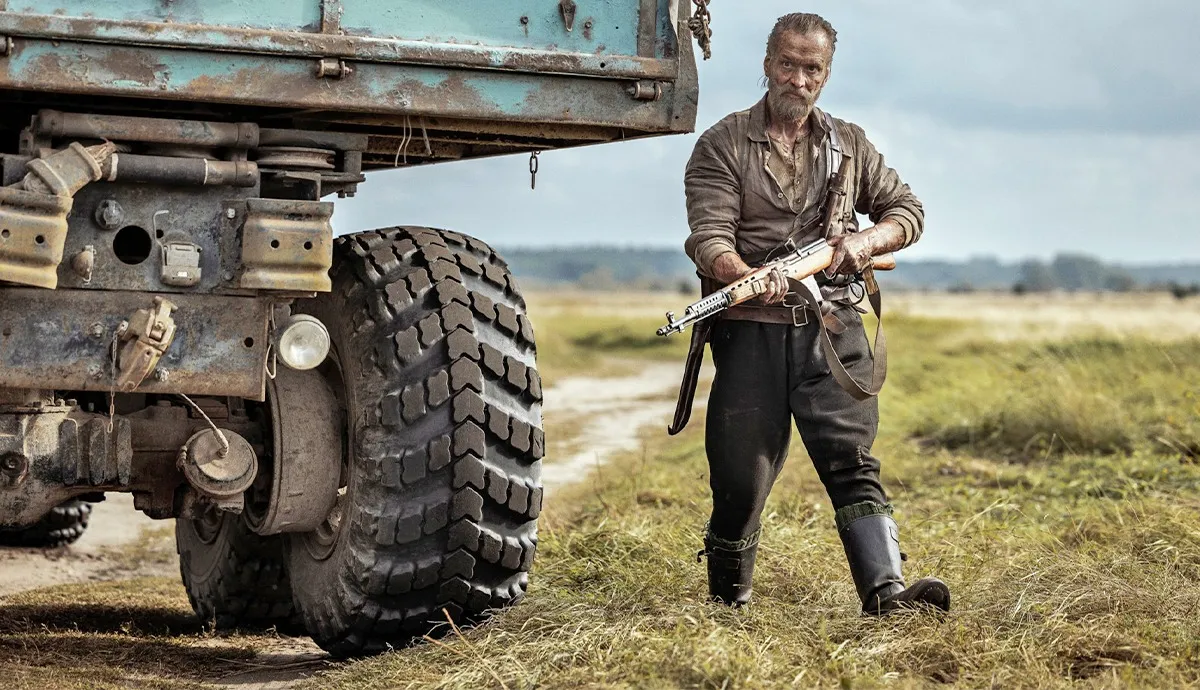
Aatami’s one-man war against fighter planes defies logic in favor of pure cinematic awe, while a jaw-dropping confrontation involving a flipped tank pushes the boundaries of action choreography. Helander’s confident style embraces this excess, pushing the film into the realm of a live-action cartoon where the laws of physics are secondary to the law of cool.
This blend of shocking violence with moments of dark, physical comedy creates a unique tone, a kind of gallows humor that feels distinctly Nordic. The cinematography is a vital collaborator, capturing both the desolate beauty of the Finnish landscape and the delirious, blood-soaked mayhem. The vast, empty spaces are not just a backdrop; they are an active participant, a silent witness to the carnage and a symbol of what Aatami is fighting for.
Rebuilding a Soul, One Plank at a Time
Beneath the layers of stylized carnage, the film explores profound themes. Aatami physically carrying his house is a powerful metaphor for the displacement and resilience of the Finnish people, particularly after ceding territory to the Soviet Union. His journey is a symbolic act of reclaiming identity and refusing to abandon the past, even when it is unbearably heavy.
The extreme action serves as a form of catharsis. Aatami is not just seeking revenge; his rampage is a physical manifestation of his grief, a violent processing of trauma that words could never express. He is a figure of profound PTSD, whose hyper-violence is a survival mechanism learned in a brutal world.
The film’s relentless forward momentum mirrors the psychological state of a survivor who cannot stop moving for fear of being consumed by memory. His fight is not just against the Red Army, but against the crushing weight of his own history, seeking to build a future from the splintered fragments of his past.
A Finnish Epic in a Universal Language
This film succeeds by taking the core elements of its predecessor and expanding upon them in a logical and exciting way, feeling bigger without becoming bloated. It is a masterclass in straightforward, unapologetic action filmmaking that knows exactly what its audience wants.
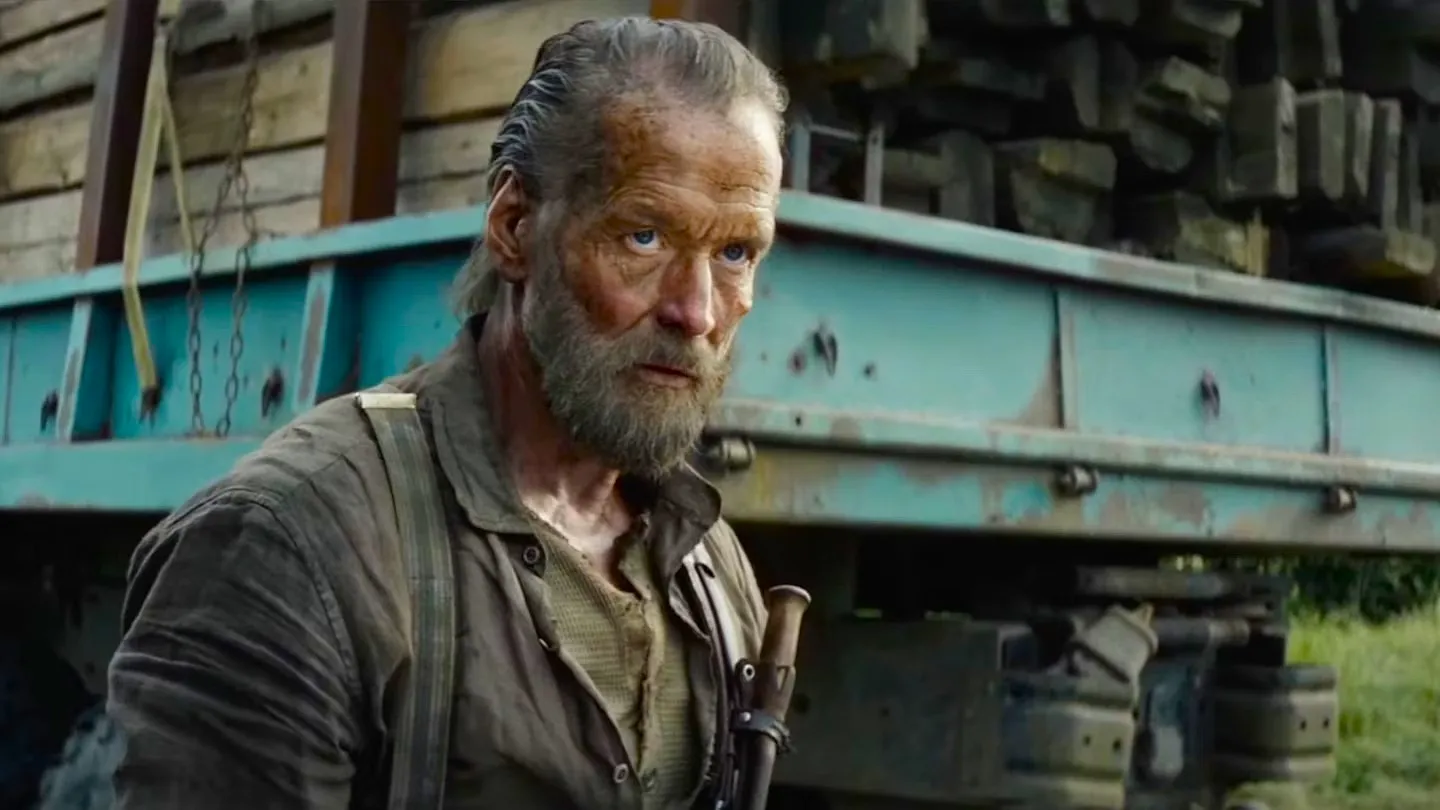
It delivers creative kills and spectacular stunts with immense technical skill and a surprising amount of heart. Sisu: Road to Revenge is a ridiculously entertaining and unexpectedly moving piece of cinema. It is a powerful example of how regional history can be translated into the universal grammar of action, creating a story that is both culturally specific and globally resonant.
It proves that even the most outrageously violent stories can carry a powerful emotional weight, leaving the audience breathless from the spectacle and moved by the silent determination of one man carrying the weight of his world on his back.
Sisu: Road to Revenge is an action film that serves as a sequel to the 2022 film Sisu. The film is scheduled to premiere at Fantastic Fest on September 21, 2025, and will be released in the United States on November 21, 2025, by Screen Gems through Sony Pictures Releasing. The movie’s main character, Aatami Korpi, returns to rebuild his family’s house after it was destroyed during the war. He must face a Red Army commander who is determined to finish the job. The movie is known for its intense action sequences.
Full Credits
Director: Jalmari Helander
Writers: Jalmari Helander
Producers: Mike Goodridge, Petri Jokiranta
Executive Producers: Gregory Ouanhon, Antonio Salas, Slash
Cast: Jorma Tommila, Stephen Lang, Richard Brake, Einar Haraldsson, Jaakko Hutchings, Ergo Küppas, Anton Klink
Director of Photography (Cinematographer): Mika Orasmaa
Composers: Juri Seppä, Tuomas Wäinölä
The Review
Sisu: Road to Revenge
This film is a masterful escalation of its predecessor, blending ludicrously inventive action with a potent, allegorical story of grief and resilience. It is a stunning piece of physical filmmaking, driven by a powerful silent performance and spectacular, wince-inducing set pieces. A ridiculously entertaining and unexpectedly profound cinematic experience.
PROS
- Spectacular and creative action sequences that are expertly choreographed.
- A powerful and emotionally resonant lead performance from Jorma Tommila, conveyed without dialogue.
- Surprising thematic depth, exploring grief, trauma, and national identity.
- Stunning cinematography that captures both the beauty of the landscape and the brutality of the violence.
- An effective, straightforward narrative that allows the action and visuals to tell the story.
CONS
- The extreme and graphic violence may be off-putting for some viewers.
- Its narrative simplicity, while effective, may feel thin to those desiring a more complex plot.
- The villain is intentionally one-dimensional, serving more as a force of nature than a complex character.
- An embrace of cartoonish physics that could alienate viewers who prefer more grounded action.