

















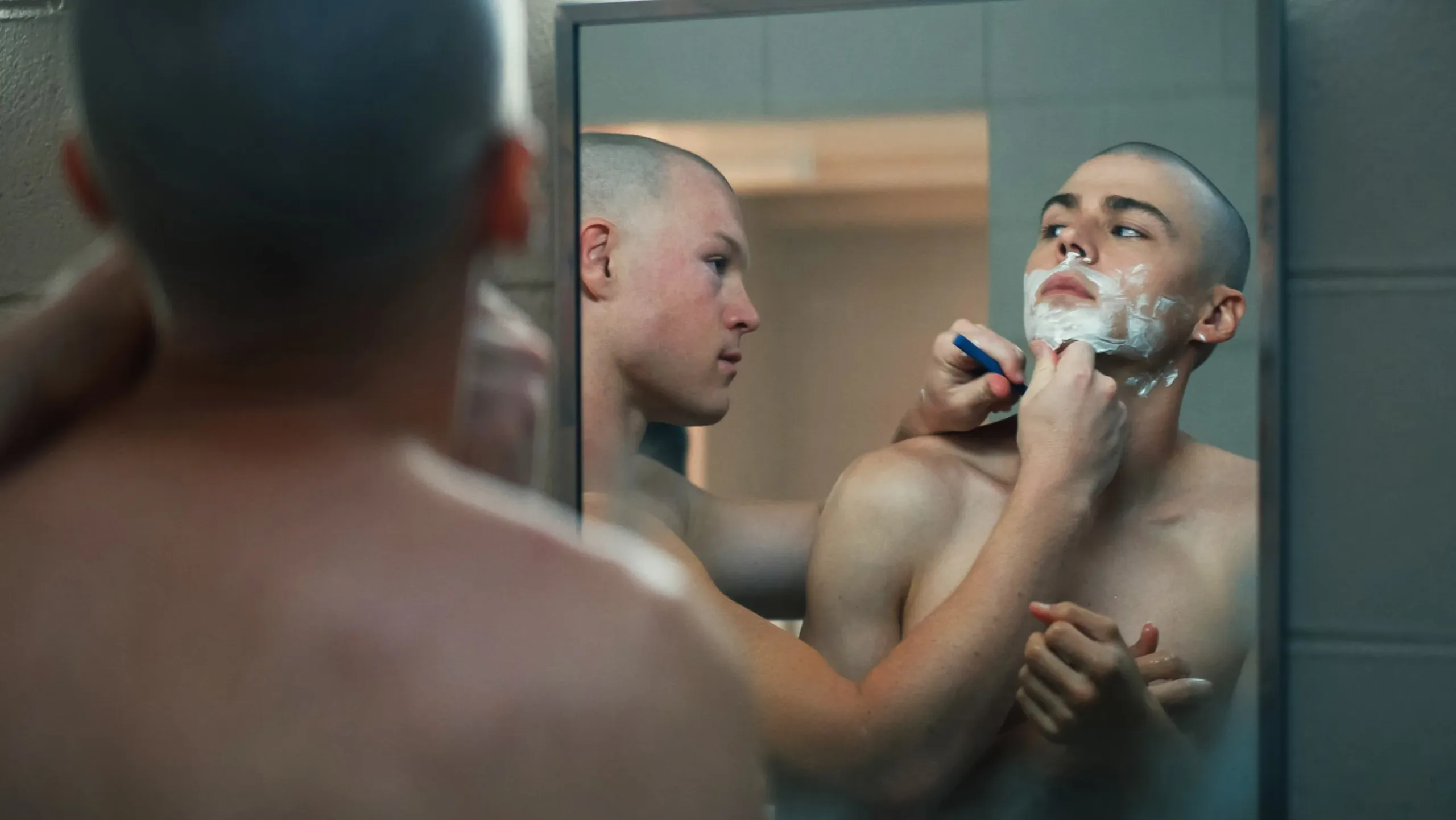

The creator of Netflix’s Boots said the show’s rapid rise was helped by the Pentagon’s denunciation of it as “woke garbage,” arguing the flare-up drew new viewers even as he rejected the label. In interviews following the statement, Andy Parker said he “didn’t set out to make propaganda” of any kind and would be surprised if officials criticizing the series had watched it, adding that the point was to tell a human story rather than deliver an ideological message. The series, inspired by Greg Cope White’s memoir The Pink Marine, follows a closeted teenager who enlists in the Marines in the 1990s.
The controversy began when a Pentagon spokesperson, under the current administration, attacked Netflix’s programming in remarks prompted by questions about Boots, saying the military would not compromise standards to satisfy an “ideological agenda.” The statement, widely circulated across entertainment and mainstream outlets, became a flashpoint in a month packed with culture-war rhetoric around film and TV. Netflix declined detailed engagement on the remark while continuing to promote the show in its fall slate.
Parker, who credits the uproar with boosting attention, has emphasized casting and perspective choices intended to reflect lived experience, including queer actors fronting the ensemble. He described the approach as empathetic, with an interest in the bonds and bruises of training rather than an “unblemished view of the military.” Industry coverage points to strong placement on the service’s internal charts since the Oct. 9 debut, with event-style marketing and word of mouth helping to convert interest into viewing hours.
The dispute has also revived debate over how defense officials publicly address entertainment that engages with military themes. Past collaborations between studios and the Department of Defense have typically focused on access to equipment or bases in exchange for script input; in this case, officials issued an ideological critique instead of logistical guidance. Commentators note that audience response to the series has combined appreciation for its critique of past policies toward LGBTQ personnel with recognition of camaraderie and transformation found in basic training narratives.